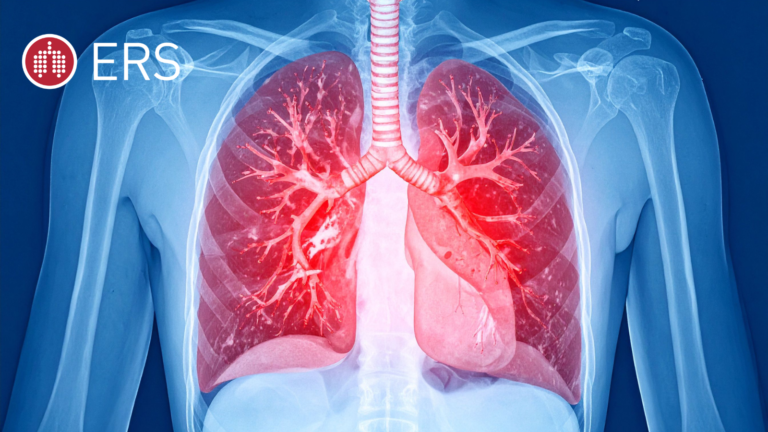










The global respiratory health community convened in 2026 for the World Bronchiectasis Conference (WBC), an event that marked a significant turning point in the management, research, and patient-centered care of bronchiectasis. Organized by EMBARC (The European Bronchiectasis Registry), the conference served as a nexus for clinicians, researchers, and patients to synthesize scientific breakthroughs with the lived experience of those navigating the condition.
As the medical field shifts toward more personalized medicine, the 2026 conference underscored that clinical success is no longer measured solely by pulmonary function tests or radiological improvements, but by the tangible enhancement of a patient’s quality of life.
The Scientific Frontier: Cutting-Edge Innovations
The scientific program at WBC 2026 was robust, reflecting a rapid acceleration in bronchiectasis research. Leading experts presented data on several critical fronts that promise to redefine the standard of care over the next decade.
Advances in NTM Management
Non-tuberculous mycobacteria (NTM) remain one of the most challenging complications for patients with bronchiectasis. The conference provided a deep dive into emerging antibiotic therapies and more refined diagnostic pathways. Researchers discussed how long-term, multi-drug regimens are being optimized to reduce systemic toxicity while maximizing pathogen clearance.
The Role of Artificial Intelligence
Perhaps the most discussed technological leap was the integration of AI-enabled diagnostic tools. Presentations detailed how machine learning algorithms are being utilized to analyze high-resolution computed tomography (HRCT) scans with unprecedented accuracy. By automating the detection of bronchiectatic changes and quantifying disease severity, these tools allow clinicians to intervene earlier, potentially slowing the progression of lung damage.
Clinical Trials and Future Pipelines
The conference served as a platform for sharing interim findings from global clinical trials. From novel anti-inflammatory agents to inhaled therapies designed to reduce exacerbation frequency, the pipeline is more promising than it has been in years. The consensus among the scientific committee was clear: the goal is to shift from reactive management of exacerbations to a proactive, maintenance-based model of care.
Chronology of Collaboration: A Unified Approach
The success of WBC 2026 was anchored in its dual-track structure, which held the scientific symposium in parallel with the Association and Patient Programme.
July 1, 2026: The conference coincided with World Bronchiectasis Day, a global initiative aimed at raising awareness. The day was punctuated by the "Question Time" webinar, co-developed by EMBARC and the European Lung Foundation (ELF) Bronchiectasis Patient Advisory Group (PAG). This session, which focused on the nuances of airway clearance techniques, acted as a bridge between the clinical laboratory and the patient’s living room.
The Patient-Centered Track: For the first time in the history of the WBC, a dedicated track explored the psychosocial impact of the disease. This was not merely an add-on; it was a fundamental shift in the conference’s philosophy. By bringing mental health professionals into the fold, the conference addressed the anxiety, isolation, and depression that often accompany chronic respiratory illness.
Post-Conference Integration: Following the event, the focus shifted to the implementation of the strategies discussed. The launch of "ELF Connect"—a multilingual digital hub—ensured that the insights gained during the conference would remain accessible to the global patient community long after the final session concluded.
Bridging the Gap: The Patient Voice
The European Lung Foundation (ELF) played a pivotal role in ensuring that patients were not merely attendees, but active architects of the conference’s agenda.
The Power of the Patient Advisory Group (PAG)
Members of the ELF Bronchiectasis PAG were instrumental throughout the event. By chairing sessions and engaging directly with international experts, these patient advocates ensured that the "real-world" implications of clinical research were always in the spotlight. Whether discussing the burden of treatment adherence or the accessibility of diagnostic services, the PAG’s input ensured that the healthcare of the future remains rooted in human experience.
ELF Connect: A Digital Milestone
The launch of ELF Connect represents a strategic response to the fragmentation of health information. Designed in collaboration with both patients and clinicians, this digital platform serves as a centralized, multilingual repository for:
- Self-management resources: Evidence-based guides on airway clearance and pulmonary rehabilitation.
- Reliable information: Up-to-date summaries of current research and clinical practices.
- Community support: Providing a space for patients to connect, reducing the sense of isolation that is common in chronic disease management.
Supporting Data and Implications
Bronchiectasis is a chronic, progressive condition that imposes a significant burden on both the individual and the healthcare system. The 2026 conference highlighted several key areas where systemic change is needed.
Reducing the Burden of Disease
World Bronchiectasis Day 2026 brought into sharp focus the need for global advocacy. With thousands of patients still undiagnosed or mismanaged, the "global conversation" initiated at the conference is vital. The burden is not just physical; it is economic and social. By improving early diagnosis through AI and better primary care education, the medical community aims to reduce the frequency of hospitalizations, which are the primary driver of healthcare costs associated with the disease.
Implications for Healthcare Policy
The implications of the 2026 conference for policymakers are profound. The integration of the patient voice into research design—a model showcased at the WBC—is increasingly being viewed as a necessity for securing research funding and approval for new therapies. Healthcare systems that fail to incorporate patient-reported outcome measures (PROMs) are increasingly seen as outdated.
Official Responses and Expert Consensus
Throughout the event, the rhetoric from organizational leaders remained consistent: the siloed approach to respiratory care is obsolete.
"The World Bronchiectasis Conference is no longer just a meeting of minds; it is a movement of partners," noted one lead organizer during the closing ceremony. The consensus was that progress depends on the synergy between three distinct groups:
- The Researchers: Providing the evidence base and technological innovation.
- The Clinicians: Translating complex data into compassionate, bedside care.
- The Patients: Providing the context, the priorities, and the validation for what constitutes a "successful" outcome.
Looking Ahead: The Future of Bronchiectasis Care
As we move past the 2026 conference, the landscape of bronchiectasis care is clearly defined by three pillars: Technology, Advocacy, and Education.
The success of the "Question Time" webinar and the immediate adoption of the ELF Connect platform suggest that patients are hungry for high-quality, accessible information. The medical community’s commitment to "continuing the conversation" beyond World Bronchiectasis Day is a testament to the fact that the challenges of this disease do not respect an annual calendar.
How to Get Involved
The fight against bronchiectasis is ongoing. For those looking to stay informed:
- Educational Resources: Visit the World Bronchiectasis Day website to access materials designed for patients, families, and healthcare providers.
- Community Engagement: Join the ELF mailing list to receive updates on future research, upcoming campaigns, and opportunities to participate in patient-led advocacy.
- Clinical Resources: Utilize the ELF Connect portal to engage with peer-reviewed, patient-friendly information about living with bronchiectasis.
The 2026 World Bronchiectasis Conference did more than present data; it fostered a sense of collective responsibility. By aligning the goals of medical innovation with the daily needs of patients, the global community has set a new, higher standard for what is possible in the treatment of chronic lung disease. The progress made in 2026 is merely the foundation for a future where bronchiectasis is not just managed, but understood, treated, and eventually, significantly reduced in its impact on human lives.
For more information on the latest research and to join the movement, sign up for our newsletter and join our community of advocates dedicated to lung health.