










NEW YORK — The United States is currently grappling with a widespread and intensifying outbreak of cyclosporiasis, a gastrointestinal illness caused by the microscopic parasite Cyclospora cayetanensis. With state-level reporting indicating that 2026 has already eclipsed the previous record of 4,700 cases set in 2019, public health officials are working against the clock to identify the specific vectors of transmission.
The current surge, affecting at least 34 states, has triggered federal investigations, localized food safety alerts, and a precautionary ripple effect throughout the restaurant industry. While the illness is rarely fatal, its hallmark symptoms—frequent, "explosive" bouts of watery diarrhea—have caused significant morbidity across the country, prompting experts to re-examine the intersection of climate change, food supply chains, and diagnostic improvements.
Main Facts: The Nature of the Parasite and the Current Scope
Cyclospora is a single-celled, heat-loving parasite that infects the small intestine. Unlike common bacterial foodborne pathogens such as Salmonella or E. coli, which often result from undercooked meat or cross-contamination, Cyclospora is typically associated with the consumption of fresh produce that has been irrigated or washed with water contaminated by human feces.
The clinical presentation, known as cyclosporiasis, often begins with sudden, watery diarrhea, abdominal cramping, bloating, and fatigue. Because the parasite is resilient and requires specific, specialized testing to detect, it has historically been underreported in the United States.
As of mid-2026, the Centers for Disease Control and Prevention (CDC) has confirmed 1,645 domestic cases since May 1, with an additional 5,100 reports currently undergoing analysis to confirm their origin. State-level data, however, paints a more dire picture. Michigan alone has reported over 3,300 cases, while significant clusters have emerged in Ohio (1,100+), New York City (400+), and Illinois (200+).
Chronology of the Outbreak
The trajectory of the 2026 outbreak follows a pattern typical of seasonal Cyclospora spikes, which usually peak in the late spring and summer months.
- Early May 2026: Initial clusters begin to emerge in the Midwest. Surveillance systems in Michigan and Ohio identify an unusual uptick in gastrointestinal complaints among residents.
- June 2026: The number of reported cases climbs steadily. Federal health authorities begin coordinating with state departments to determine if the infections are linked to a single national distributor or multiple localized events.
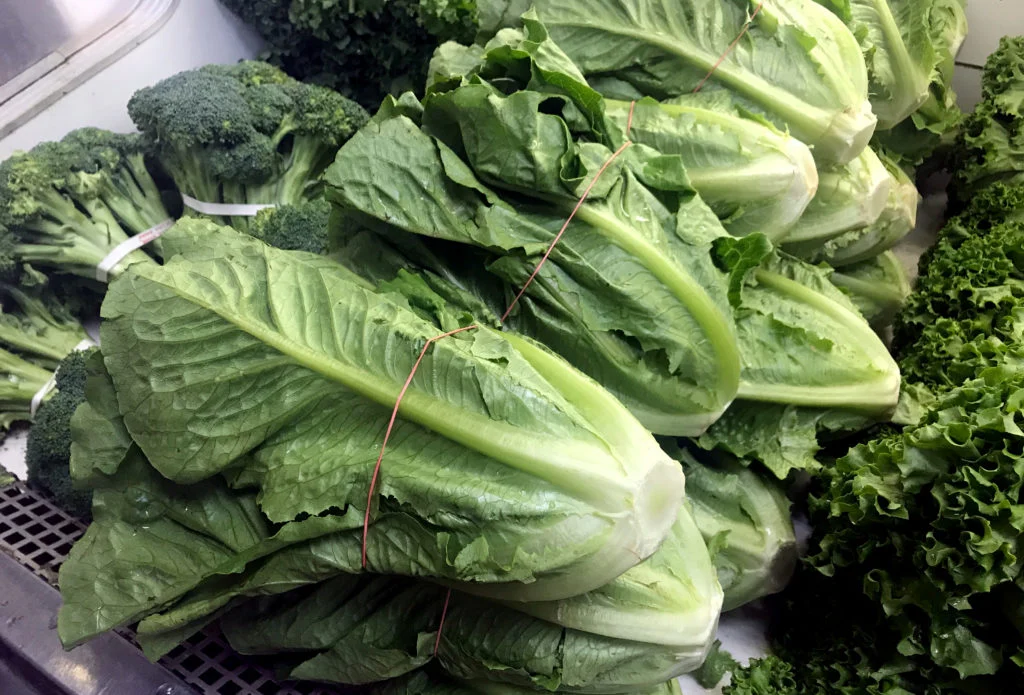
- July 2026: Michigan health officials, following over 1,000 patient interviews, point toward lettuce and leafy greens as the likely vehicle for the parasite.
- August 2026: The CDC issues a formal health alert, acknowledging that while some cases are likely linked—particularly those spanning Michigan, Ohio, Kentucky, and West Virginia—others may be isolated incidents or travel-related, complicating the traceback investigation.
Supporting Data: Understanding the Spike
The rise in Cyclospora cases over the last decade is not merely a reflection of better record-keeping, though that is a contributing factor. Experts point to three primary drivers behind the current record-breaking year:
1. Improved Diagnostics
For years, clinical laboratories relied on stool cultures that were ill-equipped to identify Cyclospora. The transition to molecular testing, such as PCR (polymerase chain reaction) panels, has drastically increased the sensitivity of our national surveillance systems, leading to a higher capture rate of cases that would have previously gone undiagnosed.
2. The Climate Connection
Cyclospora thrives in warm, humid climates. As global temperatures rise, the environmental conditions conducive to the parasite’s survival are expanding. Increased heavy rainfall and flooding events in agricultural regions can facilitate the runoff of contaminated water into irrigation systems, providing a mechanism for the parasite to reach produce crops.
3. Supply Chain Complexity
The U.S. produce supply chain is vast and increasingly consolidated. A single contaminated batch of lettuce or pre-mixed salad can be distributed to hundreds of locations across multiple states within days. This "hub-and-spoke" distribution model means that even a small, localized contamination event can rapidly escalate into a regional or national health crisis.
Official Responses and Food Safety Guidance
Federal and state health agencies are currently engaged in a complex "traceback" investigation. The Food and Drug Administration (FDA) is examining various produce items and the distribution paths of facilities frequented by infected patients.
Michigan’s Proactive Stance
Natasha Bagdasarian, the Michigan health department’s chief medical executive, has taken a firm position on consumer safety. Based on the commonalities found in patient interviews, the state has advised citizens to avoid bagged lettuce and pre-mixed salad kits for the time being. Their recommendation is to purchase whole heads of lettuce, discard the outer layers—where the parasite is most likely to cling—and thoroughly wash the remaining leaves.
The Taco Bell Response
The impact of these findings has moved beyond the produce aisle. In a move of extreme caution, the Taco Bell restaurant chain announced it had "voluntarily and temporarily removed limited ingredients at select restaurants." While the company did not specify which ingredients were involved, the move highlights the pressure on food service providers to mitigate risk before a definitive "smoking gun" is identified by federal investigators.
Federal Caution
FDA Acting Deputy Commissioner for Food, Donald Prater, urged patience during the investigation. "FDA certainly is continuing its traceback investigation on multiple produce items, also including locations that are reported by the case patients before they became sick," Prater stated. He emphasized that because of the diversity of the cases, it is premature to point toward a single brand or distributor.
Implications: The Future of Food Safety
The 2026 outbreak serves as a stark reminder of the vulnerabilities inherent in the modern food supply. As cases are expected to continue climbing through the remainder of August, the implications for public health policy are significant.
The Burden of Underreporting
Gwen Biggerstaff of the CDC noted that the reported numbers are likely just the tip of the iceberg. Many individuals with milder symptoms do not seek medical attention or are not tested for the parasite, meaning the true incidence rate of the disease is likely far higher. This "silent" spread complicates efforts to trace outbreaks back to their source.
Agricultural Reform
The recurring nature of these outbreaks suggests that current produce washing and irrigation standards may need to be overhauled. If climate change continues to favor the proliferation of Cyclospora, the agricultural sector may need to invest in more advanced water treatment technologies or stricter containment protocols to prevent fecal contamination in open-field farming.
Consumer Awareness
For the average American, the current crisis serves as a lesson in food hygiene. While most cases are treatable with a course of antibiotics, the duration and intensity of the illness can be debilitating. The CDC’s emphasis on washing produce, while not a silver bullet against microscopic parasites, remains a critical layer of defense.
As the nation waits for a definitive conclusion to the FDA’s investigation, the primary message from health officials is clear: remain vigilant, report persistent gastrointestinal symptoms to healthcare providers, and follow the guidance of local health departments regarding specific food products. The 2026 Cyclospora surge is a definitive test of the U.S. food safety infrastructure, and the findings of the coming weeks will likely shape regulatory approaches for years to come.
Disclaimer: This report is based on current data from the CDC and regional health departments. Consumers are advised to monitor the CDC’s official website for the most recent updates and specific product recall notices.