





For the first time since 2018, the medical landscape regarding cardiovascular health has undergone a seismic shift. On March 28, 2026, the American College of Cardiology (ACC) and the American Heart Association (AHA) jointly released their highly anticipated clinical guidance on the screening and management of blood cholesterol. Presented at the ACC’s 75th Annual Scientific Session in New Orleans and published simultaneously in the Journal of the American College of Cardiology and Circulation, these guidelines represent a fundamental departure from reactive medicine toward a proactive, lifelong strategy for heart health.
The updated framework, which arrives in tandem with the significant paper, "The ABCs of Cardiovascular Disease Prevention: Communicating What We Know in 2026," published in the American Journal of Preventive Cardiology, emphasizes that the battle against cardiovascular disease (CVD) must be fought decades before a heart attack or stroke ever occurs.
The Chronology of Change: Why Now?
The 2018 guidelines served the medical community well, but in the ensuing eight years, clinical research, genetic understanding, and data modeling have evolved at an unprecedented pace. The decision to overhaul these guidelines was driven by a growing crisis: approximately one in four American adults currently lives with elevated low-density lipoprotein (LDL) cholesterol.
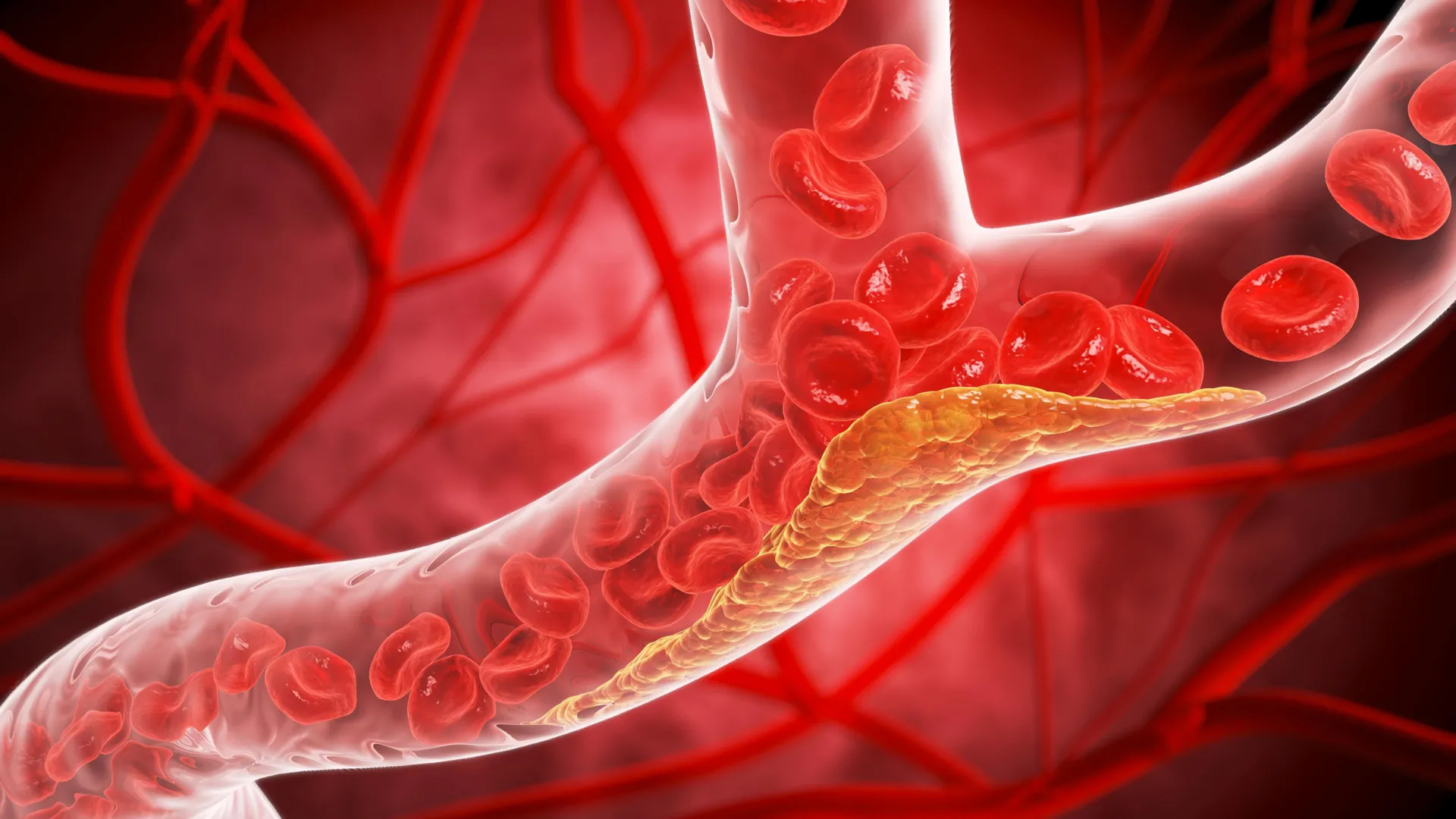
Atherosclerosis—the silent, progressive hardening of the arteries—often begins in early adulthood. By the time many patients present with symptoms, significant, irreversible damage may have already occurred. This new document serves as an admission that the medical community’s previous wait-and-see approach was insufficient. By lowering the age of recommended screenings and integrating modern data-driven tools, the ACC and AHA are attempting to move the "clinical window" of intervention significantly earlier in the patient’s lifespan.
Core Pillars of the 2026 Guidance
The new recommendations are built upon three distinct pillars: aggressive LDL management, personalized risk stratification, and the early identification of genetic predispositions.
The Shift Toward Precision Lipid Management
The guidance centers on the mantra that "lower is better." While physicians have long known that LDL-C (often called "bad" cholesterol) is a primary driver of heart disease, the new guidelines solidify specific, lower targets for various risk groups.
- Optimal health: For individuals without established cardiovascular disease, the target is below 100 mg/dL.
- Intermediate risk: Patients are now advised to aim for levels below 70 mg/dL.
- High-risk individuals: The threshold is set at a rigorous sub-55 mg/dL.
Furthermore, the document places renewed focus on other lipid markers, such as lipoprotein(a)—or Lp(a). Lp(a) is a genetically determined lipid that can increase heart disease risk by 40% at levels of 125 nanomoles per liter, and double that risk at 250 nanomoles per liter. The guideline now advocates for at least one lifetime screening for Lp(a), allowing clinicians to identify "hidden" risks that traditional cholesterol panels might miss.
Redefining Risk: The PREVENT Calculator
Perhaps the most transformative tool introduced is the "Predicting Risk of Cardiovascular Disease EVENTs" (PREVENT) calculator. The previous risk assessment models were limited by their focus on the 10-year outlook for patients over 40. The PREVENT model, however, is built on a massive dataset of 6.6 million individuals—a vast improvement over the 26,000 subjects used in the previous iterations.
Designed for use beginning at age 30, the PREVENT tool incorporates critical variables such as kidney function and blood sugar levels, providing a 10- and 30-year risk forecast. This allows for earlier intervention, as physicians can now illustrate to a 30-year-old patient the long-term trajectory of their vascular health based on current lifestyle and biological metrics.
Supporting Data and the Lifestyle Foundation
Despite the introduction of sophisticated pharmacological options, the guideline committee remains adamant that lifestyle is the bedrock of prevention. Roger S. Blumenthal, M.D., chair of the guideline writing committee, notes that 80% to 90% of cardiovascular disease is linked to modifiable factors.
"We know that bringing elevated lipids and blood pressure down in young adults supports optimal heart and vascular health throughout a person’s life," Dr. Blumenthal stated. The guidance reinforces the non-negotiable importance of:
- Nutritional Integrity: A heart-healthy diet focused on whole foods, fiber, and healthy fats.
- Physical Activity: Regular, sustained cardiovascular exercise.
- Tobacco Cessation: Absolute avoidance of all tobacco products.
- Metabolic Maintenance: Prioritizing sleep hygiene and maintaining a healthy body weight.
The guidelines emphasize that while medication is a powerful tool, it is not a substitute for these foundational habits. Instead, medication should be viewed as a "force multiplier" for those whose genetics or existing conditions prevent them from reaching target lipid levels through lifestyle alone.
Official Responses and Clinical Implications
The medical community has received the new guidelines with a mixture of enthusiasm and a call for swift implementation. The committee’s push for "shared decision-making" is a central theme; rather than dictating a singular treatment path, the guidelines encourage clinicians to engage patients in a dialogue that includes the patient’s personal values, family history, and potential for adherence to treatment.
Addressing Special Populations
The new guidance is notably inclusive, providing specific management strategies for groups that were previously under-represented in lipid management research:
- Pregnant and Breastfeeding Individuals: Recognizing the unique metabolic changes during these periods.
- The Aging Population: Tailoring treatment for adults over 75, balancing the benefits of aggressive lipid lowering against the risks of polypharmacy.
- Comorbidities: Providing clear protocols for those managing diabetes, HIV, chronic kidney disease, and cancer—all of which can significantly accelerate vascular aging.
Expanded Pharmacological Toolkit
The shift in treatment strategy acknowledges that for many patients, statins alone are insufficient. The new guidance provides clear pathways for the integration of non-statin therapies, including:
- Ezetimibe: Often the first-line add-on to statin therapy.
- Bempedoic Acid: For patients intolerant to statins.
- PCSK9 Inhibitors: Injectable monoclonal antibodies that offer a potent way to lower LDL-C for high-risk patients who remain above their target levels.
Looking Ahead: The Future of Preventive Cardiology
The release of these guidelines is not an endpoint, but a milestone. In an accompanying editorial, experts noted that future iterations may move even further toward "aggressive prevention." Findings from the VESALIUS-CV clinical trial, which demonstrated significant benefits from sustained, ultra-low cholesterol levels, suggest that the medical community may eventually set the standard for high-risk patients even lower than the current 55 mg/dL recommendation.
The message for the public is clear: Cardiovascular disease is no longer a disease of "old age." It is a cumulative process that begins in the early stages of adulthood. By screening earlier, understanding the genetic components of risk, and utilizing the new PREVENT tools, clinicians and patients have the opportunity to change the trajectory of health outcomes for millions.
As Seth Martin, M.D., M.H.S., a cardiologist and member of the writing committee, aptly stated, "Shifting the paradigm toward proactive prevention strategies earlier in life can meaningfully change the trajectory of cardiovascular disease and lead to better health outcomes for people decades later."
In summary, the 2026 ACC/AHA guidelines provide a robust, evidence-based roadmap that mandates a more personalized, aggressive, and early approach to heart health. For the clinician, it offers better tools; for the patient, it offers the promise of a longer, healthier life through informed action. The question remains whether the healthcare system can adapt quickly enough to meet these new standards, but the path forward has never been more clearly illuminated.