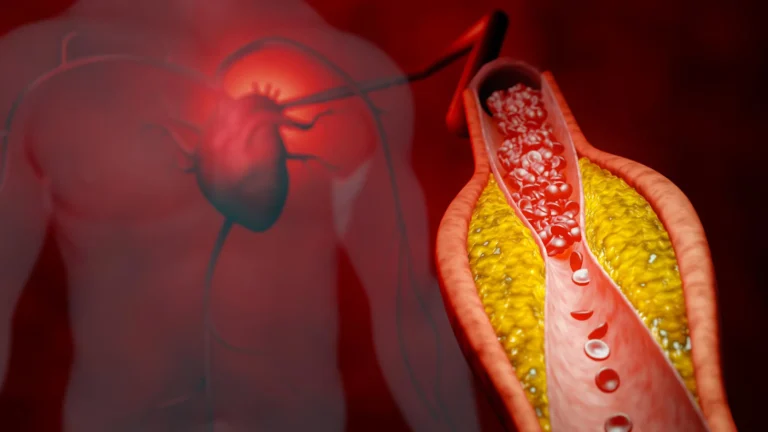










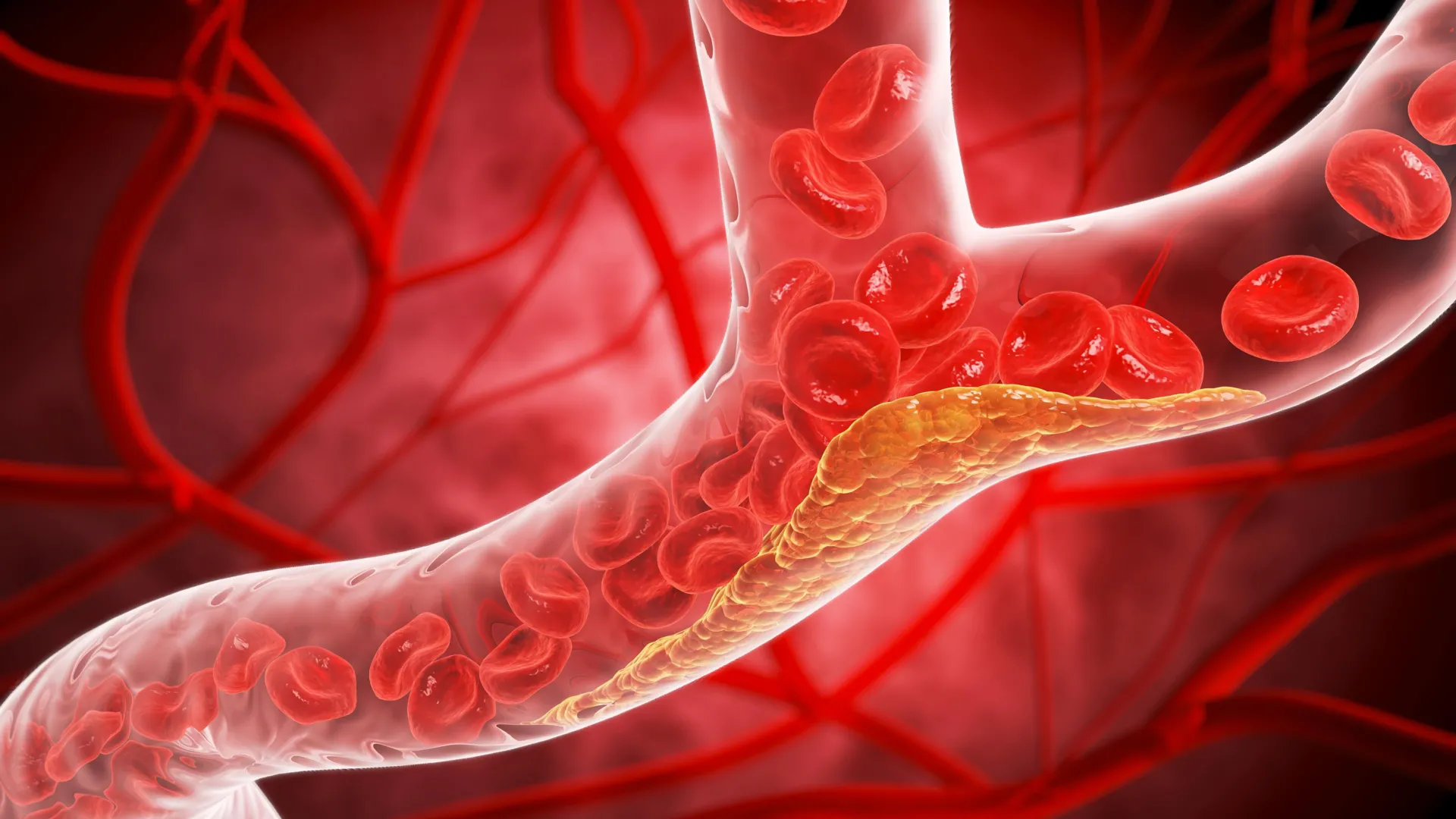
In what is being hailed as the most significant breakthrough in lipid management since the advent of statins, a new experimental drug called enlicitide has demonstrated the ability to lower low-density lipoprotein (LDL) cholesterol by approximately 60%. The results of a pivotal phase three clinical trial, published in The New England Journal of Medicine, suggest that this once-daily oral medication could provide a powerful, accessible alternative for millions of patients struggling to manage their cardiovascular risk.
If granted approval by the U.S. Food and Drug Administration (FDA), enlicitide promises to bridge a critical gap in preventative cardiology: the "adherence gap" created by injectable therapies. By offering the efficacy of high-end biological agents in a simple, daily pill format, researchers believe they can finally bring the majority of high-risk patients to their target cholesterol levels.
The Weight of the Evidence: Main Findings
The phase three clinical trial, which enrolled 2,909 participants, focused on individuals with established atherosclerotic cardiovascular disease or those at significant risk due to comorbidities. All participants in the study were already receiving background statin therapy—the standard of care—yet their LDL levels remained stubbornly high, with an average baseline of 96 mg/dl.
For context, current clinical guidelines mandate that patients with established atherosclerosis maintain LDL levels below 70 mg/dl, while those at extreme risk should aim for levels below 55 mg/dl. Despite being on high-intensity statins, the majority of the trial participants remained well above these thresholds.
The study, led by Dr. Ann Marie Navar of the UT Southwestern Medical Center, revealed that after 24 weeks of treatment, those randomized to receive enlicitide experienced a 60% reduction in LDL cholesterol compared to the placebo group. Furthermore, the drug demonstrated efficacy in lowering other key cardiovascular markers, including apolipoprotein B, non-HDL cholesterol, and lipoprotein(a). These impressive reductions were maintained over a 52-week follow-up period, signaling both durability and consistency in the drug’s performance.
A Scientific Lineage: The Chronology of Cholesterol Research
To understand the magnitude of the enlicitide discovery, one must look at the history of cholesterol research at UT Southwestern, a hub that has arguably defined the field for the last half-century.
The Foundation: The Nobel-Winning Discovery
The journey began in the 1970s and 80s with the groundbreaking work of Dr. Michael Brown and Dr. Joseph Goldstein. Their identification of the LDL receptor on the surface of liver cells—the biological "vacuum" that removes cholesterol from the blood—earned them the 1985 Nobel Prize in Physiology or Medicine. Their discovery provided the mechanistic blueprint for statins, which remain the first line of defense against heart disease today.
The Genetic Clue: The Dallas Heart Study
In the decades that followed, the focus shifted to why some individuals are genetically protected from high cholesterol. The Dallas Heart Study, led by Dr. Helen Hobbs and Dr. Jonathan Cohen, identified a specific genetic mutation that resulted in the reduced production of a protein called PCSK9. This protein naturally limits the number of LDL receptors on liver cells.
By identifying that people with lower PCSK9 levels had lower cholesterol and significantly fewer heart attacks, the team paved the way for a new class of drugs: PCSK9 inhibitors. These therapies, which include monoclonal antibodies and RNA-based treatments like evolocumab and alirocumab, proved that blocking the PCSK9 protein could lower LDL cholesterol by 60%.
The Modern Frontier: Transitioning from Injection to Oral
While the injectable PCSK9 inhibitors were a medical triumph, they faced significant hurdles in real-world application. Although their costs have stabilized, the logistical barrier of self-injecting a medication has contributed to lower-than-optimal utilization rates. Enlicitide represents the "Holy Grail" of this research trajectory: a small-molecule, oral medication that inhibits the same PCSK9 pathway as its injectable predecessors, but with the ease of a daily pill.
Supporting Data: Why Existing Treatments Fall Short
Despite the existence of statins and injectable PCSK9 inhibitors, cardiovascular disease remains the leading cause of death globally. Dr. Navar points out a stark reality: "Fewer than half of patients with established atherosclerotic cardiovascular disease currently reach their LDL cholesterol goals."
The reasons for this are multifaceted:
- The Statin Ceiling: While statins are highly effective, many patients reach a "plateau" where increasing the dose no longer yields significant LDL reduction, or leads to intolerable muscle-related side effects.
- Injectable Aversion: Many patients are reluctant to commit to long-term injectable therapy, viewing it as a more "serious" or burdensome medical intervention compared to a pill.
- Prescriber Hesitancy: Even when injectable therapies are appropriate, physicians often find the administrative hurdles—such as prior authorizations and the complexity of training patients for injections—to be a deterrent in a busy clinical setting.
The phase three trial for enlicitide addresses these gaps directly. By mirroring the efficacy of injectables in a pill format, enlicitide is poised to remove the "barrier to entry" for both patients and clinicians.
Official Responses and Clinical Implications
The medical community has reacted with cautious optimism. Dr. Ann Marie Navar, who spearheaded the study, emphasized the population-level impact of the drug. "These reductions in LDL cholesterol are the most we have ever achieved with an oral drug by far since the development of statins," she stated.
Addressing the Real-World Population
Dr. Navar noted that the trial population was specifically chosen to reflect the "real world" of cardiology. These were not idealized patients; they were individuals with complex health histories who were already on existing therapies but still failing to meet their targets. The fact that enlicitide was able to push these patients to their goal levels—often below 55 mg/dl—is a major clinical milestone.
Conflicts of Interest and Transparency
As with any industry-sponsored study, transparency is key. The study was funded by Merck Sharp & Dohme, a subsidiary of Merck & Co. Inc. Dr. Navar disclosed that she received consulting fees from Merck and other pharmaceutical companies involved in lipid-lowering therapies. The study protocol was designed to ensure rigor, with the primary outcome measures assessed by independent data monitoring committees, adhering to the standard of high-impact medical journals like NEJM.
Looking Ahead: The Future of Heart Disease Prevention
The success of the phase three trial is only the beginning. While the cholesterol-lowering efficacy of enlicitide is scientifically proven, the ultimate measure of any heart medication is its ability to reduce clinical events.
The Next Frontier: Outcomes Trials
A follow-up clinical trial is already underway to confirm whether these LDL reductions translate into a direct, measurable decrease in heart attacks and strokes. This "outcomes trial" is the final hurdle before the drug can be fully integrated into global clinical guidelines.
The Potential Impact on Public Health
If the outcome data is positive, enlicitide could revolutionize the way cardiovascular disease is managed. By simplifying the treatment regimen, doctors may be able to intervene earlier and more aggressively in patients who are currently "stuck" on sub-optimal statin therapy.
In a healthcare environment where non-adherence is a primary driver of chronic disease progression, a pill that is as effective as a biologic injection is a game-changer. It represents a synthesis of 50 years of genetic and molecular research, brought to life in a form that is manageable for the average patient.
As the medical community awaits the final outcomes data, the story of enlicitide serves as a powerful reminder of how academic research, when paired with pharmaceutical innovation, can translate into tangible, life-saving tools for the public. The prospect of a simple pill that can prevent the world’s leading killer is not just a scientific achievement—it is a beacon of hope for millions living with the constant, looming threat of heart disease.
Disclaimer: This article is for informational purposes and does not constitute medical advice. Consult with a qualified healthcare professional regarding personal cardiovascular health.