










In an era defined by relentless digital connectivity and the perpetual "hustle culture" that permeates modern life, the ability to find a moment of true stillness has become a radical act of self-care. While high-intensity interval training and power vinyasa flows have their place in the fitness lexicon, there is an emerging clinical and cultural consensus that the most restorative yoga practices are those that prioritize low-impact, ground-based movement.
On July 23, 2026, experts in somatic movement released a new 10-minute restorative flow designed specifically to mitigate the physiological markers of stress. By focusing on "cool" energy—yoga movements that do not intentionally build heat—practitioners can shift their autonomic nervous system from a sympathetic state (fight or flight) to a parasympathetic state (rest and digest). This article explores the mechanics of this practice, the clinical implications of floor-based stretching, and a comprehensive, step-by-step guide to finding your "chill" in ten minutes or less.
The Physiological Case for Low-Impact Recovery
For decades, the fitness industry has emphasized "no pain, no gain." However, recent longitudinal studies on cortisol regulation suggest that aggressive exercise can, in certain populations, exacerbate chronic stress rather than alleviate it. Yoga, specifically restorative and yin-inspired practices, operates on a different principle: the downregulation of the nervous system.
When we engage in "close-to-the-mat" yoga, we remove the gravitational burden of standing. This allows the heart rate to stabilize and signals to the brain that the body is safe. By incorporating props like blocks—which provide structural support and reduce muscle engagement—the practitioner can hold poses longer without inducing muscular fatigue. This results in a myofascial release that is often impossible to achieve in active, standing poses.
Preparing for Your Practice: The Essential Tools
Before embarking on this 10-minute reset, it is essential to curate your environment. Minimalism is key. You will need:
- A supportive yoga mat: High-density foam is preferred for floor work to protect the joints.
- Two yoga blocks: These are not crutches; they are architectural aids that allow you to reach a deeper state of relaxation.
- A quiet, dimly lit space: Reducing sensory input is critical to the mental "wind-down" aspect of the practice.
The philosophy behind this 10-minute window is simple: the goal is not to "push" into a stretch, but to "invite" the body to open. If a pose feels difficult, use more support. If it feels tight, breathe into the resistance rather than fighting against it.
Chronology of the 10-Minute Wind-Down
This sequence is designed to move from the extremities toward the core, gradually lowering the heart rate and quieting the mind.
1. Waterfall Pose: The Foundation of Calm
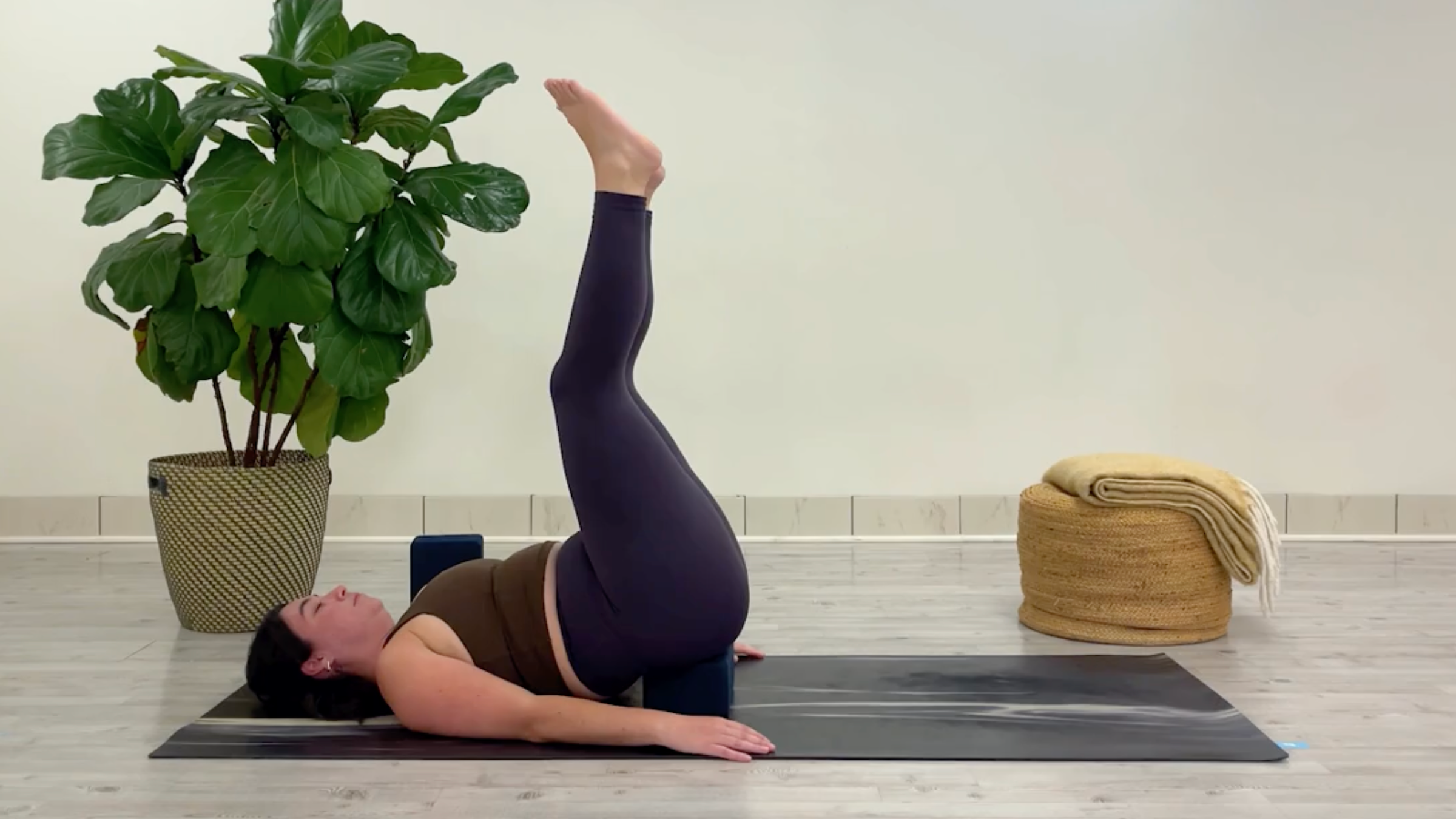
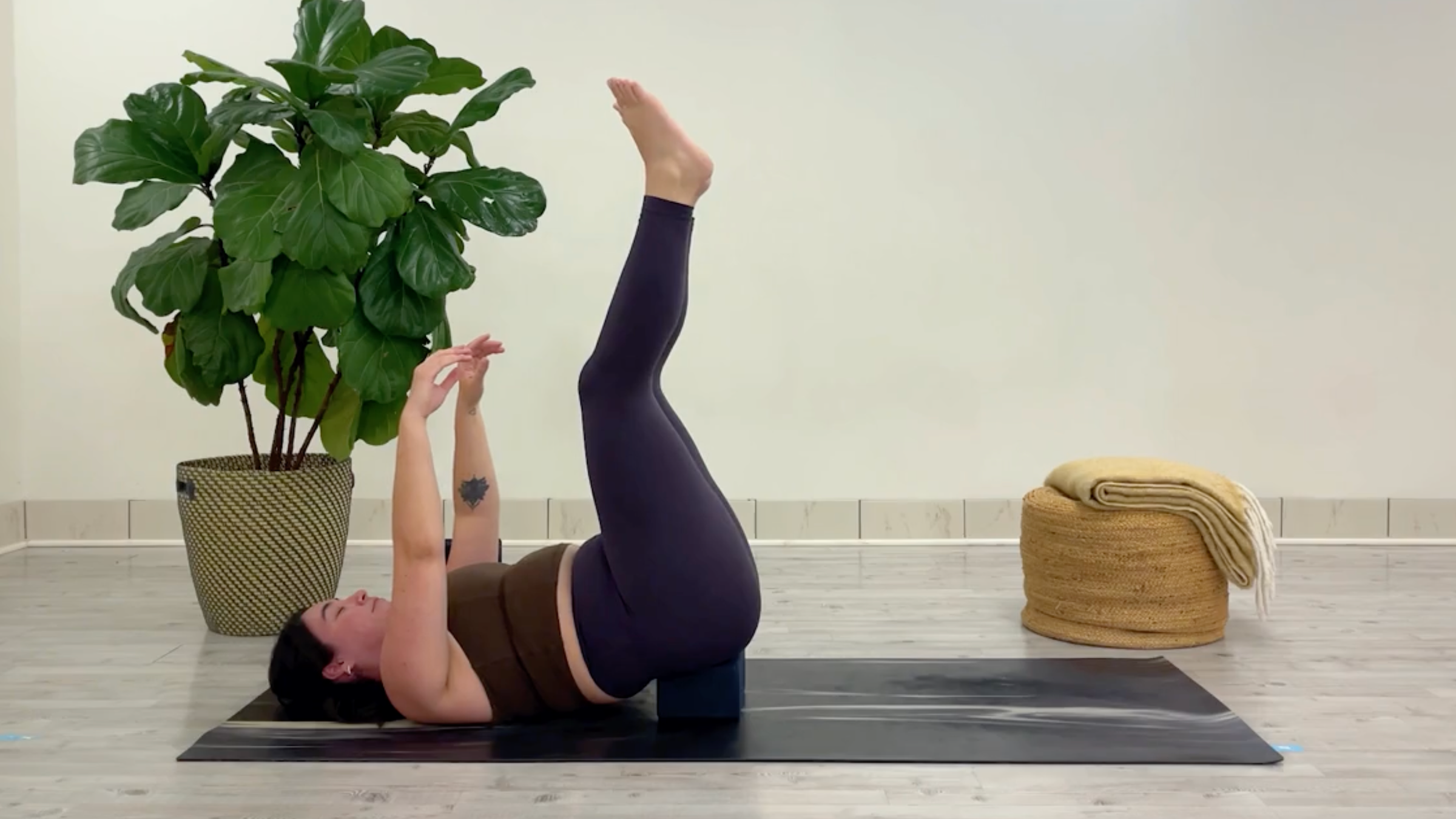
Begin by lying supine, knees bent, feet planted. Lift the pelvis and slide a yoga block under the sacrum—ensure it is on the lowest setting for stability. Once the hips are elevated, extend the legs toward the ceiling. This inversion aids venous return, helping the body circulate blood more efficiently. Reach the arms overhead with "limp wrists" to release tension in the carpal tunnels and shoulders. Hold for 1–2 minutes, then exit slowly to allow the blood pressure to normalize.
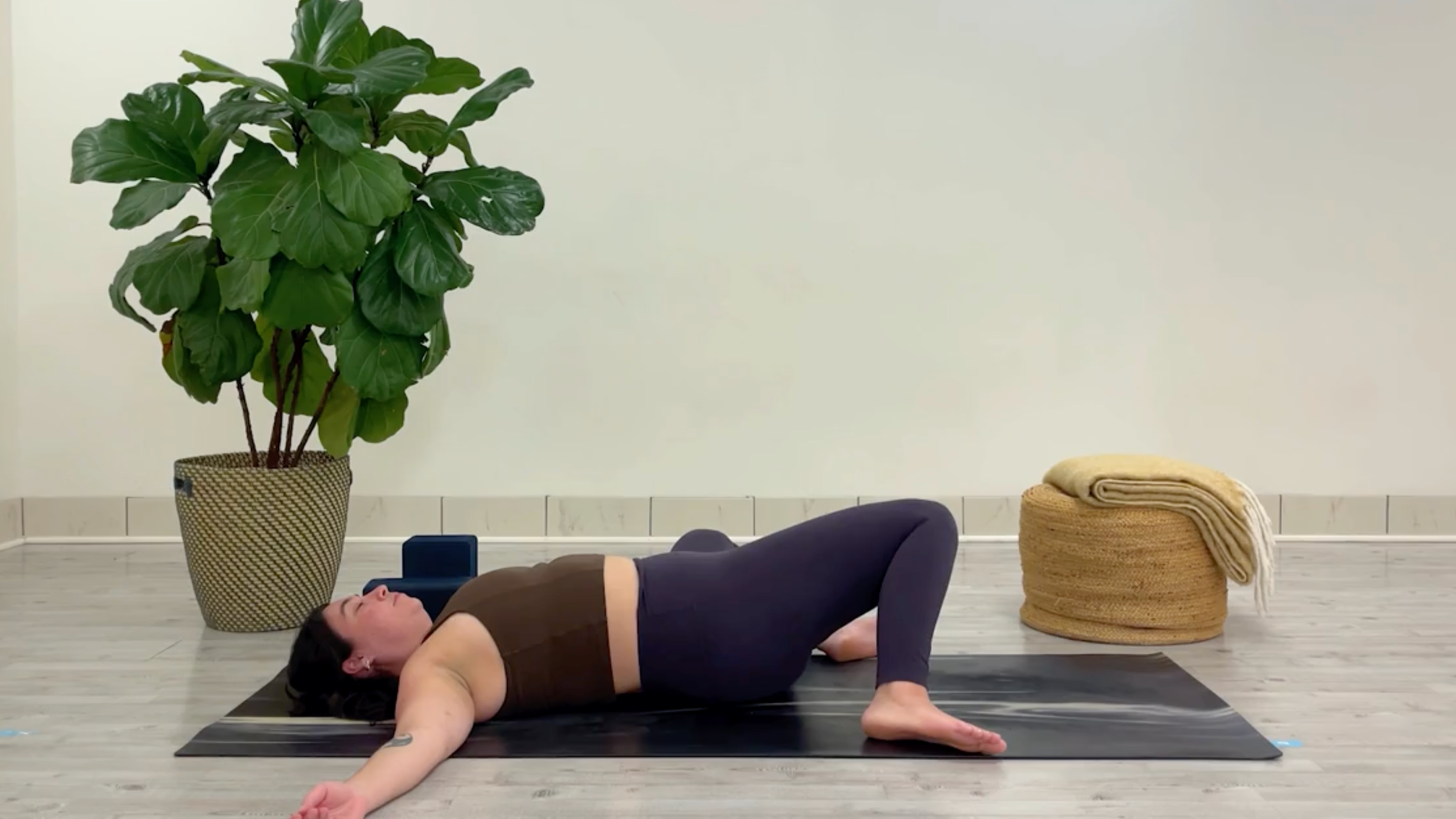
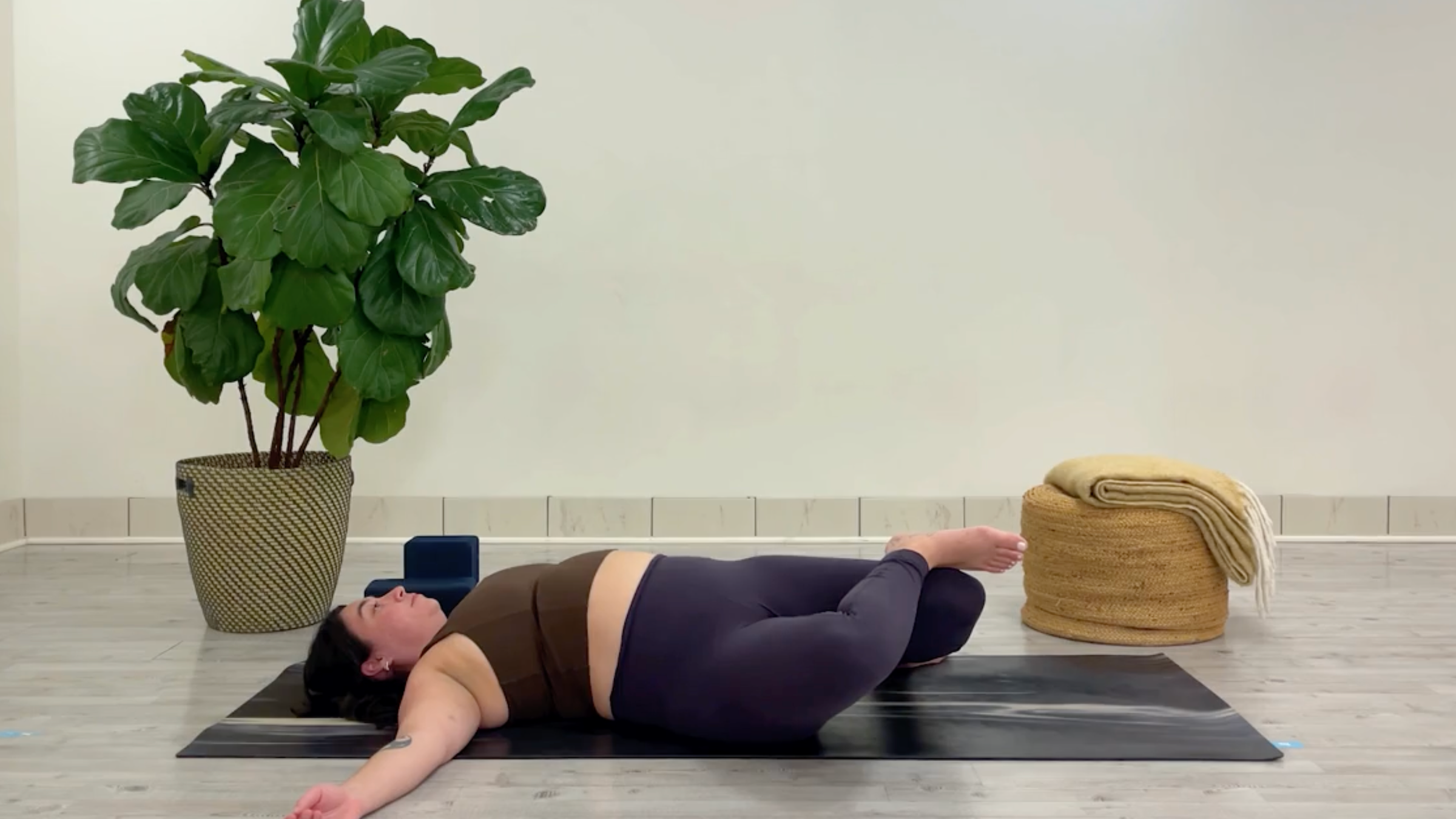
2. Windshield Wipers: Mobilizing the Hips
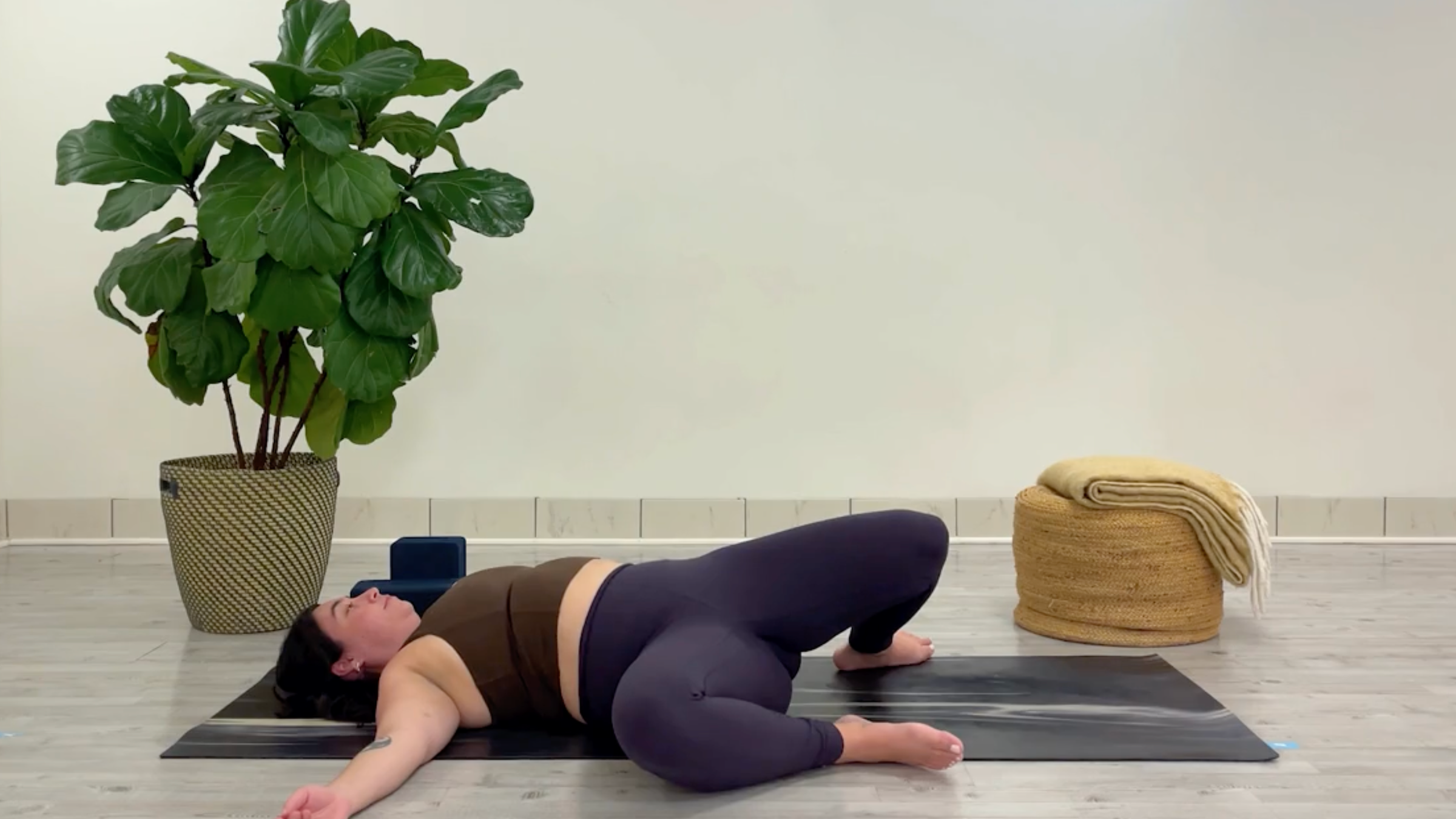
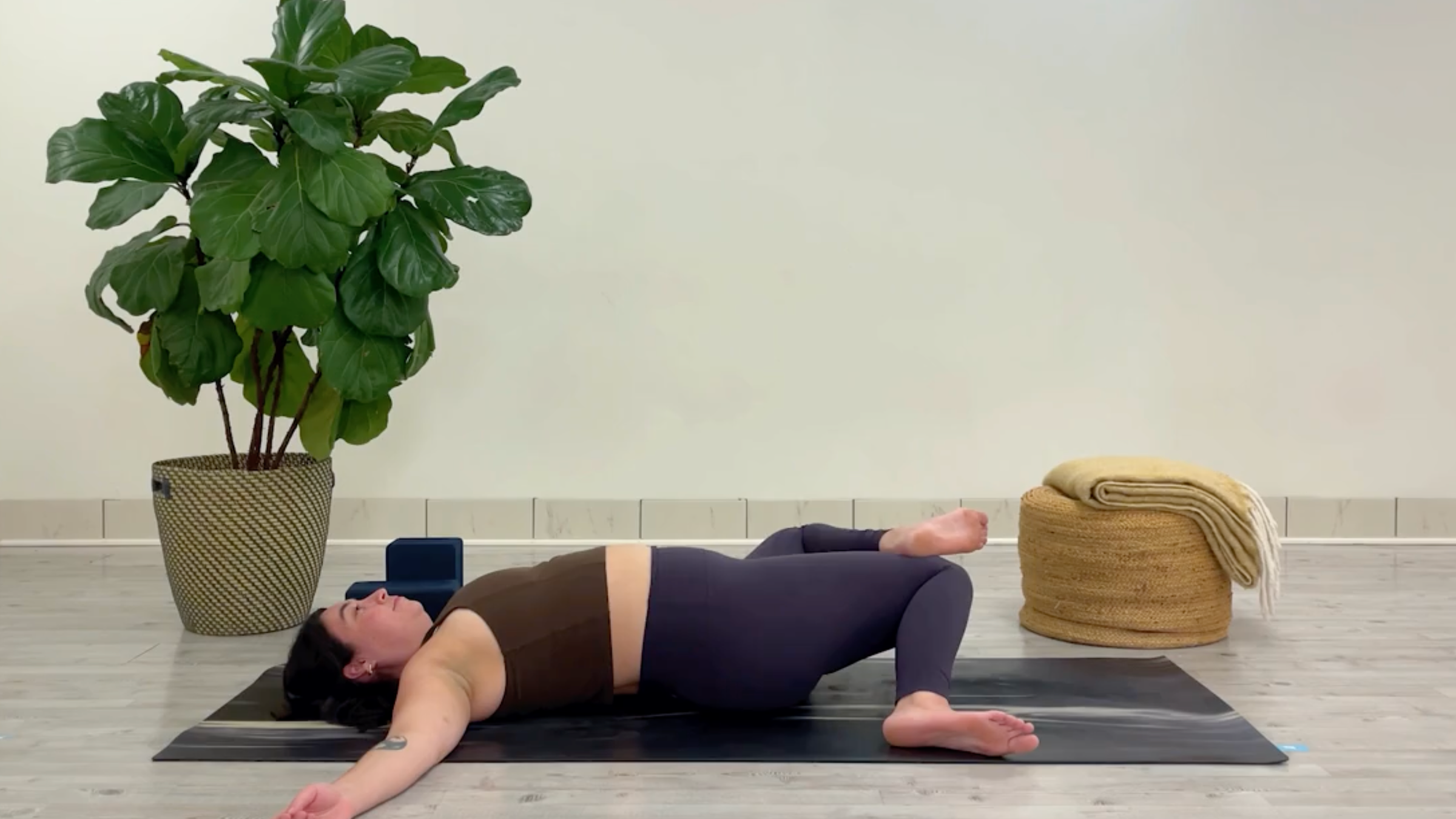
Hip tension is the primary physical manifestation of emotional stress. Extend your arms in a "T" shape and widen your feet to the edges of the mat. Gently rock the knees from side to side. After two rounds of active movement, allow the legs to fall to the right. To deepen the stretch, rest your right ankle atop your left knee. This gentle traction facilitates a release in the psoas—a muscle deeply connected to our stress response. Hold for four breath cycles on each side.
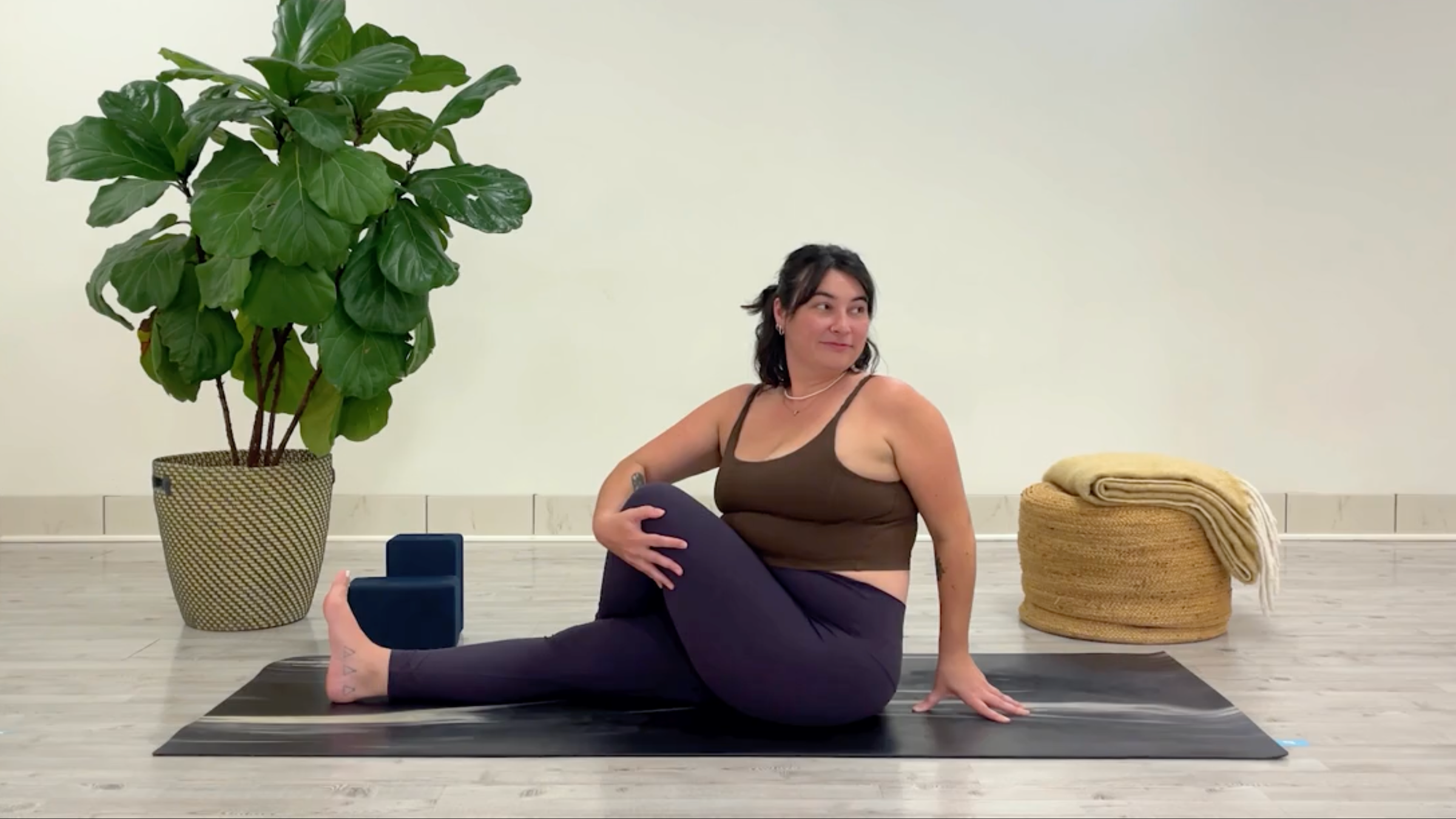
3. The Seated Transition: Twists and Folds
Move into a fetal position before rising slowly to a seated posture. The Seated Twist is essential for "wringing out" the spine. By stepping the left foot to the outside of the right thigh and twisting toward the left, you facilitate spinal rotation that aids digestion and lymphatic drainage. Follow this with Head-to-Knee Pose, folding over the extended leg. If the hamstrings are tight, a micro-bend in the knee is not only allowed—it is encouraged.
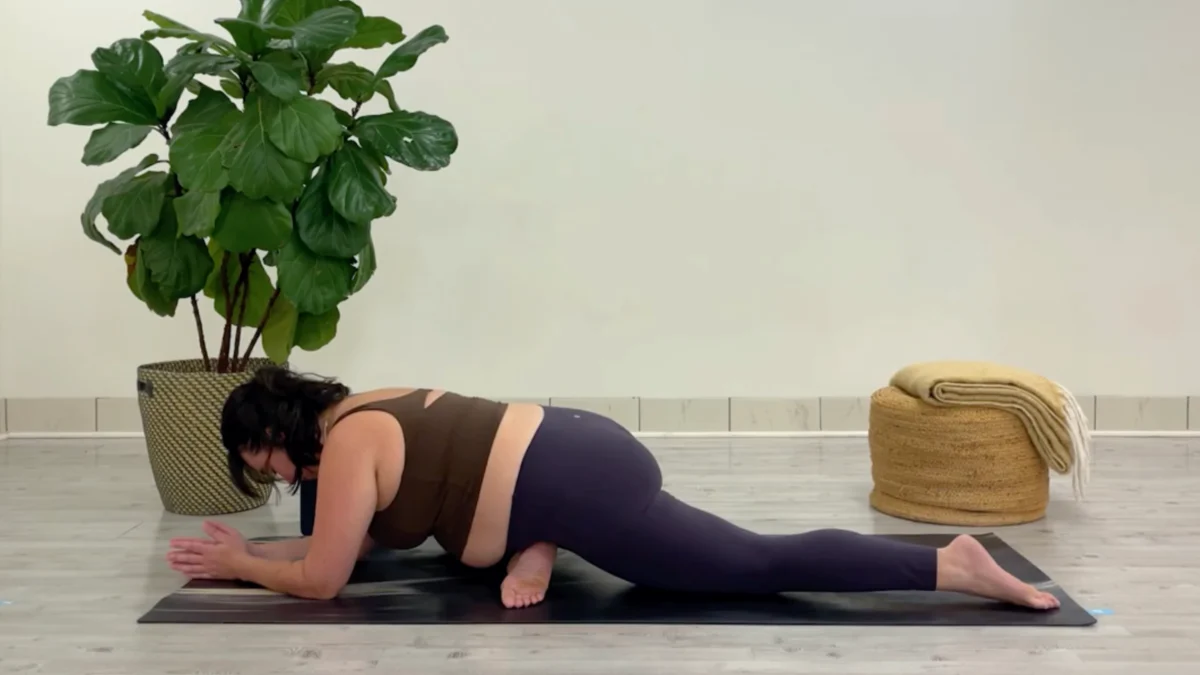
4. Stargazer and Pigeon: Opening the Front Body
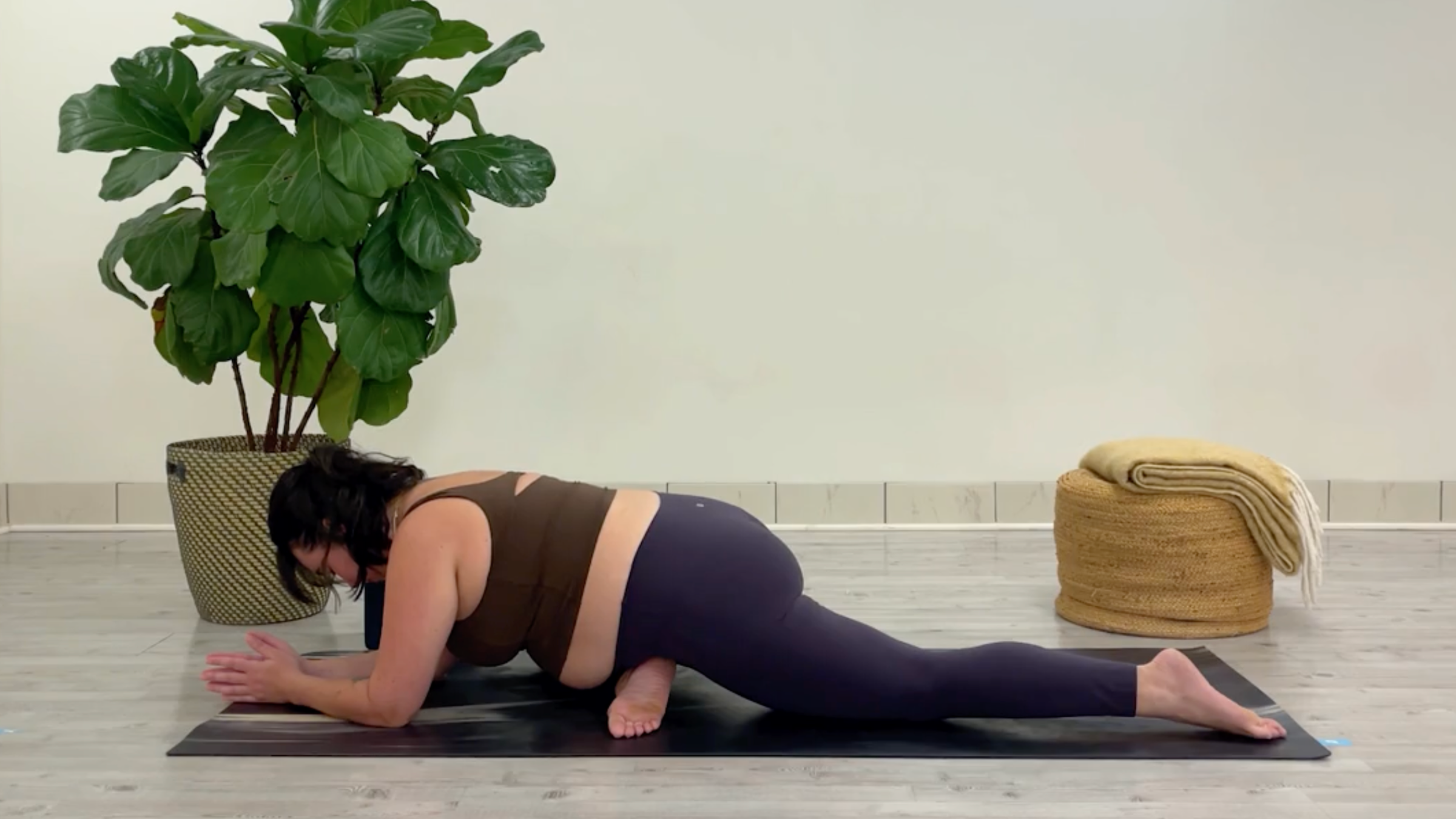
The Stargazer Pose (or Baby Wild Thing) provides a gentle chest opener, countering the "hunch" that comes from desk work. Press the left hand into the mat, lift the hips, and reach the right arm overhead. This creates space in the intercostal muscles, facilitating deeper breathing. Follow this with Pigeon Pose, the gold standard for gluteal release. Whether you choose the traditional fold or the 90/90 variation, this pose targets the piriformis, which often tightens under psychological pressure.
5. Final Integration: Knees-to-Chest and Savasana
After completing the sequence on the second side, return to the floor. Hug your knees to your chest to neutralize the spine. Finally, enter Savasana. This is not "sleeping time"—it is the integration phase. Allow your body to absorb the work of the previous nine minutes. Stay for 1–5 minutes.
Supporting Data: Why 10 Minutes Matters
Research from the International Journal of Yoga indicates that even short durations of consistent, mindfulness-based movement can significantly reduce markers of systemic inflammation. In a controlled study, participants who practiced 10 minutes of restorative stretching daily for four weeks reported a 22% reduction in self-identified stress levels.
Furthermore, the "prop-heavy" approach used in this 10-minute flow is supported by the principles of Restorative Yoga. By using blocks to support the body weight, the practitioner avoids the "stretch reflex"—a neurological response where muscles contract to protect themselves from over-lengthening. By bypassing this reflex, we reach the deeper connective tissues (fascia), resulting in long-term flexibility and reduced chronic pain.
Official Perspectives: The Expert View
Dr. Elena Vance, a movement specialist and physical therapist, notes: "We spend the vast majority of our waking hours in a state of ‘bracing’—clenched jaws, held breath, and rigid shoulders. A 10-minute wind-down acts as a circuit breaker. It isn’t about fitness; it’s about re-patterning how we carry ourselves through the world. When you take the time to support your body with props, you are sending a neurological message that it is safe to let go."
Yoga educators, such as Taylor Lorenz, emphasize the accessibility of this practice. "The beauty of this 10-minute flow is that it doesn’t require a studio membership or an hour of free time. It requires only the floor and the willingness to slow down. Whether it is performed at 6:00 AM to set an intention for the day, or at 9:00 PM to prepare for deep sleep, the benefits are cumulative."
Implications for Daily Wellness
The implications of adopting a short, daily restorative practice extend beyond physical flexibility. Consistent engagement with these poses promotes:
- Emotional Regulation: By connecting breath to movement, practitioners develop a "pause button" for reactionary behavior.
- Improved Sleep Hygiene: By lowering the heart rate before bed, the body is primed for deeper REM cycles.
- Enhanced Interoception: The practice trains the brain to listen to the body’s subtle signals of tension, allowing for earlier intervention before stress becomes chronic pain.
In conclusion, the best yoga stretches are not the ones that require the most strength, but the ones that invite the most release. In a world that is constantly asking for more—more speed, more productivity, more intensity—this 10-minute sequence is a quiet, powerful invitation to choose "less." By integrating these movements into your daily rhythm, you are not just stretching muscles; you are cultivating a resilient, tranquil internal landscape that can withstand the pressures of the external world. Find your chill, and the rest will follow.