






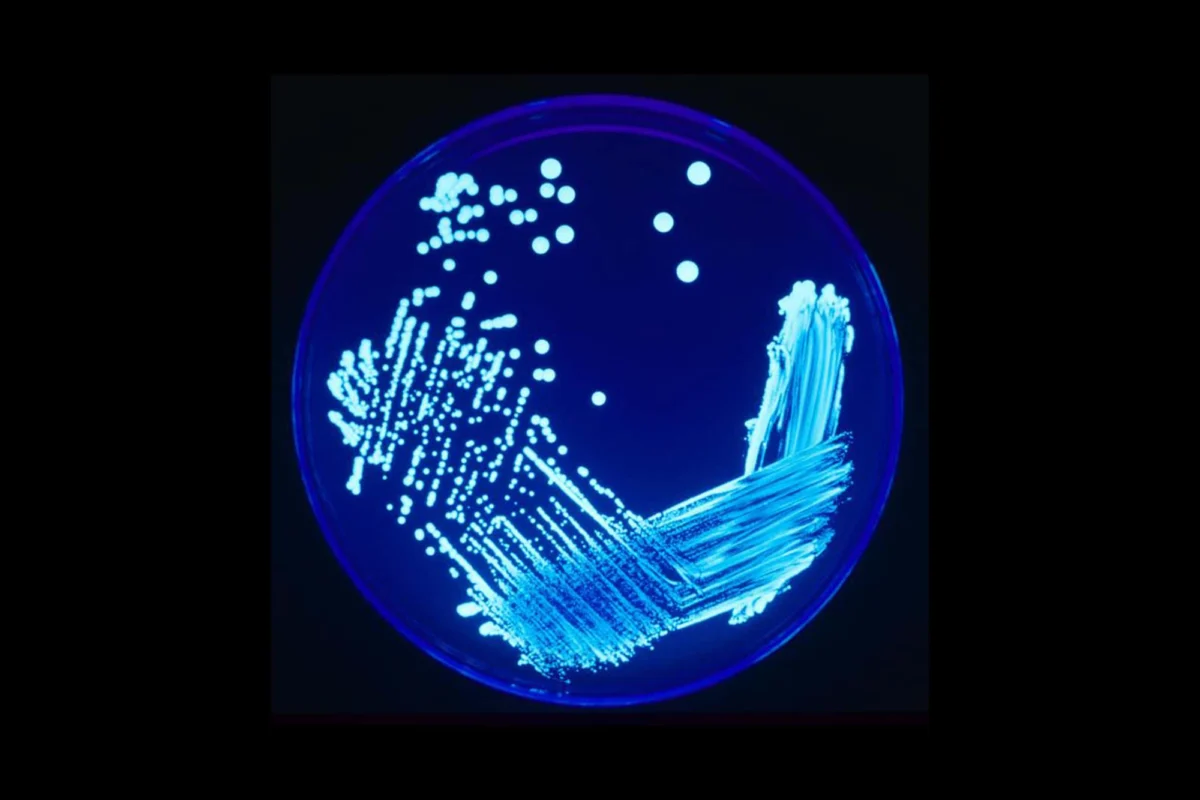
Overview: A Serious Public Health Crisis
The New York City Department of Health and Mental Hygiene (DOHMH) is currently navigating a significant public health challenge following the identification of a lethal cluster of Legionnaires’ disease centered in the Upper East Side. The outbreak, primarily affecting the Carnegie Hill and Yorkville neighborhoods, has resulted in 84 confirmed cases and five tragic fatalities as of July 22.
Legionnaires’ disease—a severe form of pneumonia caused by the Legionella bacterium—has prompted a sweeping investigation across the 10028, 10128, and 10075 ZIP codes. While city officials emphasize that the situation is being aggressively managed, the scale of the outbreak has placed local healthcare systems on high alert and sparked concerns regarding the maintenance of cooling tower infrastructure in dense urban environments.
Chronology of the Investigation
The progression of this outbreak has been monitored closely by epidemiologists since the initial cluster of cases was identified in late June.
- Late June: Initial reports of flu-like symptoms among residents in the 10028, 10128, and 10075 ZIP codes began to surface. Health officials began tracking case clusters to determine a potential common exposure point.
- Early July: As case numbers escalated, the NYC Health Department officially declared a community cluster and launched a comprehensive environmental investigation.
- July 15–20: The scope of testing expanded as investigators focused on the mechanical infrastructure of the neighborhood, specifically targeting cooling towers that are known, when improperly maintained, to aerosolize the Legionella bacteria.
- July 22: The DOHMH released its most comprehensive update to date, confirming 84 cases, 7 hospitalizations, and five deaths. The report noted that 59 patients had already been discharged, indicating a recovery trend for the majority of the afflicted population.
- Ongoing: Environmental teams continue to monitor the efficacy of decontamination efforts, with 50 buildings identified as having housed live Legionella in their cooling towers.
Supporting Data and Environmental Findings
The investigation into the source of the bacteria required a massive logistical effort. Because Legionella thrives in warm water systems, the city’s environmental engineers conducted a targeted audit of commercial and residential building cooling towers.
The Scope of Testing
To pinpoint the source, the department conducted PCR testing on 183 cooling towers across 160 buildings. The preliminary PCR results suggested a widespread presence of the bacteria, with 77 towers at 75 buildings initially testing positive. However, PCR testing detects the genetic material of the bacteria, which can include dead or non-viable cells.
To provide a more accurate assessment of the risk, officials performed "culture testing," which identifies only living, potentially infectious bacteria. This secondary testing confirmed the presence of live Legionella in 51 cooling towers at 50 different buildings.
Infrastructure Remediation
The speed of the response was critical to curbing the spread. All 50 buildings identified as harboring live bacteria were ordered to undergo immediate cleaning and disinfection. According to the DOHMH, these protocols involve flushing the system with high-concentration biocides to eliminate the bacteria. Nineteen towers have already returned culture-negative results, signifying that they are no longer a public health threat. The remaining buildings are currently undergoing follow-up testing to ensure full remediation.
Official Responses and Public Safety Directives
The NYC Health Department has been deliberate in its messaging, aiming to balance transparency with the need to prevent public panic.
Clearing Up Misconceptions
One of the most persistent myths surrounding Legionnaires’ disease is that it is transmitted through municipal drinking water. Health Commissioner Dr. Ashwin Vasan and other officials have explicitly clarified that the outbreak is not linked to the city’s plumbing or water supply. Residents in the affected ZIP codes are safe to drink tap water, bathe, and use home air conditioning units without fear of infection.
Symptom Awareness and Healthcare Seeking
The DOHMH has issued an urgent advisory for any individual who has spent time in the Carnegie Hill or Yorkville area since late June. The incubation period for Legionella is typically two to ten days, but it can be longer in some cases. Individuals exhibiting the following symptoms are urged to seek medical attention immediately:
- Persistent high fever
- Cough (productive or non-productive)
- Shortness of breath or difficulty breathing
- Muscle aches or severe fatigue
The city has directed residents to contact their primary care providers or, if they lack a local doctor, to utilize the NYC Health + Hospitals network or call 311 for guidance on finding a facility.
Implications for Urban Infrastructure Management
This outbreak serves as a stark reminder of the challenges posed by urban density and aging infrastructure. Cooling towers are essential for the operation of large-scale HVAC systems in New York City, but they are also "high-risk" environmental reservoirs if not maintained with rigorous biocide treatments and frequent inspections.
Regulatory Oversight
Following the 2015 Legionnaires’ outbreak in the South Bronx, which was the largest in city history, New York City implemented some of the strictest cooling tower regulations in the United States. Owners of buildings with cooling towers are required to register their systems, maintain a comprehensive maintenance plan, and conduct quarterly inspections.
The current situation in the Upper East Side will likely trigger a review of whether these existing protocols are sufficient. Policy analysts suggest that the city may move toward more stringent enforcement or increased frequency of inspections for towers located in high-density residential corridors.
The Role of Climate Change
While the city has not explicitly linked this outbreak to climate change, climatologists and public health experts have long warned that rising ambient temperatures create more favorable conditions for Legionella growth. As New York City experiences more frequent and intense heat waves, the demand on cooling tower infrastructure increases, putting additional pressure on building management to maintain water chemistry at levels that prevent bacterial colonization.
A Community-Focused Outlook
For the residents of Carnegie Hill and Yorkville, the past few weeks have been a period of anxiety. However, the data suggests that the aggressive intervention by city officials is working. With the majority of patients discharged and the remediation of infected towers nearing completion, the risk of new transmissions is declining.
Moving Forward
The DOHMH continues to perform active surveillance. They are working in tandem with building owners to ensure that the disinfection protocols remain effective and that long-term maintenance plans are updated to prevent future colonization.
Public health experts emphasize that while Legionnaires’ disease is serious, it is not contagious from person to person. The risk is strictly environmental, tied to the inhalation of mist containing the bacteria. As the city continues to monitor the data, the focus shifts from emergency response to longitudinal analysis—understanding why these specific towers became colonized and how to fortify the city’s infrastructure against future outbreaks.
For those affected, the emotional toll of the tragedy—the loss of five lives—remains a somber reminder of the vulnerabilities inherent in the modern metropolis. The City of New York remains committed to providing ongoing updates as the investigation concludes, ensuring that all 10028, 10128, and 10075 residents remain informed and safe.
Summary of Key Health Data
| Status | Count |
|---|---|
| Total Confirmed Cases | 84 |
| Current Hospitalizations | 7 |
| Discharged Patients | 59 |
| Non-hospitalized Cases | 13 |
| Confirmed Deaths | 5 |
Note: All data points are based on reports current as of July 22. As an ongoing investigation, these figures are subject to change as the NYC Health Department processes new clinical and environmental samples.