








Published July 24, 2026
In the modern era, physical discomfort has become an almost universal baseline for many adults. Whether it manifests as a dull, nagging ache in the lower back, a sharp twinge in the knees, or an overall sense of stiffness when rising from a desk, the body often signals that it is "stuck." While many people attribute this restricted range of motion to long hours of sedentary work or the natural aging process, the root cause is frequently hidden in plain sight: the intricate, interconnected relationship between your hips and your hamstrings.
The Anatomy of Restriction: Why Your Hips and Hamstrings Hold the Key
To understand why your body feels tight, you must first understand the structural dependencies of the lower body. The hips and hamstrings act as the primary anchors for the pelvis. When the hip flexors—muscles that are notoriously prone to tightening due to prolonged sitting—become locked in a shortened state, they exert a constant, anterior pull on the pelvis. This creates a compensatory ripple effect that travels up the spine and down into the knees.
When your hamstrings are chronically tight, they tug on the ischial tuberosities (the "sit bones"), further tilting the pelvis and forcing the lumbar spine to bear an unnatural load. This is why addressing a "bad back" often requires a bottom-up approach. You cannot effectively resolve spinal tension without first releasing the muscular anchors that dictate pelvic alignment. Ignoring this connection is akin to attempting to fix a crooked door frame without addressing the foundation of the house.
A New Philosophy: Moving Beyond "Pushing Through"
For decades, the prevailing fitness mantra was to "push through the pain." However, contemporary physical therapy and mindful movement practices suggest that this approach is often counterproductive. When you force a muscle to stretch beyond its current capacity, the nervous system often triggers a "stretch reflex," causing the muscle to contract even harder to prevent injury.
Instead of treating stiffness as an enemy to be conquered, the goal is to practice intentional, rhythmic release. By dedicating twenty minutes of your day to targeted, slow-paced yoga, you can communicate to your nervous system that it is safe to let go of stored tension. This practice is not about achieving the deepest possible expression of a pose; it is about creating the necessary space for your muscles to function at their optimal length.
Chronology of a 20-Minute Release Practice
This sequence is designed to be accessible to all levels, requiring no advanced flexibility. Each pose serves a specific purpose in the kinetic chain of the lower body.
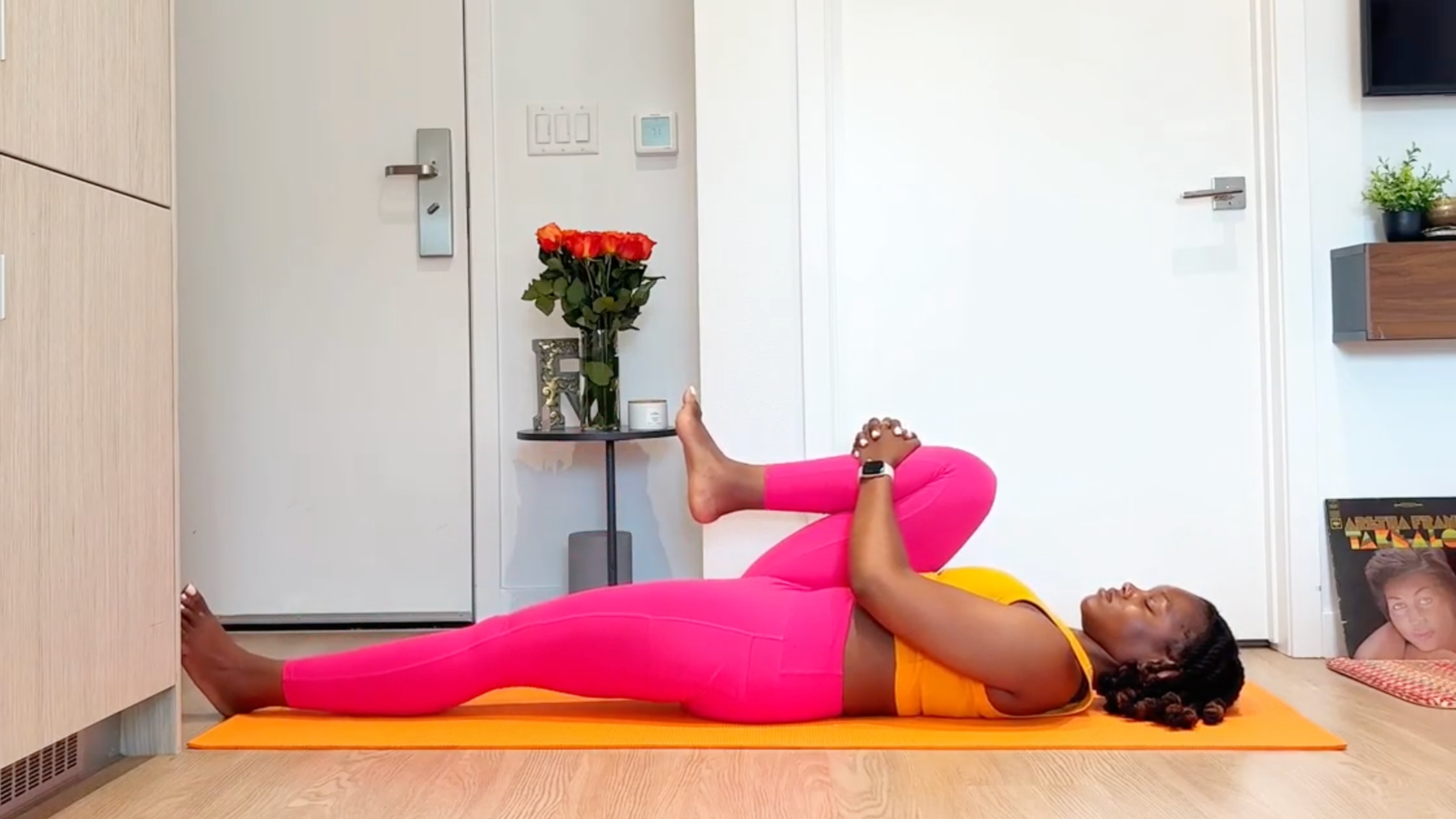
Phase 1: Grounding and Gentle Mobilization
The practice begins on the back, allowing gravity to assist in releasing the spine before moving into the lower extremities.
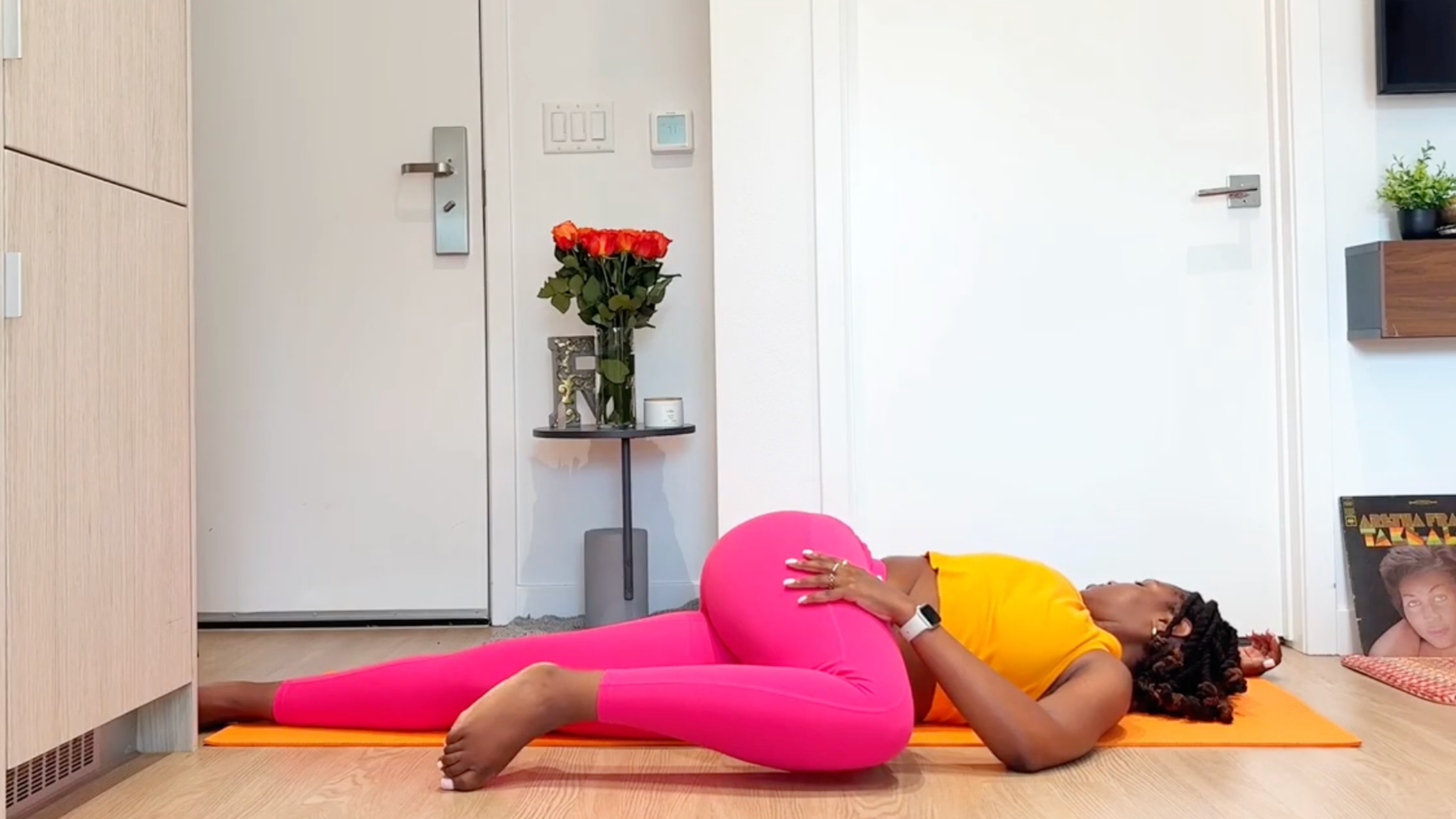
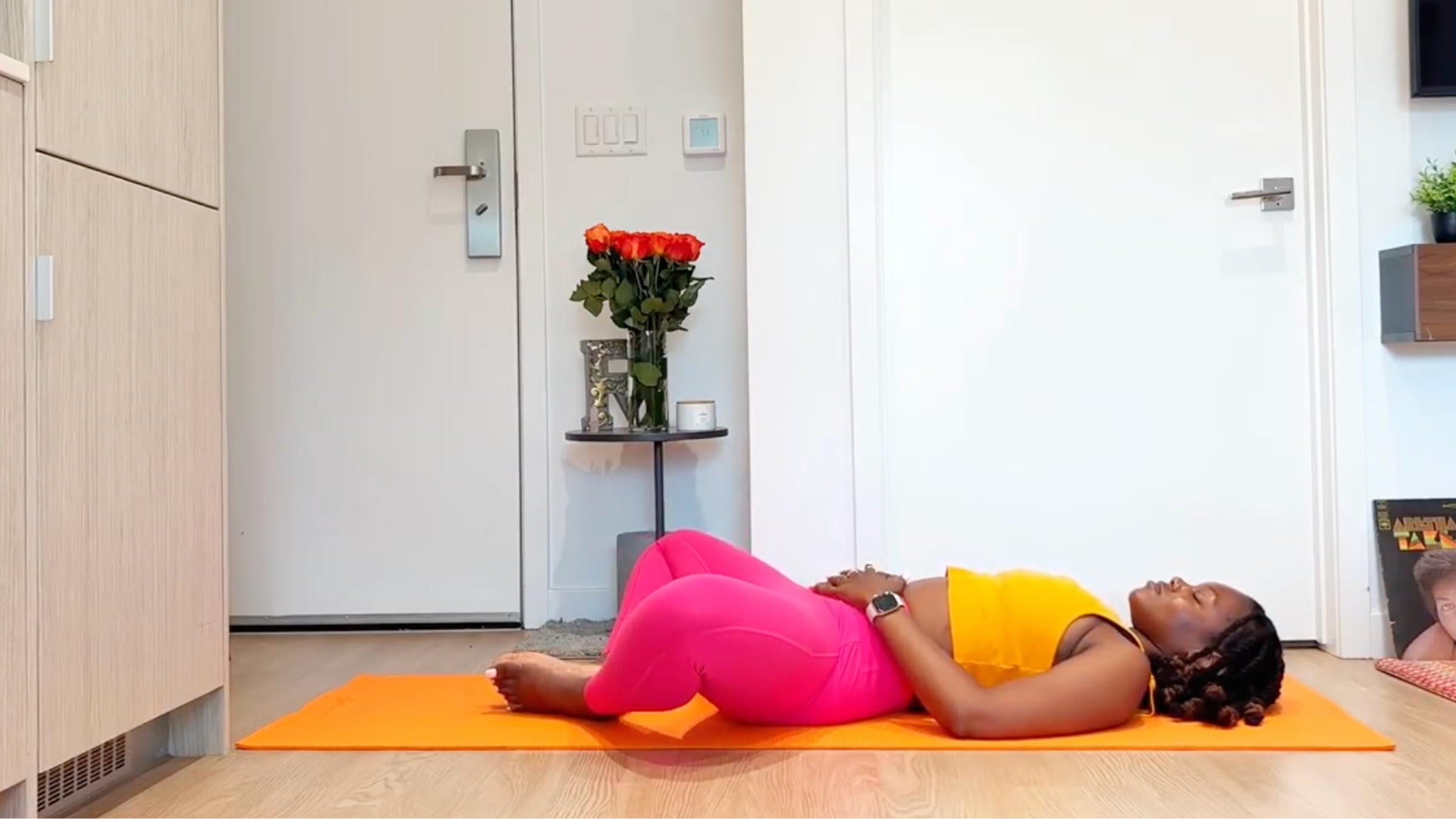
- Reclined Bound Angle Pose: By placing the soles of the feet together and allowing the knees to fall outward, you initiate a passive stretch for the inner thighs and groins. This sets the tone for a parasympathetic nervous system response.
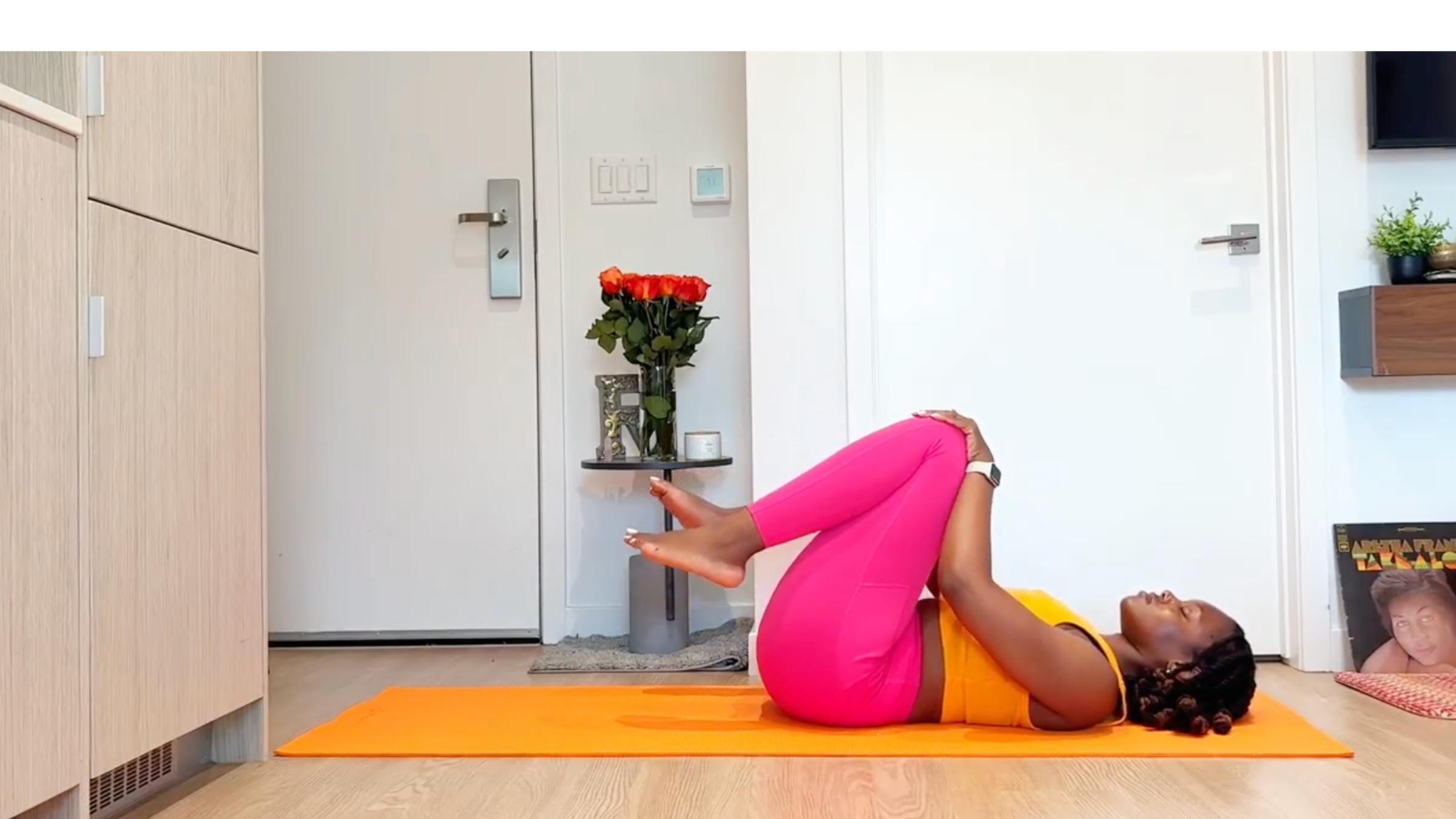
- Knee Circles: Drawing the knees toward the chest and rotating them gently lubricates the hip joints, encouraging synovial fluid to circulate.
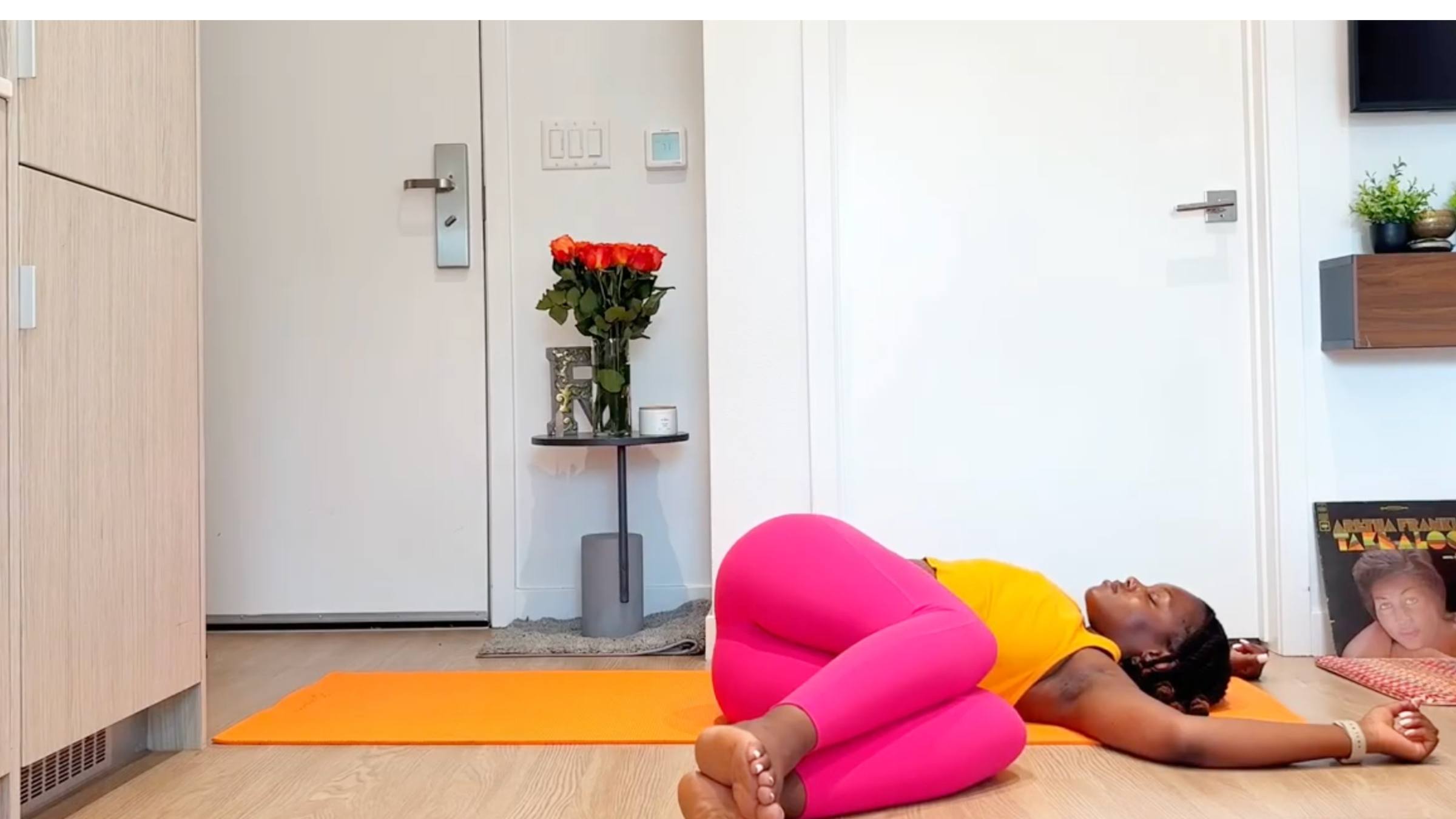
- Supine Spinal Twist: This movement releases the obliques and lower back, creating the necessary lateral mobility to support the deeper hip stretches that follow.
Phase 2: Targeted Lengthening
With the joints warmed, we move into the hamstrings and the gluteal complex.
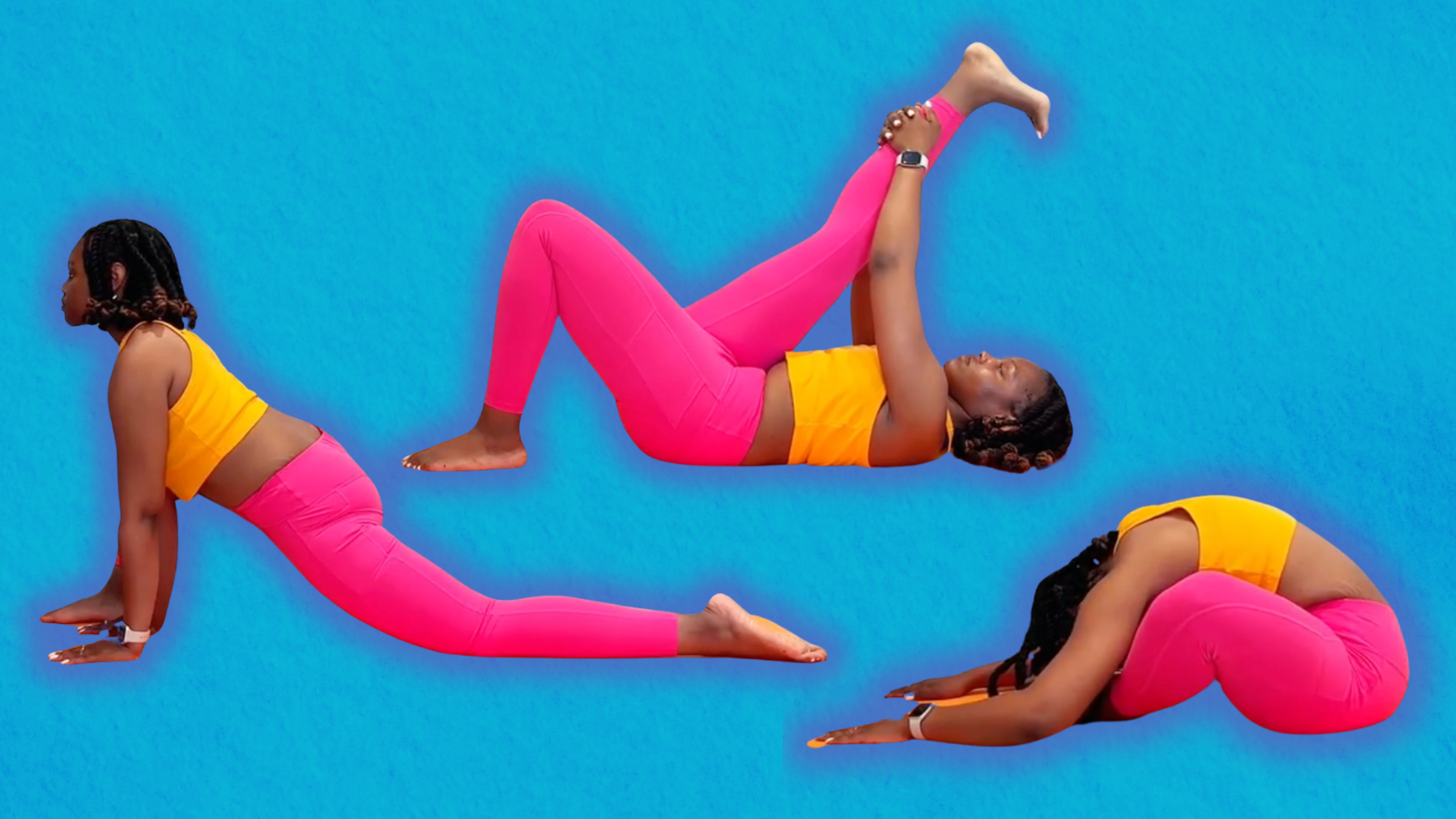
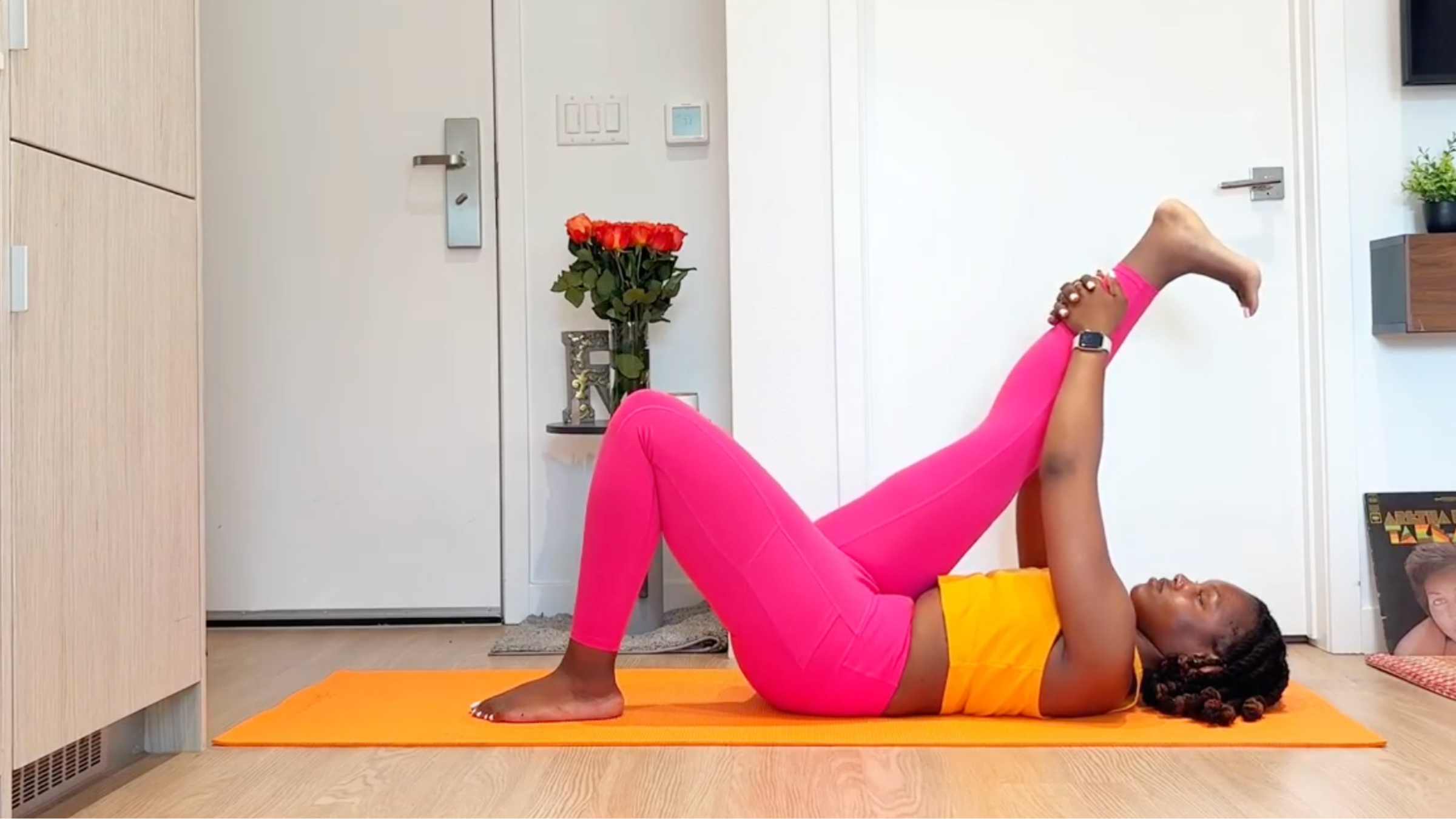
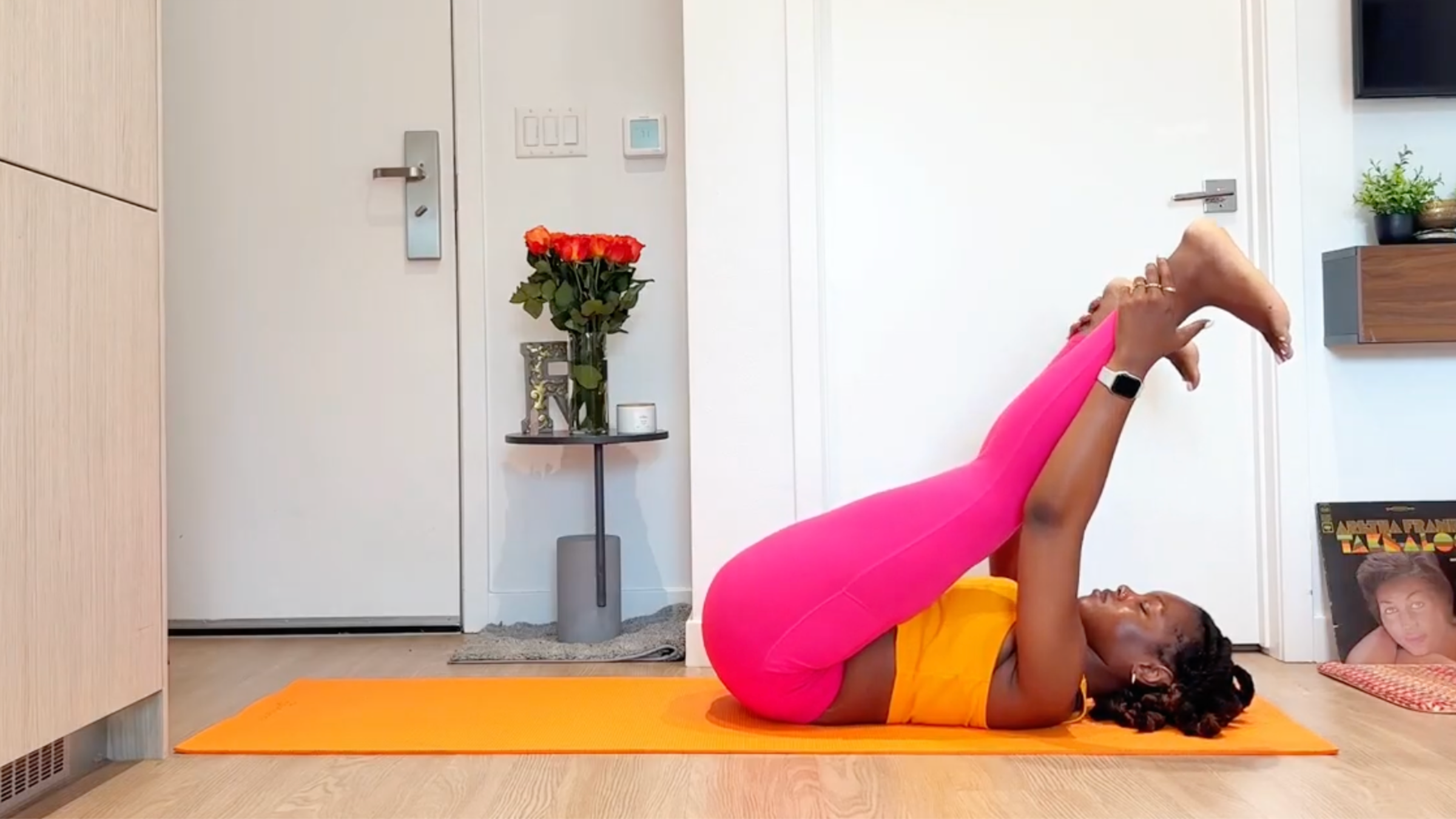
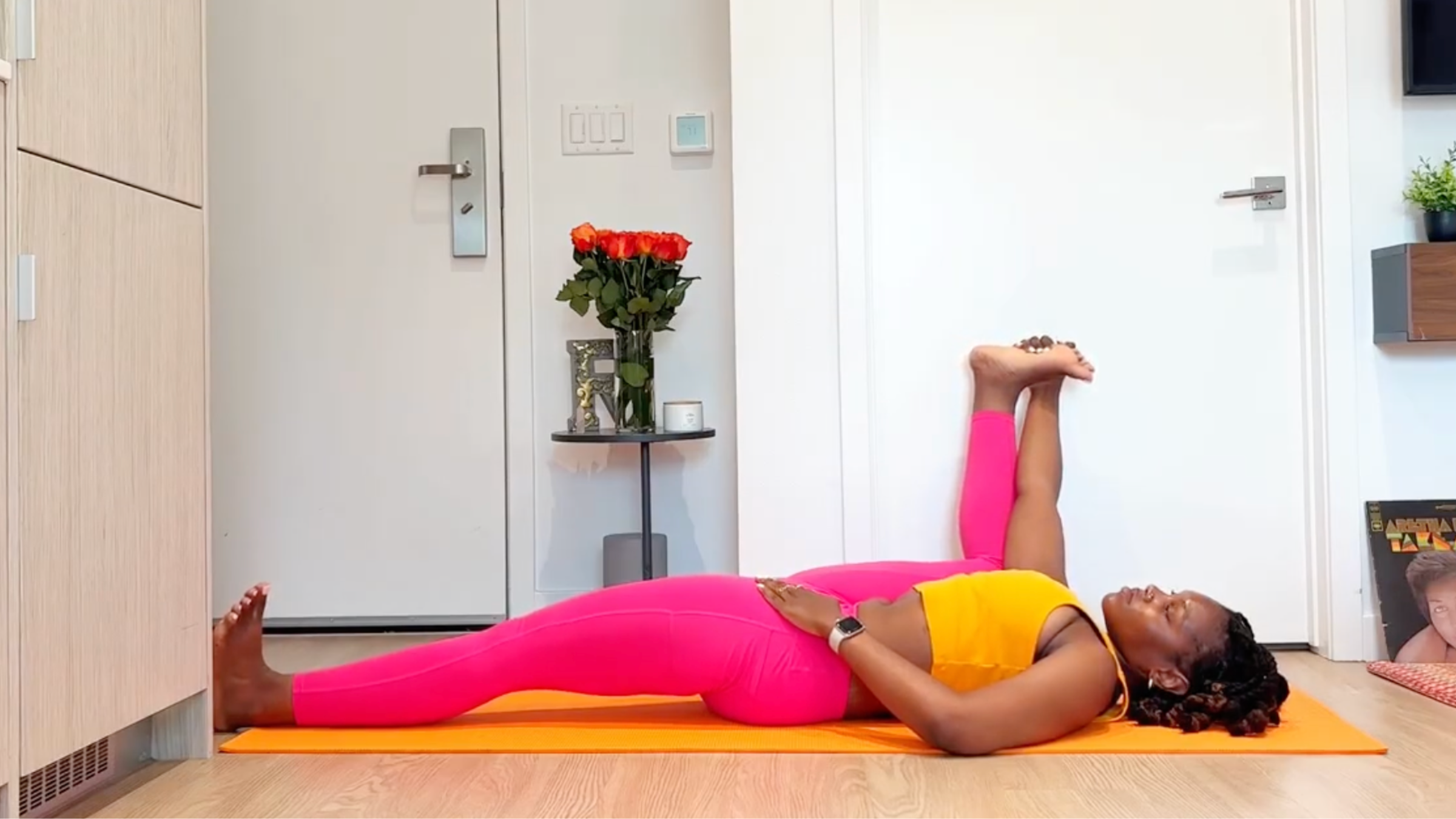
- Hamstring Stretch: Using a strap or your hands, you isolate the posterior chain. Keeping the knee slightly bent is crucial; it ensures the stretch is felt in the belly of the muscle rather than at the delicate attachment point behind the knee.
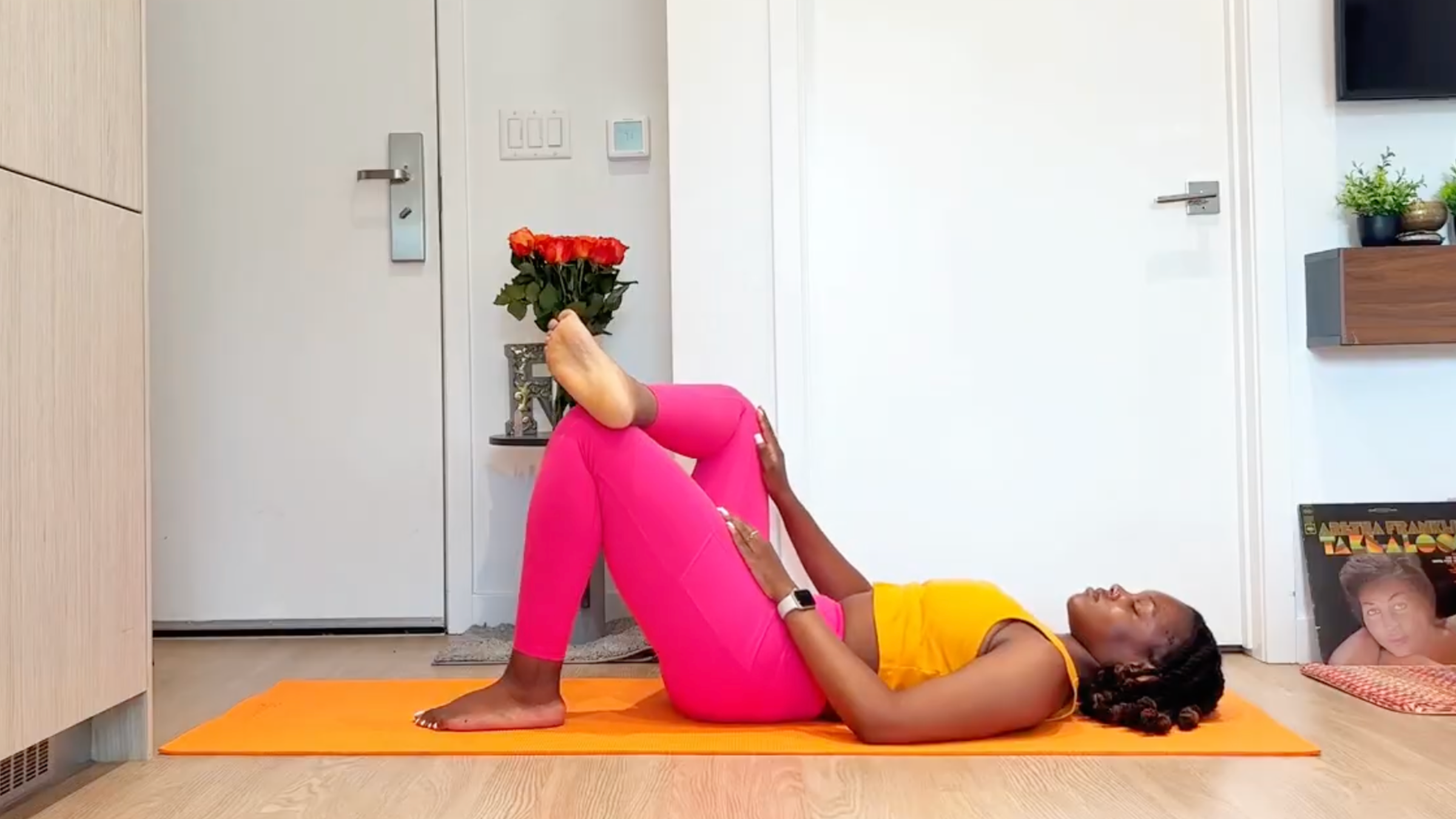
- Figure 4: This is arguably the most effective pose for releasing the piriformis and outer hip rotators, which are common culprits in sciatica-like pain.
- Knee to Chest & Supine Twist (Repeated): Integrating these poses into a flow ensures that the hip joint is "reset" after each deep stretch, preventing over-compensation.
Phase 3: Deep Release and Symmetry
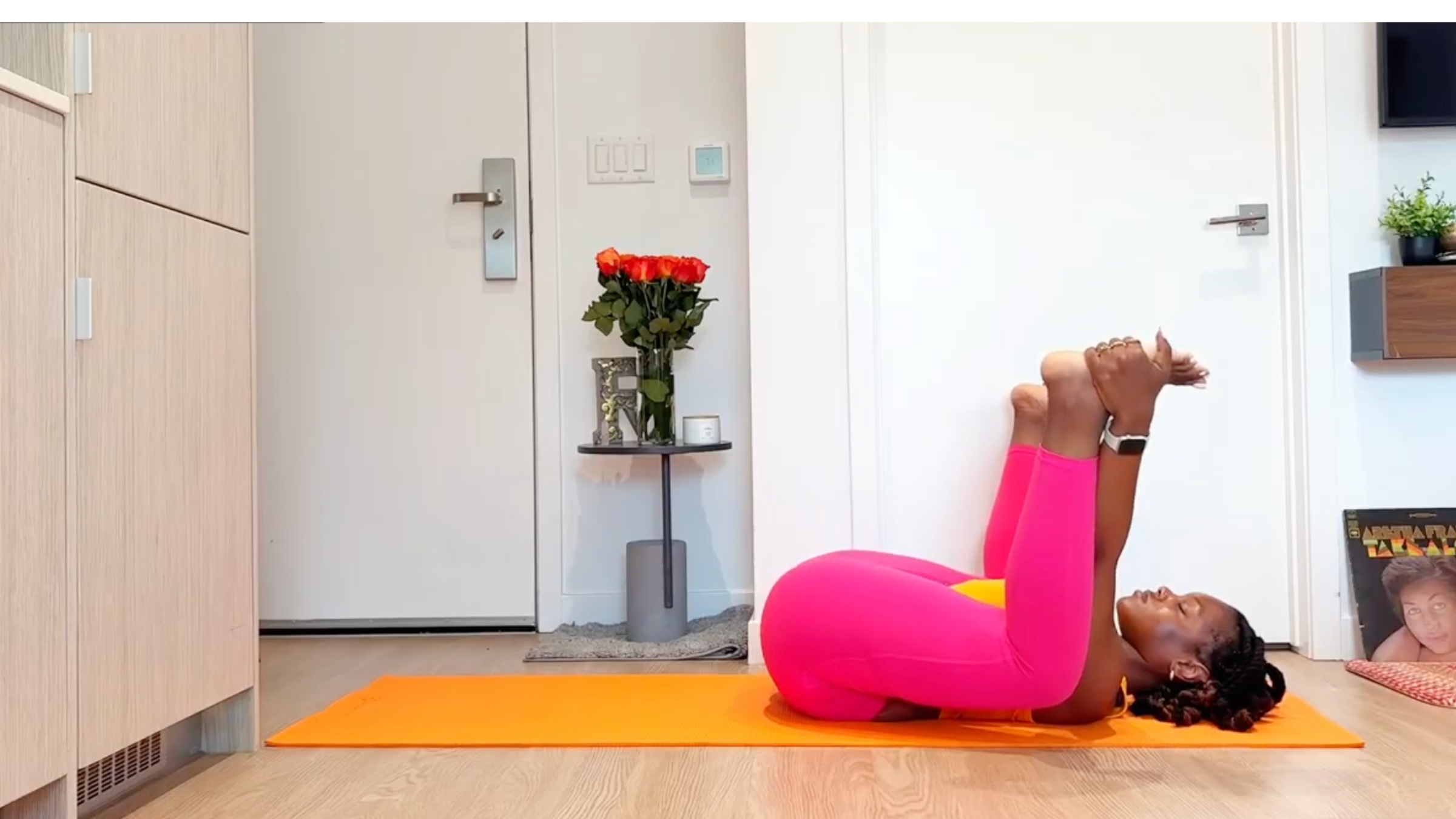
- Happy Baby: This pose targets the deep pelvic floor and inner hips. By keeping the lower back anchored, you ensure the stretch remains concentrated in the target area.
- Reclining Forward Bend: This serves as a secondary, deeper hamstring stretch that utilizes the weight of the legs to create a controlled, sustainable lengthening.
- Half Happy Baby: By isolating one leg at a time, you can address the inherent imbalances between your dominant and non-dominant sides.
Phase 4: Seated and Lunge-Based Integration
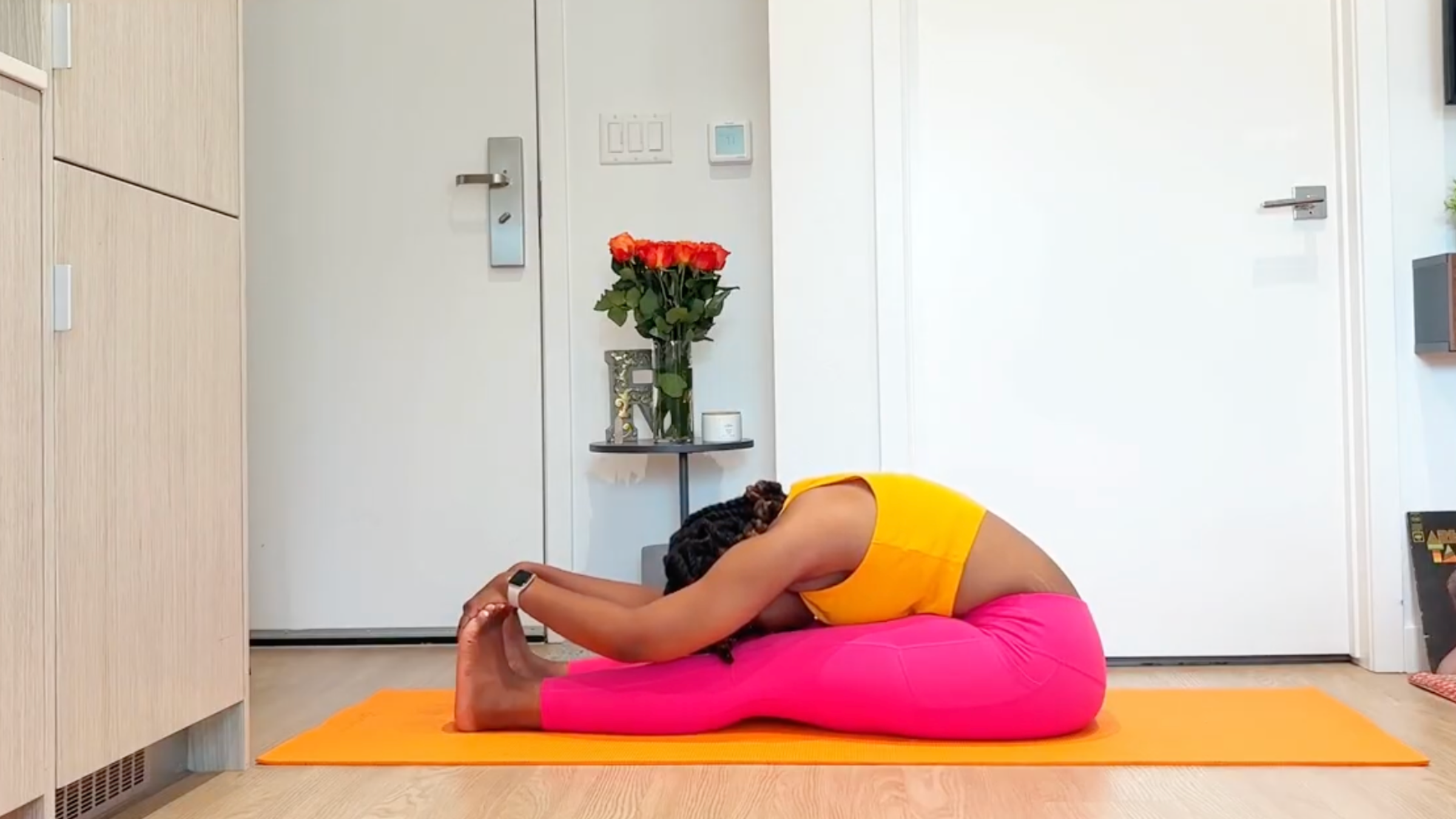
- Seated Forward Bend: This challenges the entire posterior chain from the heels to the base of the skull. Hinging from the hips rather than rounding the spine is the key to protecting the lower back.
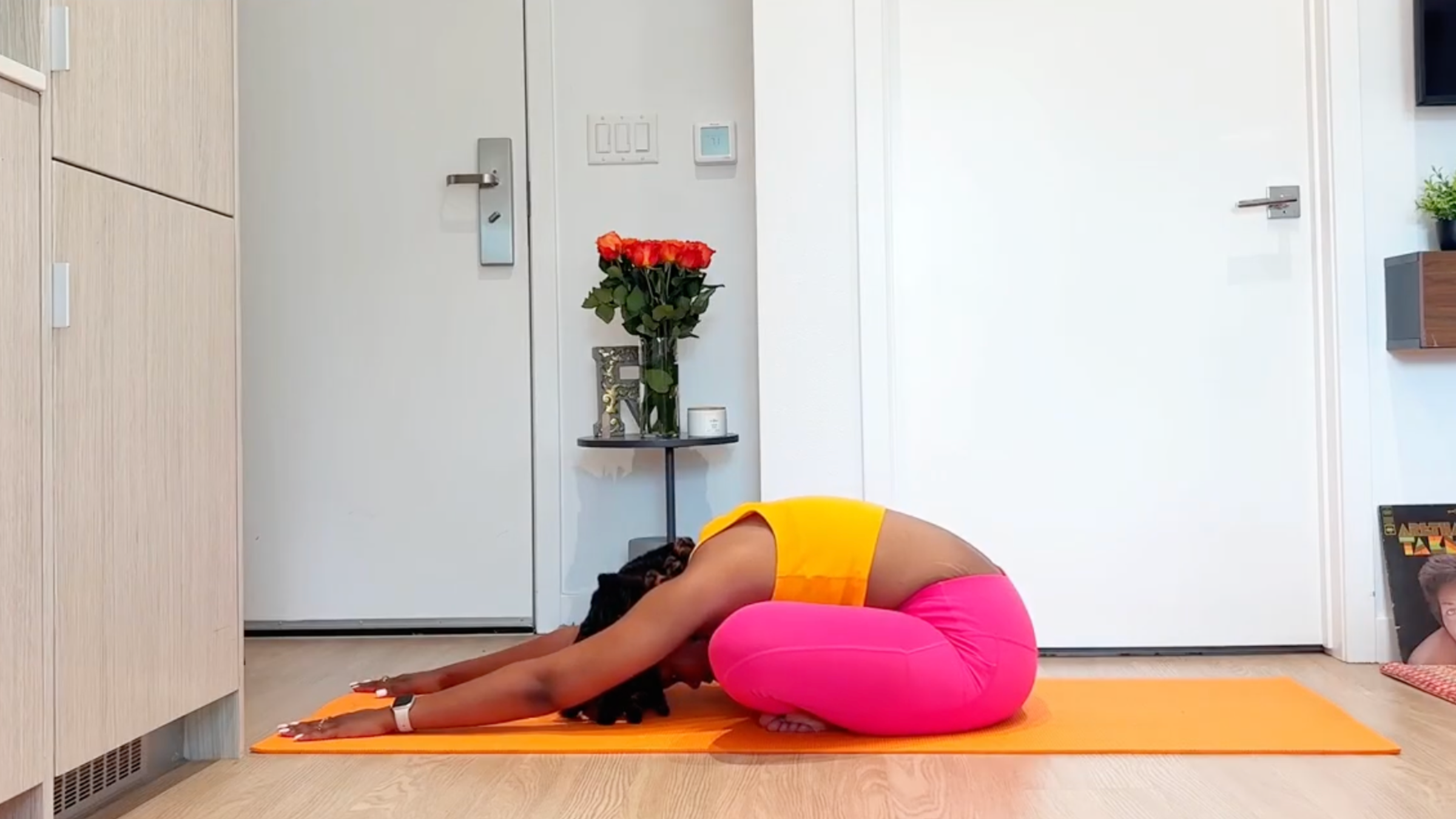
- Cross-Legged Forward Fold: This allows for a gentle release of the deep rotators while the upper body rests.
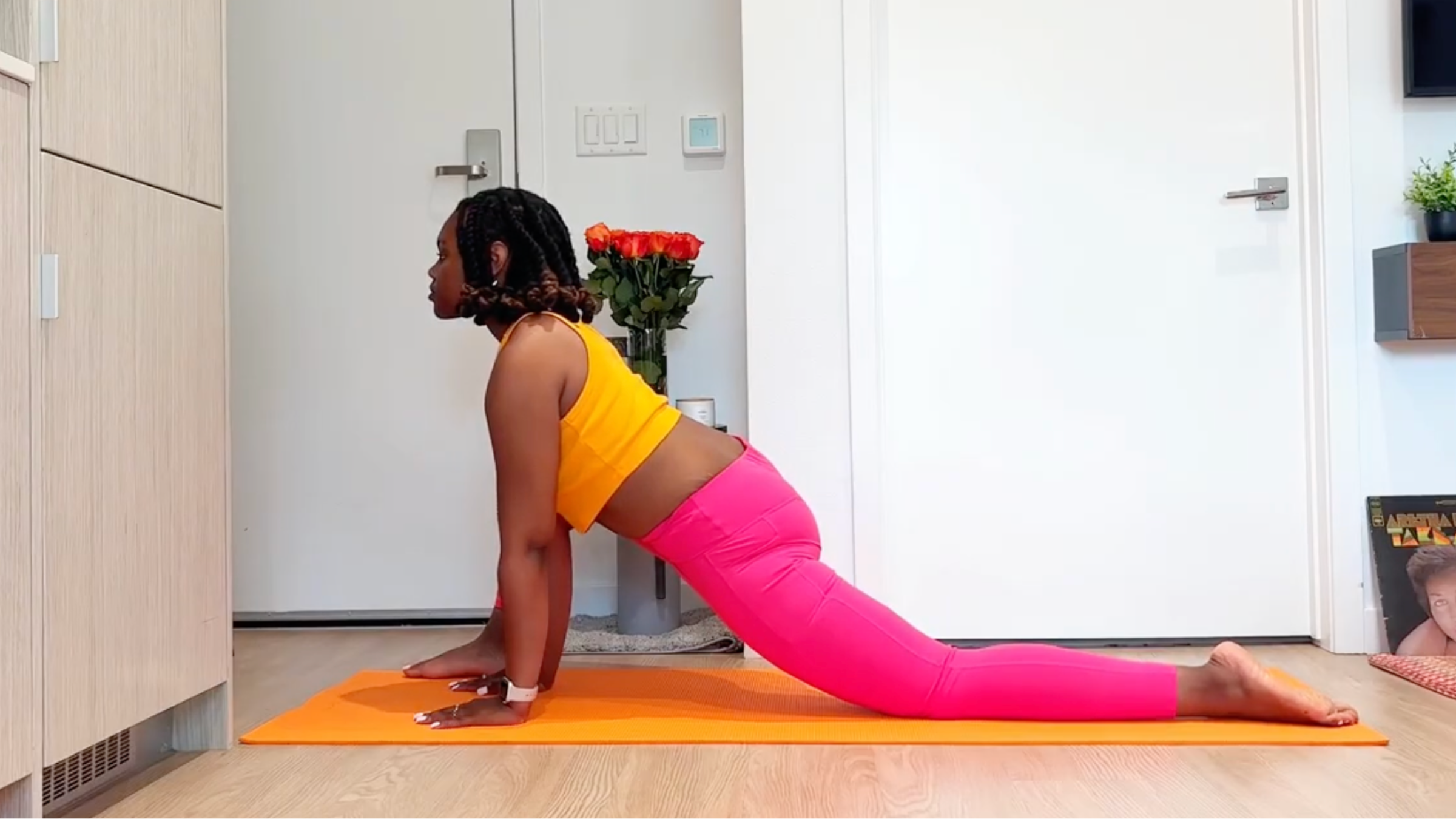
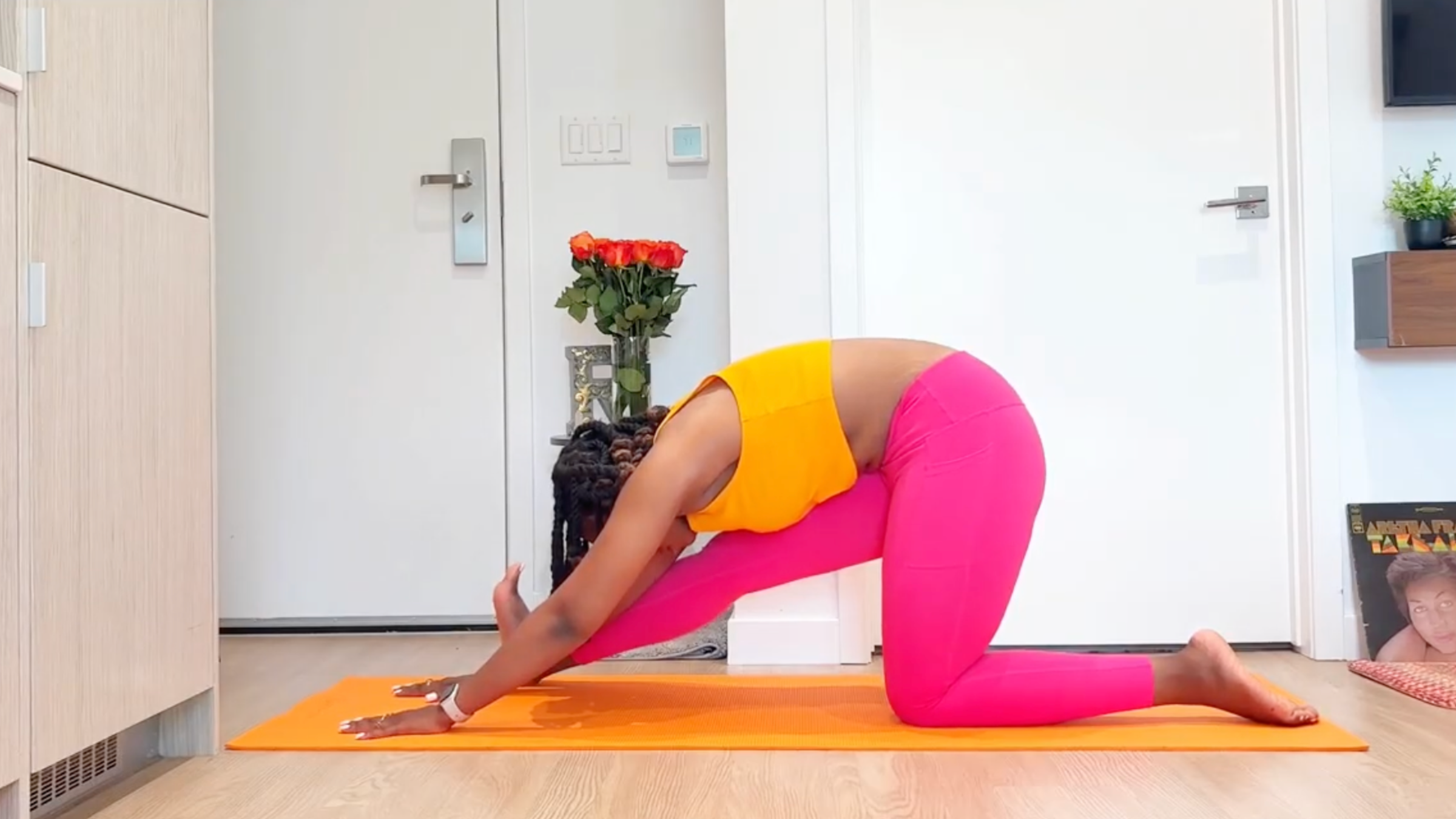
- Lizard Pose: This is the first major active-stretch for the hip flexors. By stepping the foot wide, you create space for the pelvis to sink toward the earth.
- Half Splits: This dynamic transition between Lizard and Half Splits builds mobility while strengthening the muscles that support the knee.
- Pigeon Pose: The gold standard for external hip rotation. It allows for a profound release of the deep gluteal muscles.
Phase 5: Closing the Practice
- Downward-Facing Dog: A full-body integration that aligns the hamstrings with the shoulders and spine.
- Standing Forward Bend: A final opportunity to let the weight of the head decompress the vertebrae.
- Squat (Malasana): This pose restores natural human squatting patterns, opening the ankles and hips simultaneously.
- Bound Angle Pose (Seated): The closing, meditative posture that signals the end of the session, allowing the body to integrate the work performed.
Supporting Data: The Impact of Consistent Mobility Work
Clinical observations and sports science data suggest that individuals who engage in daily, low-intensity stretching see significant improvements in their "Functional Movement Screen" (FMS) scores within just four weeks. According to a 2025 study on sedentary workers, a 20-minute daily hip-mobility routine reduced reported episodes of lower back pain by 34% over a six-month period.
The data indicates that the "stiffness" reported by office workers is rarely due to a loss of muscle fiber length, but rather a loss of neurological range of motion—the brain’s perceived safety limit for a muscle’s length. Consistent, gentle exposure to these end-range positions effectively recalibrates the nervous system’s "safety thermostat."
Professional Insights: Expert Perspectives
Physical therapists and yoga educators emphasize that the "20-minute threshold" is vital. "Consistency beats intensity every single time," notes Dr. Elena Vance, a specialist in musculoskeletal health. "When you practice for shorter durations but with higher frequency, you avoid the inflammatory response that comes from aggressive, long-duration stretching. You are teaching your nervous system to be comfortable in new ranges, which is a much more permanent solution than trying to force a change in tissue length."
Furthermore, experts warn against the "weekend warrior" syndrome, where individuals remain immobile for five days and attempt to "fix" their bodies with a two-hour yoga session on Saturday. This often leads to overstretched ligaments and increased joint instability. The 18-step protocol outlined above is specifically calibrated to avoid this by using a blend of dynamic and static movements.
Implications for Long-Term Health
The implications of adopting this routine go far beyond the immediate feeling of relief. Long-term hip and hamstring health is a primary indicator of longevity. As we age, the ability to squat, lunge, and maintain a neutral pelvis dictates our independence. By maintaining these joints, you are investing in your future ability to move through the world without the fear of injury or the limitations of chronic pain.
When you prioritize the health of your hips and hamstrings, you are effectively "unplugging" the compensatory patterns that cause neck, shoulder, and knee pain. Your body is a kinetic chain; by fixing the middle links—the hips and the back of the thighs—the rest of the chain naturally realigns.
Start today. You do not need to be a yoga practitioner to see these benefits. You simply need to be a person who is tired of feeling restricted. By moving with intention and respect for your body’s current boundaries, you can transition from a state of stiffness to one of fluid, supported strength.