





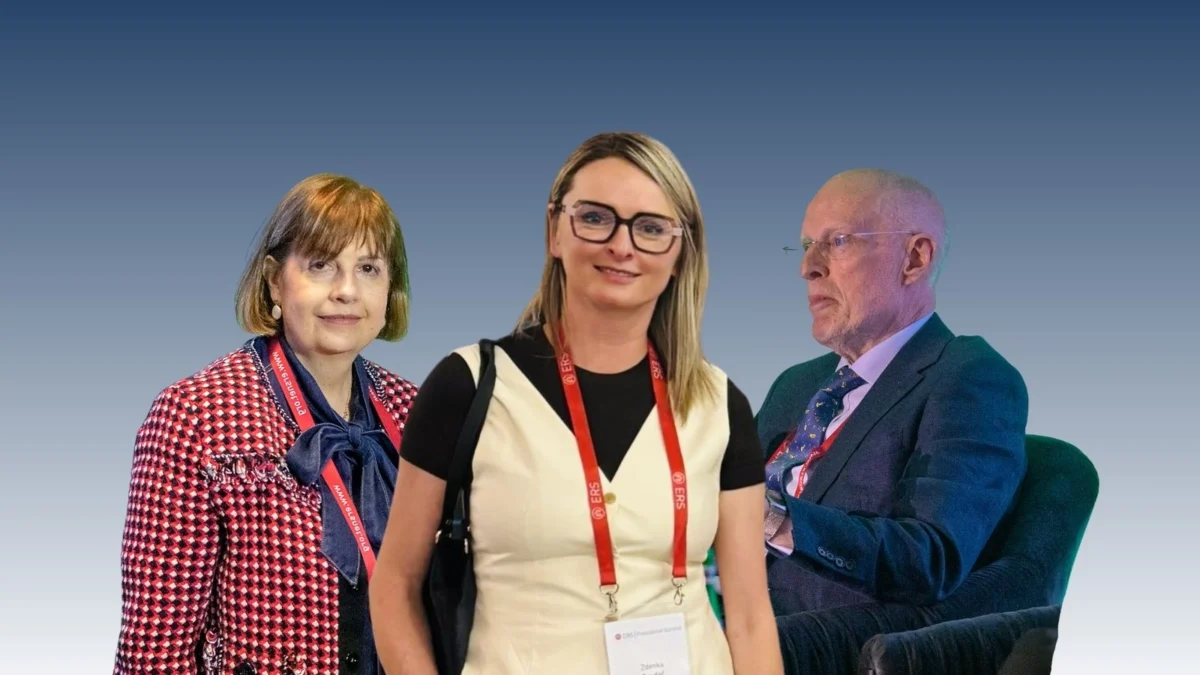
The landscape of respiratory medicine is undergoing a profound paradigm shift. No longer are patients merely the recipients of clinical care; they are becoming architects of the systems designed to treat them. This evolution was on full display at the recent European Respiratory Society (ERS) Presidential Summit in Warsaw, where a diverse assembly of clinicians, researchers, policymakers, and patient advocates converged to redefine the future of lung health.
The Summit served as a landmark event, proving that the integration of "lived experience" into high-level scientific discourse is not merely a courtesy—it is a clinical and systemic necessity.
Main Facts: A Convergence of Voices
The ERS Presidential Summit brought together leaders from across the European medical community. The core objective was to harmonize scientific innovation with real-world patient needs. Central to this mission was the active participation of the European Lung Foundation (ELF), which ensured that patient representatives—individuals living with chronic conditions ranging from pulmonary hypertension and asthma to the long-term effects of tuberculosis—were embedded into every session.
The summit focused on critical pillars: early detection, the impact of air quality, tobacco control, climate change, and the ethical integration of Artificial Intelligence (AI) in respiratory care. By centering the dialogue around the patient experience, the summit sought to move beyond the ivory tower of academia and into the pragmatic reality of hospital wards and patient homes.
Chronology of Engagement
The summit was structured as a collaborative journey rather than a series of static presentations.
- Day 1: The Foundation of Early Detection. Discussions focused on the "lost opportunities" in healthcare—specifically, the failure to include respiratory health in routine check-ups. Patient representatives like Phil Taverner emphasized that skipping these screenings is a "false economy," as the cost of treating advanced disease far outweighs the investment in early identification.
- Day 2: Technology and the Human Element. The spotlight turned to innovation. Experts debated the role of AI in diagnosis and treatment. Crucially, patients provided a sobering reminder: technology must act as a scaffold for the clinician-patient relationship, not a replacement for the essential human connection.
- Day 3: Global Implementation and Advocacy. The final sessions explored how local successes, such as Croatia’s robust lung cancer screening program, can be scaled across Europe. The summit concluded with a commitment to a unified strategy for the "Healthy Lungs for Life" campaign, with upcoming events scheduled for major cities, including Sofia, Bulgaria.
Supporting Data and Patient Insights
The effectiveness of the summit was measured not just in academic output, but in the qualitative data provided by the patient representatives themselves.
The Bulgarian Perspective: Natalia Maeva
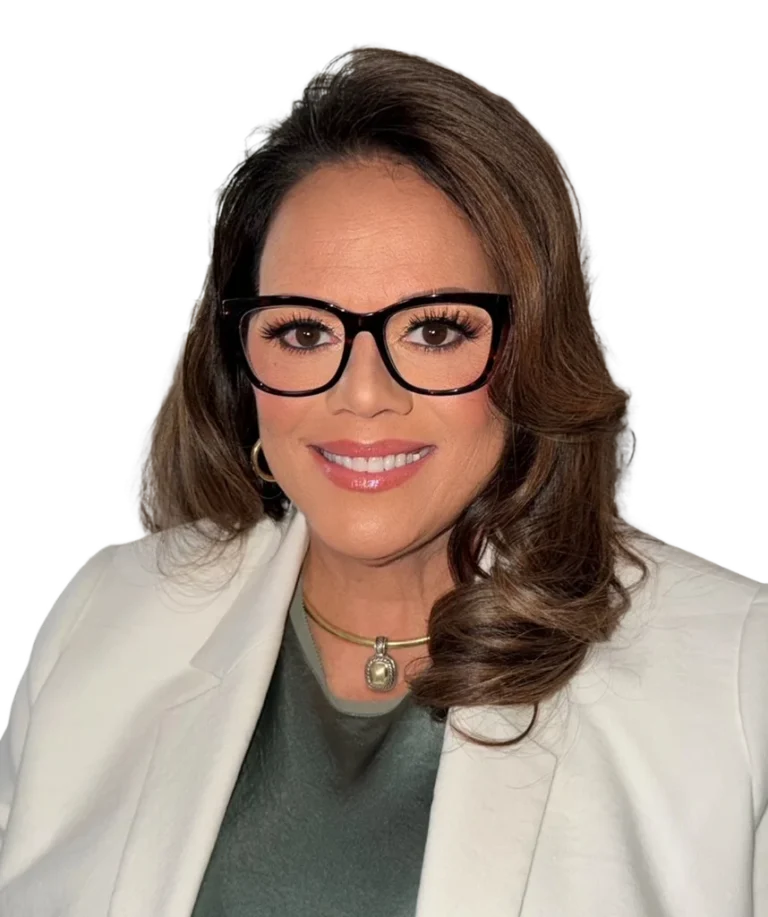
Natalia Maeva, a lung transplant recipient and Chair of the Bulgarian Society of Patients with Pulmonary Hypertension (BSPPH), highlighted that her life was saved by access to specialized care. Her testimony underscored a vital statistic: early detection is the single most significant factor in changing the trajectory of respiratory disease. Maeva’s work on the ELF United Patient Advisory Group (UPAG) serves as a bridge, ensuring that the findings discussed in Warsaw reach grassroots organizations across Eastern Europe.
The Advocacy Experience: Phil Taverner
Phil Taverner, the incoming ELF Chair for 2026–2029, brought decades of experience living with asthma and bronchiectasis to the table. His contribution focused on the regulatory bottlenecks that often delay life-saving treatments. His perspective provided a necessary counter-weight to purely clinical timelines, reminding delegates that for a patient, "time is a luxury they often do not have."
A Unified Front
Alongside Maeva and Taverner, a team of dedicated advocates—including Helen Parks, Dimitris Kontopidis, and Stefan Radut—worked to ensure that the patient voice was not a side note, but a central theme. Their presence helped refine the summit’s conclusions, ensuring that recommendations were not only scientifically sound but also actionable and patient-centric.
Official Responses and Collaborative Strategy
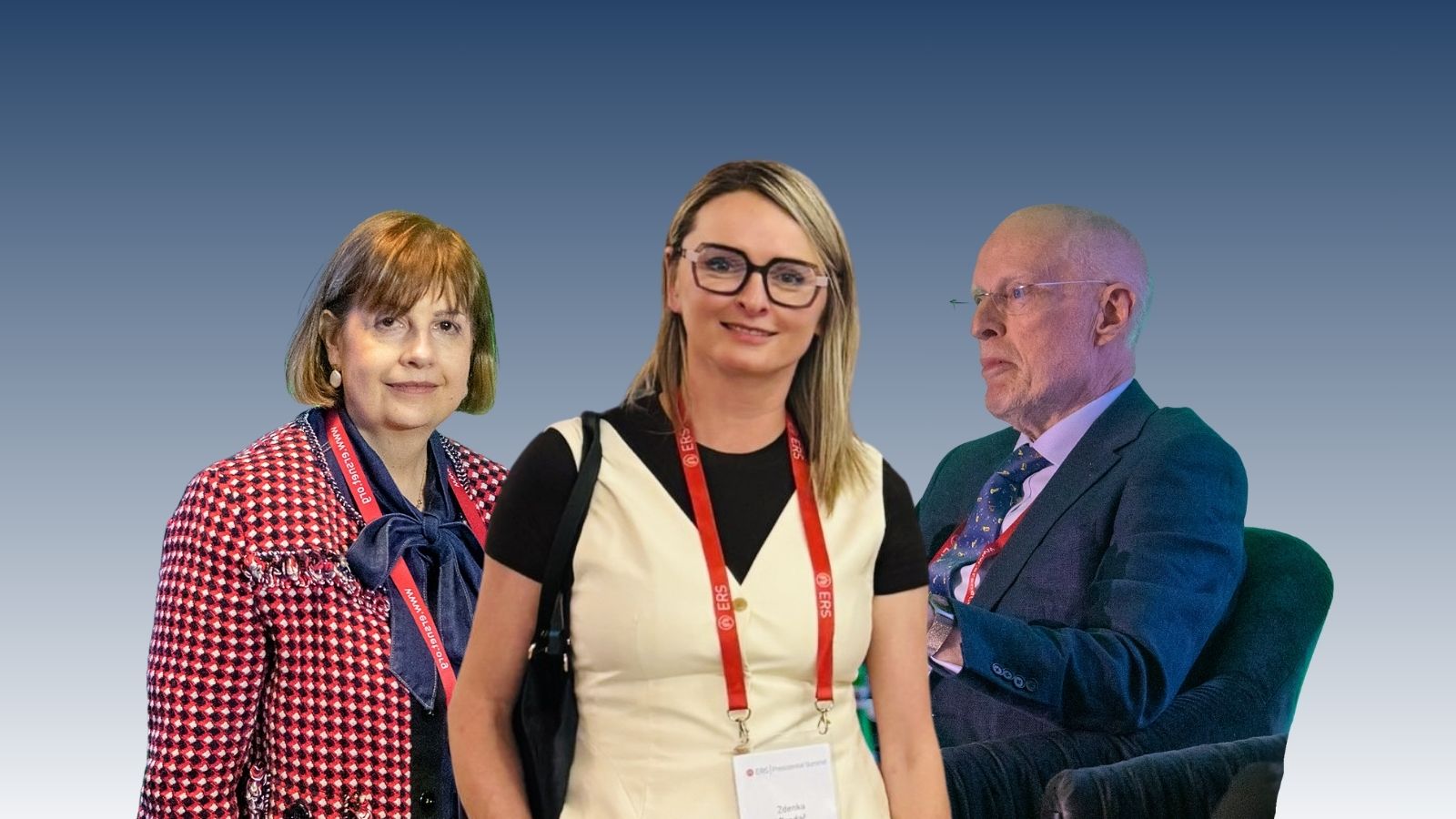
The ERS leadership, including President Prof. Joanna Chorostowska-Wynimko, signaled a definitive move toward a model of "co-production." During the summit, the presence of figures like Bulgarian MP Dr. Alexander Simidchiev highlighted the political dimension of the event. The message from the podium was clear: respiratory health is a public health emergency that requires a cross-sectoral response.
The official consensus reached during the summit was that patient-professional partnership is no longer an aspiration—it is the standard. Researchers admitted that patients provide a "unique expertise that no textbook can provide," specifically regarding the day-to-day management of chronic symptoms and the socio-economic burden of lung conditions.
Implications: Building a Resilient Future
The implications of the Warsaw summit are wide-reaching. For the European healthcare landscape, the primary takeaway is that the "silo" approach to respiratory medicine is obsolete.
1. Integrating Lived Experience into Policy
By formalizing the role of the Patient Advisory Group (PAG), the ERS is ensuring that future clinical guidelines will be audited by those who live with the diseases. This will lead to more realistic care plans, better adherence to treatment, and higher patient satisfaction.
2. The AI Frontier
The discussions regarding Artificial Intelligence have set a precedent for future technological rollouts. The summit concluded that AI should be used to automate administrative burdens—thereby freeing up more time for face-to-face patient interaction—rather than acting as a diagnostic filter that removes the human element from clinical decision-making.
3. Scaling Success
The recognition of national screening programs (like that of Croatia) provides a roadmap for other EU member states. The summit demonstrated that innovation is not always about expensive new drugs; often, it is about organizational efficiency and political will to implement screening programs that reach the most vulnerable populations.
Moving Forward: How to Get Involved
The summit served as a call to action for the wider patient community. The European Lung Foundation continues to advocate for the inclusion of patients in every stage of research and policy development.
- Join a Patient Advisory Group (PAG): The ELF is actively recruiting individuals with personal experience of lung conditions to join their working groups. These groups serve as the primary conduit between the patient community and the European respiratory scientific community.
- The European Patient Ambassador Programme (EPAP): For those looking to sharpen their advocacy skills, the EPAP provides a free, self-learning curriculum. It is designed to empower patients and caregivers with the knowledge needed to navigate the complex regulatory and clinical environments of the EU.
- Stay Informed: As the "Healthy Lungs for Life" campaign expands into cities like Sofia, the ELF is encouraging the public to engage with their local health initiatives. By signing up for the ELF mailing list, individuals can ensure they are part of the growing movement to prioritize respiratory health at the national and European levels.
The Warsaw Summit was more than a meeting of experts; it was a testament to the resilience of the patient voice. As the ERS and ELF move into the 2026–2029 term, the legacy of this event will be defined by one core principle: nothing about us, without us. Through this partnership, the future of lung health looks not only brighter but significantly more human.