







Date: 28 July, 2026
In a milestone event for respiratory medicine, the European Respiratory Society (ERS) successfully hosted its inaugural ERS Cough Conference in London, United Kingdom. The event, which bridged the gap between clinical practice, scientific research, and patient advocacy, served as a global clarion call to reclassify chronic cough not merely as a symptom, but as a distinct, debilitating disease.
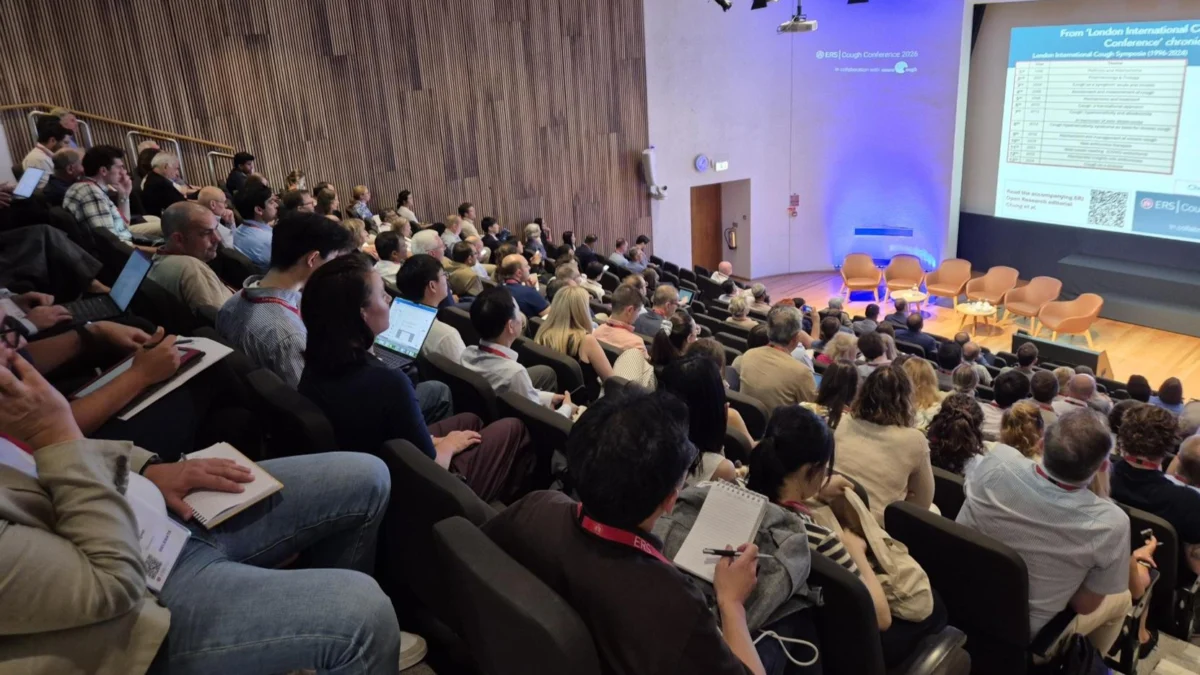
The hybrid event, which took place in London while simultaneously streaming to a global audience, attracted over 350 delegates from 59 countries. From the clinical corridors of Bangladesh to the research laboratories of Australia, New Zealand, and beyond, the conference underscored a universal recognition: the management of chronic cough is undergoing a profound paradigm shift.
The Core Mandate: Redefining Chronic Cough
At the heart of the conference lay a singular, bold objective: to tell the world that chronic cough is a disease. For decades, clinicians have often treated cough as a secondary byproduct of other conditions, such as asthma or gastroesophageal reflux. However, the 2026 ERS conference sought to dismantle this reductive view.
Conference Chair Prof. Fan Chung articulated this vision during the opening sessions, noting that "Chronic cough is ‘coming of age’." By elevating the condition to the status of a disease, the medical community is moving toward a more nuanced understanding of cough hypersensitivity syndrome and the complex pathophysiological mechanisms that drive chronic, unexplained coughing. This shift is not merely academic; it is a vital step toward securing better diagnostic tools, targeted therapeutic interventions, and increased recognition from health insurance providers and regulatory bodies.
A Global Gathering: The Chronology of Success
The inaugural ERS Cough Conference was designed to mirror the intimate, collaborative spirit of the historic London International Cough Symposium (LICS), which was first established in 1992 by the late Prof. John Widdicombe. While maintaining this "close-knit" feel, the ERS successfully expanded the reach of the event to a truly international scale.
The Itinerary of Innovation
The conference schedule was meticulously curated to facilitate a high-density exchange of information:
- Day 1: The Scientific Foundation: The event opened with deep dives into the pathophysiological mechanisms of chronic cough. Sessions focused on the afferent neural pathways, the role of sensory receptors in the airway, and the burgeoning field of neuro-immunology as it pertains to cough.
- Day 2: Clinical Management and Interdisciplinary Collaboration: The second day shifted the focus to the clinic. Experts reviewed the management of chronic hypersensitive cough, discussing the transition from traditional suppressants to novel, targeted pharmacological therapies.
- Day 3: The Patient Voice and Future Outlook: The final segments were dedicated to the "lived experience." By inviting patients to sit alongside clinicians, the ERS created a unique environment where the success of a treatment was measured not just by a reduction in cough frequency, but by improvements in the patient’s quality of life.
Throughout the event, the "In partnership with industry" sessions provided a rare opportunity for academic scientists and clinical triallists to engage directly with pharmaceutical developers. This dialogue is essential to ensuring that the next generation of cough therapies—currently in various stages of clinical trials—are aligned with the actual needs of patients.
Supporting Data: By the Numbers
The success of the ERS Cough Conference can be quantified through its reach and the depth of its scientific output.
- Attendance: 350+ total delegates (200+ on-site in London, 150+ joining virtually).
- Geographic Reach: Representatives from 59 countries, including significant contingents from India, China, Australia, and New Zealand.
- Research Output: A record number of abstract submissions were received, highlighting the surge in interest among young researchers and seasoned clinicians alike.
- Engagement: The poster sessions, a hallmark of scientific exchange, were described as "alive with scientific discussion," with nearly all participants noting the high caliber of research presented.
For those who were unable to attend the live sessions, the ERS has made the content available on the ERS Respiratory Channel for the next three months. Following this period, the materials will be archived for ERS members, ensuring that the insights shared in London continue to inform practice globally.
Official Responses: Voices from the Podium
The leadership of the ERS expressed profound satisfaction with the outcomes of the conference, viewing it as a triumphant continuation of the LICS legacy.
Prof. Fan Chung, reflecting on the event’s conclusion, highlighted the historic integration of patient advocacy: "The contribution of two patient representatives, Ruth Last and Andrew Lothian, was a first for such an event and was exceptional. It meant that patient perspectives and outcomes were often the focus of discussions. All sessions were well attended, and the discussion sessions were extremely interactive."
Prof. Omar Usmani, ERS Science Council Chair and Conference Co-Chair, emphasized the importance of the conference’s structure: "We wanted to expand on the event’s reach and incorporate more scientific insights from around the world, while retaining its intimate, close-knit and engaging feel. It’s safe to say that it achieved that and more."
Both leaders confirmed that the momentum generated in London will carry forward, with plans already in motion for the next iteration of the conference in 2028.
The Patient Perspective: A New Standard for Medical Conferences
Perhaps the most significant development at this year’s conference was the central role played by patient representatives Ruth Last and Andrew Lothian. By integrating their personal experiences into the scientific dialogue, the conference challenged the traditional hierarchy of medical education.
In sessions centered on "lived experience," delegates heard firsthand about the psychological toll, social isolation, and professional limitations that come with a chronic cough. This input was instrumental in steering the discourse toward patient-centric outcomes. When clinicians and researchers are forced to confront the human reality of a disease, the trajectory of clinical trial design often pivots to focus on meaningful symptom relief rather than just surrogate markers of progress.
Implications: The Road Ahead for Chronic Cough Management
The implications of the 2026 ERS Cough Conference are far-reaching. By formally labeling chronic cough as a "disease," the society has laid the groundwork for a systematic overhaul of how this condition is handled in healthcare systems worldwide.
1. Clinical Practice Guidelines
The insights gained from the discussions on pathophysiological mechanisms are expected to inform future clinical guidelines. As we better understand the difference between healthy and hypersensitive cough, the move toward personalized medicine—where treatments are selected based on the specific endotype of the patient’s cough—becomes a tangible reality.
2. Pharmaceutical R&D
The presence of industry partners and the focus on "In partnership with industry" sessions suggest a collaborative future for drug development. With the rise of P2X3 antagonists and other novel therapeutic classes, the industry is clearly responding to the scientific demand for targeted treatment. The ERS conference acted as a barometer for this progress, showing that the medical community is ready to adopt these innovations as soon as they pass regulatory hurdles.
3. Global Standardization
With 59 countries represented, the conference has set the stage for a global consensus. By aligning the diagnostic and management strategies across borders, the ERS is helping to ensure that a patient in London, a patient in Dhaka, and a patient in Sydney receive a similar standard of care.
4. Sustained Professional Development
The availability of replay content via the ERS Respiratory Channel ensures that the knowledge transfer initiated in London will have a long-term impact. For the thousands of respiratory professionals who could not attend, these recordings serve as a vital repository of the latest evidence-based practices.
Conclusion: A Legacy Reaffirmed
The inaugural ERS Cough Conference has successfully redefined the landscape of respiratory medicine. By shifting the narrative from "cough as a symptom" to "chronic cough as a disease," the society has validated the suffering of millions of patients worldwide and empowered clinicians with a new framework for treatment.
As the scientific community looks toward 2028, the "buzz" created in London serves as a testament to the fact that chronic cough is no longer a neglected area of medicine. It is a vibrant, evolving field that is finally receiving the focused, multidisciplinary attention it deserves.
For those looking to remain at the forefront of this movement, the ERS continues to offer resources, networking opportunities, and membership benefits that support the ongoing work of respiratory professionals. As Prof. Usmani noted, the success of this event has set a high bar, but the collaboration fostered in London ensures that the journey of discovery is only just beginning.