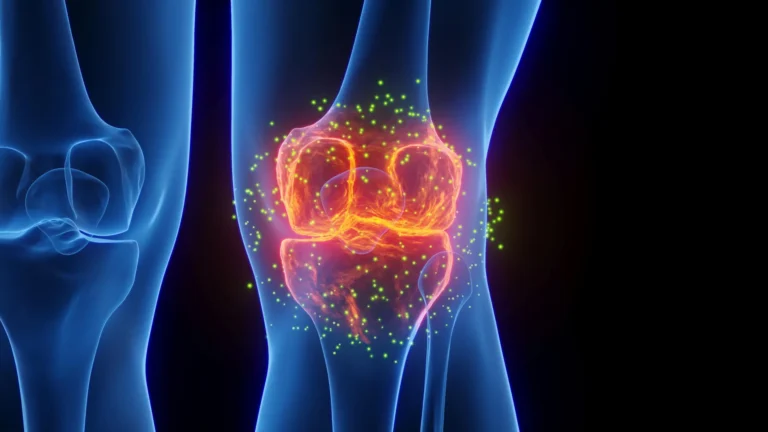







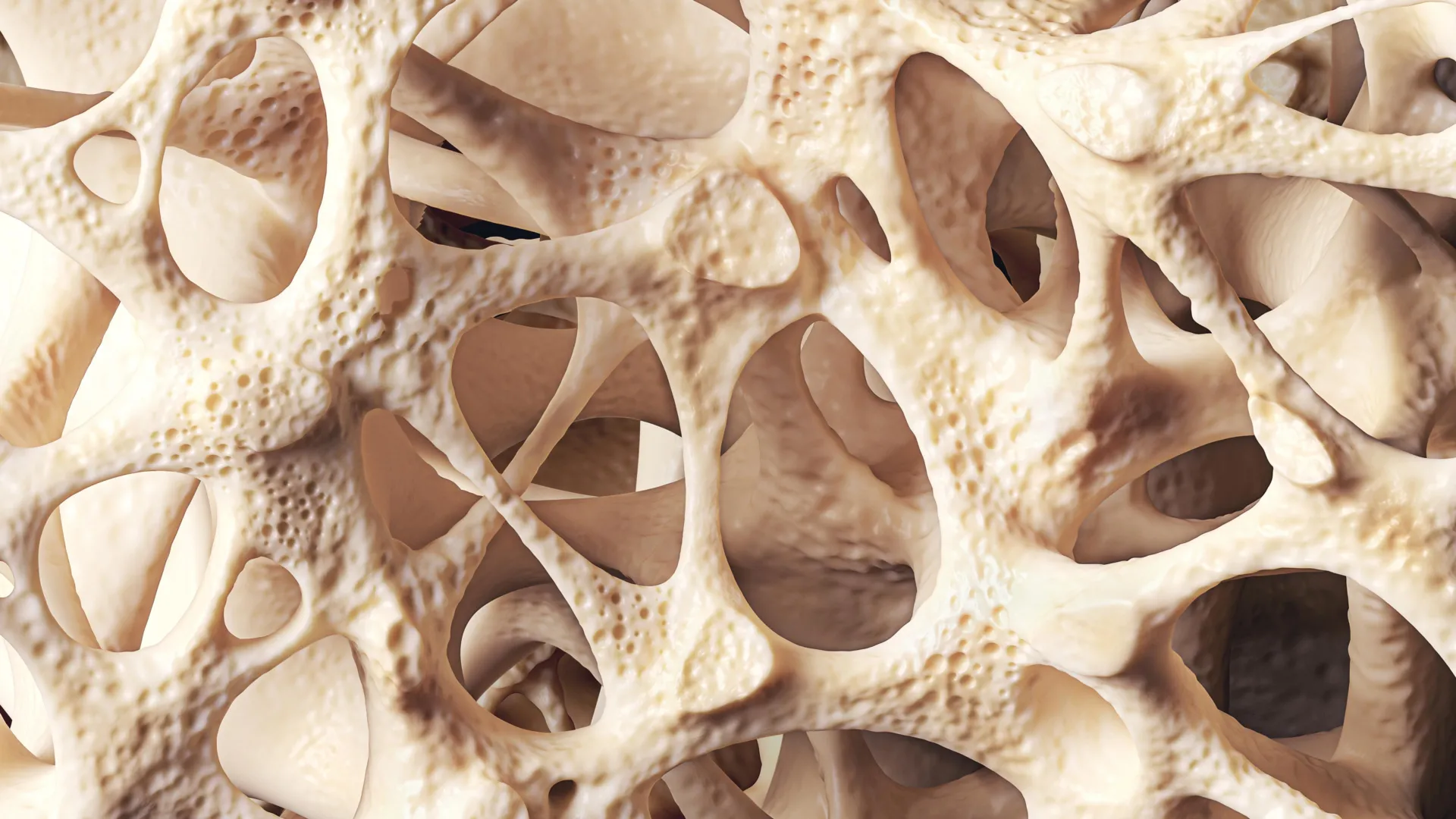
Around 40% of adults worldwide are grappling with a silent, often invisible threat to their long-term health: osteopenia. Characterized by a decrease in bone mineral density (BMD) that falls below the threshold of normal but has not yet reached the severity of osteoporosis, this condition is a pervasive, under-recognized public health crisis. As global life expectancy increases, the cumulative impact of bone loss is placing an unprecedented strain on healthcare systems, necessitating a shift from reactive treatment to proactive, lifelong skeletal management.
Understanding the Skeleton: The Biology of Renewal
To comprehend the significance of osteopenia, one must first understand that bone is not a static scaffold. It is a dynamic, living tissue undergoing continuous renewal through a process known as bone remodeling. In this intricate biological cycle, specialized cells break down old or damaged bone tissue—a process called resorption—while other cells simultaneously deposit new mineralized matrix to replace it.
During our formative years and early adulthood, this process is characterized by a state of equilibrium. Bone formation effectively keeps pace with resorption, allowing individuals to reach "peak bone mass" by their mid-20s to early-30s. This peak serves as the "bone bank account" for the rest of our lives. Once this zenith is passed, the biological tide turns. Gradual bone loss begins to exceed bone formation, leading to a slow but steady decline in density. When this decline crosses a specific threshold, the skeleton becomes structurally compromised, transitioning from a state of health to the clinical diagnosis of osteopenia, and eventually, if left unchecked, to osteoporosis.
The Chronology of Bone Health
The trajectory of bone health is rarely uniform, as it is dictated by a confluence of biological and environmental factors across the human lifespan.
The Developmental Phase (Childhood to Age 30)
The foundation of skeletal integrity is built in the first three decades of life. Adequate calcium and vitamin D intake during childhood and adolescence, combined with weight-bearing exercise, are critical for maximizing peak bone mass. Studies indicate that those who reach a higher peak bone mass are better buffered against the inevitable declines that accompany aging.
The Transitional Phase (Middle Age)
As individuals enter their 40s and 50s, the rate of bone remodeling begins to shift. For women, this period is often marked by the onset of menopause. The significant decline in estrogen—a hormone that serves as a protective shield for bone tissue by inhibiting the cells responsible for resorption—accelerates bone breakdown. It is estimated that one in two women over the age of 50 will experience a fragility fracture in their lifetime, a sobering statistic that highlights the link between hormonal shifts and skeletal health.
The Management Phase (Post-50 and Beyond)
In the later stages of life, the emphasis shifts toward preservation. Because osteopenia develops silently, many remain unaware of their condition until a sudden, painful fracture occurs. At this stage, the clinical focus moves from prevention to mitigation, utilizing diagnostic scans and targeted interventions to stabilize bone density and prevent further deterioration.
Supporting Data: The Scope of the Crisis
The scale of the osteopenia problem is staggering. With approximately 40% of the global adult population affected, the burden on healthcare infrastructure is immense. In the United Kingdom alone, over 500,000 fractures occur annually as a direct consequence of low bone density.
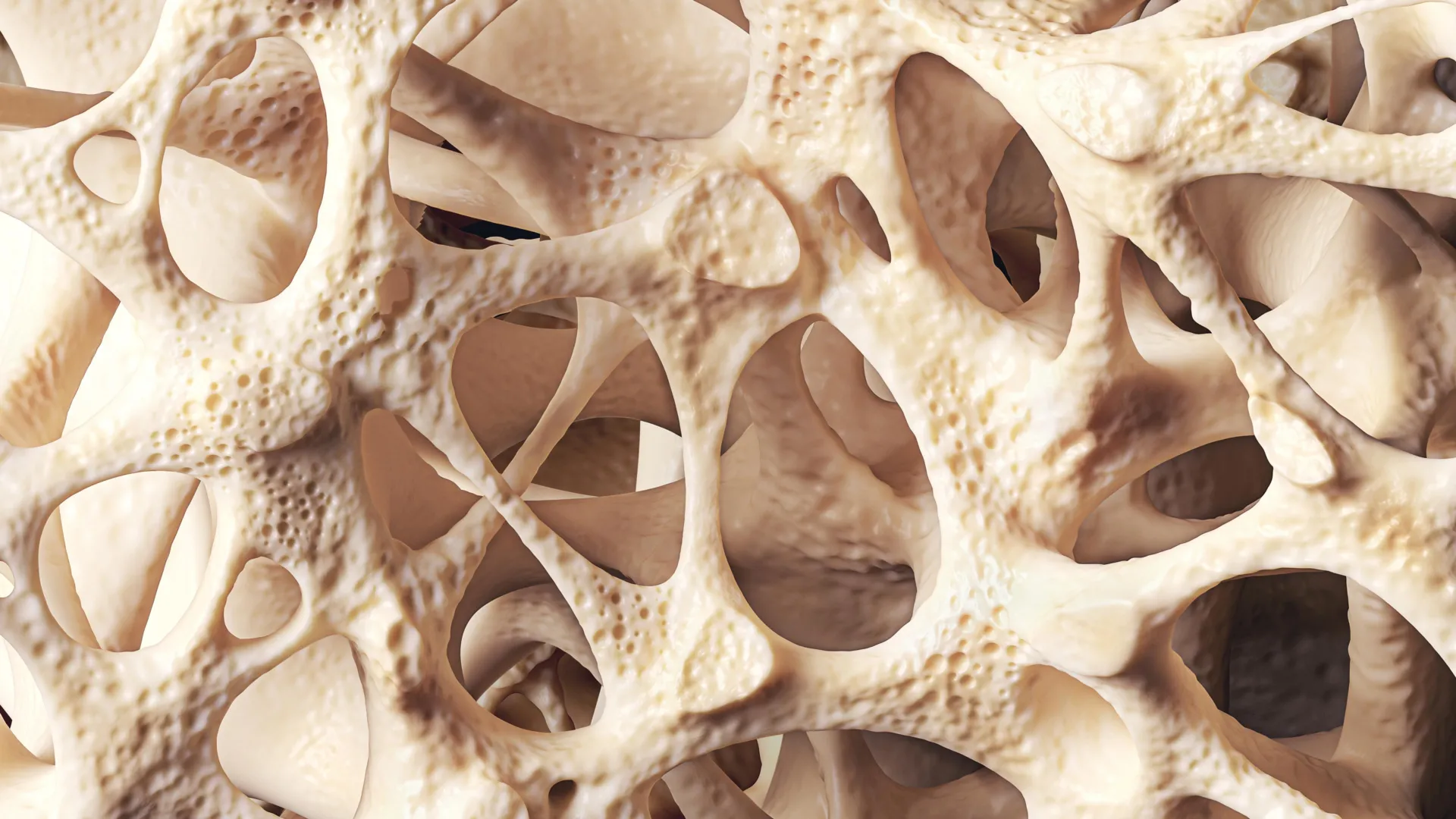
The diagnosis of osteopenia is typically established through a dual-energy X-ray absorptiometry (DXA) scan. This low-dose X-ray technology calculates a "T-score," which compares an individual’s bone density to that of a healthy young adult. The World Health Organization defines the diagnostic criteria as follows:
- Normal: T-score of -1.0 or higher.
- Osteopenia: T-score between -1.0 and -2.5.
- Osteoporosis: T-score of -2.5 or lower.
While the medical community focuses heavily on the -2.5 threshold of osteoporosis, the data suggests that a large proportion of fractures actually occur in the osteopenia category simply because there are far more people in that group than in the advanced osteoporosis category. This makes the "middle ground" of osteopenia a primary driver of fracture-related disability.
Modifiable Risks: Lifestyle and Environment
While aging is an immutable risk factor, a significant portion of bone loss is driven by modifiable lifestyle choices. The modern environment presents several challenges to skeletal health:
- Nutritional Deficiencies: Calcium is the primary building block of bone, yet many diets fail to meet recommended levels. Vitamin D is equally vital, acting as the essential key that allows the body to absorb calcium. In many northern climates, including the UK, vitamin D deficiency is rampant, necessitating supplementation.
- Toxic Exposures: Smoking and excessive alcohol consumption are known to interfere with the bone remodeling process. Smoking, in particular, is linked to lower bone density and delayed fracture healing.
- Physical Inactivity: Bones thrive under load. Sedentary lifestyles remove the mechanical stress necessary to stimulate bone formation.
- Secondary Conditions: Beyond lifestyle, certain medical conditions—such as Crohn’s disease or coeliac disease—can impair nutrient absorption, while the long-term use of corticosteroids is well-documented to weaken bone structure.
Official Clinical Perspectives and Management Strategies
The medical consensus on managing osteopenia has evolved from a "watch and wait" approach to a more aggressive, preventative strategy. Clinicians now use advanced fracture risk assessment tools (such as FRAX) to calculate a patient’s ten-year probability of experiencing a fracture. This assessment takes into account a holistic view of the patient, including age, family history, medication use, and bone density scores.
Exercise as Medicine
The prescription of exercise is now a cornerstone of osteopenia management. Weight-bearing activities—such as brisk walking, jogging, and dancing—force the skeleton to work against gravity, stimulating the bone-forming cells. Resistance training is equally effective, as it builds the muscle mass that provides both structural support and protective cushioning for the bones. Furthermore, exercises like Tai Chi have been highlighted for their ability to improve balance and coordination, which directly reduces the incidence of falls—the primary trigger for fractures in the elderly.
Nutritional and Pharmacological Interventions
When lifestyle adjustments are insufficient, clinicians may turn to pharmacological options. Antiresorptive drugs, which work by slowing the rate at which bone is broken down, are the most common intervention. While these are frequently associated with osteoporosis, there is growing evidence that high-risk patients with osteopenia can also benefit from these treatments, preventing the condition from ever reaching the osteoporosis stage.
Implications: The Long-Term View
The narrative surrounding osteopenia must change. It should not be dismissed as a mild or inevitable consequence of aging. Instead, it must be viewed as a critical window of opportunity.
The progression from healthy bone to osteopenia, and eventually to osteoporosis, is not a predestined path. Evidence suggests that early detection, coupled with a lifelong commitment to skeletal health, can arrest and sometimes even reverse bone density loss. Because bone health is the cumulative result of our entire lifespan—our childhood nutrition, our young-adult activity levels, and our mid-life health habits—prevention is inherently a long-term endeavor.
Public health initiatives must prioritize bone health education, emphasizing that the strength of our skeleton is not just about avoiding fractures in our 80s, but about building a robust foundation in our 20s. By fostering a culture of preventative testing and prioritizing the modifiable factors of nutrition and movement, society can mitigate the impact of this silent epidemic, ensuring that the global aging population can maintain mobility, independence, and quality of life. The prevention of osteopenia is, ultimately, an investment in the structural integrity of our future.