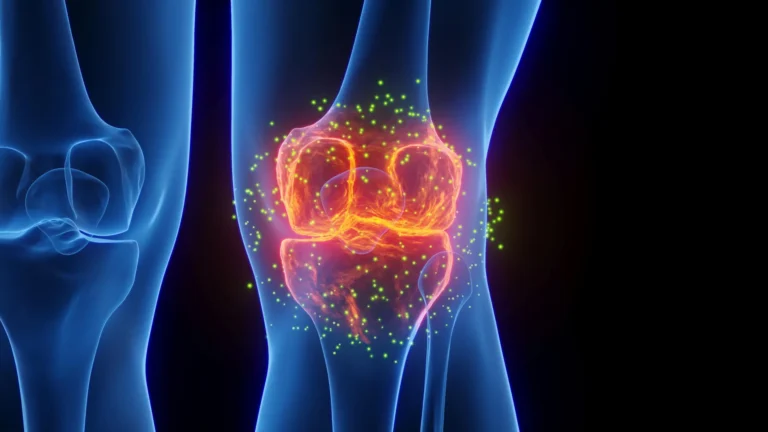












The modern workplace is undergoing a radical physiological transformation. For decades, the quintessential image of corporate productivity—the ergonomic chair, the dual-monitor setup, and the eight-hour stretch of desk-bound focus—has been the gold standard. However, a growing body of scientific research and a shifting cultural paradigm are challenging the sustainability of this model. Organizations globally are now aggressively experimenting with workplace wellness initiatives designed to shatter the "sedentary trap," integrating movement into the very fabric of the workday.
From the adoption of walking meetings to the implementation of active workstations and mandatory movement breaks, the corporate landscape is moving away from the binary of "work" versus "exercise." Instead, the new goal is "kinetic integration": the seamless infusion of physical activity into professional responsibilities.
Main Facts: The End of the "Sitting Disease"
The impetus behind this trend is a sobering reality often referred to by health experts as "sitting disease." Prolonged sedentary behavior is no longer viewed merely as a lack of activity, but as a distinct physiological risk factor linked to cardiovascular disease, metabolic syndrome, and musculoskeletal disorders.
The core objective of modern wellness initiatives is to mitigate these risks by breaking the cycle of immobility. Organizations are now shifting their focus toward:
- Active Workstations: The deployment of standing desks, under-desk treadmills, and pedal exercisers that allow employees to maintain low-intensity activity while performing cognitive tasks.
- Walking Meetings: A practice where one-on-one or small-group strategy sessions are conducted while walking outdoors or around the office, shifting the focus from static screens to dynamic conversation.
- Movement "Micro-breaks": Structured intervals—often prompted by software—that encourage employees to perform short bursts of stretching or movement every 60 to 90 minutes.
This shift is not merely about physical health; it is a strategic effort to boost employee engagement and cognitive performance. By encouraging movement, companies report higher levels of mental clarity, reduced burnout, and improved creative output among their staff.
Chronology: The Evolution of Workplace Movement
To understand how we reached this point, one must examine the evolution of the office environment over the last century.
1950s–1980s: The Era of Static Efficiency
During the post-war economic boom, the corporate office was designed for maximum clerical efficiency. The "Typist Pool" and the "Executive Suite" were defined by static postures. Ergonomics was limited to back support, with little consideration for the biological necessity of movement.
1990s–2000s: The Technological Tether
The digital revolution anchored employees to their desks. The rise of email, the internet, and sophisticated software meant that the average worker no longer needed to leave their desk to communicate, file documents, or conduct research. This period marked the peak of prolonged sedentary behavior.
2010–2019: The Ergonomic Awakening
As studies on the risks of prolonged sitting (the "sitting is the new smoking" narrative) gained traction, companies began experimenting with standing desks. Initially dismissed as a fad, the trend gained legitimacy as health insurance providers began incentivizing wellness programs.
2020–Present: The Hybrid Reset
The COVID-19 pandemic acted as a catalyst for a total re-evaluation of the workplace. Remote work brought new challenges—such as the "Zoom fatigue" associated with rigid, camera-facing postures. As companies transitioned to hybrid models, they began institutionalizing movement initiatives, recognizing that employee well-being is intrinsically tied to the flexibility of the work environment.
Supporting Data: The Case for Motion
The argument for integrating movement into the workday is backed by rigorous empirical data. According to a study published in the Journal of the American College of Cardiology, individuals who sit for more than eight hours a day without physical activity have a risk of death similar to those who smoke or are obese.
Productivity and Cognitive Performance
A study conducted by researchers at Stanford University found that walking can increase creative output by an average of 60%. The act of walking, which stimulates blood flow to the brain, creates a state of "fluid cognition" that is difficult to achieve while stationary.
The Cost of Inactivity
Data from the Integrated Benefits Institute suggests that "presenteeism"—the loss of productivity caused by health issues while on the job—costs U.S. employers billions annually. Organizations that have integrated movement breaks report a measurable decrease in absenteeism and a 15–20% increase in self-reported energy levels among employees.
Metabolic Impact
Clinical trials observing the use of active workstations indicate that employees who use standing desks or treadmill desks burn significantly more calories than their sedentary counterparts. More importantly, these employees show improved insulin sensitivity and lower blood pressure readings after just three months of implementation.
Official Responses: Industry Leaders and Health Organizations
The response from the corporate world and public health institutions has been overwhelmingly proactive.
Corporate Perspectives
"We no longer view wellness as an ‘extra’ or a perk," says Sarah Jenkins, Chief People Officer at a Fortune 500 tech firm. "Movement is a productivity tool. We have reconfigured our office space to remove ‘bottlenecks’ of sitting. By installing walking paths and stand-up meeting rooms, we’ve seen a shift in company culture where movement is seen as a sign of an active, engaged mind."
Public Health Stance
The World Health Organization (WHO) has updated its guidelines to emphasize that "every move counts." Public health officials are now urging companies to move beyond the traditional "gym membership" model of corporate wellness. "Providing a treadmill is not enough if the work culture mandates eight hours of sitting," notes Dr. Marcus Thorne, a consultant for occupational health. "The change must be cultural—managers must lead by example by taking walking meetings themselves."
Implications: The Future of the Kinetic Workforce
The shift toward kinetic work environments has profound implications for the future of employment, facility design, and labor laws.
Designing the "Active" Office
Architects and office designers are moving away from rows of cubicles toward "activity-based working" (ABW) layouts. These spaces include "huddle zones" for standing meetings, quiet walking paths within office buildings, and specialized breakout areas designed for stretching and mobility. The office of the future is no longer a collection of chairs; it is a movement ecosystem.
Legal and Liability Considerations
As the link between sedentary work and chronic disease becomes clearer, we may see a shift in workplace litigation. Employees may increasingly demand environments that allow for ergonomic mobility as a matter of occupational health and safety. Companies that fail to provide these options may face higher insurance premiums and potential liability for preventable health issues.
The Psychological Shift
Perhaps the most significant implication is the change in the psychological contract between employer and employee. By facilitating movement, companies are signaling that they value the worker as a human being, not just a biological unit of productivity. This contributes to higher retention rates and a stronger employer brand.
Challenges to Implementation
Despite the benefits, the transition is not without challenges. "The biggest hurdle is the stigma," says workplace sociologist Dr. Elena Rossi. "In many industries, if you are not at your desk, you are perceived as ‘not working.’ To make this change effective, leadership must decouple ‘presence’ from ‘productivity.’ You can be productive while walking; you can be unproductive while sitting."
Conclusion
The transition toward a kinetic workplace is not a fleeting trend; it is a necessary evolution in response to the realities of modern life. As technology continues to tether us to our screens, our biology remains tethered to the ancient need for movement.
Organizations that successfully bridge this gap—creating cultures where standing, walking, and moving are not only permitted but encouraged—will be the ones that thrive in the coming decade. The future of work is not just about where we sit, but how we move. By integrating motion into the workday, we are not just improving our health; we are redefining what it means to be a professional in the 21st century. The era of the static office is ending, and the era of the kinetic workforce has arrived.