










In an era dominated by high-intensity interval training (HIIT), expensive boutique fitness studios, and the pursuit of complex, data-driven athletic optimization, the most effective tool for human longevity may be the simplest one: the humble step.
Recent clinical research and public health studies are coalescing around a single, powerful conclusion: walking is not merely a form of gentle locomotion; it is a foundational pillar of cardiovascular health, metabolic regulation, and psychological resilience. As sedentary lifestyles reach historic highs, health professionals are pivoting back to the basics, championing structured walking programs as a potent, low-barrier intervention for global health improvement.
Main Facts: The Science of the Stride
At its core, walking is a complex biomechanical process that engages nearly every system in the human body. Unlike high-impact exercises that require specific equipment or significant physiological recovery time, walking operates at a metabolic intensity that is sustainable for the vast majority of the population.
Current research suggests that consistent walking—defined as moderate-intensity activity—triggers a cascade of positive physiological adaptations. These include improved endothelial function (the health of the lining of the blood vessels), enhanced glucose metabolism, and a reduction in systemic inflammation. For many, walking is the primary defense against the "sitting disease" that defines modern office culture, helping to mitigate the risks associated with prolonged sedentary behavior, such as Type 2 diabetes and hypertension.
Moreover, the accessibility of walking renders it immune to the traditional barriers of "fitness poverty." It requires no gym membership, no specialized footwear, and no specific skill set, making it the most egalitarian health intervention currently available to the public.
Chronology: From Evolutionary Necessity to Clinical Prescription
The transition of walking from a mundane task to a prescribed clinical intervention has been a long, multi-stage evolution:
- Pre-20th Century: Walking was the default mode of human transit. Physical fitness was an incidental byproduct of daily life, agricultural work, and manual labor.
- 1960s-1970s: The rise of the "jogging boom" shifted the public perception of exercise toward vigorous, heart-rate-elevating activities. Walking was often relegated to the background as a "warm-up" rather than a primary workout.
- 1990s: Public health agencies began introducing the "10,000 steps" benchmark. While the number was initially a marketing gimmick from a Japanese pedometer company, it eventually gained traction as a measurable target for population health studies.
- 2010-2020: The rise of wearable technology (Fitbits, Apple Watches) democratized movement tracking. Walking data became personal and pervasive, allowing researchers to gather massive longitudinal datasets.
- 2023-2024: Post-pandemic, there has been a resurgence in "low-impact, high-reward" movement trends. Influencers and medical professionals alike are emphasizing "Zone 2" walking as a way to build aerobic capacity without the excessive cortisol production associated with over-training.
Supporting Data: Quantifying the Impact
The evidence base supporting walking is robust and growing. Large-scale meta-analyses have consistently demonstrated a dose-response relationship between daily step counts and mortality risk.
The Mortality-Step Relationship
Data published in leading medical journals suggests that for adults over 60, mortality risk levels off at approximately 6,000 to 8,000 steps per day. For younger adults, the benefits often scale until approximately 10,000 to 12,000 steps. These numbers are not arbitrary; they represent a threshold where the cumulative effect of movement begins to significantly alter lipid profiles and blood pressure.
Cognitive and Mental Health Metrics
Beyond the physical, walking is a potent neuro-protective tool. Studies have shown that rhythmic, repetitive movement increases blood flow to the brain, specifically the hippocampus—the area associated with memory and spatial navigation. Participants in walking programs consistently report lower levels of perceived stress and anxiety. The "biophilia effect"—the psychological benefit of walking in outdoor, natural settings—further amplifies these results, with studies showing lower cortisol levels in participants who walk in green spaces compared to those walking on treadmills.
Metabolic Efficiency
Recent metabolic studies have highlighted the "post-prandial" effect. Taking a 10-minute walk within 30 minutes of consuming a meal has been shown to significantly blunt the blood glucose spike that typically follows food intake. This simple habit, if adopted widely, could have profound implications for the global trajectory of metabolic syndrome.
Official Responses: The Fitness Industry Pivot
The fitness industry, historically focused on high-margin group classes and expensive equipment, is undergoing a quiet revolution. Coaching professionals are now prioritizing "movement quality" over "movement intensity."
The View from the Coaching Community
"We are seeing a shift in client priorities," says Sarah Jenkins, a certified strength and conditioning coach. "Five years ago, everyone wanted to be pushed to exhaustion. Today, clients are burned out. They want longevity. They want to be able to play with their kids and walk without pain. Structured walking programs provide the foundation for that longevity. It’s the ‘base’ upon which all other athletic performance is built."
Public Health Initiatives
Municipalities are also responding by prioritizing "walkability" in urban planning. The "15-minute city" concept—where residents can access essential services within a 15-minute walk—is gaining ground globally. Health departments in major metropolitan areas are investing in "walking prescriptions," where physicians write formal referrals for patients to join local walking clubs, acknowledging that community-based movement is often more sustainable than solitary gym attendance.
Implications: A Future Built on Footwork
The implications of prioritizing walking as a core health strategy are vast, touching on public policy, individual autonomy, and the future of healthcare economics.
Economic Impact
If a significant percentage of the sedentary population could be converted into consistent walkers, the burden on healthcare systems would be immense. Cardiovascular disease, obesity-related complications, and depression currently represent the largest expenses in public health budgets. A low-cost, high-compliance intervention like walking could potentially save billions in healthcare expenditures annually by shifting the focus from disease management to preventative maintenance.
Reimagining the "Workout"
We must move away from the binary classification of "exercise" versus "sedentary." The modern human needs to view movement as an essential nutrient, not an elective hobby. The goal of future fitness culture should be to integrate movement into the "dead time" of the day: walking meetings, walking commutes, and walking social engagements.
Accessibility and Equity
One of the most significant advantages of walking is its potential to bridge the health equity gap. While specialized sports require financial capital, walking requires only time and safe infrastructure. By investing in sidewalks, lighting, and urban green spaces, society can provide the most disadvantaged populations with the most effective health tool known to man.
Conclusion: The First Step Forward
The science is unambiguous: we were built to move. While the allure of the "quick fix" and the "magic pill" remains strong in our modern culture, the evidence points consistently toward the steady, rhythmic pace of the walk.
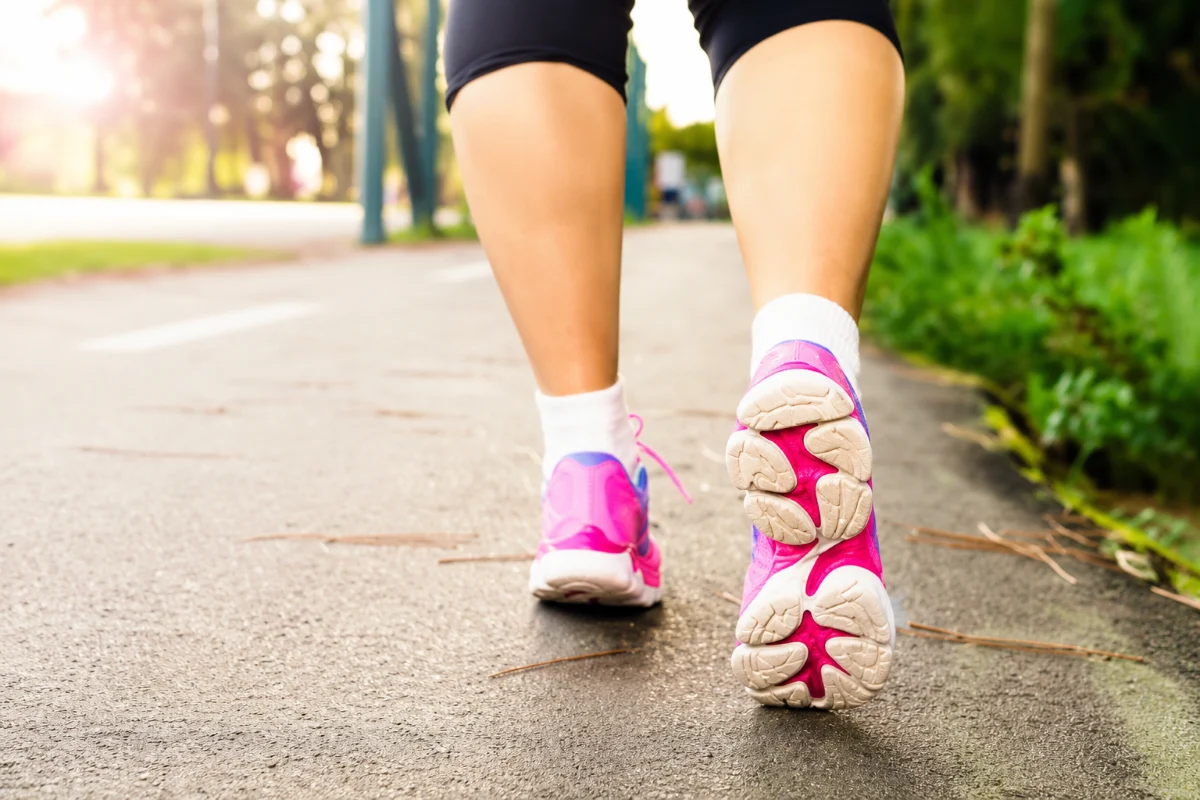
As we look toward the future of human health, the prescription is not more complex equipment or radical new diet fads. It is the simple, intentional act of putting one foot in front of the other. Whether it is a brisk walk through a city center or a slow stroll through a local park, the benefits are immediate and cumulative. The path to better health is not found in the gym’s high-intensity zone; it is found on the sidewalk, in the park, and on the quiet streets of our daily lives.
The most important step in any fitness journey is, quite literally, the first one. It is time we give that step the respect, and the priority, it deserves.