











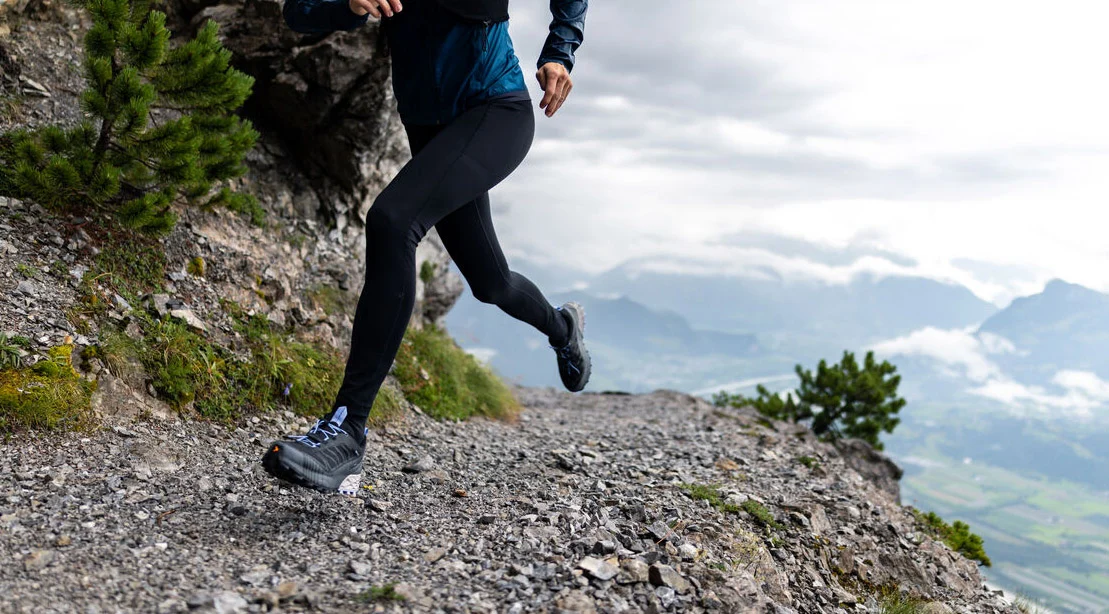
Trail running has evolved from a niche pursuit into one of the most diverse athletic disciplines in the outdoor industry. As the sport has matured, so too has the equipment. Today’s trail runners are no longer forced to choose between heavy, clunky hiking boots or flimsy road shoes; they are instead greeted by a landscape of hyper-specialized engineering. However, this wealth of choice brings a new set of challenges: identifying exactly what your specific terrain and biomechanics demand.
Whether you are seeking the deep-lugged aggression required for technical mountain ascents or the forgiving, versatile cushioning of a daily gravel-grinder, the "right" shoe is a deeply personal calculation. As we enter the 2026 season, the divide between technical performance and everyday comfort has never been clearer.
Anatomy of the Trail: What to Look for in 2026
Before investing in a new pair, it is essential to decode the technical jargon that dominates current marketing. Understanding how traction, stack height, and stability features interact is the difference between a successful long run and a mid-trail blister crisis.

Traction and Lug Geometry
The outsole remains your primary point of contact with the earth. Lug depth—measured in millimeters—is the primary variable here. Lugs ranging from 2mm to 3mm are optimized for hardpack, gravel, and hybrid road-to-trail surfaces where smooth transitions are prioritized. Conversely, deep, aggressive 5mm+ lugs are designed to bite into soft mud and loose scree. In 2026, the industry has shifted toward multi-directional lug patterns, which allow for better braking on steep descents and enhanced grip on slick, wet rock.
Cushioning and the "Ground Feel" Paradox
There is a fundamental tension in trail design: the more cushioning you add to protect the joints, the more "ground feel" you sacrifice. A 36mm stack height provides an excellent buffer against sharp, jagged rocks but can lead to "ankle roll" on highly technical, uneven terrain. Conversely, low-profile, minimalist shoes offer superior proprioception—the body’s ability to sense its position in space—which is vital for navigating complex, root-heavy singletrack.
The Critical Role of Fit and Foot Shape
A trail shoe must act as an extension of the foot. Unlike road running, where the surface is predictable, trail running requires constant micro-adjustments. A secure midfoot lockdown is non-negotiable for stability on descents. Furthermore, as mileage increases, feet tend to swell; the best shoes of 2026 feature adaptive vamps and engineered meshes that accommodate this expansion without sacrificing the necessary security.

The Top 8 Trail Running Shoes for 2026: Expert Picks
After months of field testing and technical analysis, we have selected eight standout models that define the current state of the market.
1. Best Overall: Hoka Speedgoat 7
The Speedgoat series has long served as the benchmark for trail versatility, and the 7th iteration cements its legacy.
- The Update: Hoka has integrated a new supercritical EVA midsole, providing a noticeably more responsive "pop" than previous generations.
- Performance: With 5mm Vibram Megagrip lugs, it remains the most reliable "do-it-all" shoe. It effectively bridges the gap between the soft comfort needed for ultra-distances and the precision required for moderate technical terrain.
- Expert Insight: While the updated upper is a massive improvement in terms of breathability, potential buyers should note Hoka’s recommendation to size up by a half size to accommodate the refined heel cup.
2. Best for Technical Terrain: Scarpa Ribelle Run 2
When the trail turns into a scramble, the Ribelle Run 2 is the premier choice.

- The Structure: Featuring a tensioned rand and the 3S Frame, this shoe provides an exoskeleton-like security.
- The Feel: It is intentionally firmer than the Hoka, favoring control over plushness. The supercritical Bounce Foam provides just enough dampening to prevent fatigue without obscuring the texture of the rock beneath you.
3. Best Road-to-Trail Hybrid: Scarpa Golden Gate LT
For the urban dweller whose commute to the trailhead involves several miles of asphalt, the Golden Gate LT is the superior choice.
- Versatility: By blending 20% PEBAX into the EVA midsole, Scarpa has created a lively, energetic ride that doesn’t feel "dead" on pavement.
- Limitation: It is not designed for vertical mountain racing. The PRESA outsole is optimized for gravel and packed dirt, making it the perfect "everyday trainer" for the weekend warrior.
4. Best Zero-Drop Shoe: Notace Yama
The Notace Yama represents the growing counter-movement against maximalist cushioning.
- Design Philosophy: With a 15mm stack and a zero-drop platform, the Yama forces the runner to engage their calves and feet more naturally.
- Target Audience: This is a precision tool for the experienced runner. The wide, anatomical toe box allows for natural splay, making it exceptionally stable on technical, twisty terrain where foot placement is paramount.
5. Best for Gravel and Light Trails: Karhu Ikoni ATR
Karhu brings its unique Scandinavian design philosophy to the trails with the Ikoni ATR.

- The Fulcrum System: This proprietary guidance technology provides a smooth, rolling transition that is particularly helpful when fatigue sets in on longer, flatter gravel routes.
- Protection: The 360-degree mudguard is a welcome addition, keeping debris out and offering durability where it matters most.
6. Best for Mixed-Terrain Long Runs: Rossignol Vercors
The Vercors is a sleeper hit for ultra-marathoners.
- Balance: By pairing a 32mm stack height with an anti-torsion bar, Rossignol has solved the instability issues common in high-cushion trail shoes.
- Verdict: It is built for the long haul. It possesses the durability to survive sharp granite and the comfort to keep legs fresh after six hours on the trail.
7. Best Max-Cushion Shoe: The North Face Altamesa 500 V2
If your primary concern is impact reduction, look no further.
- Tech: A full-length nitrogen-infused TPU midsole delivers a high-energy return that feels closer to a super-shoe than a traditional trail runner.
- Stability: Despite the 36mm heel stack, the wide platform base ensures that the ride remains predictable, even when the terrain becomes unpredictable.
Chronology of Innovation: From Basic Tread to Super-Foams
The trajectory of trail footwear over the last decade has followed a clear, rapid path of advancement:

- 2016–2018 (The Protective Era): The focus was on "armor." Rock plates and heavy rubber toe caps were the standard, often at the expense of weight and flexibility.
- 2019–2022 (The Maximalist Surge): Brands like Hoka pushed the envelope on stack height, proving that runners could maintain speed while running on "pillows."
- 2023–2025 (The Supercritical Era): The industry began applying supercritical foams—previously reserved for Olympic road racing—to the trails, resulting in shoes that were both lighter and more responsive.
- 2026 (The Refinement Era): We are now seeing a focus on "purpose-built" geometry, where lug orientation and chassis stiffness are tuned for specific trail "personalities" (e.g., mud-specific vs. rock-specific).
Supporting Data: Why "Transitioning" Matters
According to recent gait analysis studies, the transition from a traditional 8mm–10mm drop shoe to a 0mm–4mm drop model requires a "re-training" period of approximately 4 to 6 weeks. During this window, the load shifts from the knee and hip to the Achilles tendon and calf complex. Runners who ignore this transition period report a 30% higher rate of soft-tissue overuse injuries. We strongly advise using the "10% rule"—increasing your mileage in a new, lower-drop shoe by no more than 10% per week.
Official Manufacturer Stance on Sustainability
During the 2026 Outdoor Retailer Expo, the primary theme among major manufacturers was the move toward bio-based foams and circular manufacturing. Hoka, The North Face, and Scarpa have all pledged that by 2028, at least 40% of their midsole compounds will be derived from renewable plant-based sources. While this transition is still in its infancy, the durability of these "green" foams is showing promising results in current field tests, suggesting that performance will not have to be sacrificed for sustainability.
Implications for the Future of Trail Running
The rapid specialization of trail shoes has profound implications for the sport. As equipment becomes more capable, runners are pushing into deeper, more technical, and more remote wilderness areas than ever before.

However, this reliance on gear also highlights a need for greater education. The "best" shoe is useless if the runner doesn’t understand the terrain they are entering. As we move forward, the most successful runners will be those who curate a "quiver" of footwear—one shoe for the fast, packed-dirt training days, and another for the high-alpine, technical endurance missions.
In 2026, the technology is finally catching up to the ambitions of the athletes. Whether you are a weekend jogger or an ultra-distance mountain specialist, the industry has never been better equipped to support your journey. Choose wisely, break them in slowly, and respect the trail.