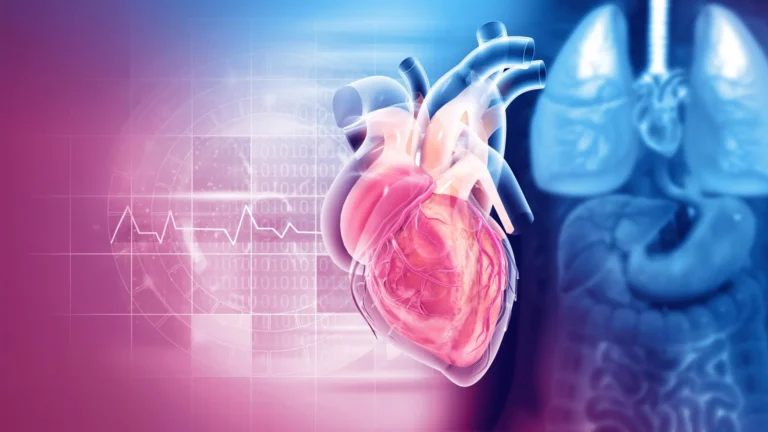






For decades, the medical community has viewed serotonin primarily through the lens of mental health. As a critical neurotransmitter, it governs mood, sleep, digestion, and cognitive function. However, a body of research emerging since 2023 has unveiled a startling, secondary role for this chemical messenger: it may be a silent architect in the deterioration of the heart’s mitral and aortic valves.
While serotonin is essential for systemic health, new studies suggest that when its transport mechanism is altered—whether by genetics or medication—it can accelerate the structural breakdown of heart valves already suffering from degenerative disease. This revelation has opened a new frontier in cardiology, potentially transforming how clinicians manage patients with heart valve conditions.
The Vital Mechanics: A One-Way Gate Under Pressure
To understand the stakes of this research, one must first appreciate the architecture of the heart. The mitral valve acts as a critical one-way gate between the left atrium and the left ventricle. During each heartbeat, this valve must seal perfectly to ensure oxygen-rich blood, returned from the lungs, is pumped forward into the body rather than leaking backward.
Degenerative Mitral Regurgitation (DMR) occurs when the delicate leaflets of this valve thicken, stretch, or lose their structural integrity. When the valve fails to seal, blood flows backward into the left atrium, forcing the heart to work harder to maintain circulation. Over time, this chronic strain leads to debilitating fatigue, shortness of breath, and potentially severe complications such as atrial fibrillation and congestive heart failure.
Until now, medical management has focused on symptom mitigation and surgical intervention—either repair or replacement—once the degeneration reaches a critical threshold. There has been no way to pharmacologically reverse the underlying structural decay.
Chronology of Discovery: A Path of Inquiry
The 2023 Breakthrough
The modern investigation into the "serotonin-heart connection" was spearheaded by Columbia University’s Department of Surgery, in collaboration with the Pediatric Heart Valve Center at the Children’s Hospital of Philadelphia (CHOP), the University of Pennsylvania, and the Valley Hospital Heart Institute.
Led by Dr. Giovanni Ferrari of Columbia and Dr. Robert J. Levy of CHOP, the team published findings in Science Translational Medicine that shifted the scientific paradigm. By analyzing data from over 9,000 patients who underwent mitral valve surgery, the researchers identified a correlation: patients taking Selective Serotonin Reuptake Inhibitors (SSRIs)—medications that inhibit the serotonin transporter (SERT) protein—often required surgical intervention at a younger age than those who were not on the medication.
2024–2026: Broadening the Scope
The research did not stop at the mitral valve. In 2024, studies in animal models revealed that SERT-deficient subjects were highly susceptible to fibrosis—the buildup of stiff, scar-like tissue—in both the valves and the left ventricular muscle.
By 2025, researchers turned their attention to the aortic valve, which controls blood flow exiting the heart. A study of 76 participants revealed that those with severe aortic stenosis exhibited significantly higher serum levels of serotonin. This was followed in February 2026 by findings indicating that damaged aortic valves showed reduced SERT expression, suggesting that the "serotonin-valve" mechanism might be a generalized phenomenon across different types of valvular heart disease.
Supporting Data and Biological Mechanisms
The core of the issue lies in the serotonin transporter (SERT) protein. In the brain, SERT "cleans up" serotonin after it has signaled a neuron, allowing for recycling. SSRIs like fluoxetine (Prozac) and sertraline (Zoloft) work by blocking this transporter, effectively keeping serotonin active in the synapse for longer periods to elevate mood.
The research suggests that in the context of a diseased heart valve, this mechanism may be counterproductive.
The Genetic Clue
The team identified a specific genetic region, 5-HTTLPR, which regulates SERT activity. They found that patients carrying a specific "long-long" variant of this gene exhibited lower transporter activity. When these patients were exposed to serotonin, their mitral valve cells produced an excess of collagen. While collagen is necessary for tissue strength, an overabundance makes the valve thick, stiff, and prone to the leakage seen in DMR.
Laboratory Observations
In experiments involving both transgenic mice lacking the SERT gene and normal mice treated with high doses of SSRIs, the results were consistent: the mitral valves became thicker and less mobile. Crucially, however, researchers found that these negative effects were largely absent in healthy human valve tissue, suggesting that the serotonin pathway only becomes "pathological" once the valve has already begun to show signs of degeneration.
Official Responses and Clinical Implications
The medical community has received these findings with cautious interest. Dr. Giovanni Ferrari has been vocal about the potential for "precision cardiology."
"Assessing patients with DMR for low SERT activity may help identify patients who may need mitral valve surgery earlier," Dr. Ferrari noted. "Promptly fixing a mitral valve that is very leaky would protect the heart and could prevent congestive heart failure."
Is Genetic Testing the Future?
The researchers propose that a simple DNA test, via a blood sample or mouth swab, could identify patients with the "long-long" SERT variant. If a patient with DMR is found to have this genetic predisposition, clinicians might choose to monitor their valve health more aggressively or consider earlier surgical intervention to prevent the "tipping point" where structural damage becomes irreversible.
However, major cardiology organizations have not yet updated their guidelines. Clinical trials are still required to determine if such genetic screening would meaningfully improve patient outcomes or if it would simply lead to unnecessary interventions.
The "Do Not Panic" Mandate
A critical takeaway from the 2023 study and subsequent meta-analyses is the distinction between association and causation. While a 2026 systematic review reported a significant association between SERT-modifying drugs and valve disease (an odds ratio of 2.76), this does not prove that SSRIs are the direct cause of the degeneration.
Most importantly, the research does not suggest that patients should discontinue their antidepressant medications.
"SSRIs are generally safe for most patients," Dr. Ferrari emphasized. "It is unlikely that low SERT can cause degeneration of the mitral valve by itself. The findings do not justify stopping or changing antidepressant treatment without guidance from a prescribing clinician."
For many patients, the benefits of treating depression—which can include improved cardiovascular outcomes through better lifestyle habits and reduced systemic stress—far outweigh the hypothetical risk to heart valve tissue.
Future Directions: Targeting the HTR2B Receptor
Perhaps the most promising aspect of this research is the identification of the HTR2B receptor. As the pathway through which serotonin triggers fibrosis, HTR2B has emerged as a potential "drug target."
Researchers are currently exploring compounds that could selectively block HTR2B, theoretically stopping the fibrotic, stiffening process in the valve without affecting the serotonin levels in the brain. This would represent a "best of both worlds" scenario: patients could continue their necessary antidepressant therapy while receiving a secondary medication to protect their heart valves from the side effects of serotonin signaling.
While these experimental compounds have shown success in mice, they are years away from clinical trials. Until then, the focus remains on standard-of-care: regular echocardiograms, symptom monitoring, and maintaining a collaborative relationship between cardiologists and psychiatrists.
Conclusion
The connection between serotonin and heart valve disease is a compelling example of the body’s interconnected biology. What began as an investigation into a common psychiatric medication has expanded into a complex exploration of genetic susceptibility, fibrotic signaling, and valvular structural integrity.
While the "serotonin-valve" hypothesis provides a plausible explanation for why some patients experience rapid disease progression, it remains a piece of a larger puzzle. For the millions of people living with degenerative mitral or aortic valve disease, the immediate path forward is clear: rely on established clinical diagnostics, maintain open communication with medical providers, and wait for the science to transition from the laboratory bench to the bedside. The future of heart care may indeed be written in our DNA, but for now, the gold standard remains the watchful eye of a cardiologist.