







BATON ROUGE, La. — As the sweltering heat of August settles over the Gulf Coast, public health officials are issuing urgent warnings to residents and tourists alike. A dangerous spike in Vibrio vulnificus infections—a rare but lethal bacterium often referred to as "flesh-eating"—has triggered alarm across Louisiana, prompting a renewed focus on coastal safety and the compounding influence of environmental shifts on public health.
The Louisiana Department of Health reported nine confirmed cases of the infection this year, a figure that is not only alarming in isolation but represents a significant departure from historical trends. Even more concerning is the mortality rate: five of those nine individuals have succumbed to the illness. To put this in context, Louisiana typically reports an average of seven cases and a single death over the same period throughout the last decade.
The Anatomy of the Threat
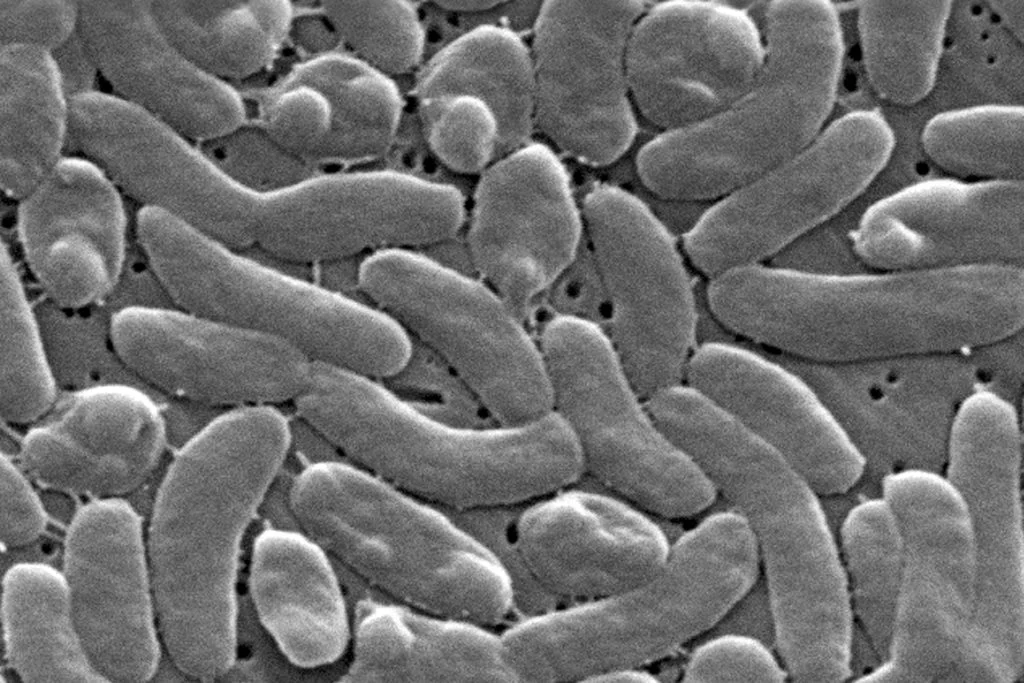
Vibrio vulnificus is a gram-negative, halophilic (salt-loving) bacterium that thrives in the warm, brackish waters of estuaries, coastal lagoons, and the open Gulf. While many species of Vibrio exist, V. vulnificus is arguably the most dangerous. The Centers for Disease Control and Prevention (CDC) classifies it as a significant public health concern, noting that as many as one in five individuals who contract the bacteria die, sometimes within just a few days of exposure.
The organism flourishes in temperatures ranging from 68°F to 95°F, making the Gulf of Mexico an ideal incubator. As summer progresses and water temperatures rise, the concentration of the bacteria increases, creating a hidden danger for those enjoying the water.
A Chronology of the 2026 Surge
The current crisis did not emerge overnight, but rather escalated through the late spring and early summer months.
- May 2026: As water temperatures began their seasonal climb, the first sporadic reports of wound-related infections began to trickle into local hospitals.
- June 2026: Epidemiologists noted a slight uptick in admissions for necrotizing fasciitis symptoms among patients who had recently frequented local beaches or consumed raw shellfish.
- July 2026: The number of cases in Louisiana crossed the five-patient threshold, with the health department initiating enhanced surveillance.
- August 2026: Following a string of fatalities, the Louisiana Department of Health issued a formal advisory, urging immediate medical attention for any beachgoer exhibiting signs of infection.
Simultaneously, Florida—a bellwether for Gulf Coast health data—has reported 14 cases and two deaths so far this year. While this is lower than the 33 cases and five deaths reported in Florida for the entirety of 2025, the intensity of the current season suggests that the bacteria’s reach is expanding, particularly in the wake of volatile tropical weather patterns.
The Environmental Catalyst: Why Now?
The resurgence of Vibrio is not merely a matter of chance; it is a manifestation of broader environmental changes. Experts point to rising ocean temperatures as a primary driver of the bacteria’s northward migration.
A landmark 2023 study indicated that the northernmost reach of Vibrio infections is shifting by approximately 30 miles per year. As the climate warms, the window of time during which the water is warm enough to sustain Vibrio is lengthening. This means that coastal areas previously considered "safe" or less prone to the bacteria are now seeing regular occurrences.
The relationship between tropical storms and infection rates is also well-documented. Hurricanes and severe storms churn up sediment and shift the salinity of coastal waters, creating "blooms" of the bacteria that can persist long after the winds have died down.
The Mechanism of Infection
Understanding how the bacteria enters the body is critical to prevention. Vibrio vulnificus typically gains entry via two primary vectors:
- Dermal Exposure: This is the most common route for beachgoers. The bacteria enters through small breaks in the skin, such as cuts, scrapes, recent tattoos, piercings, or surgical incisions. When exposed to brackish or salt water, these wounds become ports of entry for the pathogen, which can then cause rapidly spreading skin infections, tissue death (necrosis), and sepsis.
- Ingestion: Consumption of raw or undercooked shellfish, particularly oysters, remains a high-risk activity. Because oysters filter-feed, they concentrate the bacteria found in the surrounding water. Importantly, there is no visual or olfactory indicator that an oyster is contaminated; it will look and smell like a healthy, fresh oyster.
High-Risk Populations
While healthy individuals can fight off minor infections, certain groups are at a significantly higher risk for severe outcomes. Those with weakened immune systems, chronic liver disease, diabetes, cancer, or iron overload conditions are particularly vulnerable. In these patients, the bacteria can enter the bloodstream (septicemia), leading to life-threatening complications.
"If a wound exposed to salt water starts to show signs of inflammation—redness, swelling, warmth, or discoloration—do not wait," health officials emphasized in their recent statement. "Seek care immediately and explicitly inform your provider that you have been in the water."
Public Health Response and Mitigation
In response to the surge, local and state health departments are conducting public awareness campaigns to ensure that beachgoers understand the risks. The CDC and regional health authorities recommend a multi-pronged approach to safety:
- Wound Care: Anyone with a cut, scrape, or recent surgical site should avoid coastal water entirely until the wound is fully healed. If accidental exposure occurs, the area should be washed thoroughly with soap and clean, running water immediately.
- Shellfish Safety: The consumption of raw shellfish is strongly discouraged for high-risk individuals. For those who choose to eat them, the CDC recommends boiling or steaming clams, mussels, and oysters. If the shell is already open before cooking, it should be discarded.
- Hygiene: Hands must be washed with soap and water after handling any raw shellfish, and protective gloves should be worn when shucking or preparing oysters.
The Economic and Societal Implications
The Vibrio threat carries significant implications for the Gulf Coast’s tourism-driven economy. Beaches are the lifeblood of coastal towns, and negative headlines regarding "flesh-eating bacteria" can cause immediate drops in tourism revenue. However, officials argue that transparency is the only viable path forward. By empowering the public with knowledge—rather than inciting panic—authorities hope to maintain public safety while ensuring the sustainability of local recreation.
Looking ahead, the scientific community is advocating for better monitoring of water quality. Some experts are calling for the implementation of real-time pathogen sensing technology at popular swimming beaches, which could provide early warnings when bacteria levels spike.
Conclusion: A New Normal?
As the 2026 summer season continues, the situation serves as a stark reminder of the interconnectedness of human health and the environment. The rise of Vibrio vulnificus is a complex challenge that defies simple solutions, requiring a sustained effort from policymakers, scientists, and the public.
Until the environmental factors that fuel the bacteria’s growth are addressed, the onus remains on the individual to exercise vigilance. A day at the beach should remain a source of joy and relaxation, but in an era of shifting climates and emerging pathogens, that joy must be tempered with a healthy respect for the unseen dangers lurking in the surf. For now, the message from the Gulf is clear: check the water, protect your skin, and stay informed.