










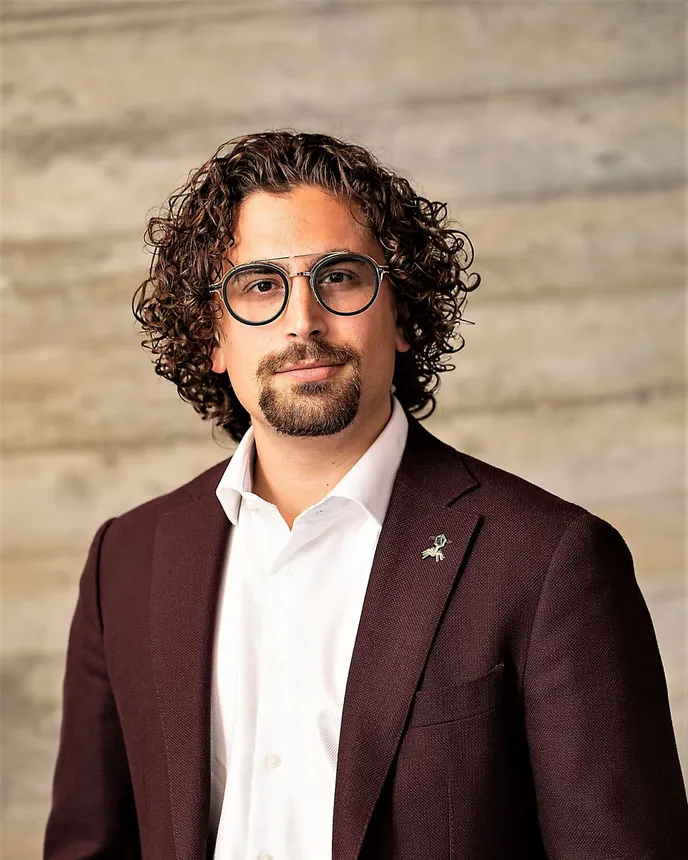
The Alameda Works Shipyard in California was once a deafening engine of industrial might, a place where thousands of steelworkers forged 18,000-ton vessels to navigate the precarious waters of World War II. Today, the site hosts a different kind of construction. Within two renovated buildings, Benjamin Oakes, the CEO of Scribe Therapeutics, leads a team of scientists who are building, repairing, and refining the most microscopic machines known to science: gene-modifying medicines.
For Oakes, the irony is not lost. While the shipyard once repaired the hulking steel hulls of warships, Scribe is attempting to repair the biological code that dictates human health. As the biotech sector emerges from a long, cooling period, Scribe has positioned itself as the vanguard of a new wave of CRISPR-based companies, recently marking a significant milestone as the first gene-editing firm to launch an initial public offering (IPO) in more than two years.
The Evolution of Genetic Intervention
Scribe Therapeutics did not emerge from a vacuum. Born from the pioneering research of genetic medicine experts at the University of California, Berkeley, the company represents a shift in how the industry views CRISPR. While early iterations of the technology focused on permanently "cutting" and "pasting" the genome—a process that carries inherent risks of off-target mutations—Scribe is championing a more nuanced approach: epigenetic silencing.
This technique allows Scribe to "switch off" genes implicated in chronic diseases, such as those responsible for high cholesterol, without necessarily altering the underlying DNA sequence permanently. It is a subtle, surgical precision that Oakes believes is the key to moving gene editing from the fringes of rare disease research into the mainstream of chronic care.
A Chronology of Clinical Ambition
The journey to the public market has been one of disciplined iteration. Scribe’s trajectory began over eight years ago, when the team licensed early-stage molecules from UC Berkeley that were, by Oakes’ own admission, far from clinical grade.
- The Foundational Years (2016–2020): Scribe spent its formative years in a "stepping stone" evolution. Rather than chasing headlines with unproven breakthroughs, the company focused on refining its molecular tools, improving potency and specificity incrementally.
- Strategic Partnerships (2021–2023): The company established high-profile collaborations, including a notable partnership with Sanofi, to demonstrate the utility of its CRISPR platform in oncology and beyond.
- The IPO Milestone (2024–2025): Following a period of extreme capital efficiency—raising only $150 million over seven years—Scribe opted to enter the public markets. Unlike many of its peers, Scribe chose to go public only once it had reached the clinic, providing investors with a tangible look at its therapeutic potential.
Bridging the Gap: Human Behavior and Therapeutic Design
One of the most profound challenges facing modern medicine is not the discovery of drugs, but the delivery and adherence to them. Scribe’s core philosophy is built upon the design principle of "MAYA"—Most Advanced Yet Acceptable.
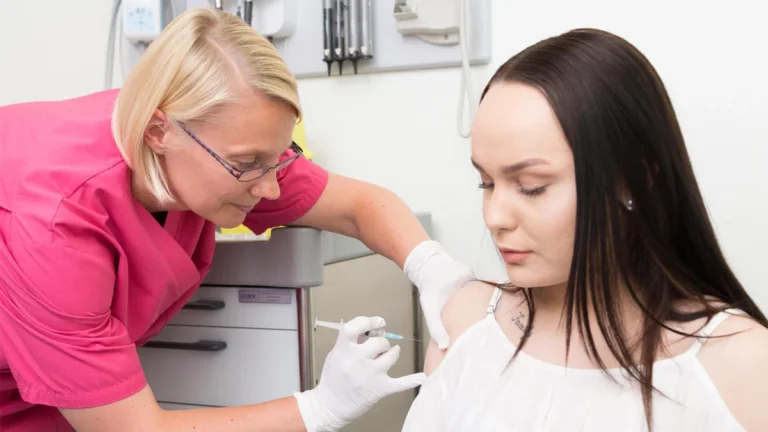
Oakes argues that in the context of cardiovascular health, the industry has long suffered from a "human behavior problem" rather than a "drug problem." For example, while statins and PCSK9 inhibitors are clinically effective, data shows that between 50% and 70% of patients discontinue these medications within the first year of treatment. The requirement to take a daily or frequent pill for 20 to 40 years is a significant psychological hurdle for the average patient.
"We’re not trying to solve for making a better drug necessarily," Oakes explained. "We’re trying to solve for how we make human behavior interact well with our drugs." By developing a treatment that could potentially provide long-term protection through a one-time or infrequent intervention, Scribe aims to move medicine from a reactive model—where patients struggle to manage chronic symptoms—to a preventive model, where the disease is addressed at the genetic level.
Data-Driven Scrutiny and Investor Skepticism
The path to the IPO was not without its critics. The gene-editing sector has been marred by high-profile failures and clinical setbacks that have sent valuations into a tailspin. Investors remain wary, haunted by the memory of "bold claims" that evaporated once they hit the rigors of human clinical trials.

Scribe’s IPO raised significantly less capital than some of the blockbuster offerings seen in the broader biotech sector, where median IPOs often hover near $300 million. Oakes attributes this discrepancy to a fundamental difference in philosophy. "Many people have, and should have, concerns," Oakes noted. "Previous organizations, some of which no longer even exist, have done things wrong, and it’s very easy for an investor to paint a broad brush."
By maintaining a lean, focused operational structure, Scribe has differentiated itself. The company’s "box set" of cardiovascular programs is designed to address lipid risk in a way that is both scalable and sustainable. Oakes is quick to highlight that the market for cholesterol management is not saturated, but rather "wildly underserved." He views competitors like Verve Therapeutics and Eli Lilly not as existential threats, but as essential partners in building a new ecosystem for genetic medicine.
Official Perspectives: The CEO’s Stance
In an exclusive discussion with BioPharma Dive, Oakes addressed the "Plan B is your Plan A" mantra scribbled on a conference room wall at Scribe’s headquarters. It is a reminder that in the volatile world of biotechnology, flexibility is a survival trait.
"I want that most advanced thing," Oakes said, referring to his design philosophy. "There are 1,000 different ways to build a cup… but if I put wildly crazy things on it, like 10 handles, it may look like the cup of the future, but no one’s going to want to use it."
This focus on usability extends to his view on longevity research. While many in the biotech space are captivated by the idea of radical life extension through total body reprogramming, Oakes maintains a "pragmatic engineer" perspective. "That science is not yet proven," he stated. Instead, he argues that the immediate, high-impact goal should be treating the leading cause of mortality globally: cardiovascular disease.
The Implications for Future Biotech
The success of Scribe Therapeutics will serve as a bellwether for the next generation of biotech firms. If Scribe can successfully transition its epigenetic silencing tools from the lab to broad clinical adoption, it will validate a new model of development: one that prioritizes capital efficiency, iterative molecular improvement, and, crucially, the integration of behavioral psychology into drug design.
The implications for patients are profound. If a single, sophisticated gene-editing intervention can replace decades of medication, the healthcare burden—both in terms of cost and patient quality of life—could be transformed.
However, the road ahead is steep. Scribe must navigate the regulatory gauntlet, demonstrate long-term safety, and convince a skeptical public that editing the genome is not only safe but preferable to conventional alternatives. As Oakes continues to steer the company, the "shipyard" at Alameda remains a testament to the fact that great things are built through patience, precision, and an unwavering focus on the end-user.
In a field often defined by the "next big breakthrough," Scribe is betting that the most significant innovation of the next decade will be the one that is the most acceptable, the most accessible, and the most human. For a company that began by refining molecules that barely functioned, the journey to the clinic is not just a corporate milestone—it is a proof of concept for the future of preventive medicine.