







Featured Buzz – January 11, 2026
The landscape of respiratory medicine is undergoing a profound transformation, driven by the convergence of artificial intelligence (AI), advanced diagnostic imaging, and precision biomarkers. Recent studies published in prestigious journals underscore a shift toward proactive, data-driven screening and diagnostic protocols. From utilizing standard electrocardiograms (ECGs) to detect chronic obstructive pulmonary disease (COPD) to leveraging generative AI for precise antibiotic stewardship in the intensive care unit (ICU), these breakthroughs represent a new frontier in patient care.
1. AI-Enhanced ECGs: A New Horizon for COPD Screening
Chronic obstructive pulmonary disease (COPD) remains a leading cause of morbidity and mortality worldwide, yet it is notoriously underdiagnosed in its early stages. Traditionally, diagnosis relies on spirometry, which is often underutilized in primary care settings.
The Mount Sinai Breakthrough
Researchers from the Mount Sinai Health System have introduced a novel approach: repurposing the ubiquitous ECG to serve as a screening tool for COPD. By training a Convolutional Neural Network (CNN) on a massive dataset—comprising over 760,000 ECGs from more than 77,000 patients—the investigators created a model capable of detecting structural and electrical changes associated with COPD.
Chronology and Methodology
The study began with a retrospective analysis of 208,231 ECGs from 18,225 COPD patients across five New York-area hospitals. To ensure robust training, these were matched against 552,771 ECGs from 59,356 control subjects, balanced for age, sex, and race. The AI model was subjected to a rigorous testing pipeline, including internal validation and two external validation cohorts. The primary outcome was the accuracy of the model in predicting a clinical COPD diagnosis as defined by ICD coding.
Clinical Implications
While the researchers are careful to emphasize that AI-interpreted ECGs will not replace spirometry—the gold standard for pulmonary function testing—they argue that this method offers a "pragmatic approach" to opportunistic screening. In a routine clinical visit, an ECG is often already part of the workflow. Integrating AI interpretation could flag high-risk patients who might otherwise remain undiagnosed, facilitating earlier smoking cessation interventions, targeted pulmonary rehabilitation, and pharmacological therapy, thereby slowing disease progression and alleviating the long-term healthcare burden.
2. Neonatal Respiratory Care: Predicting Extubation Success
For very low birth weight (VLBW) infants, mechanical ventilation is a life-saving but high-risk intervention. Determining the precise moment to extubate—removing the breathing tube—is a clinical tightrope. Failed extubations are associated with increased mortality, prolonged hospital stays, and developmental risks.
The University of Chicago Study
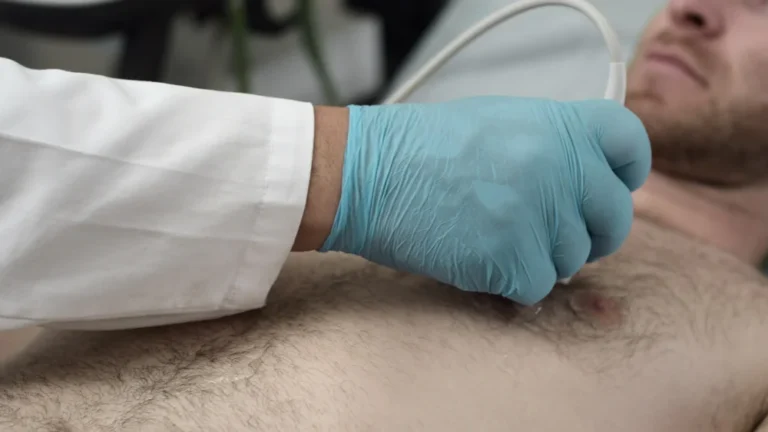
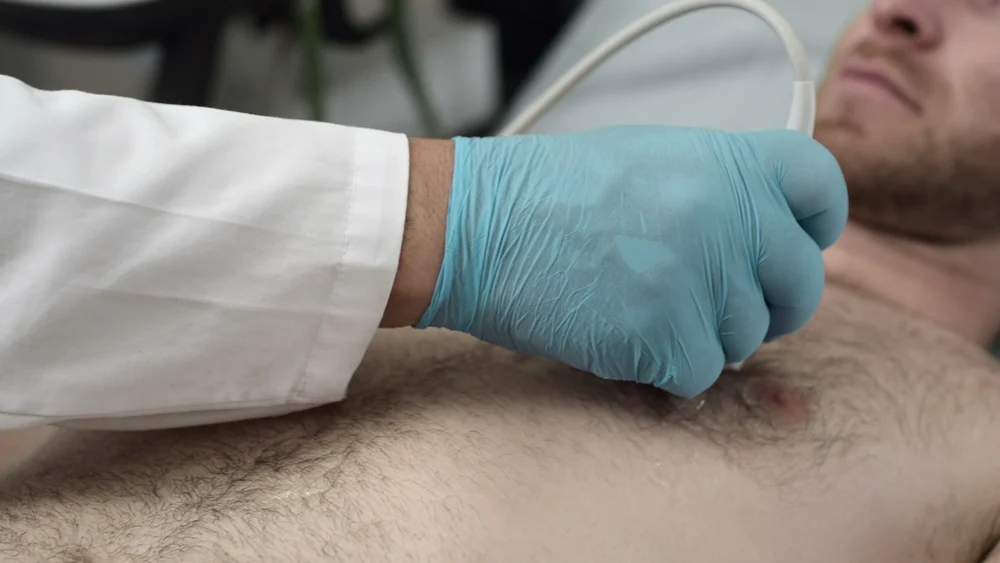
A new study published in the Journal of Perinatology suggests that lung ultrasound (LUS) scores may provide a more reliable clinical indicator than traditional weaning parameters. The study monitored 45 VLBW infants treated for respiratory distress syndrome (RDS) who underwent a total of 53 extubation attempts.
Supporting Data and Findings
The research team performed LUS assessments three to six hours prior to each extubation. By utilizing a "neonatal-adapted" LUS scoring system, the clinicians were able to predict success or failure with significant accuracy.
Key takeaways from the data include:
- Predictive Power: The neonatal-adapted LUS score serves as a high-precision metric when performed on the day of the procedure.
- Dexamethasone Clarification: Contrary to some clinical assumptions, the study found that dexamethasone treatment—often used to reduce airway inflammation—did not correlate with lower LUS scores, suggesting that the ultrasound score remains a valid independent predictor regardless of steroid use.
This innovation offers neonatologists a non-invasive, radiation-free tool to optimize respiratory management in the NICU, potentially reducing the rates of reintubation and improving long-term outcomes for the most vulnerable patients.
3. Combating Inappropriate Antibiotic Use in the ICU
In the intensive care unit, the rapid diagnosis of lower respiratory tract infections (LRTIs) is critical. However, the diagnostic process is frequently hampered by diagnostic uncertainty, leading to the over-prescription of broad-spectrum antibiotics, which fuels the global crisis of antimicrobial resistance.
The UCSF Diagnostic Model
Researchers at the University of California, San Francisco (UCSF), have unveiled an AI-powered diagnostic framework that combines host biomarkers with large language model (LLM) analysis of electronic health records (EHR).
The Role of FABP4
The diagnostic strategy centers on the biomarker FABP4, a gene expressed in lung fluid that regulates inflammation. In patients with healthy lungs, FABP4 expression is robust; however, in the presence of an LRTI, this expression is significantly downregulated. By synthesizing this biological data with generative AI analysis of chest X-ray reports and clinical notes, the researchers created a model capable of high-level diagnostic reasoning.
Accuracy and Impact
In an observational study of critically ill adults, the model achieved a 96% diagnostic accuracy rate, significantly outperforming the human clinicians in the study. The implications for antibiotic stewardship are profound:
- Reducing Overuse: The authors estimate that integrating this model into clinical workflows could reduce the administration of inappropriate antibiotics by more than 80%.
- Accessibility: Designed to function via a HIPAA-compliant GPT-4 interface, the tool is intended for broad clinical utility, allowing any physician with access to the patient’s chart to benefit from this secondary diagnostic layer.
4. Synthesis: The Future of AI in Pulmonary Medicine
The studies detailed above, published in journals such as eBioMedicine, the Journal of Perinatology, and Nature Communications, demonstrate a common theme: the integration of AI is not merely about replacing human judgment but about augmenting it with speed and precision.
Official Perspectives and Future Directions
The authors of these studies consistently frame their findings as the beginning of a larger shift.
- Early Intervention: For COPD, the focus is on "earlier recognition" to shift the trajectory of the disease.
- Precision Stewardship: For LRTIs, the goal is to bridge the gap between diagnostic uncertainty and therapeutic action, thereby preserving the efficacy of our current antibiotic arsenal.
- Validation and Scaling: The UCSF team is already moving to validate their model for broader clinical use and is investigating the application of these techniques to sepsis, a condition where every hour of delay increases the risk of mortality.
Challenges to Implementation
Despite the promise, the transition from research to bedside remains challenging. Implementation requires:
- Workflow Integration: Tools must be embedded into EHR systems so that physicians do not have to leave their workflow to access insights.
- Regulatory Oversight: As these models move toward clinical use, they must meet strict validation standards to ensure they perform consistently across diverse patient populations.
- Ethical Considerations: The use of AI in clinical decision-making necessitates transparency. As the UCSF team noted, the ability to integrate clinical notes—which reflect the physician’s own reasoning—with biological data is the key to building the "trust" necessary for widespread adoption.
Conclusion
As we look toward the remainder of 2026 and beyond, these technological strides suggest a future where the stethoscope and spirometer are supported by digital "thinking" partners. By detecting COPD before symptoms are severe, predicting the success of weaning a preterm infant from a ventilator, and curbing the overuse of antibiotics in the ICU, medicine is becoming more anticipatory rather than reactive. These developments highlight a vital truth in modern healthcare: the most powerful tools in a physician’s bag may soon be the ones that help them see what is currently hidden in the data.
For more information on these studies, visit the respective publications:
- COPD and ECG AI: eBioMedicine (DOI: 10.1016/j.ebiom.2025.106066)
- Neonatal Lung Ultrasound: Journal of Perinatology (DOI: 10.1038/s41372-025-02525-5)
- LRTI AI Diagnosis: Nature Communications (DOI: 10.1038/s41467-025-66218-5)