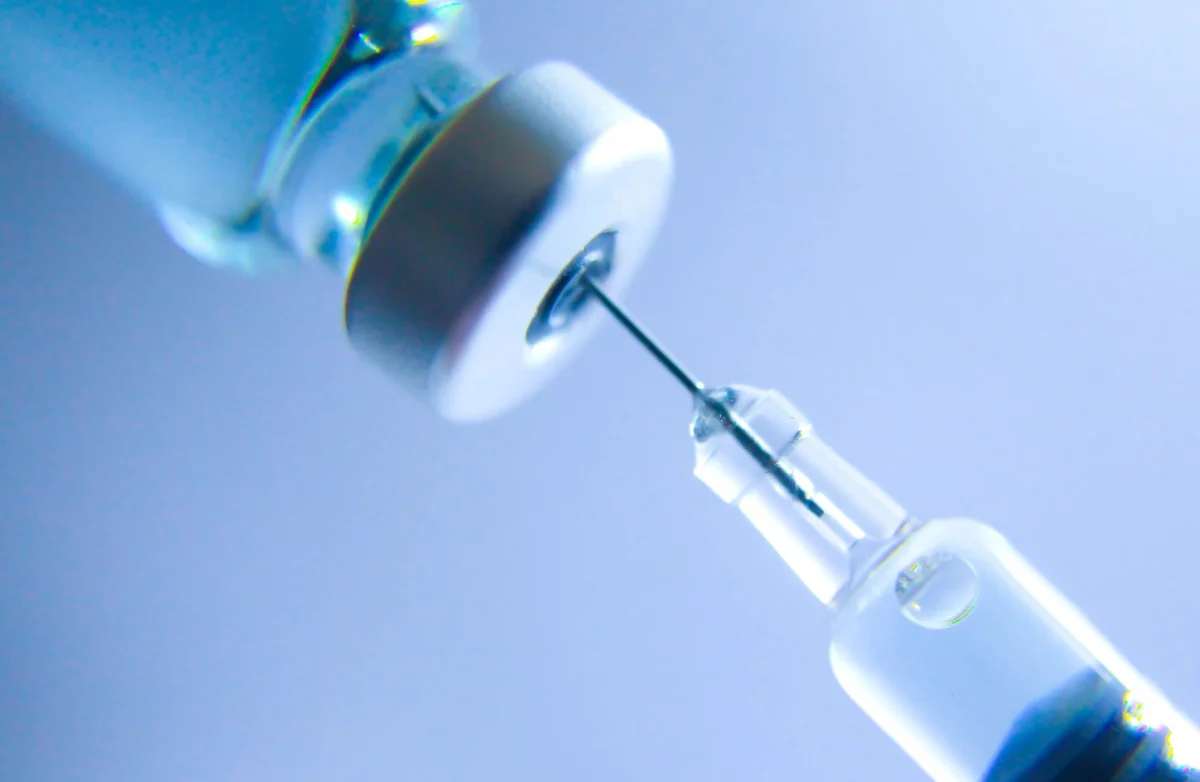
As the medical community prepares for the upcoming respiratory season, the American Academy of Pediatrics (AAP) has released its comprehensive guidance for the 2026-27 influenza season. The policy statement, titled "Recommendations for Prevention and Control of Influenza in Children, 2026-2027," serves as a definitive roadmap for pediatricians, public health officials, and parents. With a singular focus on increasing vaccination rates, the AAP is emphasizing that the flu remains a significant, yet preventable, threat to pediatric health.
The updated recommendations come in the wake of a sobering 2025-26 season, which saw pediatric influenza deaths reach levels that have prompted an urgent shift in communication strategy. By synthesizing the latest data on vaccine efficacy and antiviral availability, the AAP aims to turn the tide against a trend of stagnating vaccination coverage.
Main Facts: The Core Mandate for 2026-27
The cornerstone of the AAP’s 2026-27 guidance remains unchanged in its urgency: all children aged 6 months and older should receive an annual influenza vaccination.
This recommendation is not merely a clinical suggestion but a public health imperative. The AAP emphasizes that the vaccine is the primary line of defense against the seasonal flu, which continues to be a leading cause of preventable illness and mortality among children in the United States.
The AAP clarifies that the influenza vaccine is not a "one-size-fits-all" product in terms of administration; rather, it is a versatile tool available in various forms, including inactivated influenza vaccines (IIV) and live attenuated influenza vaccines (LAIV), tailored to specific age groups and health histories. The guidance underscores that the optimal time for vaccination is as soon as the current season’s vaccine becomes available, ideally by the end of October, to ensure immunity is established before widespread circulation of the virus.
Chronology: The 2025-26 Season and the Path to New Guidance
To understand the necessity of the 2026-27 guidelines, one must examine the clinical landscape of the previous year. The 2025-26 influenza season was characterized by high morbidity and a tragic spike in mortality that sent shockwaves through the pediatric infectious disease community.
- Winter 2025: Early surveillance data indicated a sharp rise in pediatric influenza cases, with hospitals reporting high volumes of emergency department visits.
- Spring 2026: Final data analysis revealed a devastating count of 190 pediatric deaths attributed to the flu. This statistic served as a catalyst for the AAP’s urgent policy review.
- May 2026: Public health surveillance indicated that vaccination coverage for children aged 6 months to 17 years had stalled at a concerning 49.4%.
- Summer 2026: The AAP committee on infectious diseases met to finalize the current policy statement, incorporating lessons learned from the previous season’s high-severity viral strains and the efficacy of various intervention strategies.
- Fall 2026: The launch of the new guidelines coincides with the national push for immunization programs, marking the official start of the 2026-27 preventive campaign.
Supporting Data: The Case for Vaccination
The statistical evidence supporting the AAP’s position is robust. The most striking figure released by the organization is the correlation between vaccination status and mortality. According to data from the 2025-26 season, 85% of children who succumbed to influenza-related complications were unvaccinated.
This disparity underscores the protective power of the vaccine. A multi-year study conducted by the Centers for Disease Control and Prevention (CDC) and highlighted in the new report provides further validation: among children and adolescents, the annual flu vaccine is shown to reduce the risk of flu-related death by approximately 80%.
Beyond mortality, the AAP emphasizes the role of the vaccine in "morbidity mitigation." While many associate the flu with a few days of rest, the reality for thousands of children is significantly more taxing. The vaccine is proven to prevent:
- Hospitalizations: Significantly lowering the burden on pediatric intensive care units (PICUs).
- Secondary Bacterial Infections: Such as pneumonia, which often follow the primary viral insult.
- Outpatient Visits: Reducing the reliance on primary care resources and emergency departments, which are often overwhelmed during peak season.
Official Responses and Clinical Perspectives
The AAP’s stance is supported by a coalition of pediatric specialists who are increasingly concerned about "vaccine fatigue" among parents.
"We know they are safe in children, and they can prevent not just hospitalizations and death, but every year they prevent a substantial number of illnesses that result in trips to the doctor’s office," noted Dr. Kristina A. Bryant, a prominent member of the AAP committee on infectious diseases. Her remarks highlight a critical point: the vaccine is not just for the most vulnerable, but for every child to avoid the disruption of school, social activities, and family life caused by influenza.
The AAP is also working closely with the American Academy of Family Physicians (AAFP) and the CDC to streamline the messaging regarding vaccine availability. By ensuring that the vaccine is covered by both commercial insurance plans and the federal Vaccines for Children (VFC) program, the medical community aims to remove financial barriers that historically contributed to low uptake.
Implications for Clinical Practice: Treatment and Access
The 2026-27 guidance goes beyond prevention to address the management of active infections. The AAP maintains that early intervention with antiviral therapy is critical for high-risk populations.
The Role of Antivirals
Antivirals are recommended for children who:
- Have been hospitalized due to influenza.
- Present with progressive, severe, or complicated disease.
- Are at high risk for complications due to underlying health conditions (e.g., asthma, diabetes, or immunocompromised states).
The Introduction of Generic Xofluza
A significant development for the 2026-27 season is the increased availability of generic baloxavir marboxil (Xofluza). As a single-dose oral antiviral, its transition to generic availability is expected to drastically increase access for children aged 5 years and older. This shift is anticipated to improve treatment adherence, as single-dose regimens are often easier to manage for families than traditional multi-day courses of oseltamivir (Tamiflu).
Looking Ahead: Addressing the Public Health Gap
The central challenge for the 2026-27 season is bridging the gap between clinical recommendation and public compliance. With only 49.4% of the target population vaccinated last year, the AAP recognizes that clinical guidance alone is not enough.
Strategies for Improvement
The AAP suggests that pediatricians take a more proactive role in "vaccine counseling." This involves:
- Early Outreach: Utilizing electronic health record (EHR) systems to send automated reminders to parents starting in August.
- Reducing Friction: Offering "flu-only" clinics to streamline the vaccination process and minimize wait times for busy families.
- Addressing Misconceptions: Providing evidence-based, simplified literature that directly counters common myths regarding the influenza vaccine’s safety and efficacy.
The organization is also calling for a more concerted effort to reach underserved communities. Given that disparities in health outcomes often mirror disparities in vaccine access, the AAP emphasizes the role of the VFC program in providing free vaccines to children who lack adequate insurance.
A Call to Action
The 2026-27 influenza season represents a pivotal moment for pediatric healthcare. The lessons from the previous year’s 190 deaths are clear: influenza is a dynamic and dangerous adversary. By adhering to the AAP’s updated recommendations, clinicians and parents can form a united front, leveraging both immunization and improved access to antiviral treatments to protect the health of the nation’s children.
As the season progresses, the AAP plans to continue monitoring surveillance data, providing real-time updates to pediatricians should the viral strain profile shift. However, the foundational message remains steadfast: when it comes to the flu, the best defense is an early, well-informed, and universal commitment to vaccination.
Key Takeaways for Healthcare Providers
- Universal Recommendation: All children ≥ 6 months should be vaccinated.
- Efficacy Data: Vaccines reduce the risk of flu-related death in children and teens by 80%.
- Antiviral Access: The arrival of generic Xofluza will enhance the ability to treat eligible children (ages 5+) effectively.
- Resource Management: Leverage insurance and VFC programs to ensure cost is not a barrier to immunization.
- Urgency: With 85% of last season’s pediatric flu deaths occurring in the unvaccinated, the focus on increasing coverage to over 50% is a critical quality-of-care metric for the 2026-27 season.