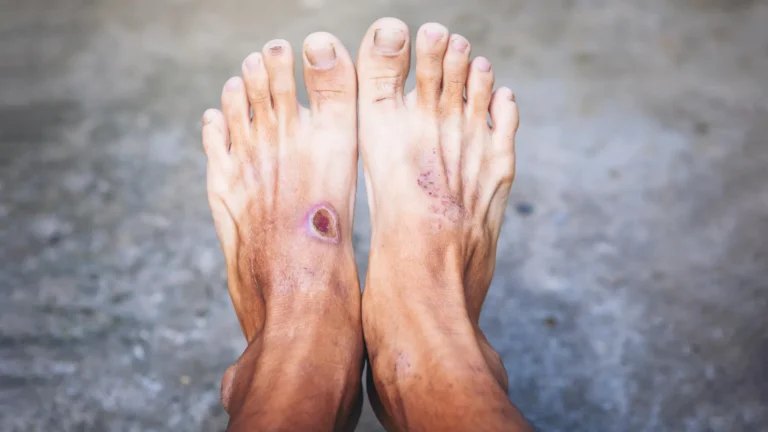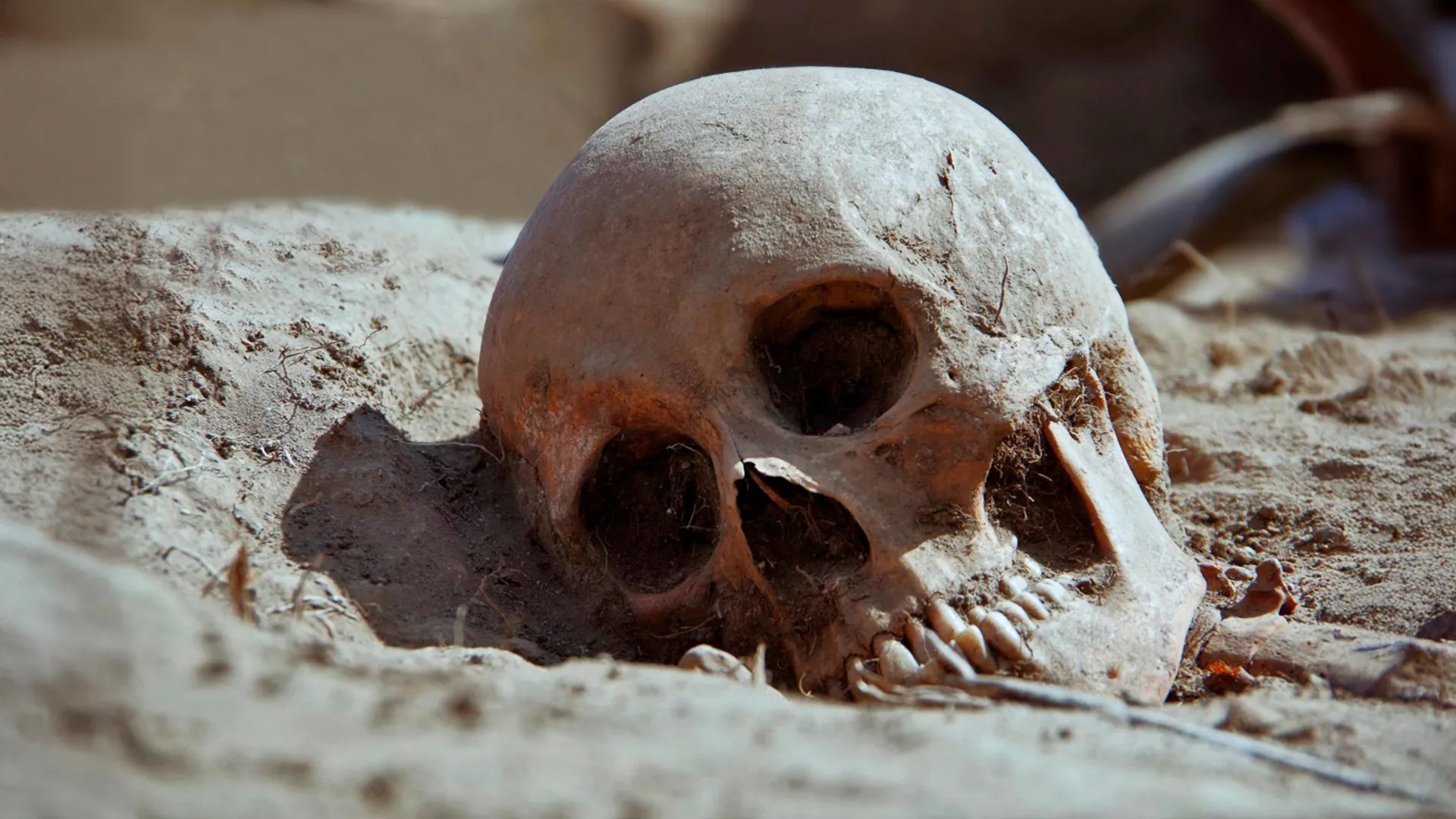
In the realm of bioarchaeology, few debates have been as persistent or as contentious as the origins of syphilis. For decades, the presence of congenital disease in ancient skeletal remains has served as a "smoking gun" for researchers attempting to map the global spread of venereal syphilis. However, a groundbreaking study led by Charles Sturt University is now forcing the scientific community to reconsider these long-held diagnostic frameworks.
By analyzing the skeletal remains of children from prehistoric Vietnam, an international research team has identified clear evidence of congenital treponematosis—but with a twist. The findings suggest that mother-to-child transmission, long considered a unique indicator of venereal syphilis, may also occur with non-venereal treponemal diseases such as yaws. This discovery does more than merely correct a diagnostic error; it fundamentally alters our understanding of how infectious diseases have co-evolved with human societies over the millennia.
The Chronology of a Medical Mystery
The origins of Treponema pallidum—the bacterium responsible for syphilis, yaws, and endemic syphilis—have remained shrouded in mystery. Historically, many scholars utilized the "Columbian Hypothesis," which posits that syphilis was brought to Europe from the Americas by Christopher Columbus’s crew in the late 15th century. Central to this debate has been the analysis of ancient bones. When bioarchaeologists encountered skeletal lesions or dental markers indicative of congenital transmission in remains predating the 1490s, they often reflexively classified them as evidence of venereal syphilis, thereby challenging the Columbian origin theory.
However, the timeline of the current study, published in the International Journal of Osteoarchaeology, pushes the narrative back significantly. The research team, led by Dr. Melandri Vlok, a Lecturer in Anatomy and Physiology at Charles Sturt University, examined 309 individuals excavated from 16 archaeological sites across northern and southern Vietnam. These remains, which date back between 4,000 and 1,000 years, provided a rare window into the health profile of prehistoric Southeast Asian populations.
Among these individuals, three young children exhibited definitive diagnostic signs of congenital treponematosis. Their skeletal lesions and distinctive dental abnormalities, known as "Hutchinson’s teeth" and mulberry molars, were clear indicators of an infection inherited during gestation. Crucially, these remains date back at least 3,500 years—well before the period typically associated with the global emergence of venereal syphilis.
Supporting Data: The Man Bac Connection
The significance of the study is anchored in the specific epidemiological patterns found at the Man Bac archaeological site in northern Vietnam. Man Bac has long been a focal point for researchers due to its high density of treponemal disease markers. By mapping the age distribution of infections at the site, the research team identified a critical trend: the infections were heavily concentrated among children and adolescents.
In modern epidemiology, this age-specific distribution is a classic indicator of non-venereal treponemal diseases. Unlike venereal syphilis, which is transmitted through sexual contact, diseases like yaws are typically spread through skin-to-skin contact in childhood. The fact that the population showed clear patterns of non-venereal transmission, yet still presented with congenital markers, created a scientific paradox that Dr. Vlok and her colleagues were uniquely positioned to solve.
"The epidemiology of the site strongly points toward a non-venereal form of treponemal disease," Dr. Vlok noted. "Yet we still see evidence of congenital transmission. That’s the surprising part."
The data suggests that the categorization of these skeletal remains cannot be binary. The presence of congenital infection is no longer a reliable diagnostic shortcut for venereal syphilis, as the bacteria responsible for yaws—which thrives in tropical environments—can also cross the placental barrier, resulting in congenital manifestations that mimic syphilis.
Official Responses and Expert Insights
The study has sent ripples through the fields of paleopathology and evolutionary medicine. By decoupling congenital transmission from venereal syphilis, the researchers have effectively removed one of the primary pieces of evidence used to argue for the presence of syphilis in ancient Eurasia.
"For decades, congenital infection in archaeological remains has often been taken as strong evidence of venereal syphilis," Dr. Vlok said. "Our research shows that this assumption may not always hold true. Other treponemal diseases may also have been transmitted from mother to child. If congenital transmission can occur in non-venereal treponematoses, then we need to rethink how we interpret skeletal evidence in the past. Some cases previously labeled as congenital syphilis may represent entirely different diseases."
The implications are far-reaching. Without the "congenital indicator," the evidence for pre-Columbian venereal syphilis outside of the Americas becomes significantly thinner. Current genetic studies of archaeological remains in both Europe and the Americas have failed to identify confirmed biological evidence of pre-Columbian venereal syphilis, pointing instead toward a far more complex evolutionary history of the Treponema genus.
Ethical Challenges and Future Directions
The study also serves as a poignant reminder of the logistical and ethical hurdles inherent in modern bioarchaeology. Recovering ancient DNA in tropical climates like Vietnam is notoriously difficult due to the rapid degradation of organic material in heat and humidity. Consequently, researchers must often rely on morphological analysis—the study of physical bone and tooth structure—which, while valuable, carries its own limitations.
Ms. Minh Tran, a PhD student from the University of the Philippines, Diliman, and co-lead author of the study, emphasized the need for a shift in how researchers approach ancient remains. "In tropical environments, recovering ancient DNA is incredibly difficult, and destructive sampling raises important ethical questions," Tran said. "Future research must move in new directions working in genuine partnership with communities connected to these remains, considering preservation before any biomolecular work begins."
The ethical landscape of archaeological research is evolving. There is a growing consensus that the traditional practice of "destructive sampling"—where small pieces of bone or teeth are ground up to extract DNA—must be balanced against the cultural and spiritual significance of the remains. This new approach advocates for community consultation and a focus on non-invasive analysis whenever possible.
Implications for Global Health and History
The discovery does not merely rewrite the past; it informs our understanding of current global health crises. Treponema pallidum is a remarkably adaptable pathogen, and its ability to shift its mode of transmission and clinical presentation is a hallmark of its survival strategy.
As climate change alters environments globally, tropical diseases like yaws are beginning to re-emerge in areas where they were previously considered controlled or eradicated. By viewing these pathogens through a long-term evolutionary lens, scientists can better understand the factors that drive their resurgence.
"Treponemal diseases have a far more complex history than we once thought," Dr. Vlok concluded. "Understanding that complexity is essential if we want to reconstruct how infectious diseases shaped human history. Especially as treponemal disease like yaws is re-emerging due to the climate crisis."
Ultimately, the Charles Sturt University study challenges the scientific community to abandon oversimplified narratives. The story of human disease is not a linear progression from "primitive" to "modern" forms, but rather a tangled web of adaptation and coexistence. By revisiting the remains of children who lived 3,500 years ago in Vietnam, researchers have proven that our ancestors’ struggles with infection were as nuanced and complex as our own, providing a vital lesson for the future of medicine and the study of human history.