









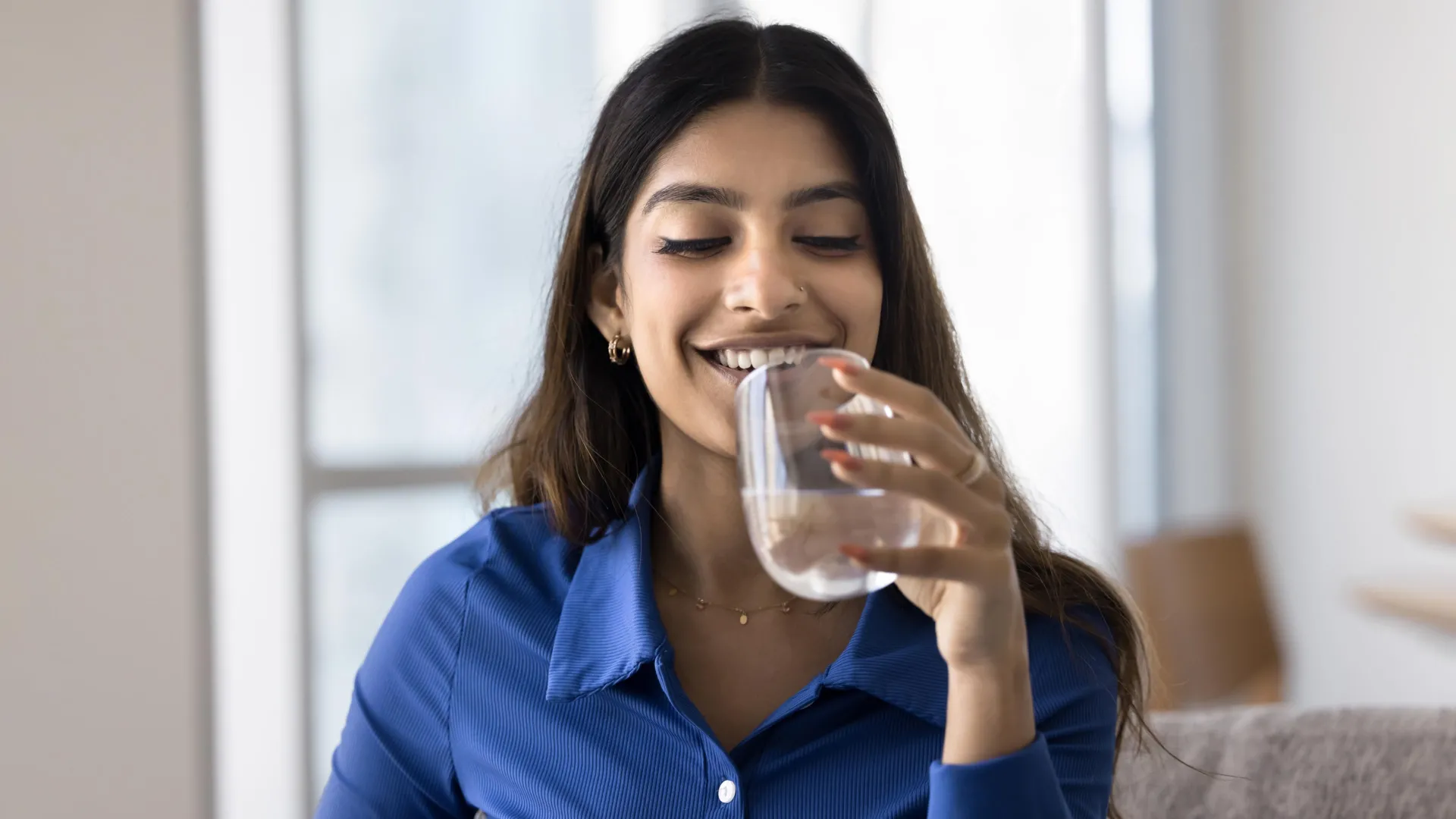
For decades, the public health community has sounded the alarm regarding the detrimental effects of sugary, acidic sodas on dental enamel. As health-conscious consumers pivot away from high-fructose corn syrup and toward the bubbly, refreshing alternative of unsweetened sparkling water, a critical question has emerged: is this switch actually better for our teeth?
New preliminary research presented at NUTRITION 2026, the flagship annual meeting of the American Society for Nutrition, suggests that while sparkling water is not entirely inert, it presents a significantly lower risk profile for dental erosion than traditional soda. The findings, presented by Wajiha Zulfiqar, a graduate student in Nutrition Science at Purdue University, offer a more nuanced understanding of how our beverage choices influence the chemical environment of the oral cavity in real-time.
The Science of Erosion: Understanding Oral pH
To understand why this research matters, one must first understand the mechanism of dental erosion. Tooth enamel—the hard, protective outer layer of the tooth—is the most mineralized substance in the human body. However, it is highly susceptible to demineralization when exposed to acidic environments.
The "critical pH" threshold for dental enamel is approximately 5.5. When the mouth’s internal pH drops below this level, the minerals that compose the enamel begin to dissolve, a process that, over time, leads to thinning, sensitivity, and increased vulnerability to cavities.
While the acidity of a drink (its pH level) is often cited as the primary culprit, Zulfiqar’s research team moved beyond static measurements of the liquids themselves. Instead, they focused on "salivary pH"—the actual acidity of the environment inside the mouth after a beverage has been consumed. This approach accounts for the mouth’s natural buffering capacity, primarily driven by saliva, which works to neutralize acids and return the oral environment to a state of equilibrium.
Chronology of the Study: A Controlled Investigation
The study, conducted at Purdue University, sought to provide a definitive comparison between four distinct types of fluids: sugar-sweetened soda, regular unsweetened sparkling water, calcium-fortified sparkling water, and plain water, which served as the neutral control.
The Methodology
The research team recruited 20 healthy adults to participate in the study. To ensure the highest level of accuracy and to mitigate the influence of individual physiological differences—such as varying saliva composition or flow rates—every participant consumed all four beverages in a randomized, crossover design.
By having each participant serve as their own control, the researchers were able to isolate the impact of the beverage itself on the oral environment. The team measured salivary pH at specific intervals following consumption to track how quickly the mouth reached its peak acidity and how effectively it recovered to a baseline state.
The Findings
The data revealed a clear hierarchy of risk. As expected, sugar-sweetened soda triggered the most severe and sustained drop in oral pH. Measurements taken at both the 2-minute and 20-minute marks showed that soda kept the mouth’s acidity significantly higher than that of plain water.
The results for sparkling water were more encouraging:
- Regular Sparkling Water: Caused a temporary decline in pH at the 2-minute mark, but the mouth recovered quickly.
- Calcium-Fortified Sparkling Water: Showed a delay in the pH drop, with the lowest point occurring at the 5-minute mark.
- Recovery: Crucially, for both types of sparkling water, the oral pH returned to near-baseline levels within 20 minutes of consumption.
In both instances, the "bubbly" options were far less aggressive than soda. Furthermore, the study confirmed that the body’s natural defenses—saliva—began the restorative process immediately, preventing the mouth from lingering in the "danger zone" below 5.5 for extended periods.
Supporting Data: Why Context Matters
While these findings are promising for sparkling water enthusiasts, the researchers are quick to emphasize that the experiment measured only acute, short-term changes in salivary pH. The real-world impact of any beverage on dental health is a "multi-factor equation."
"The likelihood of dental erosion in everyday life is influenced by a variety of behavioral factors," Zulfiqar explained during her presentation at the Gaylord National Resort & Convention Center in National Harbor, Maryland.
These factors include:
- Frequency of Consumption: Sipping a beverage over the course of several hours keeps the mouth in an acidic state, preventing the saliva from performing its neutralization duties.
- Contact Time: How long the liquid remains in contact with the tooth surface before being swallowed or washed away by saliva.
- Sugar Content: While the acidity causes the initial demineralization, the presence of fermentable carbohydrates (sugar) provides a food source for bacteria, which then produce their own acids, compounding the problem.
Because unsweetened sparkling water lacks these sugars, it eliminates the secondary pathway of decay that makes soda particularly destructive. The study underscores that while carbonation itself creates a mild acidic environment, it does not carry the same "double-threat" profile as a sugary, acidic soda.
Official Responses and Industry Implications
The presentation of these findings has sparked a dialogue regarding the role of the beverage industry in public health. Zulfiqar noted that the results provide an opportunity for beverage manufacturers to rethink their formulas.
"Our results suggest that replacing sugar-sweetened sodas with unsweetened sparkling water may help lower the risk of enamel erosion," said Zulfiqar. "The results also highlight an opportunity for the beverage industry to explore reformulation strategies that could potentially reduce the erosive potential of acidic beverages."
For example, the study’s inclusion of calcium-fortified sparkling water hints at a potential pathway for "safer" carbonated drinks. If minerals like calcium can buffer the acidity of the water, it might be possible to create beverages that are even more tooth-friendly without sacrificing the mouthfeel and carbonation that consumers enjoy.
Long-term Implications for Oral Health
As it stands, the research presented at NUTRITION 2026 is considered preliminary. Because these findings have not yet completed the rigorous peer-review process required for publication in a major scientific journal, they should be viewed as a starting point rather than a final clinical verdict.
However, the implications for the average consumer are clear. For those who struggle to give up the "fizz" of soda, unsweetened sparkling water represents a legitimate harm-reduction strategy.
Future Research Directions
The Purdue research team is already looking ahead to the next phase of their investigation. The plan is to examine the long-term, chronic effects of sparkling water consumption on oral health. While the short-term pH drop is manageable for a healthy mouth, researchers want to know if years of consistent sparkling water consumption might alter other features of the mouth, such as the oral microbiome or the long-term remineralization capacity of the teeth.
They also hope to determine if individual differences—such as the quality and quantity of an individual’s saliva—could make certain people more or less susceptible to the mild acidity of sparkling water.
Conclusion: A Balanced Approach
For the millions of people who have swapped their afternoon cola for a lime-infused seltzer, the news is largely positive. The transition to unsweetened sparkling water effectively removes the high sugar load that is the primary driver of dental cavities and systemic health issues like metabolic syndrome and obesity.
However, dental professionals still advocate for moderation. Drinking water—plain, fluoridated tap water—remains the gold standard for oral hydration. When consuming acidic or carbonated beverages, health experts recommend:
- Drinking in one sitting: Avoid "sipping" over several hours to allow the saliva to neutralize the acid.
- Using a straw: This can help bypass the teeth, reducing direct contact with the enamel.
- Waiting to brush: While it is tempting to brush immediately after drinking something acidic, the enamel may be temporarily softened. Waiting 30 to 60 minutes allows the saliva to remineralize the enamel, preventing the brush bristles from abrading the surface.
As the scientific community continues to refine its understanding of diet and dental health, the research presented by Zulfiqar at NUTRITION 2026 serves as a vital reminder: in the pursuit of a healthier lifestyle, small, informed swaps can have a lasting impact on our physical well-being. The move from soda to sparkling water is not just a trend; it is a scientifically sound step toward protecting our smiles for the long haul.