







Sarcoma is a rare, complex, and often misunderstood family of cancers. While it accounts for only about 1% of all adult cancers, its impact on those diagnosed is profound. For decades, the standard of care—surgery, chemotherapy, and radiation—has remained the frontline defense. However, these traditional methods are not always enough. Today, the landscape is shifting. Immunotherapy, a revolutionary approach that harnesses the body’s own immune system to target malignancy, is beginning to unlock new possibilities for patients, offering hope where traditional therapies have stalled.
Understanding Sarcoma: A Complex Biological Puzzle
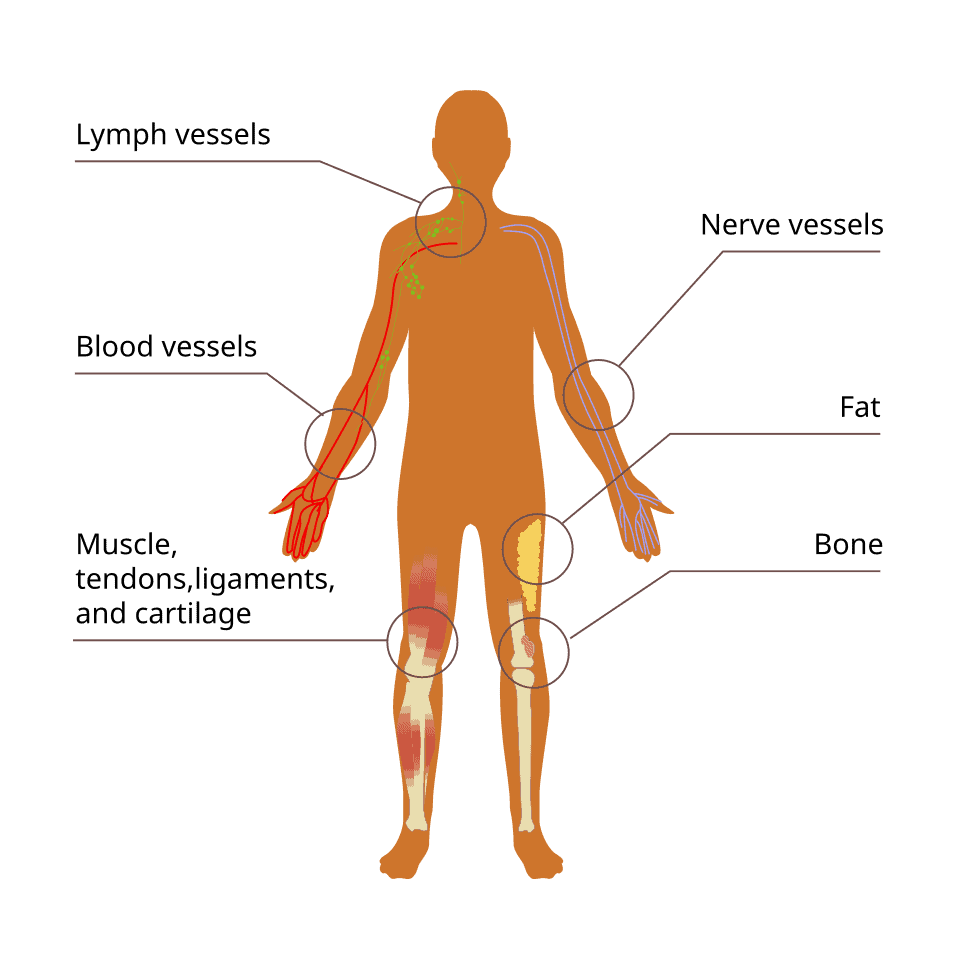
To understand the challenge of treating sarcoma, one must first understand its nature. Unlike carcinomas, which arise in the epithelial cells of organs like the lungs, breasts, or colon, sarcomas originate in the "connective" or "supportive" tissues of the body. These tissues are the scaffolding of human anatomy, encompassing everything from bone and muscle to fat, tendons, cartilage, and blood vessels. Because these tissues are distributed throughout the entire body, a sarcoma can emerge almost anywhere, making it a highly heterogeneous disease.
There are more than 70 recognized subtypes of sarcoma, broadly categorized into soft-tissue sarcomas (which account for the majority of cases) and bone sarcomas (such as osteosarcoma or Ewing sarcoma). Because each subtype possesses a unique genetic and biological profile, they behave differently and respond differently to treatment. This diversity is the primary reason why there is no "one-size-fits-all" approach to sarcoma care. An accurate, molecularly defined diagnosis is not just a clinical step—it is a medical necessity.
The Challenge of Detection
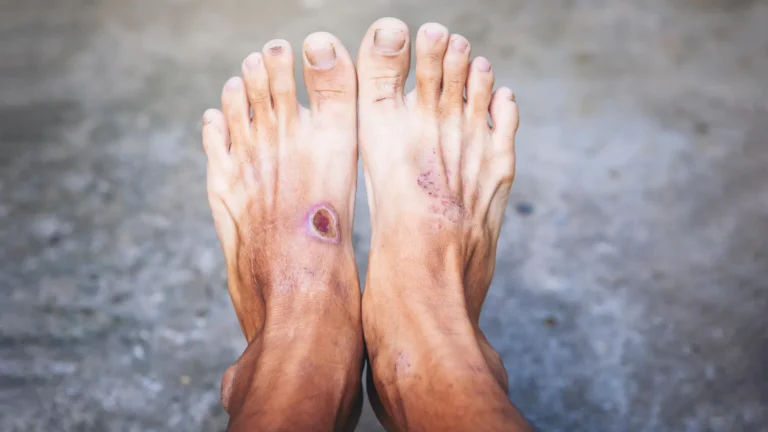
A significant hurdle in managing sarcoma is its silent development. Many sarcomas originate deep within the body, remaining asymptomatic until they grow large enough to compress surrounding nerves, organs, or muscles. Health experts advise that any new, unexplained lump—particularly one that is rapidly growing, painful, or exceeds the size of a golf ball—warrants immediate medical evaluation. While the vast majority of lumps are benign, early detection remains the most effective tool in improving long-term outcomes.
A Chronological Perspective: From "Coley’s Toxins" to Modern Precision
The story of modern immunotherapy is inextricably linked to the history of sarcoma. Long before the era of checkpoint inhibitors and CAR T-cell therapy, the field of cancer immunology was born from a curious observation in a sarcoma patient.
The 1890s: The Genesis of Immuno-Oncology
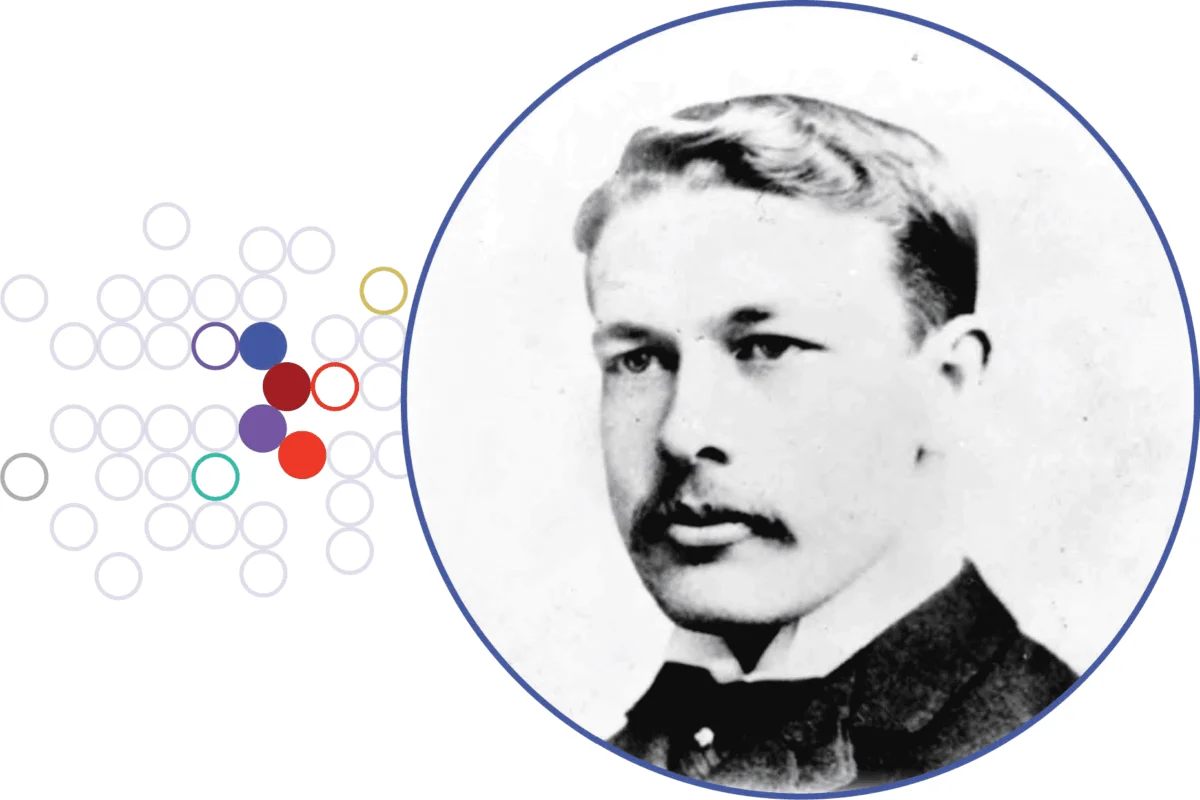
In 1891, Dr. William B. Coley, a bone surgeon at New York Hospital, observed a remarkable phenomenon: a patient with an inoperable sarcoma experienced a complete remission after suffering a severe skin infection. Coley hypothesized that the infection had inadvertently stimulated the patient’s immune system to attack the tumor. He began injecting patients with a mixture of killed bacteria—which became known as "Coley’s Toxins"—to trigger this immune response. While his methods were controversial at the time and eventually sidelined by the rise of radiation and chemotherapy, his work laid the conceptual foundation for what we now recognize as cancer immunotherapy.
The 1950s: The Institutionalization of Research
Decades later, in 1953, Dr. Coley’s daughter, Helen Coley Nauts, co-founded the Cancer Research Institute (CRI). Her mission was to validate her father’s theories and prove that the immune system could be harnessed as a powerful tool against cancer. This effort kept the spark of immunotherapy alive during a time when it was largely ignored by the medical mainstream.
The 2010s to Present: The Era of Precision
The last decade has seen an explosion in the understanding of how cancers evade the immune system. We now know that tumors can develop "checkpoints"—molecular brakes that shut down T-cell activity. By using drugs to release these brakes, doctors can allow the immune system to "see" the tumor again. While these treatments have revolutionized care for melanoma and lung cancer, their application in sarcoma remains a complex, ongoing clinical mission.
Supporting Data: Why Sarcoma Remains a "Hard-to-Treat" Target
The clinical data surrounding sarcoma immunotherapy reveals a complex reality. While immunotherapy has achieved durable, life-extending results for some patients, the response rates across the broad spectrum of sarcoma subtypes are varied.
The Heterogeneity Barrier
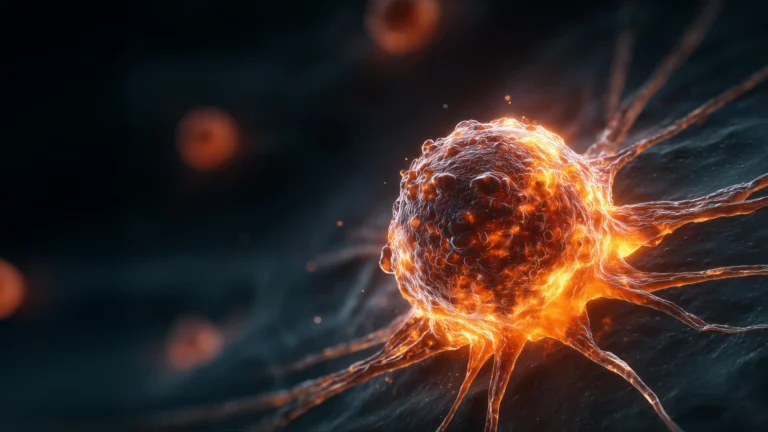
The primary challenge is "tumor microenvironment" (TME). Many sarcomas are described as "cold" tumors, meaning they do not naturally attract a high number of immune cells. Without the presence of these "soldiers" (T-cells) at the site of the tumor, even the best immunotherapy drugs have nothing to activate.
Research indicates that certain subtypes, such as undifferentiated pleomorphic sarcoma (UPS) or those with specific genetic mutations that increase the number of "neoantigens," tend to respond better to checkpoint inhibitors. Conversely, many other subtypes remain resistant. This has led to a shift in research focus: scientists are no longer asking "Does immunotherapy work for sarcoma?" but rather "Which specific patients, with which specific tumor profiles, will benefit from this treatment?"
Clinical Trial Evolution
Current data from major cancer centers suggests that combining immunotherapy with other modalities—such as low-dose chemotherapy or targeted radiation—can help "prime" the tumor, making it more visible to the immune system. This "priming" approach is currently the subject of several high-profile clinical trials, which represent the most significant opportunity for patients with advanced or metastatic disease.
Official Responses and Expert Consensus
Leading oncology organizations, including the American Society of Clinical Oncology (ASCO) and the Sarcoma Foundation of America, emphasize the importance of specialized care. The consensus is clear: patients diagnosed with sarcoma should seek treatment at high-volume, specialized centers.
"Sarcoma is not a single disease," notes a lead researcher from the Cancer Research Institute. "It is a collection of rare, distinct biological entities. When a patient receives a diagnosis, the most important step is to ensure that the pathology is reviewed by an expert in the field. This ensures that the treatment plan—whether it includes immunotherapy or not—is tailored to the specific molecular identity of that patient’s tumor."
The official stance of the research community is one of cautious, evidence-based optimism. While they acknowledge that immunotherapy is not yet a universal cure for all sarcomas, the speed at which the field is moving is unprecedented. "We are moving from a world of trial and error to a world of biological precision," the experts confirm.
Implications for the Future: What Patients Need to Know
For patients and families facing a sarcoma diagnosis, the implications of this progress are significant. The shift toward immunotherapy means that even if standard options have been exhausted, there is an expanding portfolio of clinical trials available.
Navigating the Journey
- Seek Expert Consultation: Because sarcoma is rare, general oncologists may not have experience with the latest immunotherapy protocols. A second opinion at a specialized sarcoma center can be life-saving.
- Genetic Testing: Ask your oncologist about genomic profiling. Understanding the specific mutations of your tumor can help determine if you are a candidate for targeted immunotherapies or specific clinical trials.
- Clinical Trials: These are not just "last resorts." They are often the first place where the newest, most effective combinations of drugs are tested. Engaging with clinical trial databases can open doors to therapies that are not yet available to the general public.
- Community Support: Sarcoma is an isolating diagnosis. Organizations such as the Cancer Research Institute and local sarcoma support groups provide invaluable resources for understanding the latest research and connecting with others who are navigating similar challenges.
The Road Ahead
The future of sarcoma treatment is being written in laboratories around the world. From the development of bispecific T-cell engagers to novel vaccine strategies that train the immune system to recognize sarcoma-specific markers, the potential to turn the tide against this disease is greater than ever.
While the journey for many sarcoma patients remains arduous, the progress made in the last century—from the simple observation of an infection to the sophisticated manipulation of the immune system—proves that we are making steady, calculated progress. The story of sarcoma is no longer just one of fear and uncertainty; it is increasingly a story of resilience, innovation, and the tireless pursuit of a future where immunotherapy provides an answer for everyone.
Disclaimer: This article is for informational purposes only and does not constitute medical advice. Always seek the advice of a physician or other qualified health provider with any questions you may have regarding a medical condition.