









A significant new study has unveiled a sobering reality for the aging population: the intersection of two common health conditions creates a "lethal synergy" that drastically increases the risk of mortality. Research involving over 5,500 adults aged 50 and older has identified that the presence of both abdominal obesity and vitamin D deficiency is linked to a 123% higher risk of death compared to individuals who do not exhibit these clinical markers.
Published in the journal Diabetes, Obesity and Metabolism, the study provides a clarion call for clinicians and patients alike. While both conditions are recognized individually as precursors to poor health outcomes, their combined presence acts as a powerful catalyst, accelerating the progression of chronic disease and diminishing overall longevity.
The Core Findings: A Statistical Look at Mortality Risk
The investigation, which spanned six years of observation, utilized data from the English Longitudinal Study of Ageing (ELSA), a robust and internationally recognized dataset. The results paint a stark picture of the physiological toll exacted by these two factors.
Researchers established clear parameters for the conditions under study:
- Abdominal Obesity: Defined as a waist circumference exceeding 102 centimeters for men and 88 centimeters for women.
- Vitamin D Deficiency: Classified as serum levels falling below 30 nmol/L.
When analyzing the mortality data, the researchers found that each condition carried its own inherent danger. Abdominal obesity alone was associated with a 47% increase in the risk of death. Vitamin D deficiency, perhaps due to its systemic role in hormonal and immune health, proved even more dangerous, carrying a 91% higher risk of mortality.
However, the most startling discovery was the compounding effect. When these two conditions co-occurred in the same individual, the risk of death skyrocketed by 123%—more than doubling the baseline risk. This suggests that the body’s ability to defend itself against the stressors of aging is fundamentally crippled when it is simultaneously burdened by excess visceral fat and a lack of the hormone-like vitamin D.
A Six-Year Longitudinal Journey
The study was a collaborative international effort, led by the Federal University of São Carlos (UFSCar) in Brazil in partnership with University College London (UCL) in the United Kingdom, and supported by funding from the São Paulo Research Foundation (FAPESP).
The research team tracked 5,520 participants, all aged 50 or older, over a six-year period. By observing this cohort, the researchers were able to move beyond a simple snapshot of health and instead analyze how these two factors influenced the trajectory of health over time.
The chronological progression of the data revealed that these risks are not merely static measurements; they are indicators of a deteriorating physiological environment. As participants aged, those who failed to address either abdominal adiposity or low vitamin D levels consistently showed higher rates of functional decline, increased morbidity, and higher mortality rates.
The Biological Mechanism: Why the Body Fails
To understand why this specific combination is so lethal, one must look at the biological interplay between fat cells and the endocrine system. Tiago Silva Alexandre, a professor in the Department of Gerontology at UFSCar and the coordinator of the study, explains that the body enters a "harmful cycle" when these conditions coexist.
The Sequestration of Vitamin D
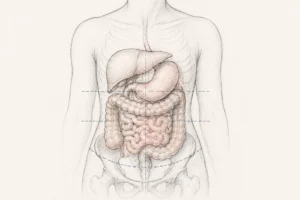
Abdominal fat is not merely an inert storage space for energy; it is an active endocrine organ. One of the most dangerous consequences of visceral adiposity is that it can "sequester" vitamin D. Fat cells (adipocytes) trap the vitamin circulating in the body, effectively locking it away and preventing it from reaching the bloodstream where it is needed for vital functions.
"This means that although the body may have the vitamin stored in fat, it isn’t freely available in the blood to perform vital functions in other organs and systems," Dr. Alexandre notes.
Metabolic Interference
Beyond sequestration, obesity alters the very machinery the body uses to process vitamin D. Research indicates that obese individuals exhibit lower expression of specific enzymes required for vitamin D metabolism. This creates a secondary deficit: even if the individual consumes or synthesizes enough vitamin D through sunlight, the body lacks the enzymatic capacity to activate and utilize it properly.
The Inflammatory Cascade: "Inflammaging"
The aging process is inherently tied to a phenomenon researchers call "inflammaging"—a state of low-grade, chronic systemic inflammation. As we age, our immune systems become less efficient, often producing an overabundance of inflammatory cytokines.
Vitamin D acts as a crucial regulator of the immune system, serving as a brake on the inflammatory process. When vitamin D levels are deficient, this "brake" is removed. When this is compounded by the chronic, low-level inflammation caused by visceral fat, the result is an "unfavorable systemic environment."
"Under normal conditions, vitamin D acts as a regulator of the immune system, preventing inflammation from getting out of control," Dr. Alexandre explains. "When vitamin D levels are low and there’s excess abdominal fat, that environment accelerates cardiovascular and metabolic diseases, as well as muscle loss."
Implications: A Cascade Effect on Independence
The findings of this study are part of a broader research initiative aimed at understanding the mechanics of aging. Dr. Alexandre and his team have identified what they describe as a "cascade effect."
It begins with the systemic decline caused by vitamin D deficiency and inflammation. This leads to a measurable loss of muscle strength, which inevitably results in reduced walking speed. As physical mobility decreases, the elderly individual loses independence, leading to a cycle of reduced activity, further muscle wasting, and increased dependence on others for daily tasks.
Furthermore, the team’s separate research suggests that the damage extends to the brain. Vitamin D deficiency has been linked to an increased risk of cognitive decline, likely due to its role in regulating the central nervous system. Because vitamin D is essential for blood pressure regulation, heart rate, and endocrine function, a deficit effectively compromises the entire operating system of the human body.
Clinical Recommendations: A Call to Action
The implications of this study are clear: for those over the age of 50, abdominal obesity and vitamin D levels should be treated as vital clinical markers rather than mere lifestyle observations.
Monitoring and Intervention
Dr. Alexandre advocates for a proactive approach. "Monitoring vitamin D levels and treating excess abdominal fat are essential measures to prevent premature death, especially after age 50," he urges.
For clinicians, this means:
- Routine Screening: Including regular checks of serum 25-hydroxyvitamin D levels in patients over 50, particularly those with higher waist circumferences.
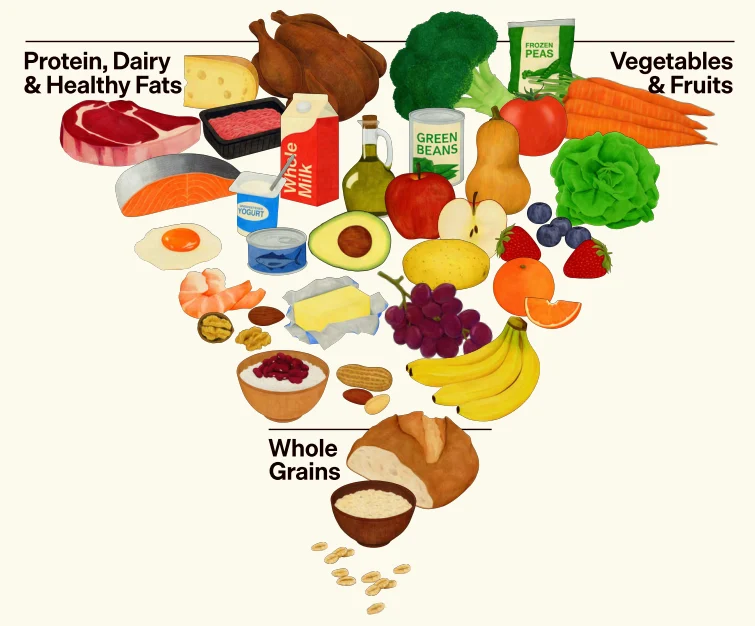
- Targeted Weight Management: Prioritizing the reduction of visceral (abdominal) fat through evidence-based dietary changes and physical activity, rather than focusing solely on overall body weight.
- Supplementation Strategies: Recognizing that individuals with abdominal obesity may require different dosing strategies for vitamin D due to the sequestration and metabolic issues identified in the study.
The Path Forward
As the global population ages, the burden of chronic disease is expected to rise. Identifying high-risk profiles like the one described in this study allows for earlier interventions that could not only save lives but significantly improve the quality of life for millions.
The synergy between abdominal fat and vitamin D deficiency serves as a potent reminder that our internal health is a complex, interconnected web. By addressing these two factors, we can potentially interrupt the cascade of decline that often characterizes the aging process, offering a path toward a healthier, more independent future.
The message from the researchers is one of both caution and empowerment: while the combination of these conditions is dangerous, they are also modifiable risks. Through medical supervision, proper nutrition, and lifestyle adjustments, the trajectory of aging can be altered, potentially mitigating the "lethal synergy" that has been hidden in plain sight.