








In a potential paradigm shift for cardiovascular medicine, a groundbreaking phase three clinical trial has unveiled a new experimental medication that could fundamentally change how millions of Americans manage their heart health. The drug, known as enlicitide, has demonstrated the ability to lower low-density lipoprotein (LDL) cholesterol—widely categorized as "bad" cholesterol—by as much as 60%.
The findings, published in the New England Journal of Medicine, arrive at a critical juncture in public health. Despite the widespread availability of statins, fewer than half of patients with established atherosclerotic cardiovascular disease currently meet their target LDL cholesterol goals. If granted approval by the U.S. Food and Drug Administration (FDA), enlicitide promises to bridge this gap, offering a once-daily oral therapy that matches the potency of injectable biologics.
The Scientific Foundation: A Legacy of Discovery
The development of enlicitide is not an isolated achievement; rather, it is the culmination of decades of rigorous research at UT Southwestern Medical Center, a hub for cholesterol innovation. To understand the significance of this new pill, one must trace the historical trajectory of lipid science.
The Nobel-Winning Breakthrough
In the 1980s, the landscape of cardiology was permanently altered by researchers Michael Brown, M.D., and Joseph Goldstein, M.D. Their identification of the LDL receptor on the surface of liver cells—the primary mechanism by which the body clears cholesterol from the bloodstream—earned them the 1985 Nobel Prize in Physiology or Medicine. Their work provided the fundamental blueprint for the development of statins, which have since become the gold standard for cholesterol management.
The Genetic Clues of the Dallas Heart Study
The next leap in understanding came from the Dallas Heart Study, led by Helen Hobbs, M.D., and Jonathan Cohen, Ph.D. Their research revealed that certain individuals possessed a genetic variant that inhibited the production of the PCSK9 protein. This protein normally limits the number of LDL receptors on liver cells; by reducing its influence, the liver becomes more efficient at scavenging LDL from the blood.
This discovery catalyzed the development of PCSK9 inhibitors—injectable medications like evolocumab and alirocumab. While these drugs were remarkably effective at slashing cholesterol levels by approximately 60%, their adoption in clinical practice was hampered by administrative hurdles, high costs, and the psychological barrier of self-injection.
Clinical Trial Insights: Bridging the Gap
The phase three clinical trial for enlicitide involved a robust cohort of 2,909 participants, all of whom suffered from atherosclerosis or were at high risk for cardiovascular events. The study design was meticulously structured to mirror real-world clinical conditions, with roughly two-thirds of the participants assigned to the enlicitide group and the remainder to a placebo group.
The Limitations of Standard Care
One of the most revealing aspects of the trial was the baseline health of the participants. Most were already adhering to statin regimens, yet their average LDL cholesterol remained at 96 mg/dl. For patients with atherosclerosis, the recommended threshold is typically 70 mg/dl, while those at higher risk are advised to aim for 55 mg/dl.
"The study population reflects what we see in clinical practice," explained Dr. Ann Marie Navar, the study’s lead author and an Associate Professor of Internal Medicine at UT Southwestern. "Even the highest intensity statins are often not enough to get people to their cholesterol goals. An oral therapy this effective has the potential to dramatically improve our ability to prevent heart attacks and strokes on a population level."
Efficacy and Durability
After 24 weeks of consistent dosing, the results were unequivocal: patients taking enlicitide saw their LDL levels plummet by 60% compared to those receiving the placebo. Beyond the primary endpoint of LDL reduction, the drug also demonstrated significant improvements in other critical cardiovascular biomarkers, including non-HDL cholesterol, apolipoprotein B, and lipoprotein(a). Notably, these health gains were sustained over a full year of monitoring, suggesting both long-term efficacy and safety.
Why Enlicitide Changes the Game
For decades, the "pill vs. injection" debate has dominated the conversation regarding cardiovascular adherence. While injectable PCSK9 inhibitors have proven their worth in clinical settings, they have struggled to gain widespread traction in primary care.
Overcoming Barriers to Adherence
The primary advantage of enlicitide is its delivery method. By packing the potency of an injectable biologic into a daily pill, the drug removes the friction associated with cold-chain storage, pharmacy-benefit management of specialty drugs, and the discomfort of needles. For many patients, the shift from a specialized injectable to a routine oral tablet could mean the difference between consistent treatment and therapeutic non-adherence.
Addressing the Atherosclerotic Crisis
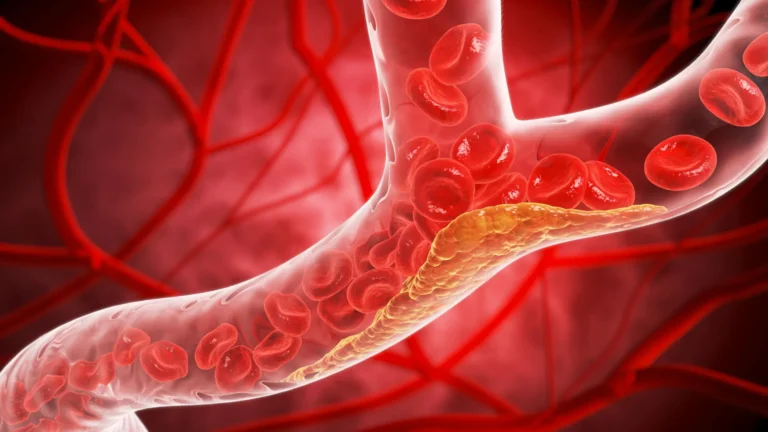
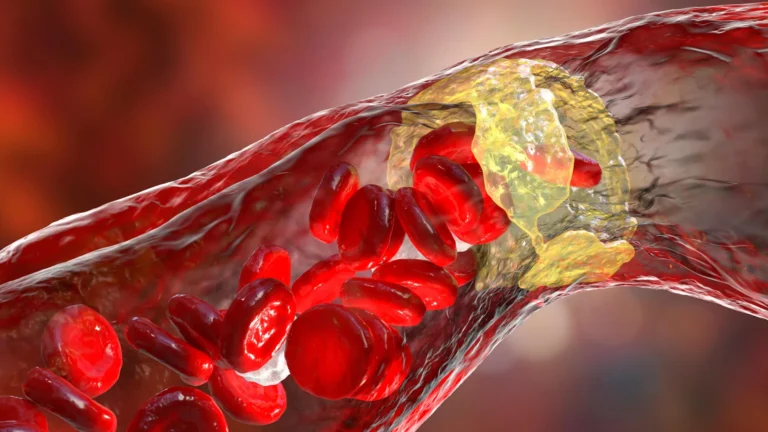
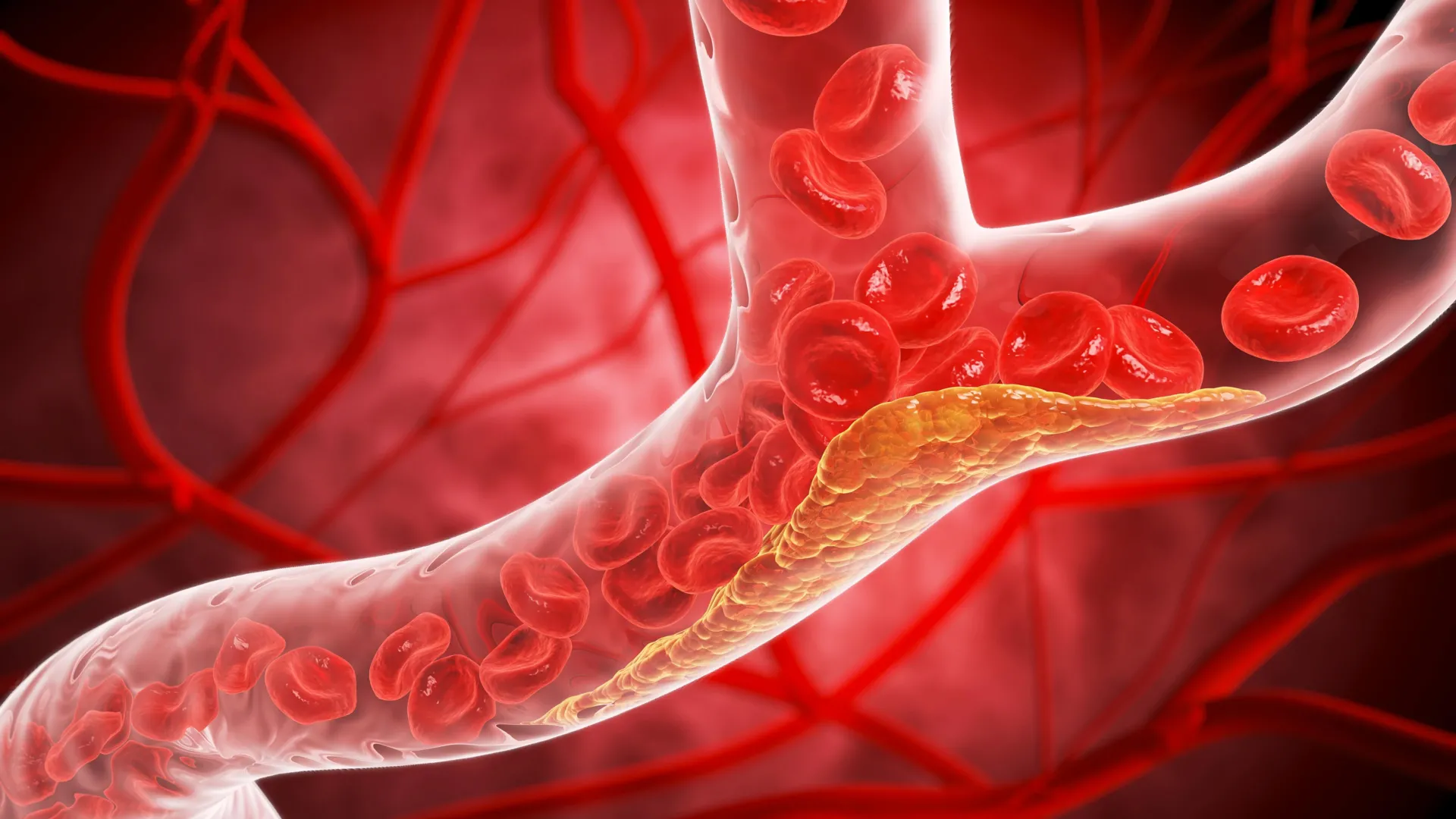
Atherosclerosis is a silent, progressive disease. LDL particles penetrate the arterial walls, creating a buildup that eventually restricts blood flow, causing heart attacks and strokes. By aggressively lowering LDL, clinicians are not just treating a number on a lab report; they are actively arresting the progression of a disease that remains the leading cause of death globally.
"These reductions in LDL cholesterol are the most we have ever achieved with an oral drug by far since the development of statins," noted Dr. Navar.
Official Responses and Industry Perspectives
The trial, sponsored by Merck & Co. Inc., has been met with guarded optimism by the cardiology community. The study provides a clear data set that will be central to upcoming FDA submissions.
The Financial and Regulatory Landscape
The study’s funding by Merck Sharp & Dohme reflects the high stakes of the lipid-lowering market. Transparency regarding financial disclosures was maintained, with Dr. Navar acknowledging consulting fees from Merck and other pharmaceutical firms involved in lipid-lowering research. This disclosure is a standard requirement in high-impact medical journals to ensure the integrity of the findings is evaluated independently of the commercial interests involved.
What Comes Next: The Cardiovascular Outcomes Trial
While the 60% reduction in LDL is a major milestone, the ultimate goal of any cardiovascular medication is the prevention of clinical events. Researchers are already looking ahead to the next phase: a definitive outcomes trial designed to confirm whether the observed reduction in cholesterol translates into a statistically significant decrease in heart attacks, strokes, and cardiovascular-related deaths.
This "outcomes" data will be the final piece of the puzzle required for widespread clinical adoption and, eventually, inclusion in official heart health guidelines.
Implications for Public Health Policy
If enlicitide receives regulatory approval, the healthcare system will face a new set of challenges and opportunities.
- Accessibility: The shift to an oral medication may allow for lower production costs compared to complex biologics, potentially easing the financial burden on the healthcare system and expanding access for underserved populations.
- Clinical Practice: Primary care physicians, who often feel uncomfortable managing complex injectable therapies, may be more inclined to prescribe enlicitide. This could significantly widen the safety net for at-risk patients who currently fall through the cracks of the medical system.
- Preventative Strategy: The drug represents a potential new weapon in the arsenal of preventative medicine. As the population ages, the ability to manage cholesterol levels with a simple, once-daily pill could prevent millions of hospitalizations, saving both lives and billions in long-term care costs.
Conclusion
The story of enlicitide is, in many ways, the story of modern medicine: a journey from fundamental biological discovery to targeted molecular therapy. By building upon the legacy of Nobel Prize-winning research and the genetic insights of the Dallas Heart Study, enlicitide represents a sophisticated evolution in our fight against heart disease.
As the scientific community awaits the results of ongoing outcomes trials, one thing remains clear: the potential for a new, highly effective, and easily administered treatment is within reach. For the millions of Americans living with the constant, underlying threat of atherosclerotic cardiovascular disease, this small pill could eventually offer a massive improvement in quality of life and longevity.
The path to approval is rarely linear, but with 60% efficacy and the simplicity of an oral dosage, enlicitide is poised to become one of the most significant developments in cardiovascular health of the 21st century.
Disclaimer: This article is for informational purposes and does not constitute medical advice. Patients should always consult with their healthcare providers regarding heart health and medication options.