











For the first time since 2018, the medical landscape regarding cardiovascular prevention has undergone a seismic shift. On March 28, 2026, the American College of Cardiology (ACC) and the American Heart Association (AHA) unveiled their highly anticipated clinical guidance on the screening and management of blood cholesterol. Presented at the ACC’s 75th Annual Scientific Session in New Orleans and simultaneously published in the Journal of the American College of Cardiology and Circulation, these guidelines represent a fundamental evolution in how clinicians identify, assess, and treat the silent drivers of heart disease.
The release arrives at a pivotal moment, closely followed by the publication of "The ABCs of Cardiovascular Disease Prevention: Communicating What We Know in 2026" in the American Journal of Preventive Cardiology. This new framework moves away from a "one-size-fits-all" approach, championing instead a highly personalized strategy that prioritizes lifelong cardiovascular health over reactive, late-stage intervention.
The Main Facts: A Paradigm Shift in Prevention
The core objective of the 2026 guidelines is the aggressive reduction of low-density lipoprotein (LDL) cholesterol—the so-called "bad cholesterol"—and other atherogenic lipids such as lipoprotein(a) or Lp(a). The guidelines underscore that cardiovascular health is not merely the absence of disease but a cumulative process that begins in early adulthood.
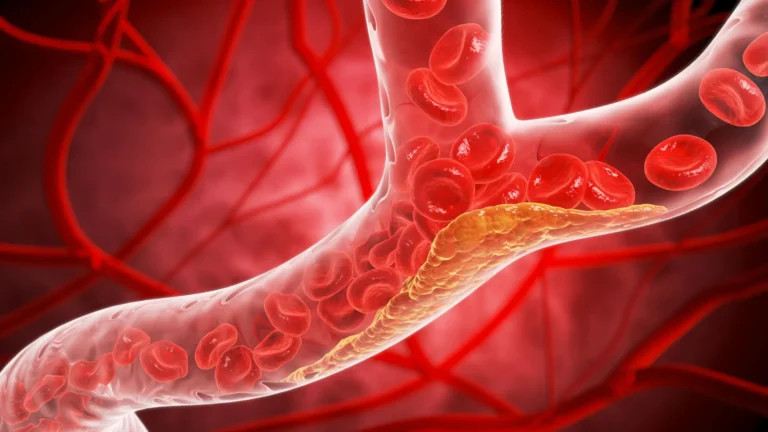
Central to this new directive is the move toward earlier screening and the use of sophisticated risk-assessment tools. The guidelines emphasize that lowering LDL levels is paramount to preventing atherosclerosis, the buildup of plaque that leads to life-threatening heart attacks and strokes. By shifting the clinical focus to younger demographics and integrating genetic and lifestyle-based risk factors, the ACC and AHA aim to "bend the curve" of cardiovascular mortality, which remains a leading cause of death globally.
Chronology of Cardiovascular Management
The evolution of these guidelines reflects the rapidly changing landscape of medical technology and epidemiological data:
- 2018: The previous landmark guidelines were released, which established the foundation for modern statin therapy and risk stratification.
- 2019–2025: A period of intense research into novel lipid-lowering therapies (such as PCSK9 inhibitors) and the development of more comprehensive data-gathering techniques.
- March 2026: The official unveiling of the 2026 Guideline on the Management of Dyslipidemia at the ACC’s 75th Annual Scientific Session.
- Post-2026: The implementation phase, where primary care physicians and cardiologists are expected to integrate the new PREVENT risk calculator and updated LDL targets into routine patient care.
Supporting Data: Why the Update Was Necessary
The urgency of these recommendations is backed by sobering statistics. Currently, roughly one in four American adults suffers from elevated LDL-C levels. Atherosclerosis, the process of plaque accumulation in artery walls, is a slow-moving killer. When these plaques rupture, they trigger acute events—myocardial infarctions or strokes—that necessitate emergency intervention.
The new guidelines are built upon a vastly expanded evidence base. The previous risk-assessment model relied on a dataset of approximately 26,000 individuals. In stark contrast, the newly introduced "Predicting Risk of Cardiovascular Disease EVENTs" (PREVENT) calculator draws on longitudinal data from 6.6 million people. This massive increase in scale allows for a far more accurate prediction of 10- and 30-year heart attack and stroke risks.
Furthermore, the inclusion of non-traditional risk factors—such as blood sugar levels and kidney function—reflects a more holistic understanding of systemic vascular health. The data makes it clear: elevated lipids are not just a dietary concern but are inextricably linked to metabolic health and renal function.
Official Responses and Expert Perspectives
Dr. Roger S. Blumenthal, chair of the guideline writing committee and director of the Johns Hopkins Ciccarone Center for the Prevention of Cardiovascular Disease, emphasized the philosophy behind these changes. "We know that lower LDL cholesterol levels are better when it comes to reducing the risk of heart attacks, strokes, and congestive heart failure," Dr. Blumenthal stated. "Bringing elevated lipids and blood pressure down in young adults supports optimal heart and vascular health throughout a person’s life."
Echoing this sentiment, Dr. Seth Martin, a cardiologist and committee member, highlighted the long-term impact of the shift. "Shifting the paradigm toward proactive prevention strategies earlier in life can meaningfully change the trajectory of cardiovascular disease and lead to better health outcomes for people decades later," he noted.
The committee’s consensus is that while pharmaceutical intervention is a critical tool, the foundation of heart health remains rooted in lifestyle. Experts continue to advocate for a balanced diet, regular physical activity, tobacco cessation, adequate sleep, and weight management. Dr. Blumenthal estimates that 80% to 90% of cardiovascular disease is linked to modifiable factors, reinforcing the idea that patients remain the primary stewards of their own heart health.
Clinical Implications: A More Precise Approach
New Screening and Genetic Factors
A major departure from the 2018 standards is the recommendation for earlier screening, especially for those with a family history of atherosclerosis. The guidelines now explicitly state that individuals with familial hypercholesterolemia should be screened as early as age nine.
Moreover, the introduction of a one-time test for lipoprotein(a) is a significant advancement. Lp(a) is a genetically determined lipid that can increase heart disease risk by 40% at levels of 125 nmol/L and double the risk at 250 nmol/L. By identifying these genetic markers early, clinicians can initiate preventative therapies long before damage to the coronary arteries occurs.
Risk Enhancers and Advanced Imaging
For patients whose risk profile is "borderline" or "moderate," the 2026 guidelines suggest looking beyond standard lipid panels. Clinicians are encouraged to use "risk enhancers," which include:
- Inflammatory markers: Testing for high-sensitivity C-reactive protein (hsCRP).
- Life events: Considering the impact of early menopause or pregnancy complications such as preeclampsia and gestational diabetes.
- Imaging: Utilizing coronary artery calcium scans to visually identify plaque buildup, allowing for a highly personalized treatment plan.
Expanded Treatment Targets
The treatment landscape has become more nuanced. The guidelines provide specific protocols for pregnant or breastfeeding individuals, the elderly (age 75+), and patients with complex conditions like HIV, cancer, or advanced kidney disease.
The LDL-C targets have also been refined to be more aggressive:
- Low-risk individuals: Aim for levels below 100 mg/dL.
- Intermediate-risk individuals: Aim for levels below 70 mg/dL.
- High-risk individuals: Aim for levels below 55 mg/dL.
To reach these goals, the guidelines move beyond statins. The inclusion of ezetimibe, bempedoic acid, and injectable PCSK9 monoclonal antibodies provides a robust toolkit for patients who either cannot tolerate statins or require a combination therapy approach to hit their targets.
Future Horizons: The Path Toward Aggressive Prevention
The 2026 guidelines are not a static document; they are a living framework designed to evolve with ongoing research. An accompanying editorial suggests that the medical community may soon push for even lower LDL-C targets—potentially below 55 mg/dL for all patients with moderate atherosclerosis. This movement is fueled by findings from the VESALIUS-CV clinical trial, which demonstrated that aggressive, multi-drug cholesterol-lowering regimens yield significant clinical benefits that were previously thought to be unattainable.
As these guidelines filter into clinical practice, the emphasis will remain on shared decision-making. The goal is to move the conversation from "treating high cholesterol" to "managing lifelong cardiovascular risk." By empowering both the patient and the physician with better data, more accurate risk tools, and a wider array of pharmacological options, the ACC and AHA have set a new benchmark for heart health in the 21st century.
For the patient, the message is clear: knowledge of one’s family history, awareness of one’s genetic markers like Lp(a), and proactive management of lifestyle factors are the most potent tools available to ensure a long, healthy life. With the 2026 guidelines, the medical community is now better equipped than ever to assist patients in navigating this journey, turning the tide against the world’s most pervasive health challenge.