





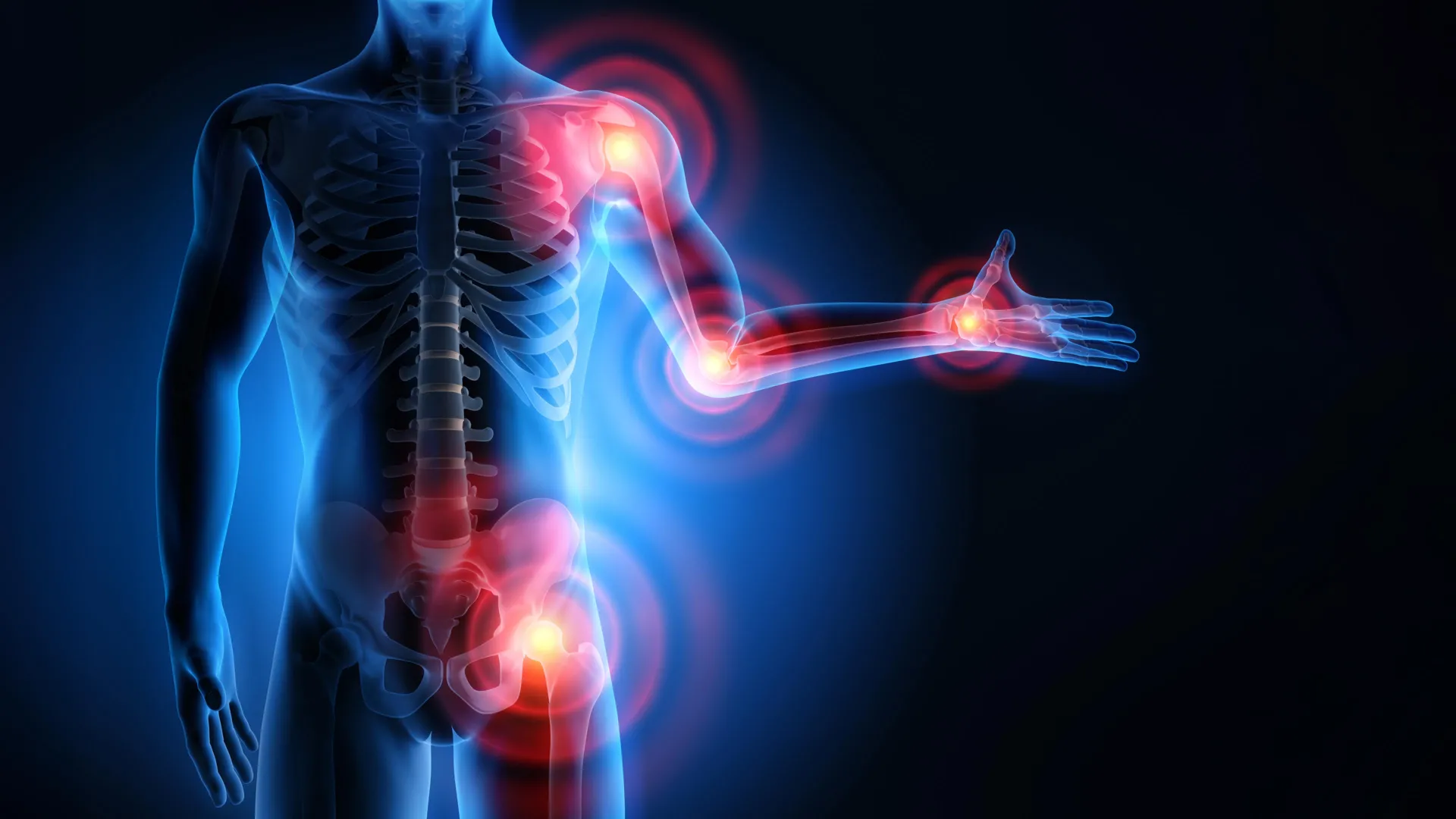
For millions of individuals worldwide, the daily ritual of taking a statin is a cornerstone of preventative medicine. As one of the most widely prescribed classes of medication in history, statins have proven remarkably effective at lowering low-density lipoprotein (LDL) cholesterol, thereby drastically reducing the incidence of life-threatening cardiovascular events, including heart attacks and strokes. Yet, for a significant subset of these patients, the life-saving benefit comes with a debilitating trade-off: muscle pain, weakness, and an exercise intolerance that can make everyday activities a struggle.
For years, this "statin intolerance" has been a major hurdle in clinical practice, often forcing patients to lower their doses or abandon treatment entirely, inadvertently putting their heart health at risk. Now, a groundbreaking study from researchers at McMaster University may have finally cracked the code, identifying a biological pathway that links statin use to muscle damage. This discovery, published in the journal Science Advances, offers a glimmer of hope for a future where patients can reap the cardiovascular benefits of statins without the punishing physical side effects.
The Core Discovery: A Metabolic-Immune Nexus
The research, led by senior author Jonathan Schertzer, a professor in McMaster’s Department of Biochemistry and Biomedical Sciences, and first authors Nazli Robin and Nicole Barra, centers on a previously unrecognized interaction between the immune system and muscle cell metabolism.
For decades, the scientific community operated under the assumption that statin-related muscle side effects were largely a direct consequence of the drugs’ primary mechanism—the inhibition of the HMG-CoA reductase enzyme, which prevents the liver from producing cholesterol. While this theory explained the cholesterol-lowering efficacy, it failed to fully explain why some patients suffered severe muscular distress while others remained asymptomatic.
The McMaster team’s investigation reveals a more nuanced reality. Their findings suggest that statins can inadvertently interfere with how muscle cells generate energy. When this metabolic process is disrupted, the muscle cells trigger an internal immune response. It is this secondary, inflammatory reaction—rather than the cholesterol-lowering mechanism itself—that appears to be responsible for the tissue damage and subsequent pain reported by patients.
Chronology of a Breakthrough
The path to this discovery was a multi-year effort involving a complex array of cellular and animal models.
Phase I: Identifying the Disruption
The researchers began by analyzing how muscle cells function under the influence of various statin compounds. By observing the metabolic output of these cells, they identified a clear pattern of energy dysfunction. The cells were not simply "running out of fuel"; they were signaling an alarm.
Phase II: The Immune Response
Upon detecting this energy crisis, the muscle cells activated internal pathways usually reserved for fighting infections. This "metabolic-immune" link was a major revelation. It suggested that the body was essentially attacking its own muscle tissue, misinterpreting the drug-induced metabolic shift as a threat.
Phase III: The Intervention
In a pivotal series of experiments using mouse models, the team attempted to "dampen" this immune signal. By pharmacologically blocking the specific immune pathway that the muscle cells activated, the researchers were able to prevent a significant portion of the muscle damage typically associated with statin use.
Phase IV: Validation and Publication
After rigorous testing and verification, the team’s findings were subjected to peer review and subsequently published in Science Advances. The study’s publication marked the beginning of a new chapter in pharmacology, shifting the conversation from "how do we avoid statins?" to "how can we make statins safer?"
Supporting Data: The Scope of the Problem
The clinical significance of this research cannot be overstated. Current estimates suggest that between 7% and 29% of statin users report some form of muscle-related symptom. To put this in perspective, if 200 million people worldwide take statins, up to 58 million could be living with these side effects.
The "statin intolerance" phenomenon is more than just an inconvenience; it is a clinical emergency. When a patient reports muscle pain, physicians are often caught between two difficult choices: maintain the current regimen and risk a drop in patient compliance, or switch to alternative, potentially less effective therapies.
"Statins are among the most effective medications we have for reducing cardiovascular disease risk and preventing early death," says Schertzer. "Unfortunately, muscle side-effects lead some people to reduce their dose or stop taking the medication altogether. We wanted to understand why this happens and whether it might be possible to separate the side-effects from the benefits."
The data provided by the McMaster team serves as a roadmap for clinical intervention. By isolating the pathway responsible for the immune response, researchers have identified specific "targets" for future drug development—compounds that could be taken alongside statins to neutralize the muscle-damaging inflammatory response without affecting the drug’s primary job of lipid management.
Official Responses and Collaborative Effort
The complexity of the research necessitated a truly global collaboration. The project was not the work of a single laboratory, but a symphony of international expertise. Key contributors included:
- Centre International de Recherche en Infectiologie (CIRI), Lyon, France
- Centre for Muscle Research, University of Melbourne, Australia
- Murdoch Children’s Research Institute, Australia
- The Royal Children’s Hospital, Australia
- York University, Canada
- McMaster’s Department of Pathology and Molecular Medicine
This diversity of input was crucial in confirming that the immune-metabolic pathway was a fundamental biological process, not an anomaly of one specific laboratory setting. The research was funded by the Natural Sciences and Engineering Research Council of Canada (NSERC), which has long prioritized high-impact research into chronic health conditions.
In his official response to the findings, Professor Schertzer highlighted the potential for a "cleaner" therapeutic approach. "One of the most exciting findings of the research is that the mechanism causing muscle side-effects appears to be separate from the mechanism that lowers cholesterol," he noted. "That suggests it may one day be possible to target the side-effects without interfering with the cardiovascular benefits that make statins so valuable."
Clinical Implications: The Future of Statin Therapy
While the discovery is revolutionary, the research team is careful to manage expectations. "More research is needed before the findings can be developed into treatments for patients," the team noted in their report. Translating a biological pathway identified in a laboratory into a pill that is safe and effective for human consumption involves years of clinical trials and regulatory oversight.
However, the implications for the future of cardiology are profound.
1. Personalized Medicine
By understanding the specific immune pathways that trigger muscle pain, doctors may one day be able to test patients for a predisposition to statin intolerance before prescribing the medication, allowing for more personalized treatment plans.
2. Adjunctive Therapies
The discovery of a distinct inflammatory pathway suggests the potential for "add-on" therapies. A patient might take a statin to lower cholesterol and a small, targeted anti-inflammatory agent to block the muscle-damaging signal. This would maintain the efficacy of the cardiovascular protection while eliminating the side effects.
3. A New Paradigm in Inflammation
Beyond statins, this research sheds light on the broader relationship between metabolism and the immune system. The finding that cells can trigger their own immune responses in reaction to metabolic stress is a significant contribution to the field of immunometabolism—a rapidly growing discipline that seeks to understand how immune cells and metabolic processes "talk" to one another.
4. Improved Patient Compliance
Perhaps the most immediate benefit is the potential to improve patient adherence. Knowing that there is a biological explanation for their pain—and that researchers are actively working on a solution—may encourage patients to work more closely with their physicians to find a balance, rather than simply discontinuing treatment in frustration.
Conclusion
The work coming out of the Schertzer Lab at McMaster University represents the best of modern biomedical research: a collaborative, rigorous investigation into a problem that affects millions. By identifying the biological "bridge" between statin-induced metabolic disruption and immune-mediated muscle damage, these researchers have provided the scientific community with a new target for drug development.
While a "statin-plus" pill remains on the horizon, the path forward is clearer than it has ever been. For the millions of patients who worry about the trade-offs of their heart health medication, this study offers a promise: that through science, we can refine our tools, protect our muscles, and keep our hearts beating stronger for longer. The paradox of the statin—the medicine that helps the heart but hurts the muscle—may soon be a relic of the past.