








Published August 17, 2026
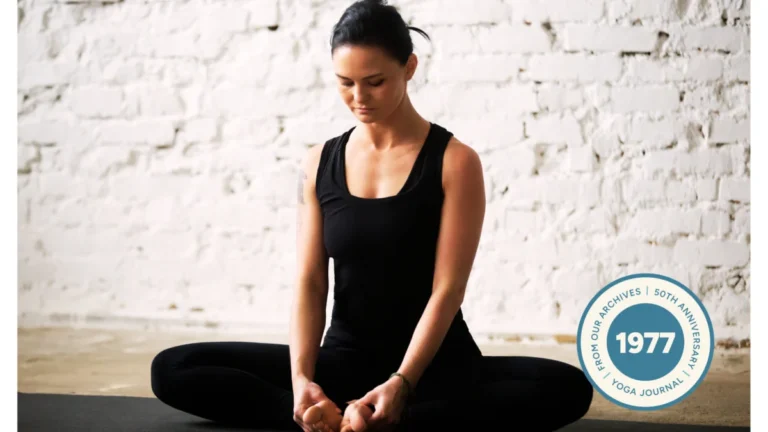
For millions of people living with chronic anxiety, the advice to “just slow down” or “take a yoga class” is often delivered with the best of intentions, yet it frequently lands with the weight of an impossible demand. We have all been there: feeling the familiar hum of a racing heart and a mind trapped in a recursive loop of work-related anxieties and unaddressed to-do lists, only to be told by a friend or wellness influencer that a restorative or yin yoga class is the cure.
You arrive at the studio, unroll your mat, and prepare to surrender to the silence. But instead of the expected tranquility, you find that the lack of external stimulation creates a vacuum—a space that your anxious mind immediately fills with the very worries you came to escape. You leave the session feeling more agitated than when you walked in, the silence having functioned as an amplifier rather than a sedative.
This phenomenon is not a failure of character, nor does it mean you are “bad” at yoga. It is a biological reality. To understand why stillness can trigger a panic response, we must look beyond the aesthetics of wellness and into the complex mechanics of the nervous system.
The Physiology of the "Quiet" Panic: Polyvagal Theory
To understand why a restorative pose might feel like a cage, we must turn to Polyvagal Theory, a framework developed by Dr. Stephen Porges that has revolutionized our understanding of the autonomic nervous system.
According to this theory, our nervous system is in a state of constant, subconscious surveillance. It is perpetually scanning our internal and external environment for cues of safety or danger. For an individual living with high-functioning or generalized anxiety, the nervous system is often stuck in a state of chronic hyperarousal—a "fight-or-flight" loop. In this state, the body is primed for action: adrenaline is high, muscles are tense, and the mind is racing to predict or "solve" potential threats.
When you enter a yoga studio and are instructed to sit in perfect, passive stillness for several minutes, you are essentially asking your nervous system to override its survival instinct. If your body is accustomed to constant motion as a defense mechanism—the "do something, fix something" response—sudden stillness can be perceived by the brain as a threat. The nervous system interprets the lack of movement as a loss of control, causing the mind to cycle even faster in an attempt to restore its familiar, albeit uncomfortable, equilibrium.
The "180 MPH" Problem: A Chronology of Nervous System Regulation
The primary issue with many mainstream approaches to stress reduction is the expectation of an instantaneous transition. We treat the nervous system like a car traveling at 180 mph; we expect it to slam on the brakes and come to a full stop in a matter of seconds. In reality, the nervous system requires a deceleration period.
The Progression of Regulation
- The State of Hyperarousal: You enter the room in a state of high cortisol and adrenaline. Your thoughts are fragmented, and your body is physically braced.
- The Attempted Stillness: You are placed into a passive pose. Because the transition is too abrupt, the brain flags this "doing nothing" as an unsafe state. The internal monologue intensifies.
- The Agitation Spike: Instead of calming down, the body enters a secondary stress response. You feel "trapped" in your own skin, leading to the desire to flee the room or reach for your phone.
- The Gradual Descent: By integrating movement-based mindfulness, the nervous system is given a "bridge" to safety. By allowing the body to sway or wiggle, you satisfy the need for movement while slowly lowering the physiological baseline.
Supporting Data: Why Movement Matters
Recent clinical studies have begun to validate what many yoga practitioners have long intuited: for the anxious brain, movement can be a more effective gateway to stillness than silence. Research published in Cell Reports Medicine suggests that individuals with high baseline anxiety often require "active regulation" to move from a sympathetic (fight-or-flight) state to a parasympathetic (rest-and-digest) state.
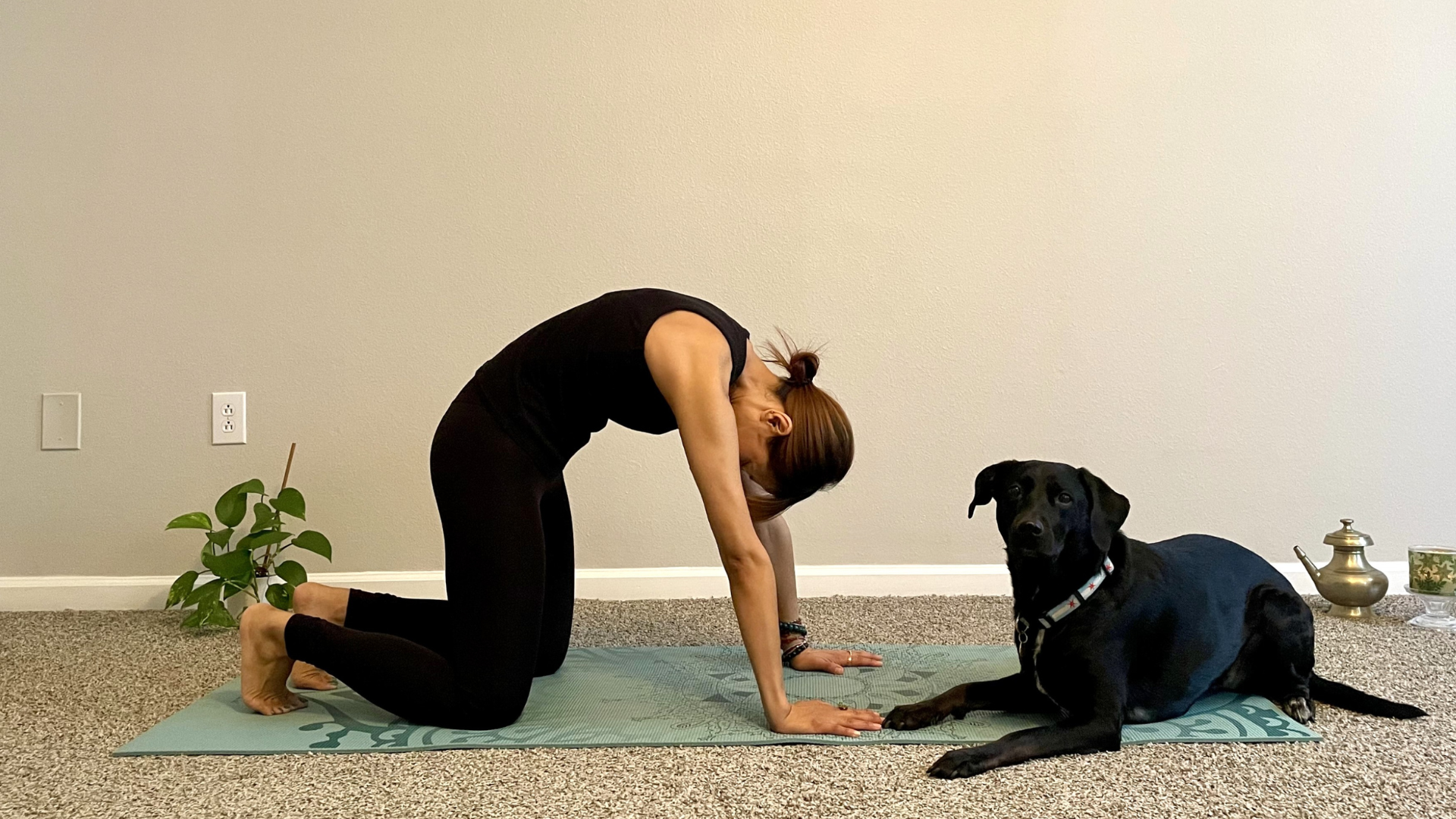
When we force stillness, we ignore the proprioceptive needs of the body. By allowing for gentle, rhythmic movement—such as the rocking motions found in cat-cow or the micro-adjustments in reclined poses—we provide the nervous system with constant feedback that it is safe. This feedback loop allows the vagus nerve to signal the heart rate to slow down, effectively turning the "brake" of the nervous system on, rather than expecting it to be off by default.
Expert Perspectives on Nervous System Regulation
"The goal of yoga for the anxious individual should not be to achieve the pose," says Dr. Elena Vance, a somatic movement therapist. "The goal is to use the pose as a container for exploration. If you are sitting in a pose and your mind is screaming, you are not ‘doing yoga.’ You are practicing the art of ignoring your own internal signals. We need to validate the movement, not suppress it."
The consensus among modern trauma-informed yoga teachers is that the "stillness" advertised in glossy magazines is often a destination, not a starting point. For those with anxiety, the path to that destination must be paved with small, rhythmic, and intentional movements that signal to the brain that the environment is secure.
The 10-Minute Protocol: A Gentle Approach
The following routine is designed for those who find traditional meditation or long-held restorative poses overwhelming. This sequence emphasizes "grounding"—the act of keeping the body close to the earth to foster a sense of physical security.
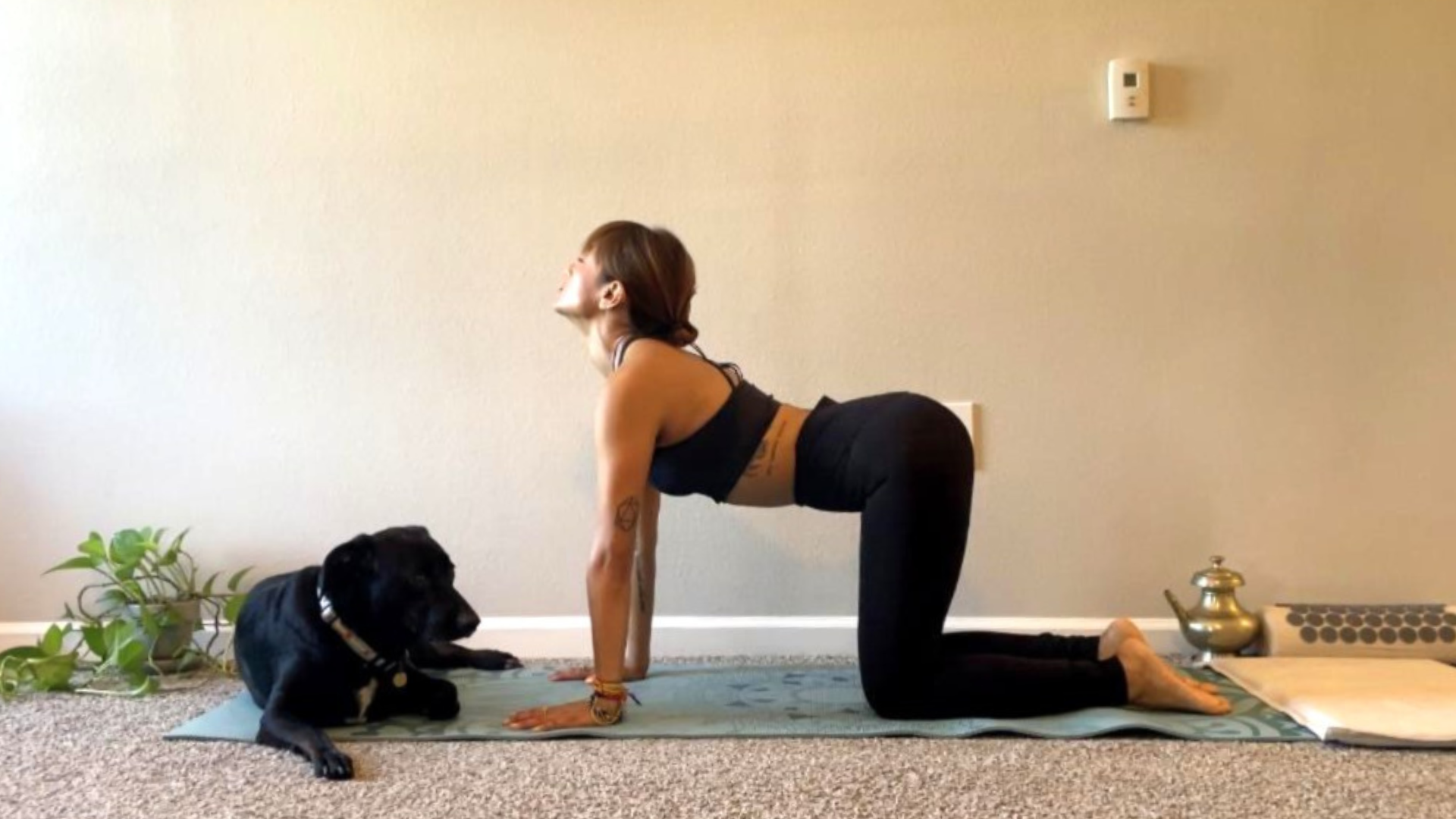
1. Cat-Cow Pose (Marjaryasana-Bitilasana)
The Rhythmic Reset. By synchronizing the arching and rounding of the spine with your breath, you create a metronome for your nervous system.
- The Implication: By exaggerating the movement, you give your nervous system a task, which prevents the mind from wandering into ruminative cycles.
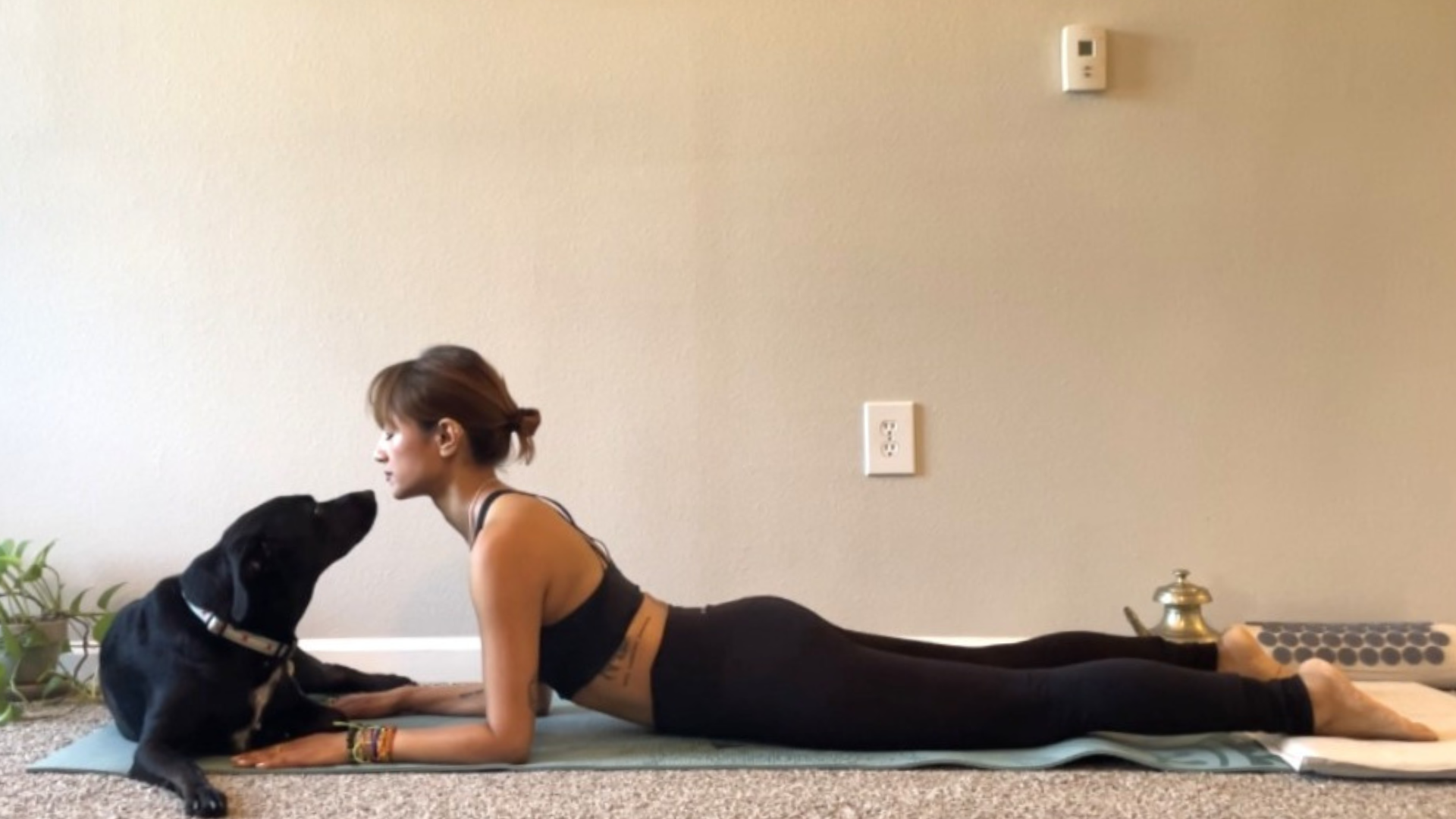
2. Sphinx Pose (Bhujangasana)
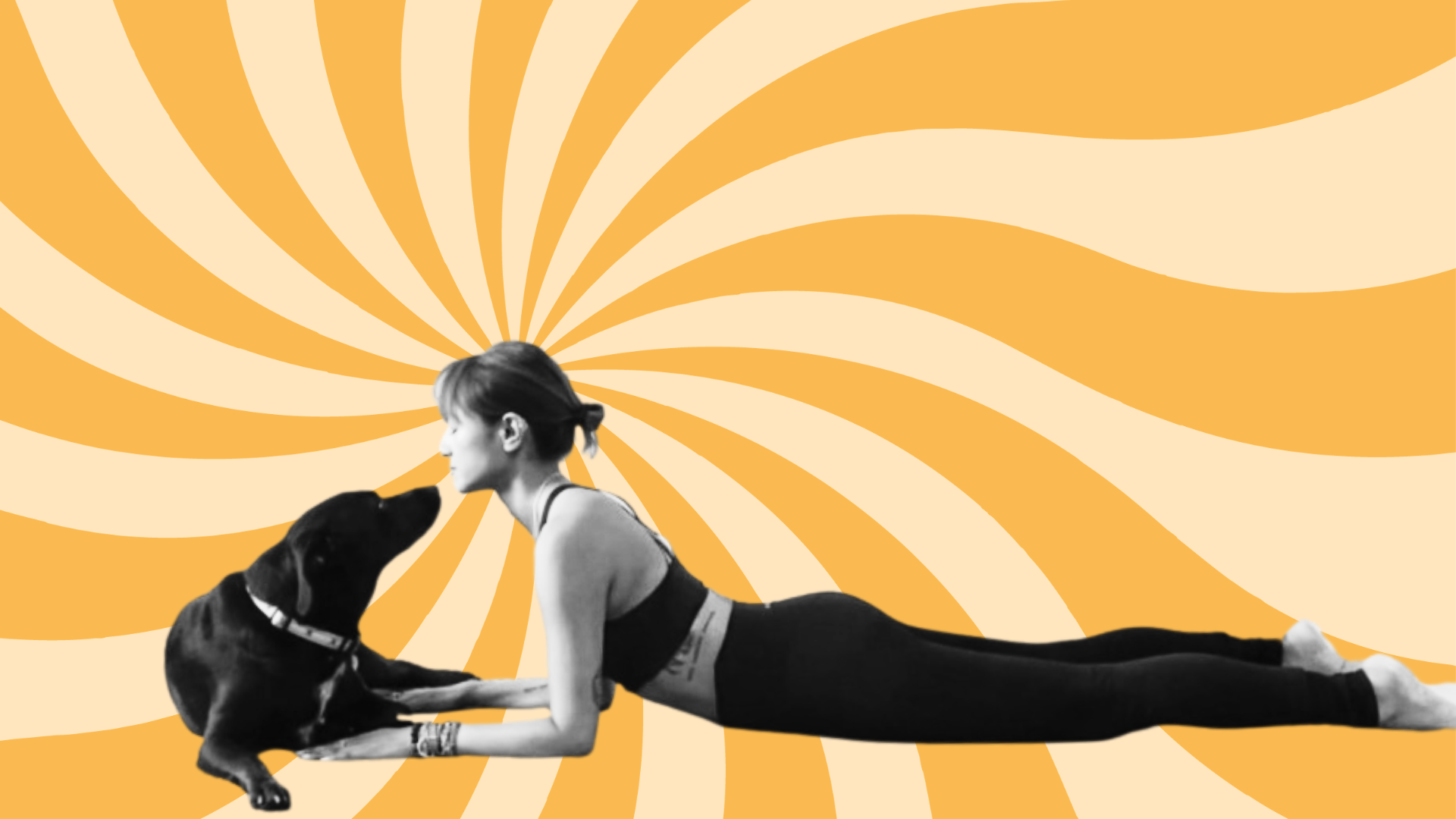
The Active Grounding. This pose bridges the gap between effort and rest. The physical act of pressing your forearms into the mat provides a sense of agency.
- The Focus: Use the gentle backbend to open the chest, which counteracts the "hunching" posture common in anxious individuals. If the mind starts to race, turn your head slowly from side to side to keep your awareness anchored in the physical sensation of the neck.
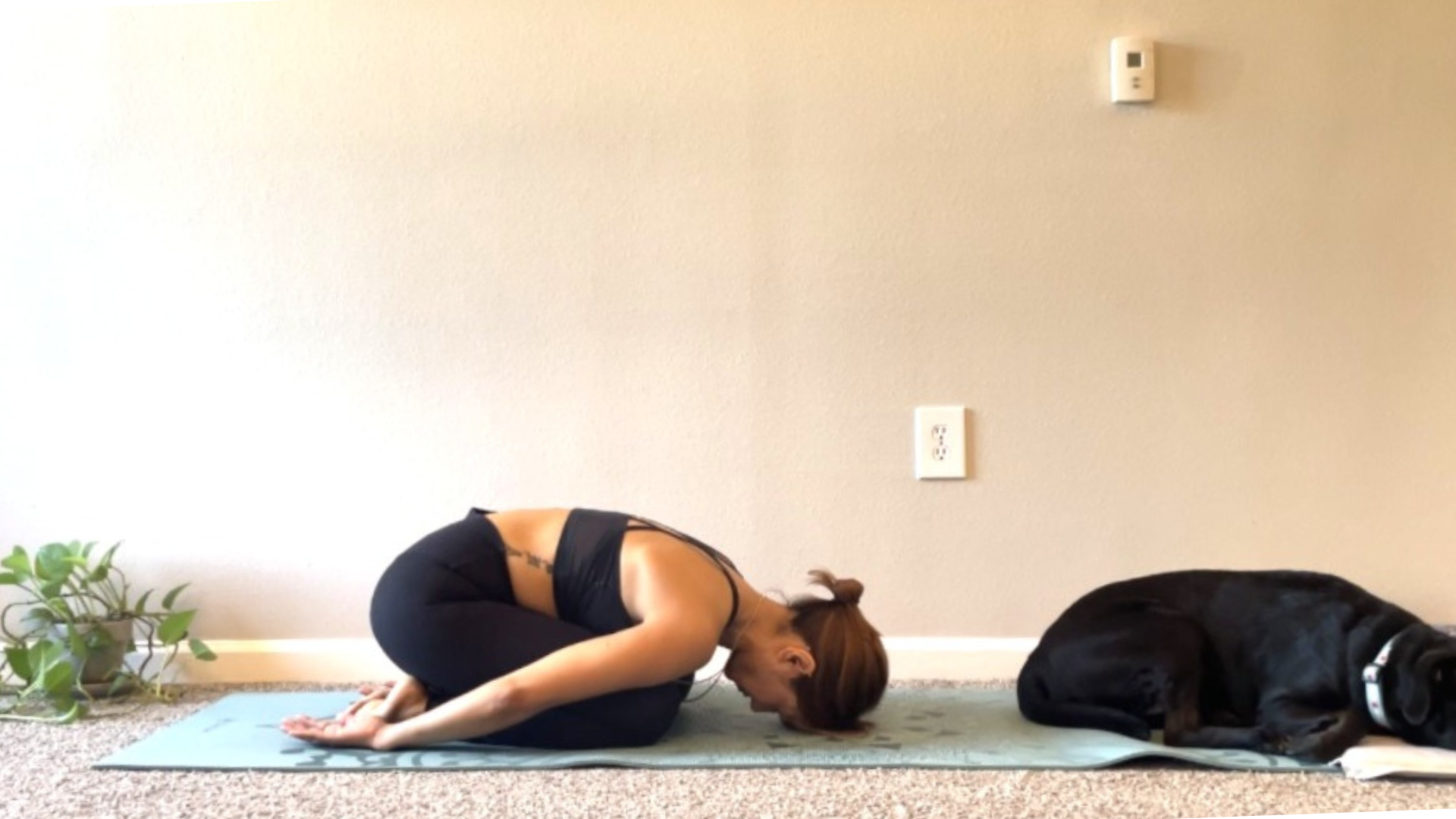
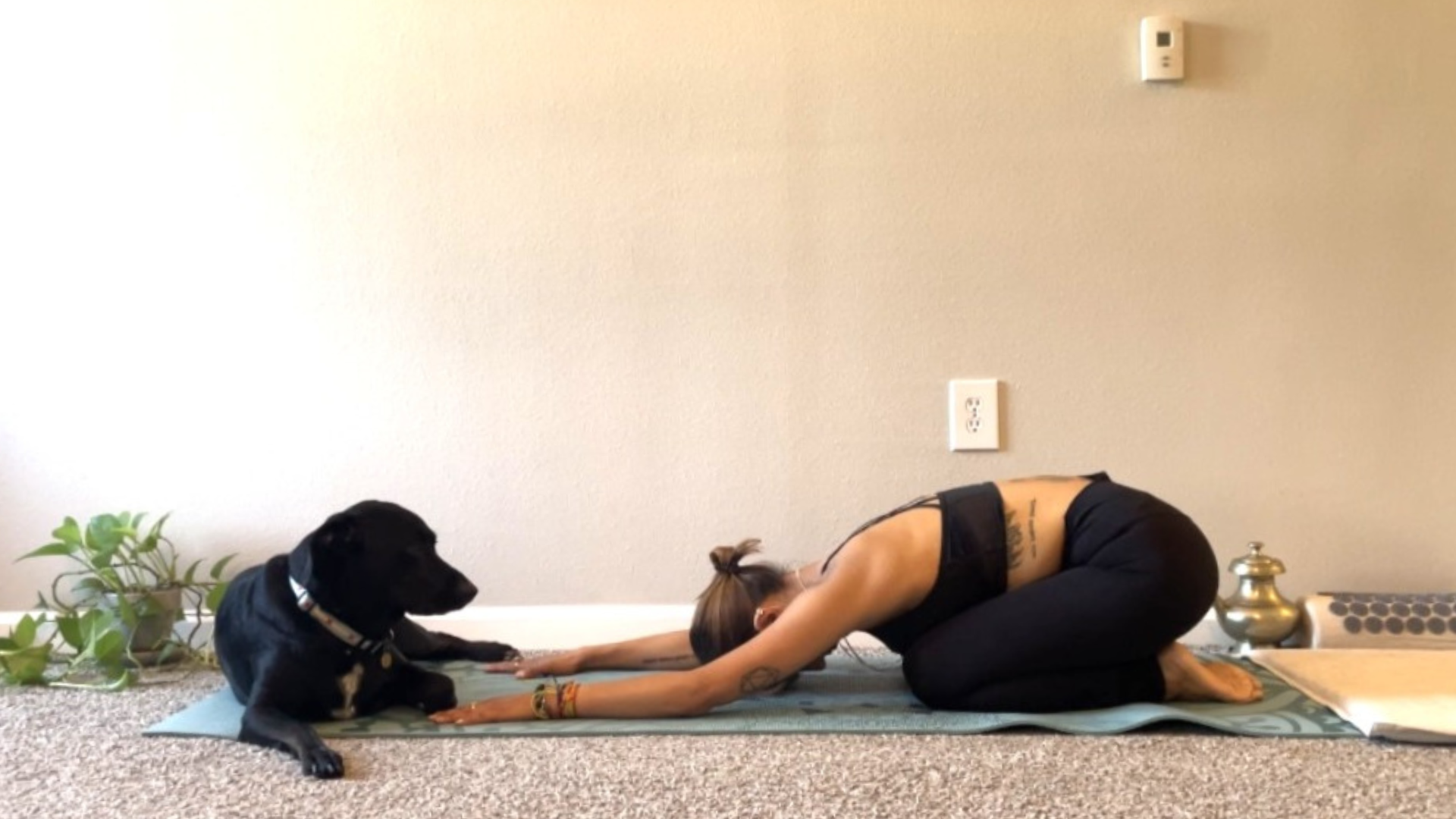
3. Child’s Pose (Balasana)
The Protective Fold. For many, the forward fold is an act of self-soothing. By tucking the chin and folding inward, you block out external sensory input.
- The Adjustment: If the stillness feels too intense, try the Anjali Mudra variation (hands in prayer behind the neck). This gives your hands a tactile job to do, preventing the "trapped" feeling.
4. Reclined Figure Four
Releasing the Hips. We often store physical stress in our glutes and hips—a byproduct of our body’s preparation for flight.
- The Practice: Incorporate micro-sways. By rocking gently from side to side, you massage the lower back and signal to the brain that it is safe to loosen the grip on these large muscle groups.
5. Legs Up The Wall (Viparita Karani)
The Physiological Pivot. This is the final step in the sequence. By elevating the legs, you utilize gravity to assist blood flow toward the heart, which naturally triggers the vagus nerve to slow the heart rate.
- The Final Step: If the stillness is still difficult, flex and point your toes. Treat this as an invitation to the nervous system, not a command to be still.
Implications for Future Practice
The takeaway for the modern practitioner is clear: the "no pain, no gain" or "no movement, no peace" mentality is outdated. True progress in managing anxiety through yoga lies in the capacity to listen to the nervous system’s needs. If your body wants to wiggle, let it wiggle. If your mind wants to wander, notice it without judgment and gently bring your attention back to the rhythm of your breath.
By shifting our perspective from forcing relaxation to inviting it, we change the relationship between our bodies and our anxiety. We stop treating our nervous system as an adversary to be conquered through sheer force of will, and instead treat it as a partner that needs a slow, gentle, and deliberate pace to find its way home to safety.
Ultimately, the most profound realization is that safety does not exist in the absence of thoughts or the stillness of the room. It exists within your ability to remain curious and kind toward yourself, even when the internal storm is raging. When you learn to settle into your own skin—with all its jitters and racing thoughts—you have already achieved the true goal of yoga.