





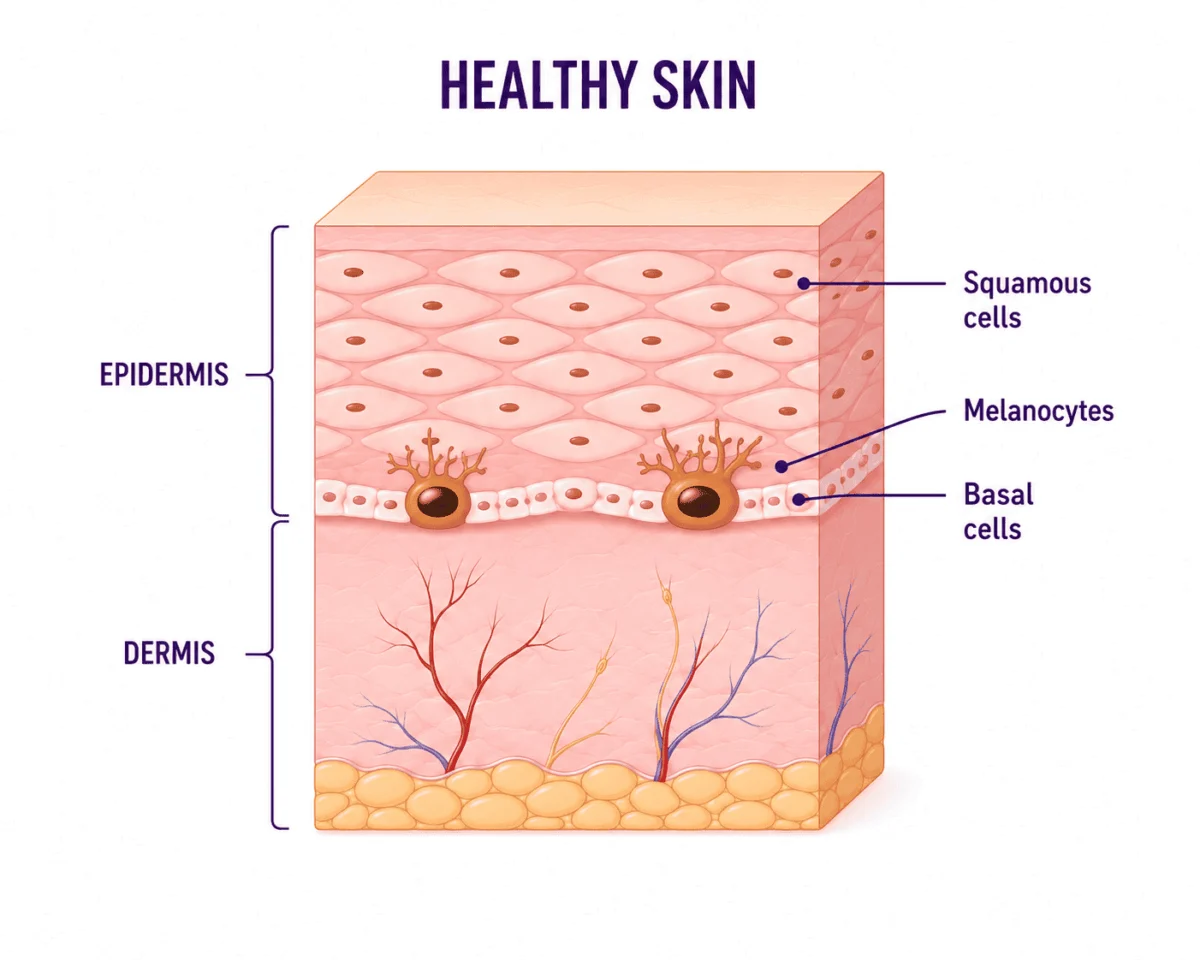
Your skin is not merely a covering; it is the body’s largest and most exposed organ, serving as a sophisticated barrier against a hostile environment. Yet, it remains one of the most vulnerable targets for ultraviolet (UV) radiation. As we observe Ultraviolet (UV) Radiation Safety Awareness Month this July, the Cancer Research Institute (CRI) underscores a dual-pronged mission: empowering the public with the tools to prevent skin cancer and celebrating the scientific breakthroughs that are turning the tide for those already diagnosed.
The Invisible Threat: Understanding UV Radiation
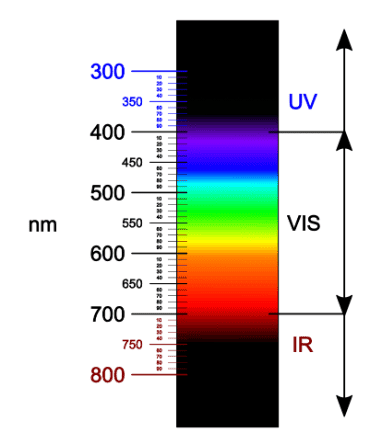
To understand the risk, one must first understand the enemy. UV radiation is an invisible spectrum of electromagnetic energy with wavelengths ranging from 100 to 400 nanometers. While these rays are shorter than visible light, they carry enough energy to penetrate the cellular architecture of human skin.
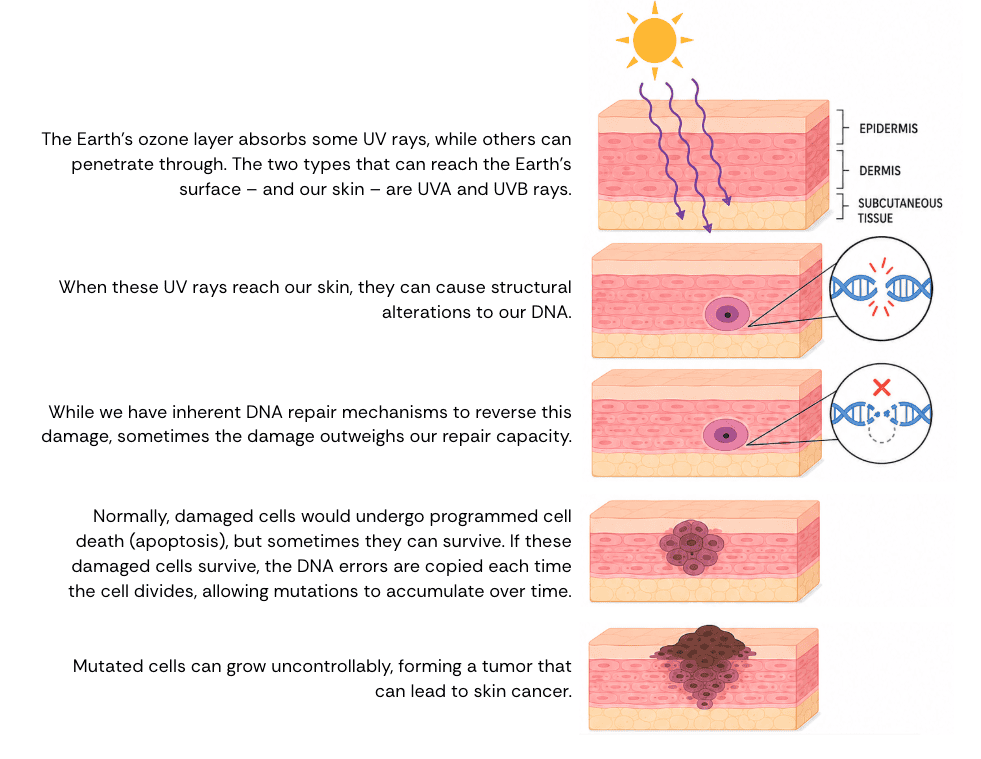
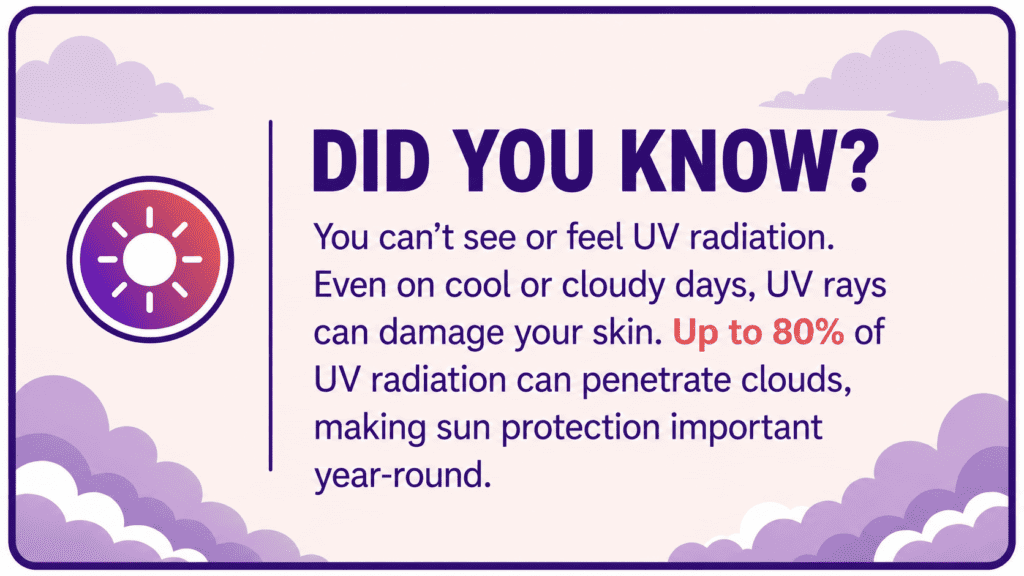
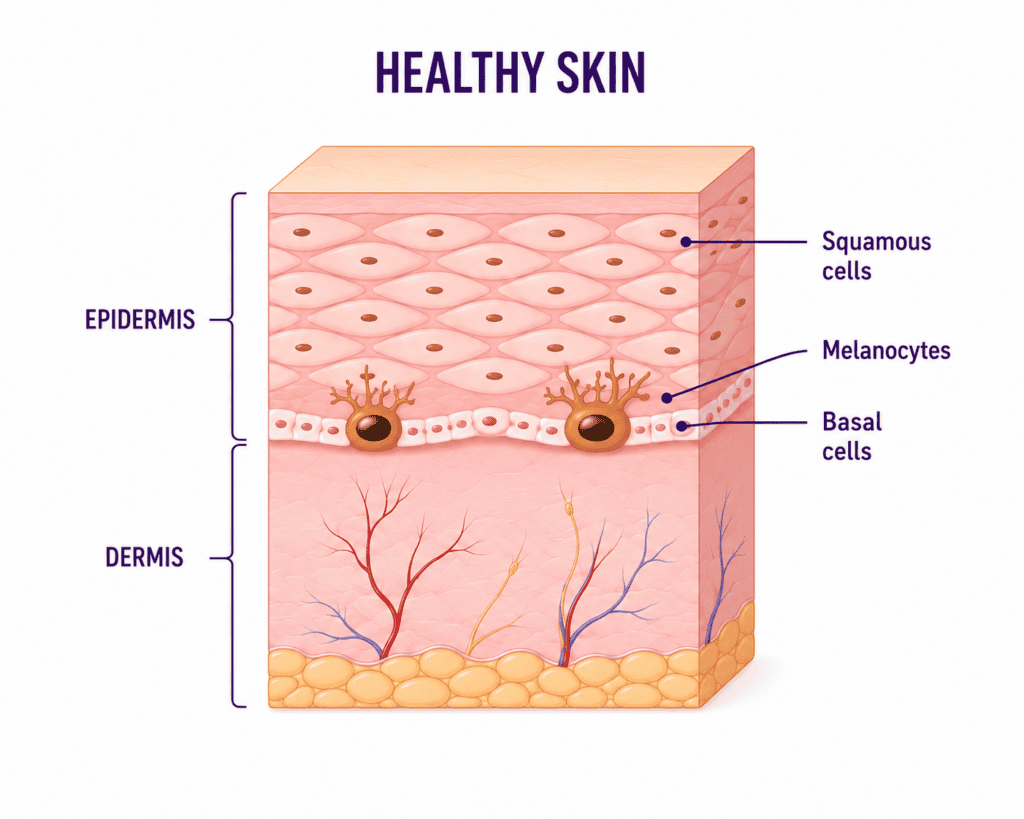
Whether originating from the natural brilliance of the sun or the concentrated, artificial intensity of indoor tanning beds, UV radiation is a potent carcinogen. The damage it inflicts is often deceptive because it is cumulative. Each sunburn or prolonged exposure episode adds to a "cellular debt." Over time, this repeated assault degrades the DNA within skin cells. When these cells lose the ability to repair their own genetic code, they begin to replicate uncontrollably, setting the stage for malignancy.
Fast Facts: The Landscape of Skin Cancer
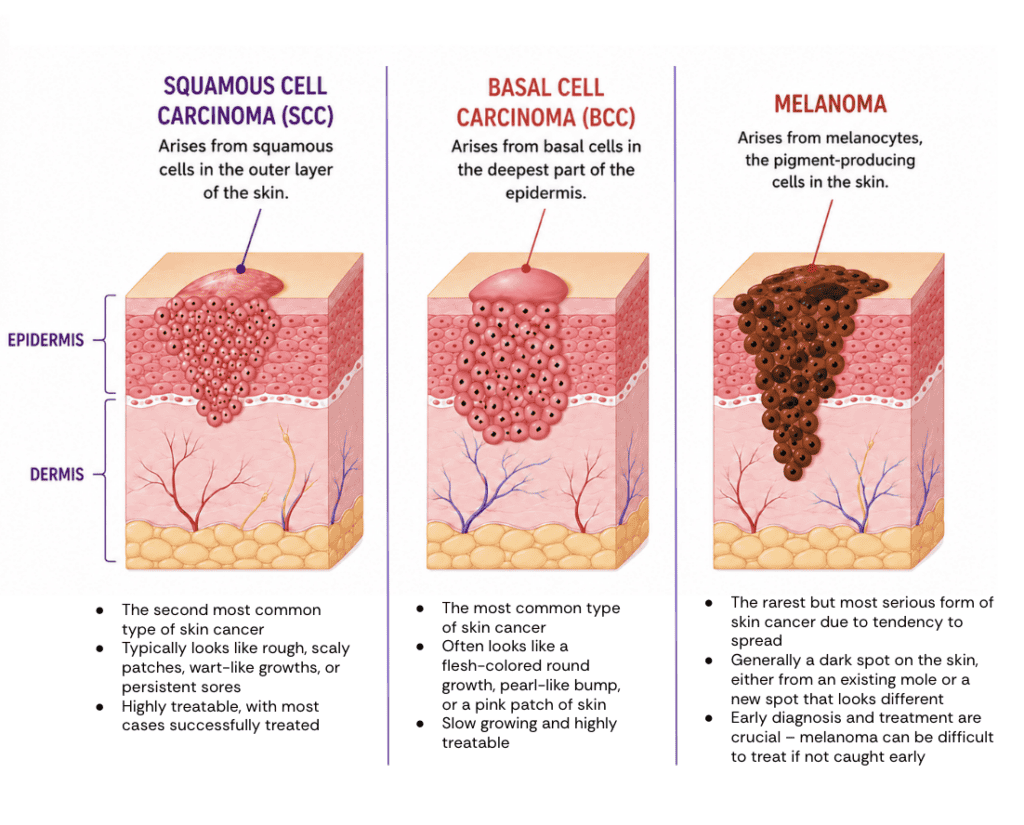
The global burden of skin cancer is significant, yet the narrative surrounding it is one of hope rather than inevitability.
- Prevention is Possible: The vast majority of skin cancers are linked to environmental exposure, meaning simple, consistent lifestyle changes—such as applying broad-spectrum SPF 30+ sunscreen, wearing protective clothing, and seeking shade—can dramatically mitigate risk.
- The DNA Connection: Skin cancer is fundamentally a disease of genetic mutation. UV radiation acts as a molecular "scissor," slicing through DNA strands and introducing errors that the body’s natural repair mechanisms eventually fail to correct.
- Early Detection Matters: When caught in its nascent stages, skin cancer has some of the highest survival rates of any malignancy. Regular dermatological screenings are the front line of defense.
The Immunotherapy Revolution: A Chronology of Success
For decades, a diagnosis of Stage 4 melanoma—the most aggressive form of skin cancer—was widely regarded as a terminal prognosis. The shift from "untreatable" to "survivable" represents one of the most significant triumphs in the history of medicine.
The Foundation of Discovery
The breakthrough began with fundamental research into how the immune system "sees" cancer. For years, tumors survived by cloaking themselves in molecular disguises, effectively putting the immune system’s "brakes" on.
The Allison Milestone
The turning point arrived through the work of James P. Allison, PhD, the Director of the Cancer Research Institute’s Scientific Advisory Council. Dr. Allison identified the specific proteins that acted as these "brakes," known as immune checkpoints. By developing antibodies to block these interactions, he unleashed the body’s natural defenses to recognize and eradicate cancer cells. This discovery earned Dr. Allison the 2018 Nobel Prize in Physiology or Medicine.
The Human Impact: Sharon Belvin’s Story
The efficacy of this science is best illustrated through the journey of Sharon Belvin. In the early 2000s, as a 22-year-old facing a Stage 4 melanoma diagnosis, her options were exhausted. She became one of the first patients to enroll in clinical trials for Immune Checkpoint Inhibitors (ICIs).
Reflecting on that period, Belvin notes: "Hearing the words ‘You have cancer’ carries a weight that’s almost impossible to describe. I remember the fear, the uncertainty, and the question that echoed in my mind every single day: How much time do I really have left?"
Two decades later, Belvin is not only cancer-free but is living a full life—a testament to the foresight of researchers like Dr. Allison, who even officiated her wedding. Her survival is the living proof of how laboratory bench-side research translates into years of human life.
Supporting Data: Why "Cellular Neighborhoods" Matter
Despite the success of ICIs, medicine is not a "one-size-fits-all" endeavor. Currently, between 30% and 50% of patients with advanced melanoma do not respond to standard ICI therapies. Understanding why remains the "Holy Grail" of current oncology research.
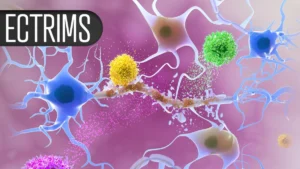
Dr. Katie Campbell, a former CRI Postdoctoral Fellow and professor at UCLA, is pioneering a new way to look at this problem. Rather than viewing the tumor as an isolated entity, Dr. Campbell analyzes the "cellular neighborhoods" surrounding it—the complex architecture where immune cells, cancer cells, and vascular structures communicate.
By analyzing biopsies taken before and during the course of treatment, her team tracks the "immune system in motion." She compares this to watching a bike race: "Before the race, you can just say there’s a bunch of bikes. Once they’re moving, you can say which cyclists are at the front of the pack versus the back—and you can do a lot more inference about what’s happening."
Clinical Implications: The Path Toward Precision Medicine
The implications of Dr. Campbell’s research are profound. Currently, patients who fail to respond to initial immunotherapy often cycle through multiple, often toxic, treatment regimens, losing precious time and physiological strength in the process.
The goal is to shift toward "smarter, earlier intervention." By mapping the architecture of the tumor’s microenvironment, clinicians hope to predict which patients will respond to specific ICIs before treatment even begins. This precision medicine approach aims to identify the right therapy on the first attempt, preserving the patient’s health and improving long-term outcomes.
Official Responses and Future Outlook
The Cancer Research Institute remains committed to the idea that the immune system is the body’s most potent weapon against cancer. However, the institute emphasizes that the fight against skin cancer requires a two-front strategy.
1. Public Health Advocacy:
The CRI advocates for a societal shift in how we view sun protection. Education on UV safety should be treated with the same urgency as other public health initiatives, such as smoking cessation or heart health awareness.
2. Sustained Scientific Investment:
The progress made in melanoma treatment has provided a blueprint for treating other cancers. Every dollar invested in immunotherapy research is an investment in a future where stage 4 diagnoses are no longer synonymous with hopelessness.
Conclusion: A Shared Responsibility
As we move through the remainder of July, the message from the research community is clear: protecting your skin today is the most effective way to prevent the challenges of tomorrow. Sunscreen, hats, and regular skin checks are not merely cosmetic choices; they are proactive health decisions that reduce the burden on your body’s DNA.
For those who do face a diagnosis, the landscape has never been more promising. Because of decades of dedicated research—from the lab benches of Dr. Allison to the clinical triumphs of patients like Sharon Belvin—we are moving toward a world where more people not only avoid skin cancer but, if diagnosed, have the tools to survive and thrive.
The journey from a UV ray hitting the skin to a breakthrough in an immunology lab is a long one, but it is a path paved with progress. Whether you are applying a final layer of sunscreen before heading to the beach or supporting the next generation of immunotherapy research, every action contributes to a larger, life-saving mission.