






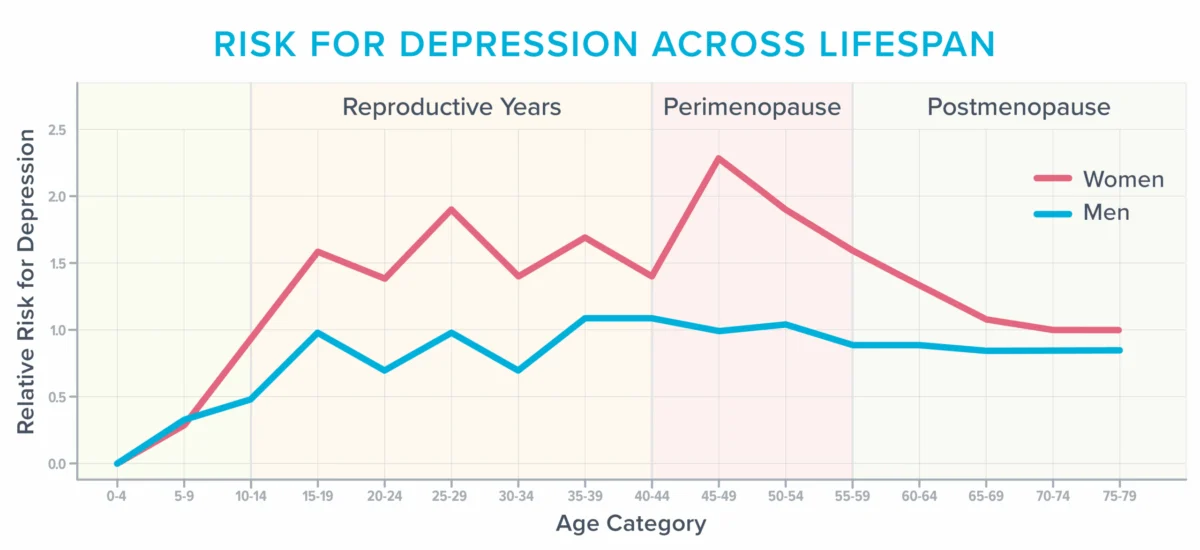
For many women in their late 40s and early 50s, the world begins to feel strangely out of reach. Conversations become exercises in frustration as proper nouns slip through the cracks of memory; professional tasks that were once handled with ease now feel like wading through thick, gray sludge. For years, this "brain fog"—coupled with mood swings, fatigue, and irritability—has been dismissed as simple aging, a stressful life phase, or, perhaps most damagingly, clinical depression.
However, a growing body of medical research and personal testimony suggests that this mental haze is not a character flaw or an inevitable decline in intelligence. It is a physiological symptom of a major life transition: menopause. By reframing how we approach this stage of life, women can move from feeling "barely alive" to reclaiming their cognitive vitality.
The Anatomy of a Misdiagnosis
The author of this narrative spent nearly two years navigating a "revolving door" of healthcare professionals. The symptoms were consistent: an inability to concentrate, severe fatigue, and a feeling of being trapped in a mental haze. The initial medical response was to treat the symptoms as psychiatric. One physician after another prescribed antidepressants or sleep aids—treatments that often exacerbated the patient’s feeling of being a "zombie."
It was only during a routine gynecological exam that the narrative shifted. A simple question about vaginal dryness opened a door to a wider, more systemic inquiry. When the gynecologist probed into energy levels, sleep quality, and the presence of "brain fog," the diagnosis became clear: this was not depression; it was the onset of menopause. Within days of beginning hormone therapy (estradiol and progesterone), the "fog" lifted, demonstrating that the root cause had been hormonal, not psychological.
Chronology of a Life Transition
Menopause is not a disease, but a biological milestone. Medically, it is defined as the point reached 12 consecutive months after a woman’s final menstrual period. The years leading up to this point, known as perimenopause, are marked by erratic and plummeting hormone levels.
- The Perimenopausal Shift: Hormone production—specifically estrogen—begins to fluctuate. This impacts the hypothalamus, the brain’s "internal thermostat."
- The Onset of Vasomotor Symptoms: These fluctuations trigger hot flashes and night sweats. For a long time, these were viewed as mere physical annoyances.
- The Cognitive Decline: Chronic sleep disruption caused by night sweats leads to neurobiological changes. Without restorative sleep, the brain struggles to consolidate memories and clear metabolic toxins.
- The Diagnosis Gap: Due to a lack of specialized training in medical residency programs, many clinicians fail to link cognitive symptoms to hormonal transitions, often defaulting to an incorrect diagnosis of depression.
Supporting Data: Why the Brain Struggles
The connection between menopause and cognitive health is increasingly supported by neurological evidence. Recent studies have highlighted the role of "vasomotor symptoms" (hot flashes and night sweats) in brain health.
The White Matter Connection
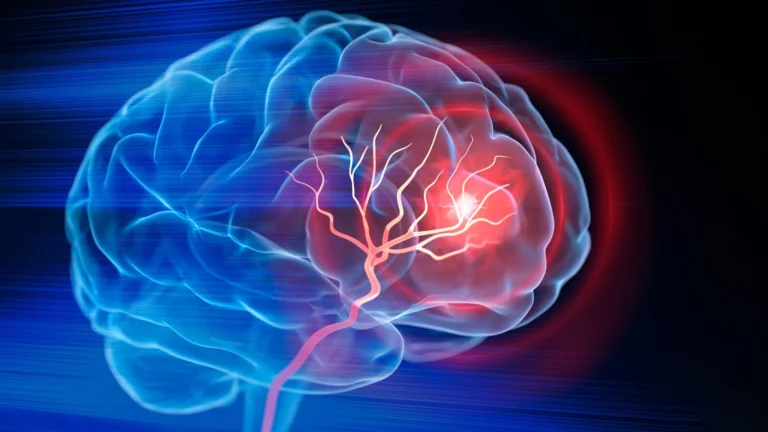
Researchers using MRI technology have observed "whole-brain white matter intensities"—patchy lesions in the brain—in women experiencing frequent hot flashes. While previously associated with aging, these lesions are now recognized as potential indicators of future cognitive decline. Patients with a higher density of these lesions are statistically twice as likely to be diagnosed with dementia later in life and three times as likely to suffer a stroke.
The Sleep-Brain Axis
Night sweats trigger surges in norepinephrine and cortisol, which jolt the body awake. Because these awakenings can occur without the patient feeling "sweaty," many women mistakenly believe they suffer from idiopathic insomnia or sleep apnea. These repeated awakenings impair the hippocampus—the brain’s center for learning and memory—and make the amygdala, the center for emotional processing, hypersensitive. This explains why many menopausal women report feeling easily enraged, anxious, or perpetually stressed.

The "Defensive Medicine" Barrier
A major obstacle in treatment is the prevalence of "defensive medicine." Surveys indicate that 80 percent of medical residents feel uncomfortable discussing menopause, and few receive formal training in it. Consequently, doctors often avoid prescribing Hormone Therapy (MHT) out of a fear of litigation, despite updated research suggesting that for women under 60 (or within 10 years of the onset of menopause), the benefits—including protection against osteoporosis and potentially Alzheimer’s—far outweigh the risks.
Strategic Implications for Health Advocacy
To navigate this transition successfully, women must transition from passive patients to active advocates for their own health.
1. Seek Specialized Care
Avoid generalists if you feel your concerns are being dismissed. Look for practitioners certified by the Menopause Society or those who specifically list menopause as a focus area.
2. Data-Driven Documentation
Before an appointment, track your symptoms. Use a journal or app to log the frequency of night sweats, sleep duration, and specific moments of cognitive difficulty. Concrete data—such as "I have not slept more than three consecutive hours in seven days"—is far more effective than general complaints like "I’m tired."
3. Shared Decision-Making
Engage in a dialogue with your doctor. If they express hesitation about hormone therapy, ask: "What are the specific, evidence-based risks for me, given my personal health history?" This shifts the conversation toward a collaborative medical decision rather than a defensive refusal.
Lifestyle Strategies for Cognitive Wellness
While medical intervention is crucial for many, lifestyle adjustments can provide significant support:
- Creatine Supplementation: Emerging research suggests 5–7 grams of creatine monohydrate daily can assist in mitigating mental fatigue and supporting brain function.
- Strategic Sunlight: Morning light exposure is vital for resetting the circadian rhythm, which helps combat the sleep-disruptive effects of night sweats.
- The "Power Down" Gym Approach: Intense, high-impact exercise can trigger adrenaline and exacerbate stress. During this transition, consider shifting toward "Zone 2" training or gentle movement like yoga to support recovery.
- Circulation-Friendly Nutrition: Adopting a Mediterranean or MIND-style diet, rich in nitrates from beets and leafy greens, can improve blood flow to the brain, providing a natural buffer against cognitive decline.
Conclusion: An Unexpected Opportunity
The transition into menopause is undeniably challenging, but it carries a hidden, transformative potential. For many, the necessity of managing limited cognitive resources forces a radical re-evaluation of priorities.
By questioning the "do it all" mentality that defines much of middle adulthood, women can prune away the non-essential, prioritize genuine well-being, and redefine their success on their own terms. As the author discovered, the ultimate goal isn’t just to "get back to normal," but to create a life where one is empowered to choose when to work, when to rest, and, most importantly, when to say "no." Menopause, in this light, is not the end of a productive life, but the beginning of a more intentional one.