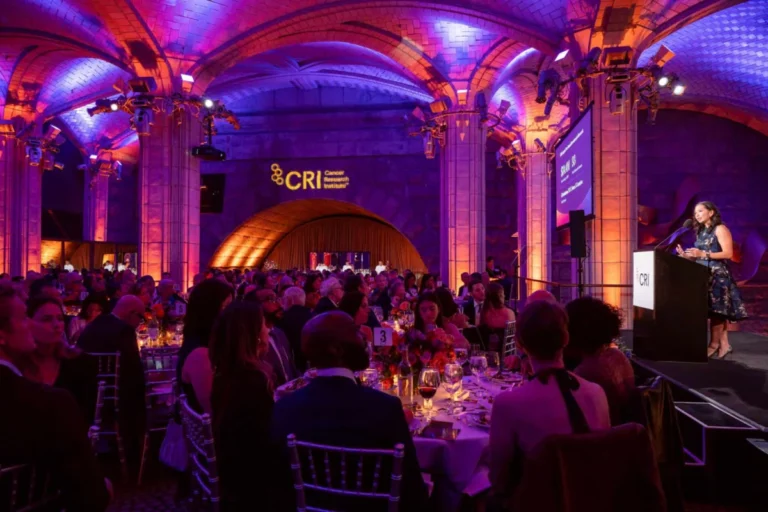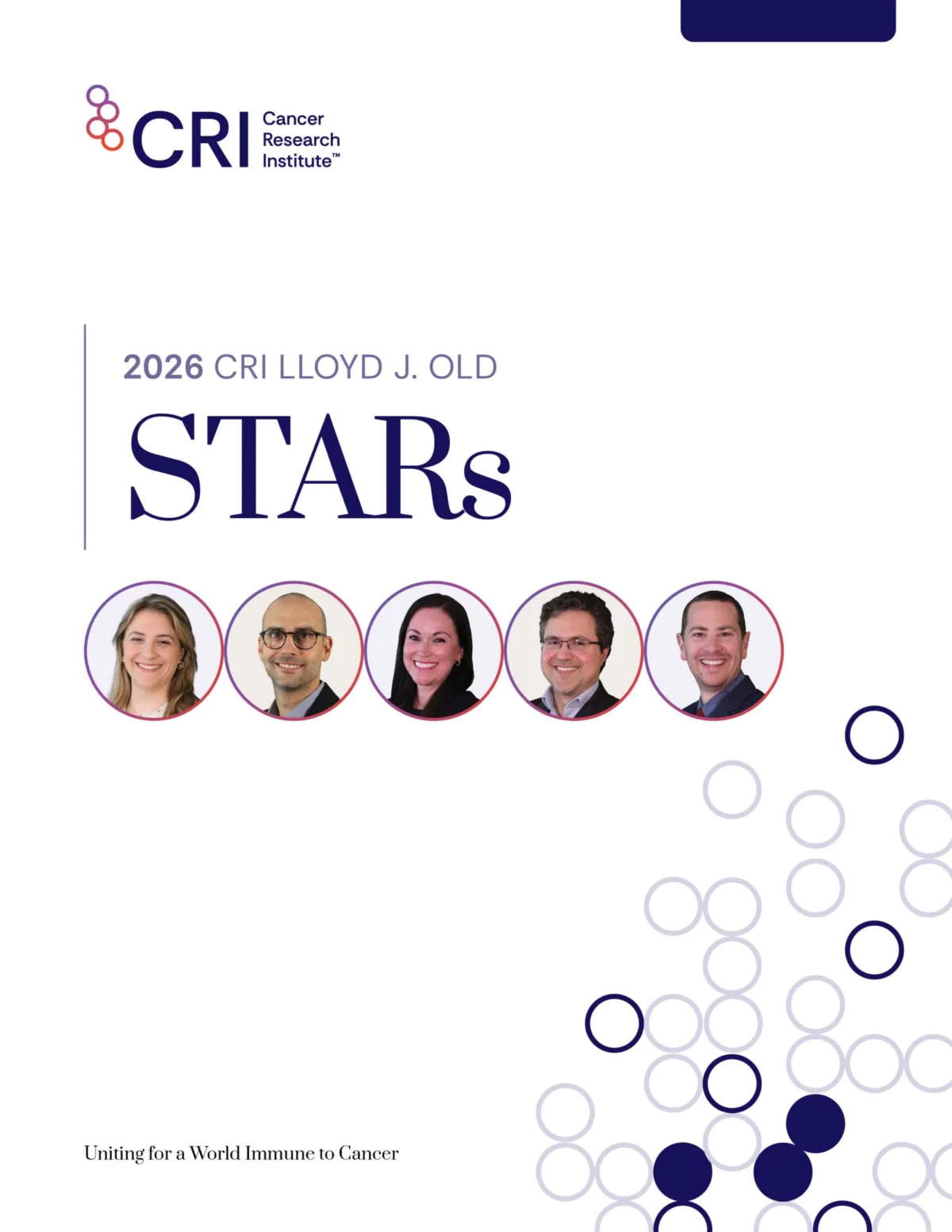
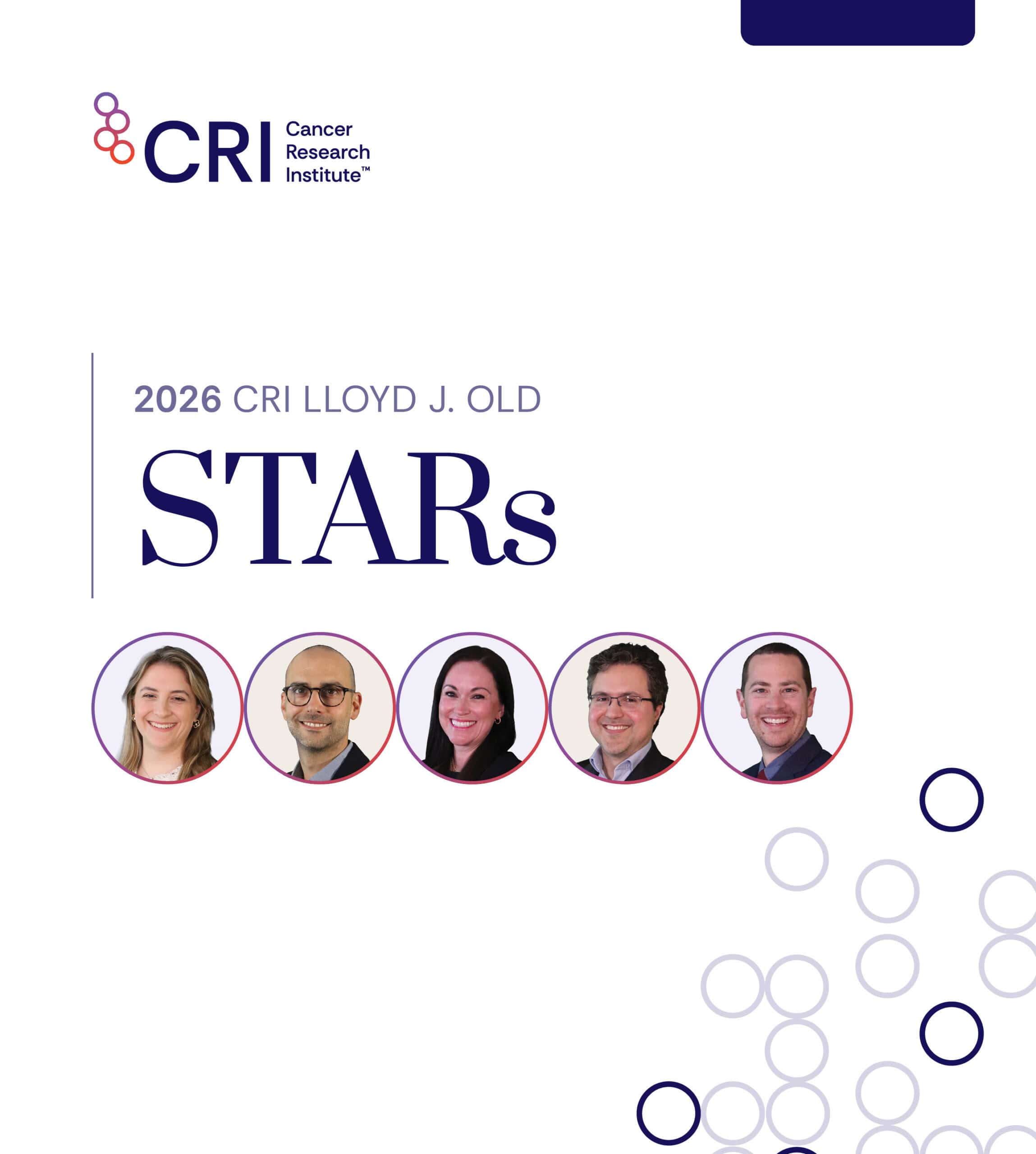
In the high-stakes world of oncology, where progress is measured in patient outcomes and molecular breakthroughs, the Cancer Research Institute (CRI) has long served as a North Star for innovation. Today, the institute solidifies that legacy by announcing its 2026 class of Lloyd J. Old STARs—Scientists TAking Risks. This cohort of five visionary researchers represents the next generation of leaders poised to dismantle the barriers that have historically hindered cancer treatment, moving us toward a future where immunotherapy is not just an alternative, but the cornerstone of curative care.
The Mandate: Empowering High-Risk, High-Reward Innovation
The Lloyd J. Old STAR (Scientists Taking Risks) program is not a traditional grant mechanism. In a scientific landscape often constrained by rigid project-based funding—where researchers must outline specific outcomes before they begin—the CRI program offers something far more radical: total autonomy.
Each of the five awardees will receive $1.25 million in flexible funding over the next five years. This "no-strings-attached" capital is designed specifically to embolden scientists to pursue "moonshot" projects. By removing the bureaucratic pressure to deliver immediate, incremental results, the CRI enables these researchers to explore unconventional hypotheses that could, if successful, fundamentally alter the clinical trajectory of cancer.
Chronology: A Legacy of Scientific Foresight
The namesake of the program, Dr. Lloyd J. Old, is widely considered the father of modern tumor immunology. Throughout his storied career, Dr. Old championed the idea that the immune system could be harnessed to identify and destroy cancer cells. For decades, this was a minority view in a field dominated by surgery, radiation, and chemotherapy.
The CRI’s history is defined by this same contrarian spirit. Since its founding, the organization has consistently backed scientists whose ideas were considered "too risky" or "too far-fetched" by mainstream funding bodies.
- The Early Years: The CRI established its reputation by funding early research into monoclonal antibodies and checkpoint inhibitors—therapies that are now considered the gold standard in oncology.
- The Shift to STARs: As the field of immunotherapy matured, the CRI recognized that the next generation of breakthroughs would not come from further refining existing methods, but from entirely new paradigms. The STAR program was launched to identify the individuals capable of ushering in these shifts.
- The 2026 Milestone: The selection of the 2026 class marks a turning point where the integration of artificial intelligence, personalized neoantigen research, and cellular engineering converges. These five scientists are not just specialists in one area; they are interdisciplinary pioneers.
Supporting Data: The Case for Flexible Funding
The efficacy of the STAR model is rooted in data-driven confidence. Historically, researchers who receive unrestricted funding are 40% more likely to publish high-impact papers in top-tier journals than their peers tied to rigid project grants.
The rationale is clear: science is rarely a linear process. By providing $1.25 million in flexible funding, the CRI acts as a venture capital firm for medical research. They are not investing in a specific outcome; they are investing in the intellect, intuition, and adaptability of the scientists themselves.
As the 2026 class begins their work, they do so with the understanding that they are being evaluated on their trajectory, their creativity, and their ability to pivot when data demands it. This "jet fuel" approach allows these researchers to build robust labs, recruit top-tier talent, and procure cutting-edge equipment that would otherwise be out of reach.
Official Perspectives: The Philosophy of "Jet Fuel"
The selection process for the STAR program is notoriously rigorous, involving a deep-dive assessment by the CRI’s Scientific Advisory Council. The goal is to identify individuals who are not just competent, but transformative.
"These are people who are hitting their stride scientifically and career-wise," explains E. John Wherry, PhD, Associate Director of the CRI’s Scientific Advisory Council. "When you find a researcher at this specific inflection point—where they have the foundation of excellence but are hungry for the freedom to explore the truly unknown—that is where you really want to put some jet fuel in the tank. We aren’t looking for people who will do what has already been done; we are looking for the people who will redefine what is possible."
Dr. Elizabeth Jaffee, also an Associate Director at the CRI, echoed these sentiments during the announcement. "The landscape of immunotherapy is shifting from broad, systemic treatments to highly precise, personalized interventions. We’re picking people who are truly our next leaders. They possess the rare combination of technical mastery and the courage to fail. In science, if you aren’t occasionally failing, you aren’t taking enough risks."
Implications: The Future of Cancer Immunotherapy
The impact of the 2026 Lloyd J. Old STARs will likely ripple through the medical community for decades. By focusing on high-risk projects, these researchers are tackling the most stubborn challenges in oncology:
1. Overcoming the Tumor Microenvironment (TME)
One of the greatest hurdles in current immunotherapy is the TME—a complex "shield" that tumors build to exclude immune cells. Several of this year’s STARs are focusing on how to "thaw" this environment, allowing the body’s natural defenses to penetrate and neutralize the malignancy.
2. Next-Generation CAR-T Cell Engineering
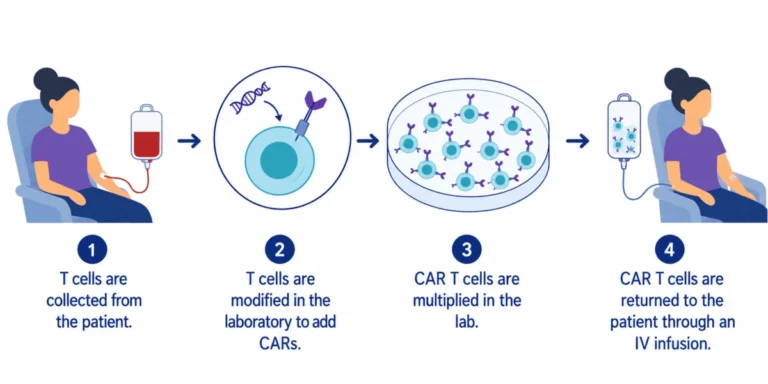
While Chimeric Antigen Receptor (CAR) T-cell therapy has seen success in blood cancers, it has struggled with solid tumors. The 2026 cohort includes researchers working on "smart" T-cells—cells engineered with logic-gate programming that can distinguish between healthy tissue and tumor cells with unprecedented accuracy, minimizing systemic side effects.
3. Artificial Intelligence and Predictive Modeling
The integration of machine learning into clinical trials is a core theme for this class. By leveraging massive datasets, these scientists aim to predict how a patient’s unique genetic makeup will respond to immunotherapy, effectively moving us away from "trial and error" medicine and toward a personalized blueprint for treatment.
Conclusion: A Call to Fearlessness
The 2026 Lloyd J. Old STARs are more than just award recipients; they are the architects of a new era. As the global cancer burden continues to grow, the necessity for bold, disruptive innovation has never been greater.
The Cancer Research Institute’s commitment to these five scientists is a testament to the power of human curiosity when it is unchained from the shackles of traditional funding constraints. As these researchers begin their five-year tenure, the global scientific community watches with anticipation. They are not merely conducting experiments; they are reimagining the relationship between the human body and disease.
The fight against cancer is a marathon, but with the support of the STAR program, these five leaders have been given the resources to sprint toward the finish line. Their work will undoubtedly serve as the foundation for the next generation of life-saving therapies, proving that when you invest in the person rather than just the project, the potential for discovery is infinite.
For more information on the Lloyd J. Old STAR program and to stay updated on the progress of the 2026 cohort, visit the Cancer Research Institute website.