











A groundbreaking study led by researchers at the Icahn School of Medicine at Mount Sinai has unveiled a concerning reality in modern cardiology: the standard diagnostic tools currently used to predict heart attacks are failing nearly half of the population. The findings, published on November 21 in the Journal of the American College of Cardiology: Advances, suggest that the current reliance on population-based risk calculators—such as the Atherosclerotic Cardiovascular Disease (ASCVD) score and the newer PREVENT tool—may be providing a false sense of security to millions of patients.
For decades, these calculators have served as the primary gatekeepers for preventive cardiovascular care. However, the Mount Sinai team posits that these guidelines are fundamentally ill-equipped to identify individuals at high risk of sudden cardiac events before they occur. The study’s conclusions call for a paradigm shift in how physicians approach heart health, moving away from symptom-based triage and toward early-stage atherosclerosis imaging.
Main Facts: The Failure of the "Risk Score" Model
The crux of the study lies in its retrospective analysis of how modern medicine evaluates the average patient. Currently, when an adult between the ages of 40 and 75 visits their primary care physician, the doctor often calculates a 10-year risk score for a heart attack or stroke. This score is derived from a constellation of standard biometric data: age, sex, race, blood pressure, cholesterol levels, diabetes status, and smoking history.
If the score is low or borderline, and the patient reports no symptoms—such as chest pain or shortness of breath—they are typically reassured and sent home. The Mount Sinai study proves that this "all-clear" signal is frequently inaccurate. By simulating the clinical evaluation of patients just 48 hours before their first heart attack, researchers discovered that these standard tools would have classified a significant portion of these high-risk individuals as "low" or "borderline" risk, effectively denying them access to life-saving preventive therapies like statins or advanced diagnostic imaging.
Chronology: Tracing the Path to a Cardiac Event
To understand the window of opportunity that is currently being missed, the researchers conducted a meticulous review of 474 patients. All subjects were under the age of 66 and had no known history of coronary artery disease. These patients were treated for their first heart attack at either Mount Sinai Morningside or The Mount Sinai Hospital between January 2020 and July 2025.
The Research Timeline:
- January 2020 – July 2025: The study period for identifying patients who suffered a first-time cardiac event.
- Retrospective Review: Investigators gathered extensive data, including demographic information, historical lipid panels, blood pressure trends, and the precise timing of symptom onset.
- The "Two-Day" Simulation: Using the gathered data, the team calculated the ASCVD and PREVENT scores for each patient as they would have appeared just 48 hours before their actual heart attack.
- Analysis of Symptom Onset: The researchers mapped the timeline of symptoms to see how much warning patients actually received. The data revealed that 60% of patients experienced symptoms fewer than two days before their cardiac event, highlighting that waiting for symptoms is effectively waiting for the disease to manifest in its final, most dangerous stage.
Supporting Data: Why the Tools Fall Short
The quantitative findings of the study are startling and underscore a massive gap in preventive medicine. The researchers categorized patients into four risk tiers: low (<5%), borderline (5-7.5%), intermediate (7.5-20%), and high (>20%).
Statistical Breakdown:
- ASCVD Failure: Under the current ASCVD guidelines, 45% of the patients who suffered a heart attack would not have qualified for further testing or preventive therapy.
- PREVENT Failure: The newer PREVENT tool, which was designed to be more comprehensive, performed even worse in this specific context, failing to identify 61% of these future heart attack patients.
- The Symptom Trap: The study confirmed that 60% of patients had no warning signs until less than 48 hours before the event.
This data provides empirical weight to the argument that "risk calculators" are meant to predict average outcomes for large populations, but they are often incapable of accounting for the nuances of an individual’s biology. The existence of "silent atherosclerosis"—plaque buildup that does not yet cause blood pressure spikes or pain—remains invisible to these traditional metrics.
Official Responses: The Clinical Perspective
The researchers behind the study are not merely pointing out a flaw; they are advocating for a fundamental change in clinical philosophy.
Dr. Amir Ahmadi, the study’s corresponding author and a Clinical Associate Professor of Medicine (Cardiology) at the Icahn School of Medicine at Mount Sinai, expressed deep concern regarding current clinical practices. "Our research shows that population-based risk tools often fail to reflect the true risk for many individual patients," Dr. Ahmadi stated. "If we had seen these patients just two days before their heart attack, nearly half would not have been recommended for further testing or preventive therapy guided by current risk estimate scores and guidelines."
Dr. Ahmadi emphasizes that the "gatekeeper" model of medicine—where a low score and lack of symptoms shut the door to further investigation—is outdated. "It may be time to fundamentally reconsider this model and move toward atherosclerosis imaging to identify the silent plaque—early atherosclerosis—before it has a chance to rupture."
First author Dr. Anna Mueller, an internal medicine resident at Icahn School of Medicine, echoed this sentiment, highlighting the disconnect between population science and individual care. "Most heart attacks occur in patients in the low or intermediate risk groups," Dr. Mueller noted. "This study highlights that a lower risk score, along with not having classic heart attack symptoms, is no guarantee of safety on an individual level."
Implications: A New Era for Cardiac Prevention
The implications of this study are profound, potentially forcing a revision of how primary care physicians and cardiologists approach preventive health. If current calculators are effectively "blind" to nearly half of all impending cardiac events, the medical community must pivot toward more direct methods of detection.
The Shift Toward Imaging
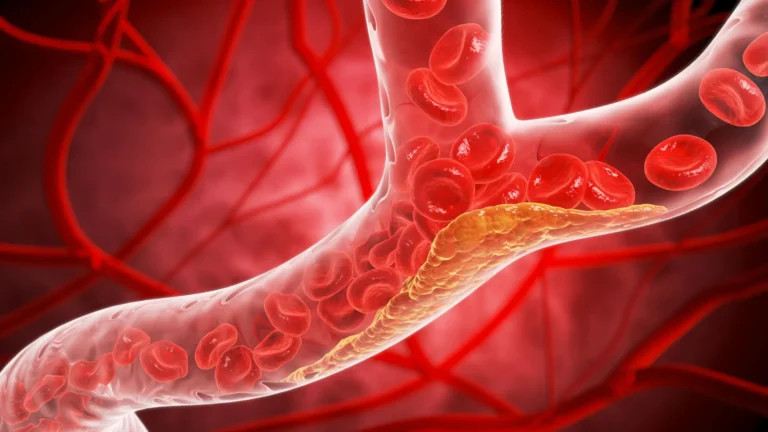
The researchers strongly suggest that the future of heart attack prevention lies in identifying the disease itself, rather than relying on mathematical probabilities of the disease. Coronary artery calcium scoring (CAC) and other advanced imaging techniques can identify the physical presence of plaque in the arteries long before a patient experiences chest pain or shortness of breath.
Redefining "Prevention"
The Mount Sinai findings suggest that the current focus on "symptom management" and "statistical risk" is reactive rather than proactive. To truly prevent heart attacks, the healthcare industry must move toward:
- Earlier Screening: Moving away from waiting for "intermediate" risk scores to justify imaging.
- Individualized Assessment: Moving beyond the rigid categories of ASCVD and PREVENT to account for biological markers that current calculators ignore.
- Universal Vigilance: Acknowledging that the absence of symptoms is not the presence of health.
Future Research
While this study serves as a critical wake-up call, the authors acknowledge that more work is required. Future investigations will need to determine how to integrate advanced imaging into routine primary care without overwhelming the healthcare system with unnecessary testing. The goal is to develop a refined, cost-effective strategy that catches silent plaque while it is still treatable.
In conclusion, the Mount Sinai study represents a significant challenge to the status quo. By exposing the limitations of standard risk assessment tools, it provides a roadmap for a more precise, imaging-based approach to cardiology. As the medical community digests these results, the message is clear: for many, the "low risk" label is not a shield, but a dangerous veil hiding the reality of an evolving cardiovascular crisis. Moving forward, the focus must shift from calculating risk to visualizing disease, ensuring that patients receive life-saving interventions before their first cardiac event occurs.