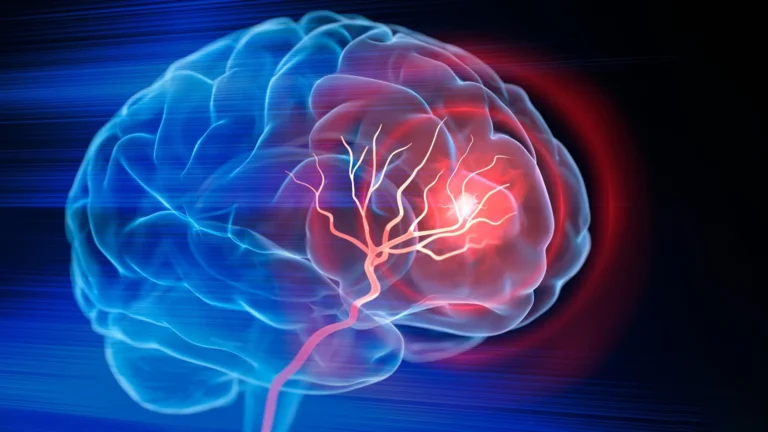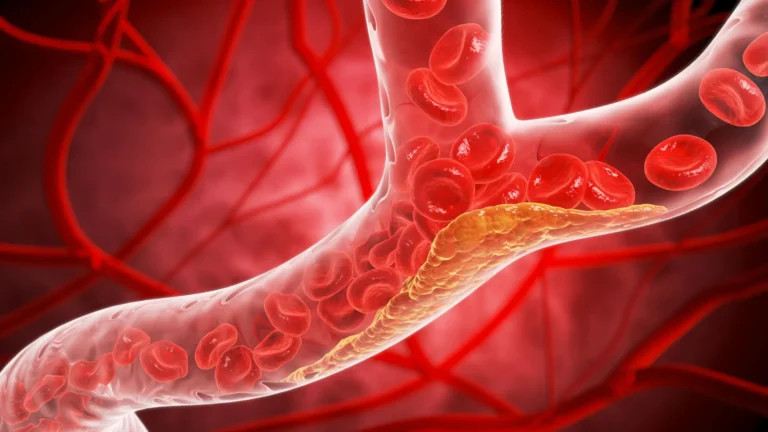











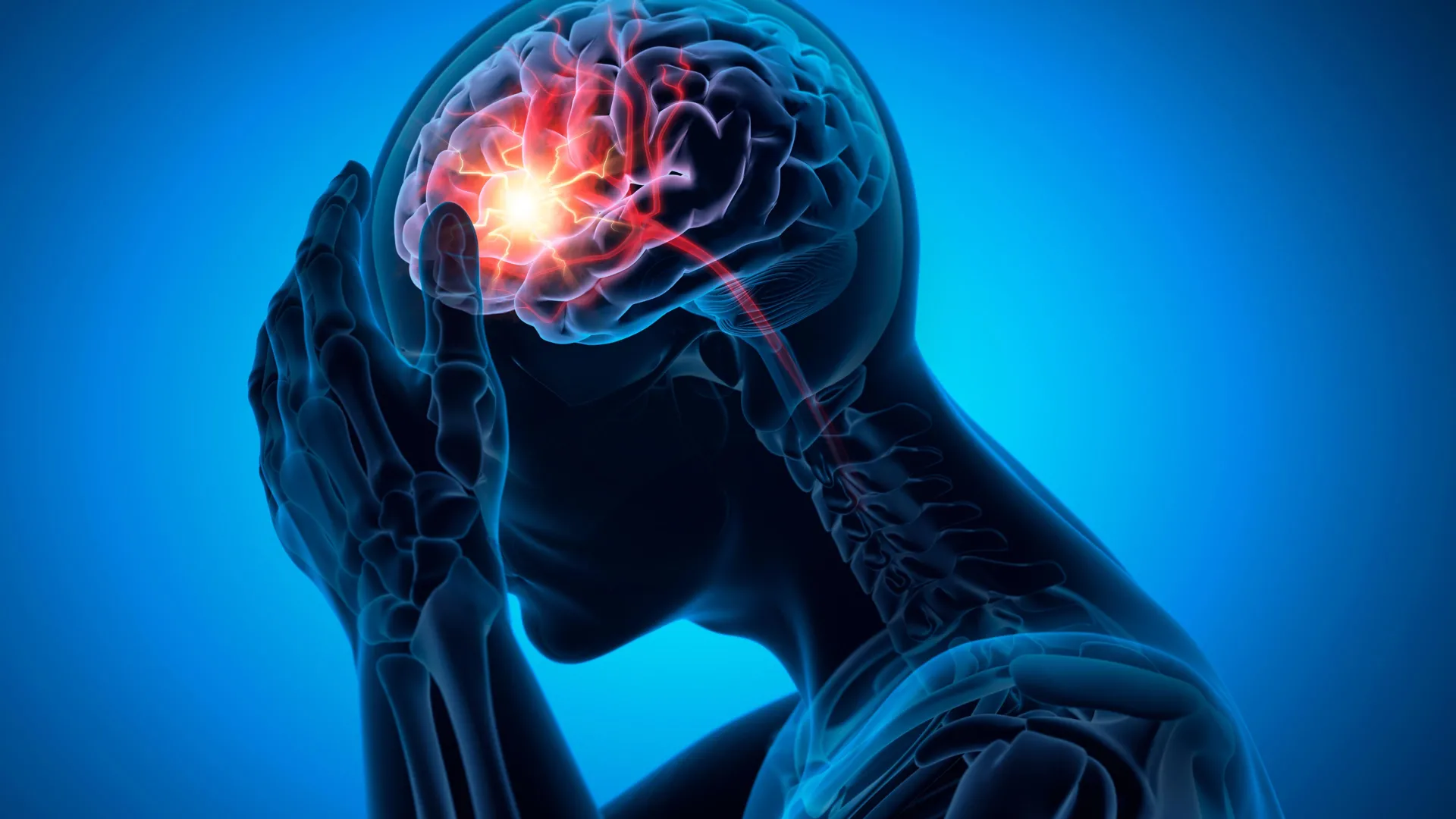
In the landscape of neurology, few conditions are as frustratingly elusive as the lacunar ischemic stroke. Unlike the dramatic, large-vessel occlusions that often dominate clinical discourse, lacunar strokes—which occur deep within the brain’s delicate architecture—have long been treated through a lens of conventional cardiovascular dogma. For decades, medical practitioners have operated under the assumption that these strokes were primarily the result of fatty plaque buildup, similar to the processes that cause heart attacks.
However, a landmark study recently published in the journal Circulation has dismantled this long-standing paradigm. By shifting the focus from large-artery atherosclerosis to the structural degradation of the brain’s microvasculature, international researchers have provided a new roadmap for treating a condition that is a leading cause of long-term disability, cognitive decline, and dementia.
The Misunderstood Mechanism: Challenging the Plaque Paradigm
The medical community has historically categorized lacunar strokes—small strokes occurring in the deep, perforating arteries of the brain—as "mini-strokes" resulting from the same arterial narrowing that affects the heart and limbs. Consequently, the gold-standard treatment has been the prescription of antiplatelet agents, such as aspirin. While these drugs are life-saving for patients with coronary artery disease or large-vessel strokes, their efficacy in preventing secondary lacunar events has been notoriously underwhelming.
The new research, led by a consortium from the University of Edinburgh and the UK Dementia Research Institute, suggests that the "fatty plaque" model is fundamentally flawed when applied to the brain’s smallest vessels. Instead of narrowing, the arteries in patients prone to lacunar strokes appear to be undergoing a process of pathological widening and elongation. This structural shift, which the researchers have identified as a hallmark of small vessel disease (SVD), appears to be the primary driver of brain tissue injury, rather than the cholesterol-driven blockages seen in other parts of the vascular system.
Chronology of the Investigation
The study, which spanned multiple years, utilized a rigorous longitudinal design to observe the progression of vascular health in 229 participants. The cohort consisted of individuals who had already experienced either a lacunar stroke or a mild non-lacunar stroke, providing a controlled environment to compare the physiological trajectories of both groups.
Phase 1: Baseline Assessment
At the outset of the study, researchers conducted comprehensive clinical and cognitive evaluations. Crucially, each participant underwent high-resolution MRI brain scans shortly after their initial stroke event. These baseline images allowed the team to establish a "vascular map" for each patient, documenting the presence of fatty narrowing in large arteries versus the structural integrity of the smaller, deep-brain vessels.
Phase 2: The One-Year Follow-up
Twelve months later, the participants returned for follow-up MRI scans and cognitive assessments. The objective was to track the development of "silent strokes"—small, asymptomatic areas of damage that accumulate over time—and to measure the progression of small vessel disease. By comparing the follow-up data against the baseline, the researchers could definitively link specific vascular behaviors to the development of new brain injury.
Phase 3: Data Synthesis and Analysis
The final phase involved a complex statistical comparison between the two groups. The researchers looked for correlations between the severity of brain injury and the two vascular phenomena: large-artery narrowing (atherosclerosis) and the widening/elongation of small vessels (arteriopathy). The results were stark, revealing that the two processes are distinct and that their clinical outcomes are vastly different.
Supporting Data: When Arteries Widen, Risks Escalate
The data collected from the study serves as a powerful indictment of the "atherosclerosis-first" approach to lacunar stroke. The statistical findings provide a clear narrative regarding the pathology of these small-vessel events.
The Failure of the "Narrowing" Hypothesis
The analysis showed no significant association between the narrowing of large arteries and the occurrence of lacunar strokes. In fact, large-artery narrowing was largely irrelevant in predicting new brain damage in these specific patients. This finding is significant because it explains the clinical "dead end" doctors reach when they focus solely on cholesterol management or traditional plaque-clearing strategies for lacunar stroke survivors.
The Widening Connection
In contrast, artery widening emerged as the definitive "smoking gun." The study found that patients whose brain arteries had widened were more than four times more likely to have experienced a lacunar stroke. Furthermore, this structural widening was directly correlated with:
- Faster Progression: A more rapid decline in brain health as measured by subsequent MRI scans.
- Silent Stroke Burden: A significant uptick in new, sub-clinical brain lesions that occur without immediate, obvious symptoms but contribute to long-term cognitive impairment.
- Disease Severity: A deeper, more aggressive form of small vessel disease that persists despite conventional preventive measures.
Perhaps most alarming was the discovery that more than one in four participants experienced these "silent" strokes during the study period, despite being on standard-of-care medications. This confirms that current pharmaceutical interventions—designed to prevent plaque-related clotting—are failing to address the structural decay of the microvasculature.
Official Responses and Clinical Implications
The lead investigator, Joanna Wardlaw, Professor of Applied Neuroimaging at the University of Edinburgh’s Institute for Neuroscience and Cardiovascular Disease, has been vocal about the paradigm-shifting nature of these results.
"This study provides strong evidence that lacunar stroke is not caused by fatty blockage of larger arteries, but by disease of the small vessels within the brain itself," Professor Wardlaw stated. She emphasized that the distinction is not merely academic; it is a matter of clinical necessity. By correctly identifying that these patients are suffering from microvascular degradation rather than systemic atherosclerosis, physicians can stop relying on treatments that offer limited benefit and pivot toward therapies that target the underlying vessel wall damage.
The LACI-3 Trial: A New Frontier
In response to these findings, the medical community is already moving to adapt. The LACI-3 (LACunar Intervention Trial 3) is currently evaluating whether existing drugs, such as cilostazol and isosorbide mononitrate, can be repurposed to protect the brain. These medications operate differently than aspirin; they are designed to support the integrity of small vessels, lower the risk of additional strokes, and mitigate the long-term impacts of the disease, such as dementia and motor impairment.
Looking Toward the Future of Neurovascular Health
The implications of this research extend far beyond the immediate treatment of stroke. By decoupling lacunar stroke from large-artery atherosclerosis, scientists have opened the door to a new era of neuro-protection.
1. Precision Medicine for the Brain
Future treatment strategies will likely move toward "micro-vessel support" therapies. If the goal is to prevent the widening and structural failure of small arteries, researchers must look at pharmacological agents that stabilize the vascular wall and improve endothelial function.
2. Redefining Cognitive Decline
Because small vessel disease is a significant contributor to dementia and cognitive impairment, identifying these structural changes early could allow for preventative interventions years before a patient suffers a clinical stroke. The "silent strokes" identified in the study are likely the precursors to more severe, symptomatic decline.
3. Global Collaboration
The study’s success was made possible by a vast network of international partners, including the UK Dementia Research Institute, the Leducq Foundation, the Stroke Association, and the British Heart Foundation, alongside researchers from China and Mexico. This global approach underscores the urgency of addressing small vessel disease as a major, yet under-addressed, public health crisis.
Conclusion
The findings published in Circulation serve as a sobering reminder that in the complex world of the human brain, assumptions can be costly. For decades, the medical community has fought the battle against lacunar stroke with the wrong weapons. By pivoting the focus from large-vessel cholesterol management to the structural integrity of the brain’s micro-arteries, we are finally moving toward a more nuanced, effective approach to patient care.
As the LACI-3 trial and subsequent research projects continue to evaluate new therapeutic pathways, there is renewed hope for the millions of people living with the threat of lacunar stroke. The goal is no longer just to prevent a blockage—it is to preserve the delicate, life-sustaining architecture of the brain itself. For the patients who have long felt the frustration of standard treatments failing to halt their decline, this shift in scientific understanding is not just a breakthrough; it is a lifeline.