










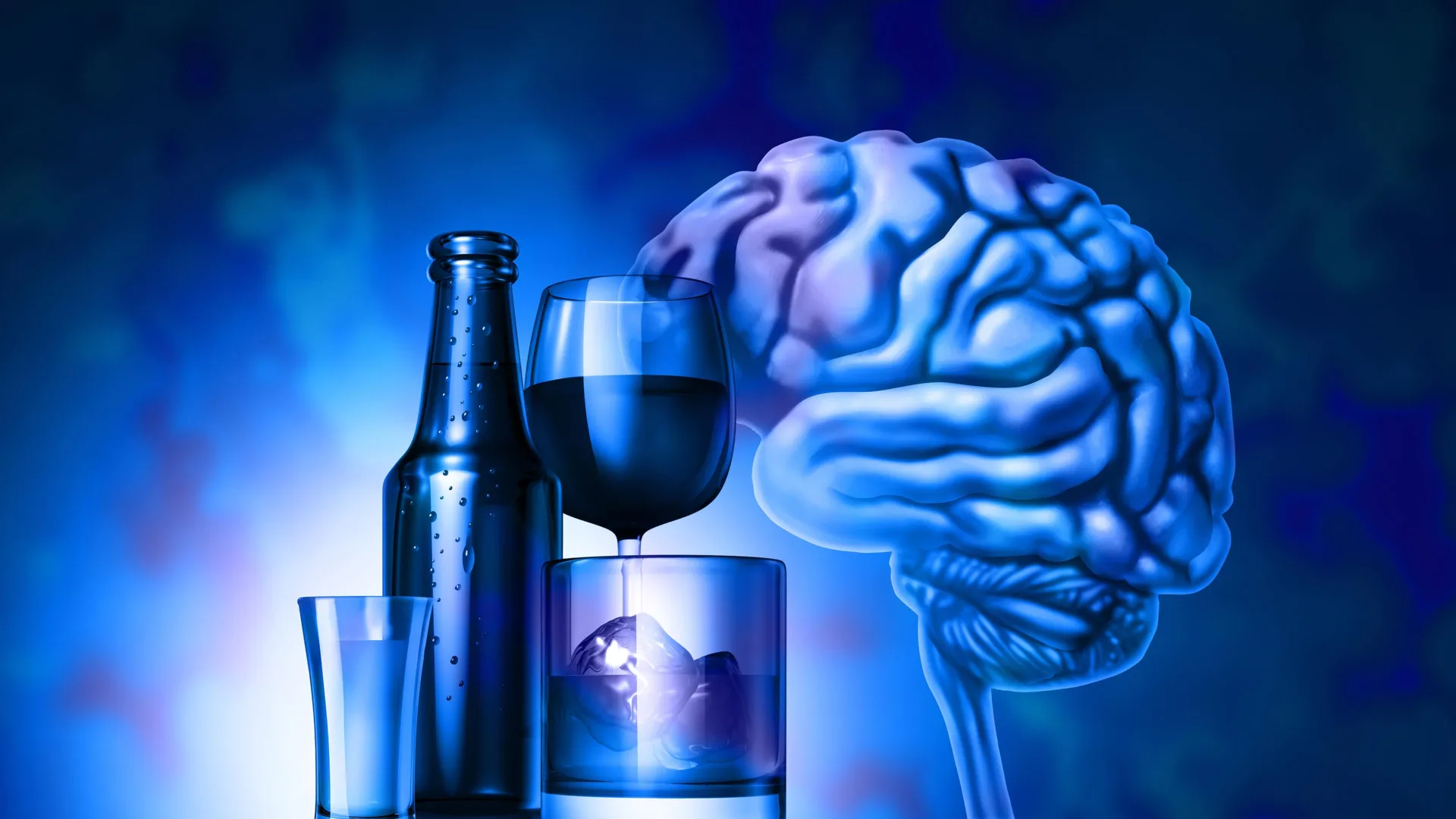
In the pursuit of stress relief, many young adults turn to alcohol as a convenient, immediate panacea. While the social and immediate physical consequences of heavy drinking are well-documented, a groundbreaking study from the University of Massachusetts Amherst suggests that the internal, neurological toll of "stress-coping" alcohol use may be far more insidious than previously understood. According to researchers, the practice of using alcohol to manage stress in early adulthood may hard-wire the brain in ways that persist for decades, even after years of sobriety.
Published in the journal Alcohol: Clinical and Experimental Research, this study suggests that the synergistic effects of alcohol and stress during formative years can permanently alter the brain’s decision-making circuitry, manifesting as cognitive decline by middle age—mimicking the early stages of dementia and Alzheimer’s disease.
The Core Findings: A Lingering Neurological Footprint
The research, led by Elena Vazey, an associate professor of biology at UMass Amherst, posits a sobering reality: the brain does not always "reset" after a period of heavy drinking. While many public health initiatives focus on the immediate cessation of alcohol consumption, this study highlights that the neurological architecture governing our ability to adapt to change is fundamentally reshaped by early-life stress-drinking.
The most critical discovery is the reduction in cognitive flexibility—the brain’s capacity to adjust to changing circumstances and formulate new strategies in real-time. While study subjects (in this case, mice, whose brain circuits for decision-making closely mirror those of humans) retained basic learning abilities, their ability to navigate shifting environments was significantly impaired. This specific impairment, the researchers noted, is a hallmark of the early cognitive decline often seen in neurodegenerative conditions like Alzheimer’s.
The Vicious Cycle: How Stress and Alcohol Co-Opt the Brain
To understand the long-term implications, one must first understand the relationship between stress and alcohol. Scientists have long observed a self-reinforcing cycle: alcohol provides a temporary, chemical suppression of the stress response. However, this relief is illusory. Repeated reliance on alcohol to manage stress weakens the brain’s endogenous (natural) ability to regulate its own emotional state.
As the brain’s internal stress-management systems wither, the individual requires more alcohol to achieve the same level of relief, leading to higher intake. Simultaneously, the poor decision-making associated with heavy drinking creates new stressors—financial, relational, and physical—which then drive the individual back to the bottle.
"We all know that drinking can often lead to poor decision-making," says Professor Vazey. "But we wondered how early adulthood drinking combined with stress affects that circuitry, especially as we grow older. If we can figure out how alcohol and stress change the brain’s circuitry, then we can help figure out how best to help people."
Chronology of a Physiological Shift: From Youth to Middle Age
The research team, supported by the National Institute on Alcohol Abuse and Alcoholism (NIAAA), utilized a longitudinal approach to map these changes. By tracking subjects from a period equivalent to "early adulthood" through to "middle age," the researchers identified a distinct, three-stage progression of neurological degradation:
1. The Adaptive Phase (Early Adulthood)
During this stage, the subjects were exposed to a combination of chronic stress and alcohol. The brain, attempting to maintain equilibrium, began to alter its molecular signaling in response to the constant influx of ethanol and the hormonal surges of stress.
2. The Period of Abstinence
Following the initial exposure, the subjects underwent a prolonged period of complete sobriety. In many behavioral studies, this is where recovery is expected. However, the UMass Amherst team observed that the brain’s "rewiring" had already occurred. The underlying circuits had been modified to prioritize alcohol-seeking behavior when the subjects were once again presented with stress.
3. The Manifestation Phase (Middle Age)
As the subjects reached middle age, the long-term impact became undeniable. Even in the absence of current heavy drinking, the subjects exhibited a heightened susceptibility to "relapse" when exposed to stressors. Furthermore, the molecular damage sustained in the brainstem had led to a measurable decline in executive function, specifically regarding the ability to adapt to new, complex tasks.
The Locus Coeruleus: A Key Point of Failure
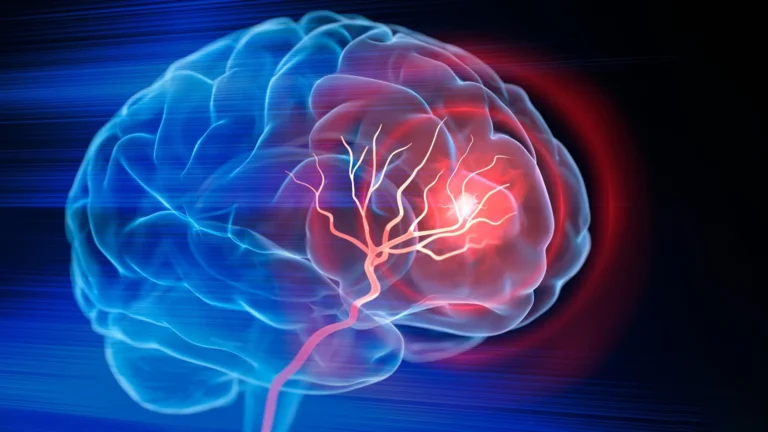
The researchers pinpointed the cause of this dysfunction to a small, specialized region of the brainstem known as the locus coeruleus (LC). The LC is the primary site for the brain’s production of norepinephrine, a neurotransmitter critical for focus, attention, and—most importantly—adaptive decision-making.
In a healthy brain, the LC serves as a dynamic sensor. It activates during periods of stress to help the individual stay alert and make calculated choices, then efficiently "powers down" once the threat has passed. The study found that in brains exposed to both alcohol and chronic stress, the LC loses the molecular machinery required to "switch off."
This failure to return to baseline leaves the LC in a state of constant, low-level activation, which eventually leads to exhaustion and, ultimately, a decline in function. Furthermore, the team identified high levels of oxidative stress within the LC. Oxidative stress, which occurs when there is an imbalance between free radicals and antioxidants in the body, is a known precursor to cellular death and is a defining characteristic of the neurodegeneration seen in Alzheimer’s patients.
Implications for Future Treatment Strategies
The findings from the Vazey lab carry profound implications for how the medical community approaches addiction and long-term recovery. For decades, treatment strategies have focused heavily on behavioral modification and the physical removal of the addictive substance. While these remain essential, the UMass Amherst research suggests they may be insufficient for those with a long history of stress-related drinking.
Moving Beyond Willpower
"The brain’s wiring system is damaged, which means quitting drinking or making better decisions isn’t a matter of willpower," explains Professor Vazey. "After a history of stress and drinking, the brain simply works differently, and our treatment strategies need to be able to address these long-lasting differences."
If the brain is physically incapable of regulating its own stress response due to oxidative damage in the LC, then traditional talk therapy or standard rehabilitation programs may struggle to gain traction. Instead, the researchers suggest that future interventions might need to focus on:
- Neuro-restorative therapies: Targeting the reduction of oxidative stress within the brainstem.
- Pharmacological interventions: Developing drugs that help "reset" the molecular switches in the LC that fail to turn off.
- Cognitive Rehabilitation: Designing therapies that specifically exercise cognitive flexibility, acknowledging that the brain’s natural plasticity has been compromised.
A Call for Public Awareness
This study serves as a stark reminder that the physiological cost of lifestyle choices in our twenties and thirties is not necessarily wiped clean by later life choices. As the global population ages, the link between early-life substance use and late-life cognitive decline is becoming a critical public health concern.
The research emphasizes that the combination of alcohol and stress is significantly more damaging than either factor in isolation. This "synergistic toxicity" suggests that public health messaging should move away from general "don’t drink" warnings and toward more nuanced education about how alcohol interacts with the body’s natural stress-response mechanisms.
While the research was conducted on animal models, the biological parallels are striking. The fact that these mice struggled to adapt to new situations—a trait mirrored in human dementia—provides a compelling roadmap for future clinical research.
Ultimately, this study shifts the conversation from a moralistic view of addiction to a biological one. By understanding that the brain’s "wiring" can be fundamentally altered by early-life trauma and substance use, scientists are opening the door to a new era of addiction medicine—one that views recovery not just as an act of will, but as a complex process of biological repair.
As the medical community continues to digest these findings, the message to young adults is clear: the strategies you use to cope with stress today may determine the cognitive health of your future self. Protecting the brain’s ability to adapt and pivot is not just about avoiding a hangover; it is about preserving the core machinery of the mind for the decades to come.