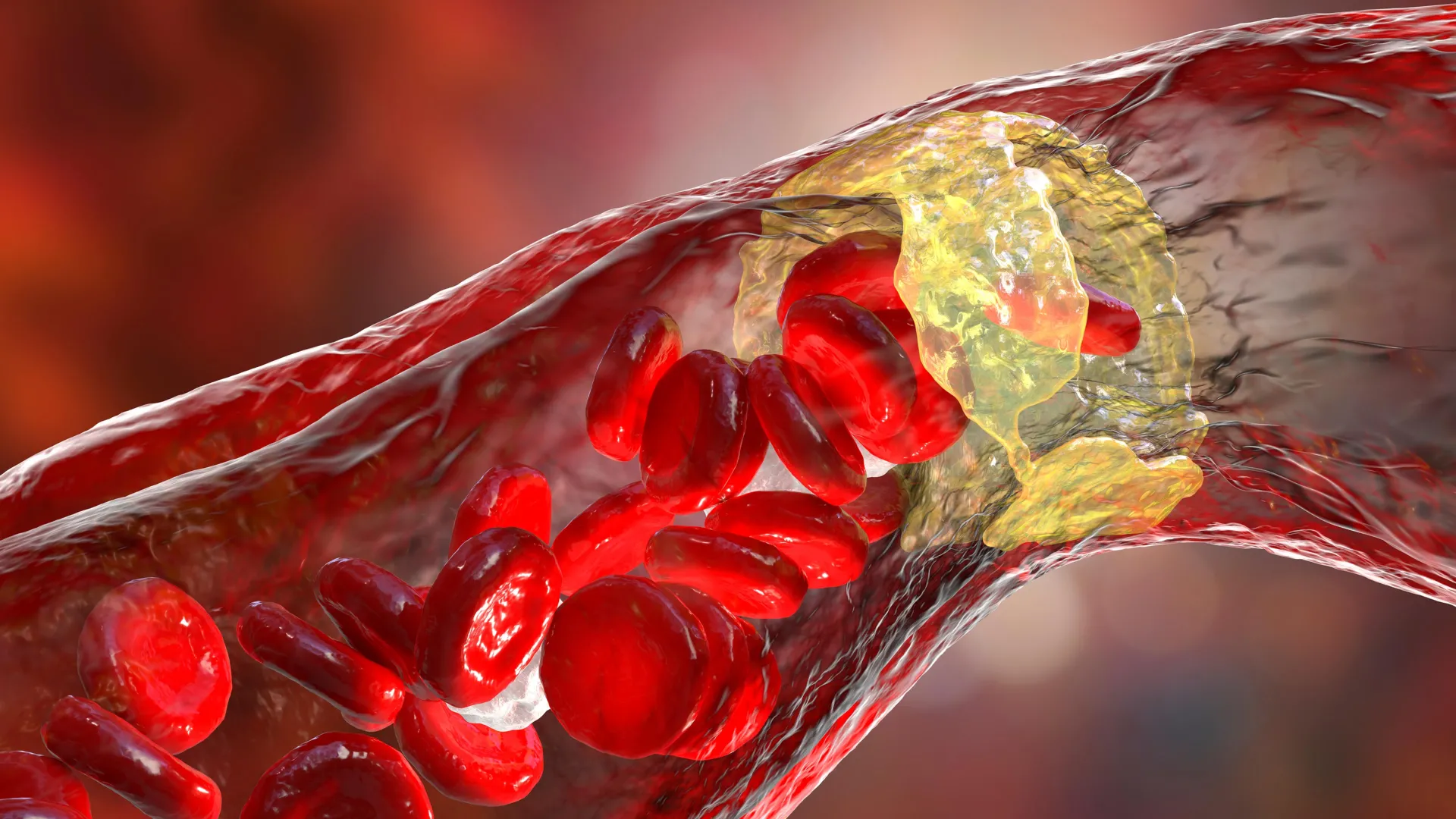
In the modern era, plastic is ubiquitous. From the water bottles we carry to the synthetic fibers in our clothing and the packaging that wraps our daily sustenance, the material has become an inseparable component of human life. However, a growing body of research suggests that this convenience comes with a hidden, biological cost. A groundbreaking study conducted by researchers at the University of California, Riverside (UCR), has uncovered evidence that routine exposure to microplastics may be a silent accelerant for atherosclerosis—the dangerous narrowing of arteries that serves as the precursor to heart attacks and strokes.
The study, published in the journal Environment International, offers a chilling look at how these microscopic pollutants interact with the human cardiovascular system. Perhaps most significantly, the researchers discovered a stark sex-specific disparity: while microplastics induced severe arterial damage in male subjects, female subjects appeared largely resilient, providing a new focal point for cardiovascular research into the protective biological factors that may differentiate the sexes.
The Scope of the Problem: A World Saturated in Plastic
Microplastics—defined as plastic particles smaller than five millimeters—have infiltrated every corner of the planet. They have been recovered from the deepest trenches of the ocean, the highest peaks of the Himalayas, and, increasingly, from within the human body. Because these particles are so pervasive in our food, drinking water, and the air we breathe, total avoidance is currently considered a near-impossibility for the average consumer.
Recent clinical observations have identified these particles lodged within human atherosclerotic plaques, yet until now, it remained unclear whether their presence was merely incidental or a direct driver of disease. The UCR study, titled "Microplastic exposure elicits sex-specific atherosclerosis development in lean low-density lipoprotein receptor-deficient mice," moves the conversation from correlation to causation. It suggests that these microscopic invaders are not just passive passengers in our bloodstreams; they are active agents of cellular dysfunction.
Methodology: Replicating Human Exposure in the Lab
To understand the impact of microplastics on heart health, lead researcher Changcheng Zhou and his team employed a highly controlled experimental design using a specialized mouse model. The study utilized LDLR-deficient mice, a standard and widely accepted model for examining the progression of atherosclerosis.
The Chronology of the Study
The researchers divided the mice into groups, ensuring that the test subjects were placed on a low-fat, low-cholesterol diet—a dietary profile intended to mirror that of a healthy, lean human. Over a period of nine weeks, the team administered a daily dose of microplastics at 10 milligrams per kilogram of body weight. This dosage was calculated to be representative of the levels of microplastics an average person might realistically ingest through contaminated water and food sources in a modern environment.
Throughout the study, the team closely monitored the mice for secondary changes, such as weight gain or shifts in lipid profiles. By keeping these variables constant, the researchers could isolate the microplastics as the primary independent variable, allowing them to pinpoint the specific physiological damage caused by the particles themselves.
Supporting Data: The Male-Specific Cardiovascular Toll
The results of the study were both definitive and unexpected. Following the nine-week exposure window, the team performed a detailed analysis of the mice’s arterial health. The findings revealed a dramatic escalation in plaque formation, but exclusively in the male cohort.
- Aortic Root Impact: Male mice exposed to microplastics exhibited a 63% increase in plaque buildup within the aortic root, the crucial segment of the aorta that attaches directly to the heart.
- Brachiocephalic Artery Impact: The findings were even more pronounced in the brachiocephalic artery, a primary vessel branching from the aorta into the upper chest, where plaque levels skyrocketed by 624%.
- The Gender Gap: Conversely, female mice exposed to identical environmental and dietary conditions showed no significant progression of atherosclerosis.
Crucially, the team confirmed that these findings were independent of traditional cardiovascular risk factors. The mice did not experience weight gain, nor did they show spikes in cholesterol levels. The lipid profiles of all subjects remained stable, indicating that the heightened arterial damage was driven by a direct interaction between the microplastics and the cardiovascular system rather than through metabolic changes like obesity or hyperlipidemia.
Unpacking the Mechanism: Endothelial Dysfunction
To understand how these particles were causing such severe damage, the researchers utilized single-cell RNA sequencing. This high-resolution technique allowed them to observe gene activity in individual cells, revealing that microplastics were systematically disrupting the cells that line the interior of the arteries.
The Role of Endothelial Cells
Endothelial cells serve as the "gatekeepers" of the vascular system. They regulate inflammation, control blood pressure, and maintain the integrity of the artery wall. The study found that these cells were the most heavily impacted by microplastic exposure.
"Since endothelial cells are the first to encounter circulating microplastics, their dysfunction can initiate inflammation and plaque formation," Professor Zhou explained. When these cells are compromised by the physical presence of microplastics, they lose their ability to prevent the accumulation of fats and cholesterol, effectively opening the door for atherosclerotic lesions to grow.
The team also utilized fluorescently labeled microplastics, which allowed them to physically track the particles. They were able to confirm that the plastics had indeed migrated into the plaques and were concentrated within the endothelial layer. Furthermore, the microplastics triggered the activation of harmful, pro-atherogenic gene pathways in both mouse and human endothelial cells, suggesting that the biological mechanism of injury is likely consistent across species.
Official Responses and Expert Insights
Professor Changcheng Zhou, a professor of biomedical sciences at the UCR School of Medicine, emphasizes that while the findings are concerning, they provide a vital roadmap for future medical intervention.
"Our findings fit into a broader pattern seen in cardiovascular research, where males and females often respond differently," Zhou stated. "Although the precise mechanism isn’t yet known, factors like sex chromosomes and hormones, particularly the protective effects of estrogen, may play a role."
The implications of this gendered response are profound. By understanding why female mice were shielded from the damaging effects of the plastics, researchers may be able to uncover new protective pathways that could one day be utilized to create therapies for both men and women.
However, in the absence of a medical "cure" for microplastic ingestion, the researchers stress the importance of proactive, preventative measures. "There are currently no effective ways to remove microplastics from the body," Zhou warned. "The best strategy is to reduce exposure by limiting plastic use in food and water containers, reducing single-use plastics, and avoiding highly-processed foods."
Implications for Public Health and Future Research
The UCR study is among the strongest pieces of evidence to date that microplastics are not merely an environmental nuisance, but a direct contributor to human disease. By establishing a causal link between particle ingestion and arterial inflammation, the study shifts the burden of proof, demanding that global health organizations take the issue of plastic pollution more seriously.
Looking Ahead
The research team is already planning the next phases of their investigation. Future studies will aim to:
- Analyze Particle Characteristics: Determine how different shapes, sizes, and chemical compositions of microplastics—such as PET vs. polypropylene—differentially affect vascular cells.
- Molecular Mechanisms: Deepen the understanding of the specific molecular pathways that allow estrogen and other sex-linked factors to offer protection against vascular damage.
- Human Correlation: Explore whether the sex-specific patterns observed in the mouse models are reflected in human epidemiological data.
As plastic production continues to rise globally, the window to mitigate its health impacts is narrowing. The UCR study serves as an urgent call to action, reminding policymakers and consumers alike that the health of our arteries is inextricably linked to the health of our environment.
The research was a collaborative effort, involving experts from UCR, Boston Children’s Hospital, Harvard Medical School, and the University of New Mexico Health Sciences, with partial funding provided by the National Institutes of Health. As the scientific community continues to peel back the layers of how microplastics affect the human body, the focus remains clear: until we can filter the plastic from our systems, we must prioritize the reduction of the plastic in our lives.