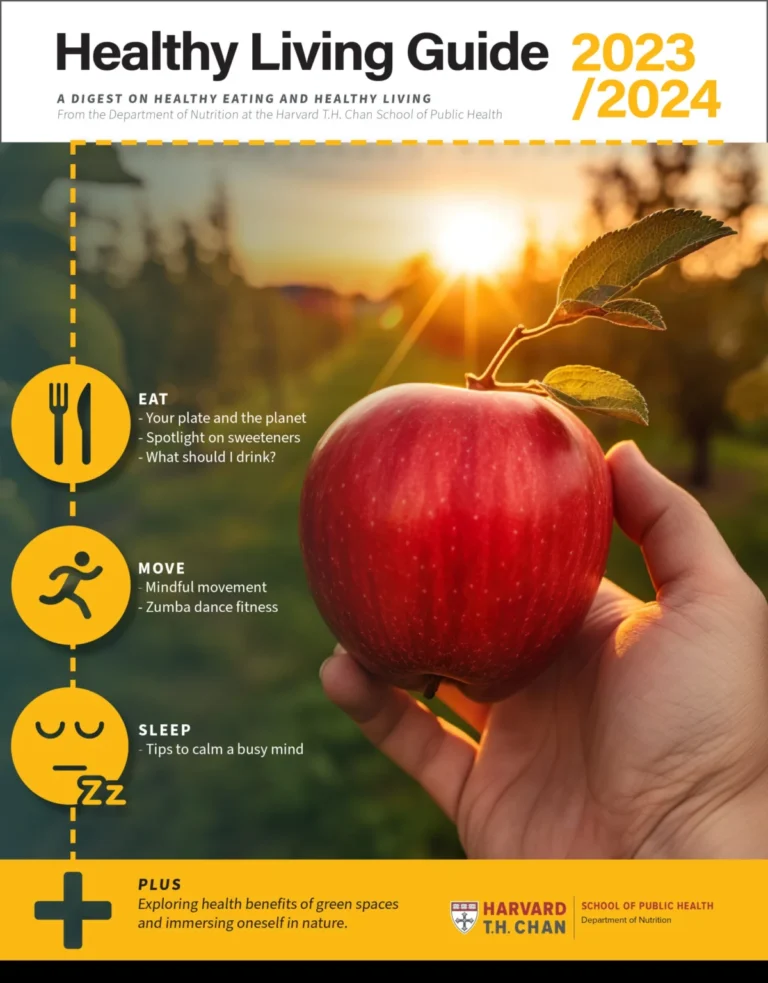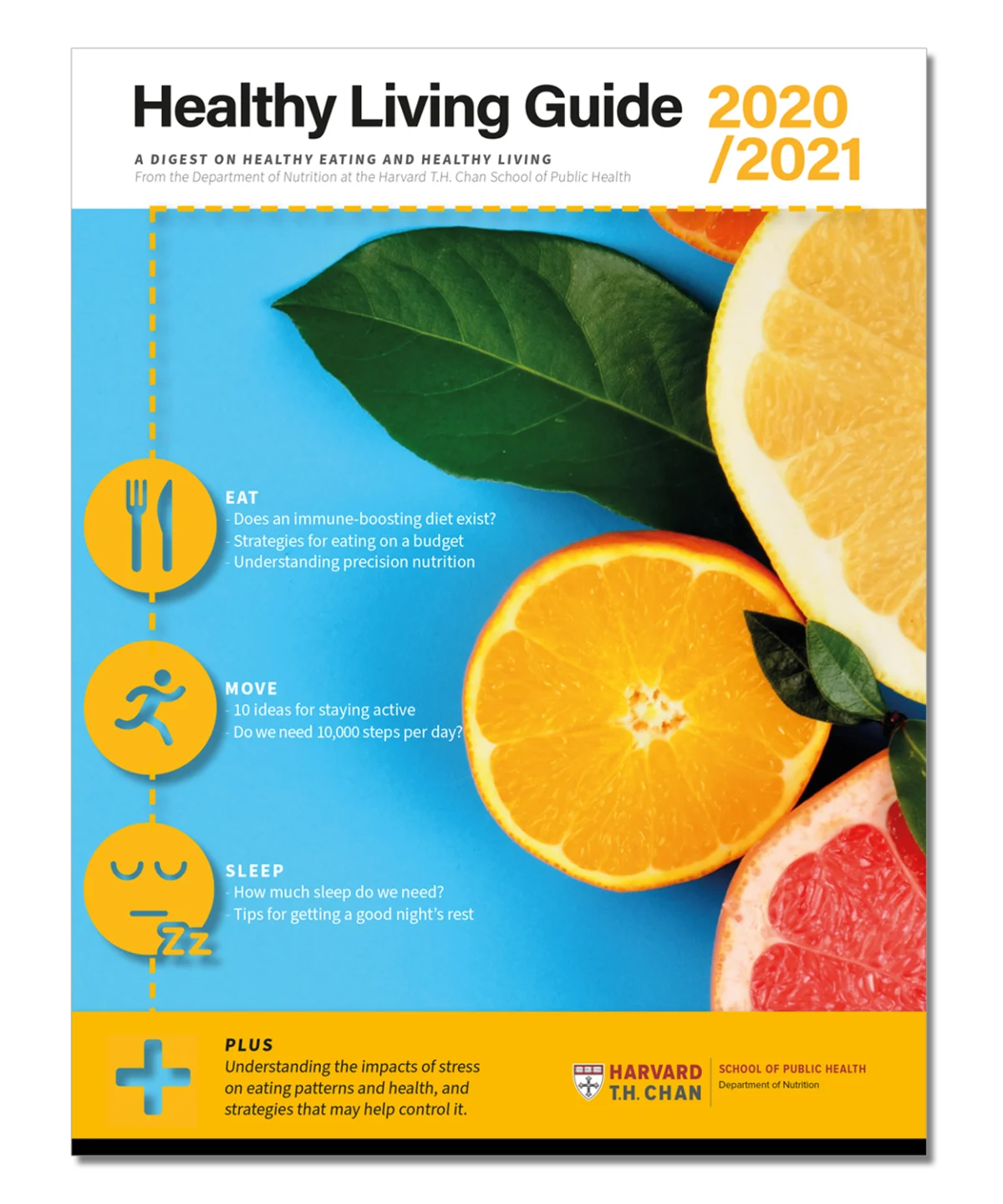
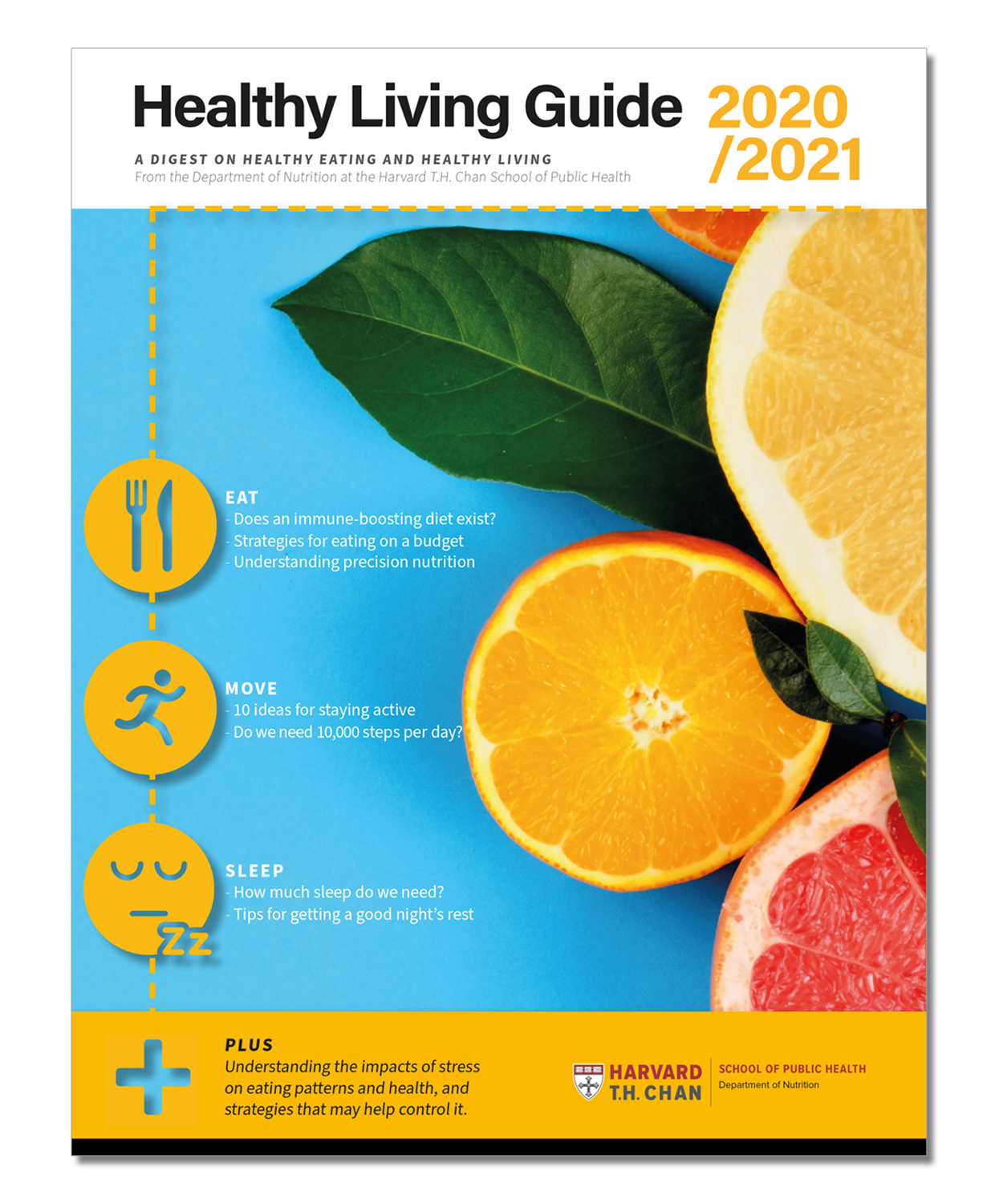
In an age defined by rapid change, global health crises, and the persistent challenge of maintaining personal wellness, the pursuit of a healthy lifestyle has transitioned from a elective endeavor to an essential strategy for survival and vitality. As society continues to navigate the long-term impacts of the COVID-19 pandemic—a period marked by significant disruptions to food access, financial stability, and mental well-being—the Harvard T.H. Chan School of Public Health has released a comprehensive "Healthy Living Guide." This resource serves as a beacon for those seeking to fortify their health through evidence-based practices, proving that the secret to a longer, disease-free life is found not in quick fixes, but in the consistent application of five foundational habits.
The Core Pillars of a Healthy Lifestyle: Main Facts
The overarching philosophy of modern nutritional science is simple yet profound: the cumulative effect of daily choices dictates the trajectory of one’s long-term health. While medical science continues to investigate the direct links between specific dietary patterns and the prevention of infectious diseases like COVID-19, the consensus among experts is that a robust immune system is the best defense against external stressors.
According to long-term health studies, individuals who adhere to five specific lifestyle habits experience significantly better health outcomes. These pillars are:
- Adherence to a Nutrient-Dense Diet: Prioritizing whole foods, such as fruits, vegetables, whole grains, and healthy fats, while minimizing processed sugars and trans fats.
- Regular Physical Activity: Engaging in consistent movement to support cardiovascular health, metabolic function, and mental clarity.
- Maintenance of a Healthy Body Weight: Achieving and maintaining a weight range that minimizes strain on bodily systems and reduces chronic inflammation.
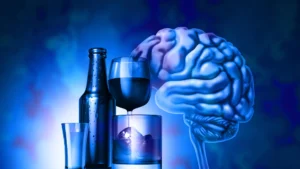
- Moderate Alcohol Consumption: Limiting intake to prevent the systemic damage associated with excessive drinking.
- Tobacco Abstinence: Avoiding smoking and nicotine products to preserve pulmonary function and mitigate the risk of cellular mutation.
These five habits, when integrated into a person’s lifestyle, are not merely suggestions for weight loss; they are clinically proven markers of longevity. Research indicates that those who maintain these habits can expect to live more than a decade longer than those who do not.
A Chronological Evolution of Public Health Strategy
To understand why this guide is so pertinent today, one must look at the timeline of the global health landscape over the past few years.
- Pre-2020: The conversation surrounding healthy living was largely focused on preventing chronic diseases, such as Type 2 diabetes and heart disease. Public health messaging prioritized individual responsibility and the availability of nutritional information.
- 2020–2021 (The Pandemic Shift): The onset of COVID-19 brought an unprecedented shift in lifestyle. Lockdowns, supply chain disruptions, and the sudden cessation of daily routines led to a "lifestyle crisis." Stress-induced eating, sedentary habits, and the psychological burden of isolation created a health emergency secondary to the virus itself.
- The Post-Pandemic Response: Recognizing the need for accessible, actionable data, institutions began distilling complex research into practical tools. The introduction of the "Healthy Living Guide" and interactive challenges—such as the Healthy Living Bingo Challenge—marked a departure from dense, academic medical literature toward community-focused, digestible health strategies.
Supporting Data: The Science of "Living Better"
The Harvard T.H. Chan School of Public Health has consistently highlighted that the goal of these habits is not just to extend the quantity of life, but the quality of life.
Data derived from longitudinal cohort studies reveals startling evidence regarding the impact of lifestyle on chronic disease. When researchers tracked thousands of adults, they found that those who adopted the aforementioned five habits during middle age saw a drastic reduction in the incidence of "lifestyle-related" diseases. Specifically, these individuals lived significantly more years free from:
- Type 2 Diabetes: By stabilizing insulin sensitivity through diet and exercise.
- Cardiovascular Disease: By maintaining healthy blood pressure and cholesterol profiles.
- Cancer: By reducing systemic inflammation and oxidative stress through diet and the elimination of carcinogenic habits like smoking.
The data suggests that the "window of opportunity" is not limited to youth; middle-aged individuals who shift their habits can still reap significant rewards in terms of disease-free years. This empirical evidence provides a powerful rebuttal to the notion that genetic predisposition is the sole driver of health outcomes.
Official Responses and Expert Perspective
Public health officials have emphasized that the pandemic, while a source of trauma, has served as a "great awakening" regarding the vulnerability of our health systems and our own bodies.
"The goal is not perfection," noted researchers associated with the Harvard Healthy Living Guide. "It is about creating sustainable, incremental change."
The official perspective from organizations like the Harvard T.H. Chan School is that institutional guidance must be paired with individual agency. During periods of uncertainty, the psychological barrier to starting a new habit is often higher than the physical one. Consequently, their official response has been to provide "printable tip sheets" and "summaries" that lower the cognitive load for individuals attempting to improve their routines. By providing bingo cards and easy-to-read guides, experts are attempting to gamify health, making the daunting task of lifestyle transformation feel like a series of achievable, enjoyable steps.
Implications for Future Public Health
The long-term implications of these findings are profound. As healthcare costs continue to climb globally, the emphasis is shifting from reactive medicine—treating sickness—to proactive, preventative medicine.
1. The Decentralization of Health
The shift toward downloadable, printable guides suggests a move toward decentralizing health information. Instead of relying solely on doctor-patient interactions, individuals are being empowered to act as their own "health managers," using validated data to navigate their daily environments.
2. Mental Health and Lifestyle Integration
The guide explicitly addresses the "emotional distress" caused by the pandemic. This acknowledges a crucial modern realization: one cannot address physical health without addressing the psychological state. The emphasis on finding "enjoyment" through new recipes or hobbies highlights that the most sustainable health habit is one that brings joy rather than a sense of punitive restriction.
3. Sustainability in Crisis
The "Healthy Living Guide" proves that health strategies must be resilient. In a world where food access can be disrupted and gyms can be closed, the core pillars of health must remain flexible. A healthy diet, for instance, must be adaptable to what is available in the pantry, and exercise must be scalable to the living room floor.
Conclusion: A Blueprint for the Future
As we look toward the future, the lessons from the 2020–2021 period remain as relevant as ever. The Harvard Healthy Living Guide is not just a document for a specific year; it is a framework for human longevity. By focusing on the five pillars—diet, exercise, weight management, moderate alcohol use, and smoking cessation—individuals possess the agency to rewrite their health trajectories.
While the challenges of the world may feel overwhelming, the research is clear: small, consistent choices made today have the power to manifest as a decade or more of healthy, vibrant living tomorrow. Whether through the gamification of a bingo card or the quiet discipline of a balanced meal, the path to longevity is paved by the habits we choose to maintain, even—and especially—when the world around us is in flux.
For those seeking to begin their journey, the printable Healthy Living Guide and associated resources remain available for download, providing the structure needed to turn scientific evidence into daily reality.