For decades, the medical community has viewed serotonin primarily through the lens of neurology and psychiatry. As a vital neurotransmitter, it orchestrates the intricate dance of mood, sleep, digestion, and cognitive function. However, a growing body of research originating in 2023 has unveiled a startling, secondary role for this chemical messenger: it may be a silent architect of structural change within the human heart. Specifically, scientific inquiry is now focused on how serotonin influences the mitral and aortic valves, potentially accelerating the progression of degenerative heart valve disease.
The Vital Mechanics of the Mitral Valve
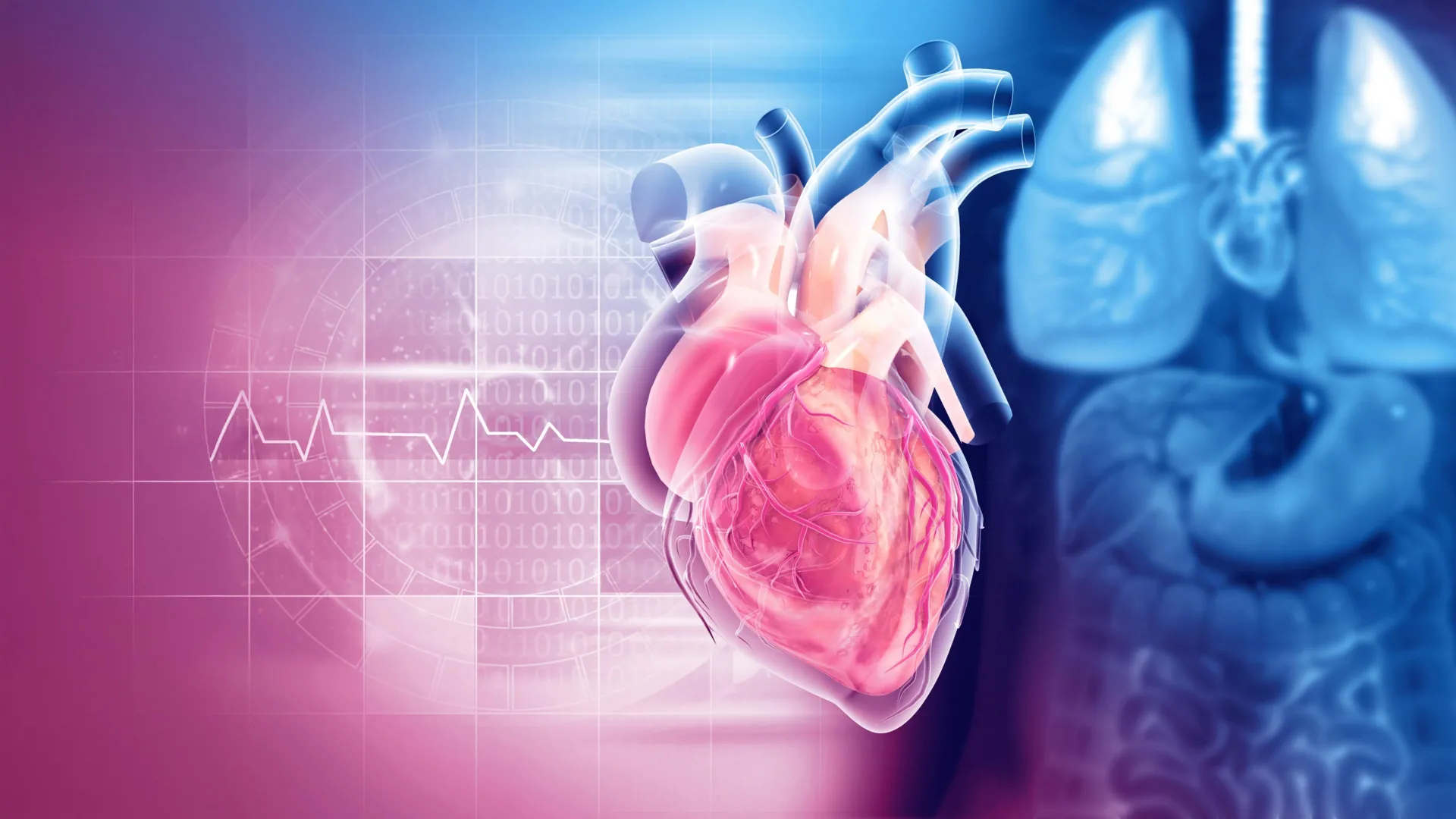
The mitral valve serves as the heart’s high-stakes gatekeeper, positioned between the left atrium and the left ventricle. Its function is deceptively simple yet physiologically demanding: it ensures that oxygen-rich blood returning from the lungs moves forward into the body’s systemic circulation without flowing backward during the heart’s contraction.
In patients suffering from Degenerative Mitral Regurgitation (DMR), this precise mechanism begins to fail. As the valve tissue degrades, the delicate flaps—or leaflets—lose their structural integrity. They may thicken, stretch, or deform, preventing a complete seal. This "leaky" valve forces the heart to work harder, creating a dangerous cycle of increased pressure, potential atrial fibrillation, and, eventually, congestive heart failure. Until now, the management of DMR has been largely reactive, focusing on symptom mitigation until the valve requires surgical repair or replacement.
A Chronology of Discovery: From 2023 to 2026
The scientific narrative connecting serotonin to cardiac health began in earnest with a multicenter study published in 2023 in Science Translational Medicine. Led by Dr. Giovanni Ferrari of Columbia University and Dr. Robert J. Levy of the Children’s Hospital of Philadelphia (CHOP), the research team sought to understand whether the serotonin transporter (SERT)—the protein responsible for clearing serotonin from the extracellular space—played a role in valve degeneration.
2023: The Initial Breakthrough
The researchers hypothesized that if SERT activity were reduced, excess serotonin might linger around valve cells, triggering abnormal growth. By reviewing data from 9,000 patients who underwent mitral valve surgery, the team identified a correlation: patients taking Selective Serotonin Reuptake Inhibitors (SSRIs)—which intentionally suppress SERT activity—required surgical intervention for DMR at a significantly younger age than those not on the medication.
2024–2025: Expanding the Scope
Following the initial findings, the research expanded into the molecular domain. A 2024 study in mice confirmed that deficient SERT activity was linked to fibrotic changes—the buildup of stiff, scar-like tissue—in both cardiac valves and the left ventricular muscle. By 2025, the conversation moved to the aortic valve. A study comparing 76 participants found that those with severe aortic stenosis exhibited higher systemic levels of serotonin, suggesting the signaling pathway was not isolated to the mitral valve but was a systemic cardiac concern.
2026: The Search for Therapeutic Targets
By early 2026, the field reached a new level of sophistication. Researchers identified a specific serotonin receptor, HTR2B, as a potential driver of the damaging fibrotic response. Experimental compounds designed to block this receptor showed promise in preclinical models, potentially preserving valve structure and blood flow. This same year, a systematic review and meta-analysis provided a broader statistical context, reporting an odds ratio of 2.76 between SERT-modifying drugs and heart valve disease, reinforcing the legitimacy of the connection.
Supporting Data and Biological Mechanisms
The link between SSRIs and heart disease is not a simple case of "medication equals damage." Instead, it is a complex interaction between genetics, drug-induced transporter inhibition, and pre-existing valve vulnerability.
The Role of Genetics (5-HTTLPR)
The 2023 study highlighted a genetic region known as 5-HTTLPR. Certain variants, particularly the "long-long" variant, are associated with naturally lower SERT activity. Laboratory analysis revealed that cells carrying this variant are more sensitive to serotonin and, consequently, produce an excess of collagen. While collagen is essential for strength, an overabundance of it leads to the thickening and stiffening that characterizes diseased valves.
Pre-existing Vulnerability
Crucially, the research suggests that healthy valves are generally resilient. The negative remodeling appears to be a "second hit" phenomenon: the valve must already be degenerating for the lack of SERT activity to trigger accelerated disease. "A healthy mitral valve can probably stand low SERT activity without deforming," says Dr. Ferrari. "It is unlikely that low SERT can cause degeneration by itself."
Official Perspectives and Clinical Caution
Despite the compelling nature of the data, the medical establishment remains measured. Professional guidelines for heart valve care remain firmly anchored in imaging, hemodynamic assessment, and symptom evaluation.
The Stance on SSRIs
Medical experts caution against the cessation of SSRIs based on these findings. SSRIs remain the gold standard for treating debilitating mood disorders, and their benefits in preventing psychiatric crises are well-documented. The researchers involved in these studies explicitly state that the evidence is observational and does not establish a direct cause-and-effect relationship that would warrant a change in standard prescribing practices.
The Need for Clinical Trials
The current body of evidence is largely derived from preclinical models (mice) and retrospective clinical data. To translate these findings into clinical practice, the scientific community identifies three requirements:
- Prospective longitudinal studies that track patients over time to account for dosage, duration, and comorbidities.
- Standardization of diagnostic screening, specifically regarding the potential use of genetic testing to identify "at-risk" patients.
- Validated therapeutic interventions, such as HTR2B inhibitors, which are currently experimental and far from human clinical trials.
Implications for Future Medicine
The discovery that a neurotransmitter can act as a pathological trigger for heart valve disease opens a new frontier in cardiovascular medicine. If the HTR2B pathway is confirmed as a primary driver, it could lead to the development of "cardio-protective" adjunct therapies for patients taking SSRIs who are also at risk for valve disease.
Furthermore, the possibility of using genetic markers to personalize care represents a shift toward precision cardiology. By identifying which patients carry the 5-HTTLPR "long-long" variant, cardiologists might implement more frequent echocardiograms to monitor for subtle changes in valve thickness long before a patient experiences symptoms.
Conclusion
The serotonin-valve connection is a profound reminder of the systemic nature of human biology. While the findings offer a compelling explanation for why some degenerative heart valve conditions progress faster than others, they do not yet mandate a change in clinical care. For patients currently managing heart valve disease, the priority remains standard cardiological surveillance. The research, however, provides a promising roadmap for future diagnostics and therapies that could eventually protect the heart without compromising the integrity of the mind. As science progresses toward clinical trials, the medical community will continue to bridge the gap between neurological chemistry and cardiovascular structure, potentially unveiling new ways to protect the heart’s most critical gates.