In recent months, a wave of sophisticated phishing campaigns has swept across the United States, targeting patients of major healthcare systems by masquerading as official communications from MyChart, the ubiquitous patient portal developed by Epic Systems. While the sheer volume of these deceptive emails, texts, and phone calls has alarmed patients and hospital administrators alike, experts suggest that the surge is not a reflection of a technical vulnerability within the Epic infrastructure, but rather a calculated attempt by cybercriminals to capitalize on the platform’s household-name status.
Main Facts: The Anatomy of the MyChart Scam
The phishing campaigns currently impacting healthcare providers across the country share a consistent set of characteristics designed to harvest sensitive personal and financial data. Patients have reported receiving messages—often via SMS or email—that mimic the professional branding of their local hospital’s patient portal.
The common hook involves an urgent call to action, often enticing the recipient to "claim an offer," confirm an appointment, or address an alleged billing discrepancy. These messages typically direct users to fraudulent websites that mirror the aesthetics of legitimate MyChart portals. Once on these malicious sites, victims are prompted to input personal identifiers, such as insurance information, Social Security numbers, or login credentials.
Industry analysts note that these scams often bear the hallmarks of modern social engineering. While some messages contain telltale signs of fraud—such as grammatical errors, awkward phrasing, or suspicious sender addresses—others are increasingly polished, utilizing the visual identity of trusted medical institutions to lower the defenses of even tech-savvy patients.
Chronology of the Escalation
The rise in these incidents did not happen in a vacuum. Throughout the spring and early summer of this year, a dozen major health systems began issuing public warnings to their patient populations.
- Early 2024: Security researchers began identifying an uptick in domain registrations that mimicked healthcare portals.
- May–June 2024: Multiple regional health systems reported an influx of patient inquiries regarding "unusual" messages purportedly coming from their health records portals.
- July 2024: Epic Systems, the Wisconsin-based electronic health record (EHR) giant, officially addressed the trend. Trevor Berceau, Epic’s director of research and development, released a statement clarifying that the MyChart platform itself had not been breached.
- Late Summer 2024 to Present: The campaign has expanded into a multi-modal assault, with scammers now utilizing a combination of automated text messaging (smishing) and voice-based phishing (vishing), indicating a higher level of investment from criminal syndicates in targeting the healthcare sector.
Supporting Data: The Vulnerability of Healthcare
The targeting of MyChart is, in many ways, a logical evolution of cybercrime. According to recent cybersecurity reports, the healthcare industry remains the most targeted sector for phishing attacks globally. Data suggests that healthcare organizations suffer from higher-than-average click rates on malicious links, largely due to the "trust factor" associated with medical communications.
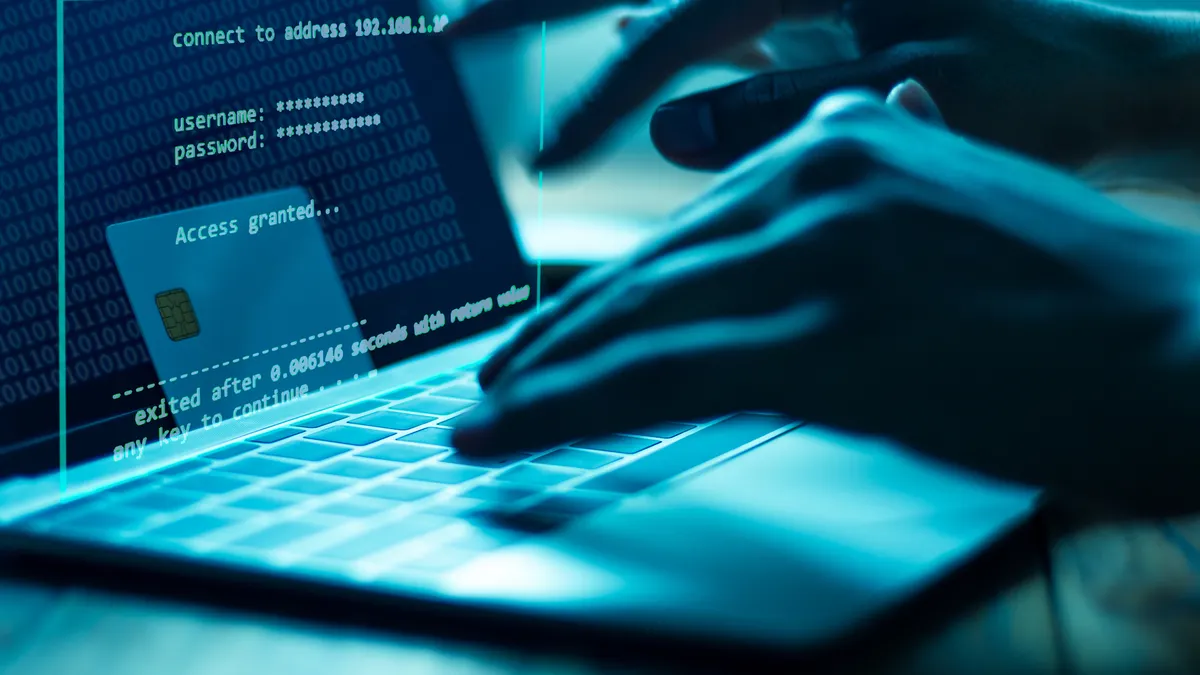
The rise of generative artificial intelligence (AI) has significantly lowered the barrier to entry for these criminals. Previously, phishing campaigns were often hampered by poor translations or generic templates. Today, large language models allow attackers to generate highly personalized, contextually relevant, and perfectly punctuated messages in bulk.
Furthermore, the "healthcare value chain" is incredibly lucrative. A single set of compromised patient records can be sold on the dark web for significantly more than a standard credit card number, as medical records contain a "full kit" of PII (Personally Identifiable Information) that can be used for insurance fraud, identity theft, and synthetic identity creation.
Official Responses and Security Guidance
The official stance from Epic Systems is one of reassurance regarding the integrity of their software. In his July communication, Berceau was clear: "The increase in attempts is due to scammers taking advantage of the popularity of the MyChart brand rather than any security concern, so you can continue to use MyChart as normal."
However, Epic has accompanied this reassurance with a list of "red flag" behaviors that patients should watch for. The company maintains that:
- MyChart will never ask a patient to input their password through a link provided in an unsolicited text or email.
- MyChart will never demand that a user perform keyboard shortcuts or verify sensitive account details via an external, non-secure phone line.
- Communication channels should be verified; if a patient receives an unexpected notification, they should navigate directly to their known, bookmarked hospital website rather than clicking links within a message.
Healthcare providers, such as Texas Health Resources, have amplified these warnings, urging patients to scrutinize the sender’s domain. "If something doesn’t feel right, stop and check," remains the primary advice for patients who find themselves in receipt of suspicious correspondence.
Implications for the Future of Patient Portals
The current wave of phishing is a stark reminder of the "human element" in cybersecurity. As organizations harden their firewalls and implement multi-factor authentication (MFA) at the infrastructure level, the focus of cybercriminals has shifted toward the endpoint—the patient.

The "Trust Erosion" Problem
One of the most significant, yet intangible, implications of these scams is the erosion of patient trust. If patients become too accustomed to receiving "official" messages that turn out to be fraudulent, they may eventually ignore legitimate alerts regarding their health, such as test results or appointment reminders. This creates a public health risk that extends beyond mere data theft.
The Need for Proactive Education
Health systems are now finding themselves in the role of digital educators. Many hospitals are launching digital literacy campaigns to teach patients how to identify secure communication. This involves teaching patients to verify the sender’s email domain (e.g., ensuring it ends in the official hospital domain rather than a generic Gmail or outlook.com address) and reminding them that hospitals will rarely, if ever, send "free offers" or unsolicited prizes.
Regulatory and Technical Pressure
The persistence of these scams will likely force a change in how patient portals interact with users. We may see an industry-wide move toward "in-app-only" notifications, where sensitive alerts are not sent via email or text, but are instead only accessible by logging into a secure, hardened application. While this may cause minor inconveniences in user experience, it effectively neutralizes the efficacy of phishing links.
Furthermore, as the healthcare sector continues to face pressure from regulatory bodies like the Department of Health and Human Services (HHS), there will likely be increased requirements for cybersecurity transparency. If healthcare providers are to maintain the trust of their patients, they must be as transparent about potential threats as they are about medical outcomes.
Conclusion
The recent uptick in MyChart-themed phishing is not a sign that the patient portal is broken, but rather a testament to its success. Because millions of patients trust the MyChart name, it has become a high-value target for criminals.
For the healthcare industry, this period serves as a critical stress test. It highlights that in the digital age, cybersecurity is not just the responsibility of the IT department; it is a collaborative effort between software developers, healthcare providers, and the patients themselves. By maintaining a healthy skepticism, verifying the sources of incoming communications, and adhering to the security guidelines set forth by Epic and local providers, patients can continue to utilize these vital tools while keeping their sensitive information secure from the growing reach of cybercriminals. As technology evolves, so too must our vigilance. The era of assuming that a digital message is legitimate simply because it bears a familiar logo has passed; the era of verified, authenticated, and cautious digital engagement is now the new standard.