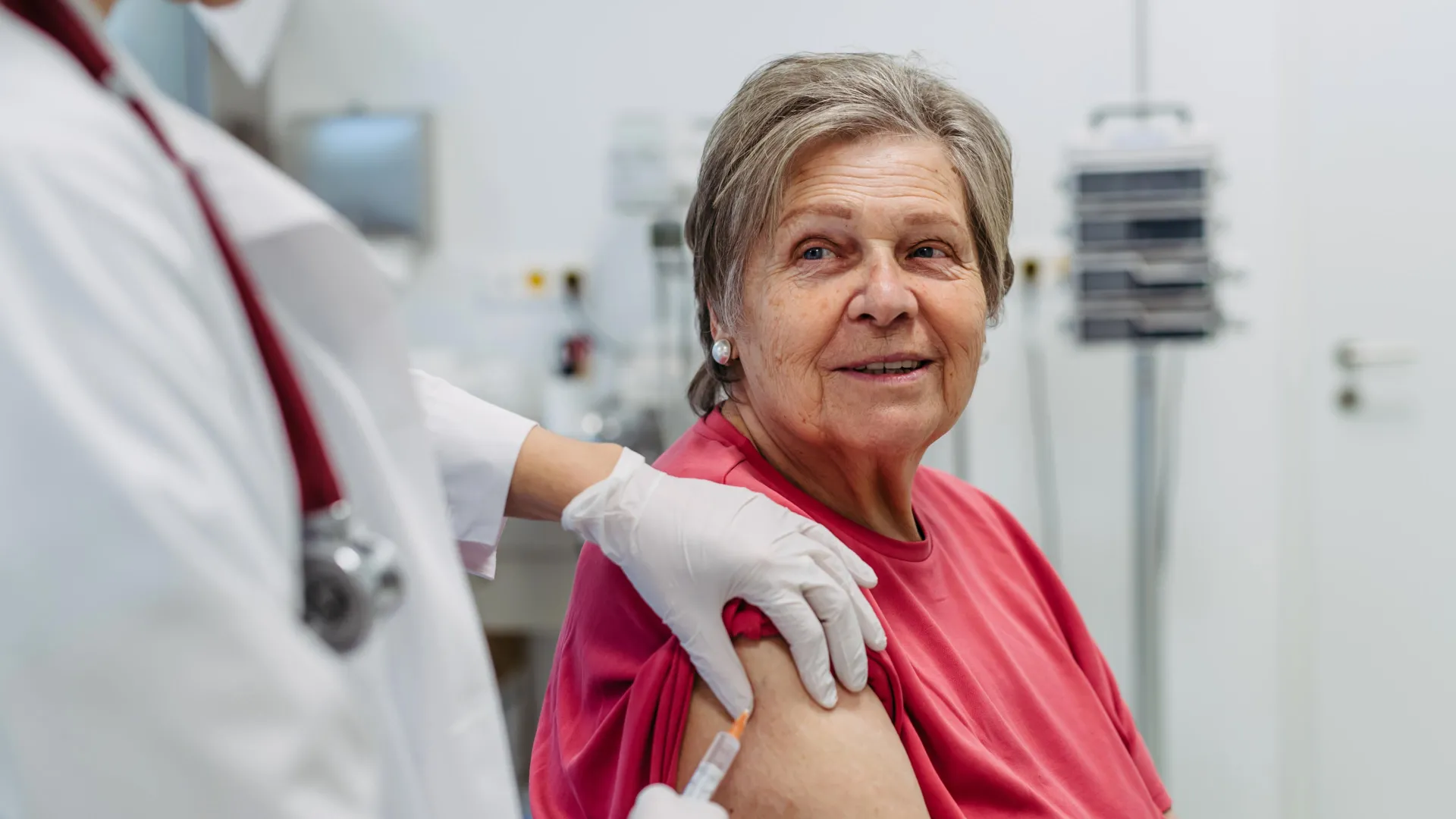
In a compelling development for geriatric medicine, a robust new study has suggested that the recombinant shingles vaccine, Shingrix (RZV), may offer far more than simple protection against the painful, blistering rash associated with the varicella-zoster virus. According to research published in the Annals of Internal Medicine, older adults who received the vaccine upon entering skilled nursing facilities exhibited a 24% lower risk of receiving a dementia diagnosis over a four-year follow-up period compared to their unvaccinated counterparts.
This finding adds significant weight to a growing body of evidence suggesting that certain vaccinations may provide "neuroprotective" benefits, potentially shielding the brain from cognitive decline. As the global population ages and the prevalence of dementia continues to rise, the possibility that a widely available, cost-effective vaccine could serve as a dual-purpose tool for health maintenance has sparked intense interest among researchers and public health officials alike.
The Study: Methodology and Scope
The research, led by Dr. Kaley Hayes, an assistant professor at Brown University’s School of Public Health and associate director of pharmacoepidemiology for the university’s Center for Gerontology and Healthcare Research, represents one of the most comprehensive looks at the newest shingles vaccine to date.
To overcome the inherent difficulties of conducting randomized clinical trials—the gold standard of medical research—in a population as vulnerable as nursing home residents, the research team employed a statistical technique known as "target trial emulation." This methodology allows scientists to structure observational data from Medicare claims and electronic health records to mimic the conditions of a randomized trial, thereby reducing bias and improving the reliability of the findings.
The scope of the analysis was immense. Researchers pored over data from more than 500,000 individuals aged 66 and older who were admitted to over 5,500 skilled nursing facilities across the United States between 2017 and 2022. To ensure the integrity of the data, the study strictly excluded any patients who had already been diagnosed with dementia prior to the study’s baseline.
The final cohort included 509,926 participants. Of this large group, 8,843 individuals received at least one dose of the Shingrix vaccine. While the number of vaccinated individuals appears small in proportion to the total population studied, it provided a significant enough sample size for the researchers to draw statistically meaningful comparisons between those who were vaccinated and those who remained unvaccinated.
Chronology of Findings
The timeline of the study tracks patients from the moment they were admitted to a skilled nursing facility—a critical juncture in geriatric care—through a four-year window of observation.
- 2017: The Shingrix vaccine (RZV) was introduced to the market. Unlike previous shingles vaccines, Shingrix is a non-live, recombinant vaccine that has demonstrated high efficacy in older populations.
- 2017–2022: Data collection period. The researchers monitored Medicare claims to identify when patients received the vaccine and subsequently monitored their health records for any new diagnosis of dementia.
- Post-Vaccination Follow-up: The researchers tracked the cohort for four years post-admission.
- Outcome Analysis: At the conclusion of the study, the data revealed that dementia had developed in 18.8% of those who received the vaccine, compared to 24.6% of those who did not.
"This translates to about one in 17 dementia cases potentially being prevented," Dr. Hayes noted, emphasizing the clinical significance of these numbers.
Supporting Data: Examining the "Neuroprotective" Hypothesis
The association between the shingles vaccine and cognitive health is not entirely unprecedented, though previous studies were often limited by their focus on older, less effective vaccine formulations. By focusing specifically on the RZV vaccine—the only shingles vaccine currently available—Dr. Hayes and her team have effectively updated the conversation for modern clinical practice.
The consistency of the results across multiple institutional partners—including the University of Delaware and the Providence Veterans Affairs Medical Center—adds further credibility to the findings. The researchers adjusted their models to account for variables such as age, baseline health status, and comorbidities, as vaccinated individuals in the study tended to be slightly younger and healthier on average than their unvaccinated peers. Even after these rigorous adjustments, the protective association remained, suggesting that the vaccine itself may play a role in maintaining cognitive integrity.
While the exact biological mechanism remains a subject of ongoing debate, researchers theorize that the vaccine may reduce systemic inflammation or mitigate the latent reactivation of the varicella-zoster virus, which has been linked to vascular damage in the brain. "It fits into this large puzzle that’s just starting to come together," Dr. Hayes said. "The vaccines are effective at preventing shingles and also appear to have neuroprotective benefits as well."
Official Responses and Limitations
Despite the promising nature of the findings, the researchers were quick to urge caution. A critical limitation of the study is that, as an observational analysis, it cannot definitively prove a direct cause-and-effect relationship between the Shingrix vaccine and a lower incidence of dementia.
"We have to be careful not to conflate association with causation," the report states. While the researchers controlled for numerous variables, there remains the possibility of "healthy user bias"—the concept that individuals who seek out vaccinations are generally more proactive about their health in ways that are difficult for researchers to quantify.
Furthermore, the study authors disclosed receiving funding from GlaxoSmithKline (GSK), the manufacturer of Shingrix. However, the researchers maintained that GSK had no influence over the design of the study, the statistical analysis, or the decision to publish the final results, maintaining the transparency of the scientific process.
Experts in the field have noted that while these results are encouraging, they should be viewed as a signal for future clinical trials rather than a definitive medical prescription for dementia prevention. Large-scale, randomized trials are now the logical next step to determine if the vaccine is truly preventing cognitive decline or if other underlying factors are at play.
Clinical Implications: A New Way to Think About Vaccines
The implications of this research are profound. If validated, the findings suggest that the shingles vaccine could be a powerful tool for public health, offering benefits that extend well beyond the prevention of shingles-related pain.
"Our cognition is so tied to our overall health and what happens to us physically," Dr. Hayes explained. "It’s really amazing to see that something that’s supposed to prevent a physical ailment can also help keep our brain healthy, too."
For clinicians working in skilled nursing facilities, the study provides a compelling argument for prioritizing vaccination among new admissions. Given that dementia is one of the most debilitating and costly conditions for both patients and the healthcare system, even a modest reduction in risk could have enormous public health benefits.
Moreover, the study highlights the importance of keeping older, vulnerable adults up to date with their vaccination schedules. Often, patients entering skilled nursing facilities are at a "clear clinical point in care," where medical oversight is heightened and opportunities for preventative care are high. If vaccines like Shingrix are integrated into the routine care protocols of these facilities, it could potentially change the trajectory of long-term cognitive health for thousands of patients.
Future Outlook
As the medical community digests these results, the focus will likely shift toward unraveling the "why" behind the association. Researchers are already looking for potential studies that could test the vaccine’s impact on markers of neuroinflammation or cognitive markers in real-time.
In the meantime, the study reinforces a central tenet of modern medicine: that the body and the brain are not separate systems. As we continue to refine our understanding of how infections and immunizations impact the aging brain, vaccines may well transition from being viewed as simple illness prevention to being seen as integral components of healthy cognitive aging.
For the families of those in nursing care and the healthcare providers who care for them, the message is clear: while we await further definitive proof, the Shingrix vaccine remains a vital, evidence-based intervention that supports the overall physical—and perhaps cognitive—resilience of our most vulnerable population.
The study, “Association of the Recombinant Shingles Vaccine With Risk of Dementia in Older Adults: A Target Trial Emulation Study,” is available in the current issue of the Annals of Internal Medicine. As more data emerges, it is likely that this topic will remain at the forefront of geriatric research for years to come.