











EDITOR’S NOTE: This story includes discussion of violence and suicide. If you or someone you know is in crisis, the national suicide and crisis lifeline in the U.S. is available by calling or texting 988.
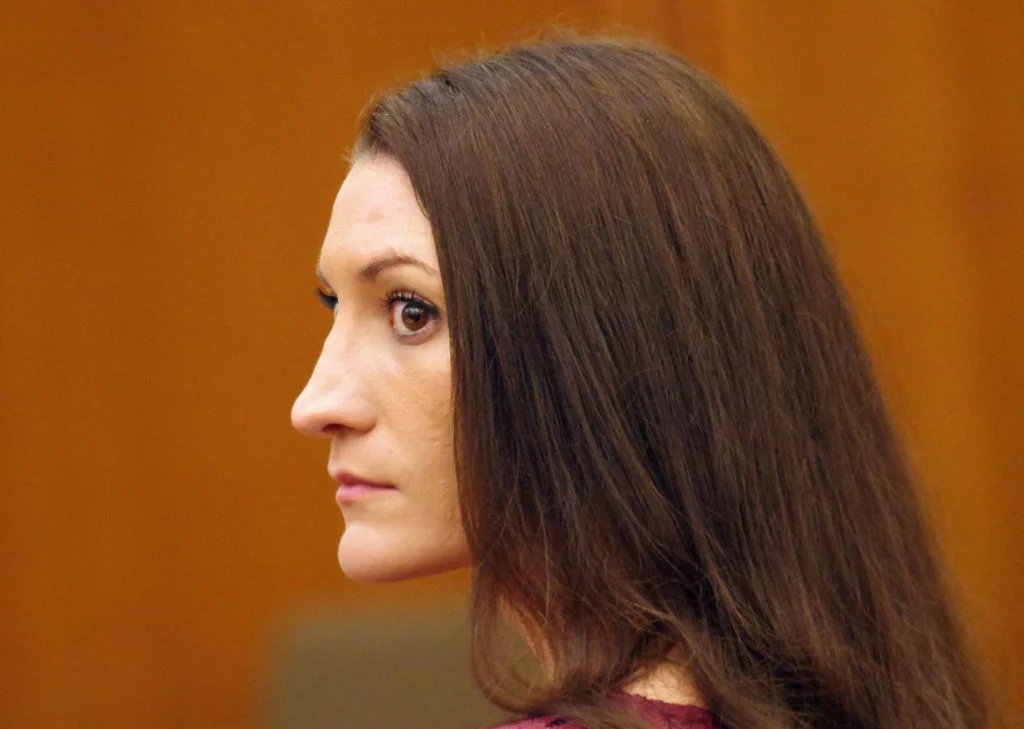
The courtroom in Massachusetts has become a harrowing stage for one of the most polarizing and tragic criminal cases in recent memory. After nearly a month of gut-wrenching testimony, the trial of Lindsay Clancy—the 36-year-old former labor and delivery nurse accused of strangling her three young children—is reaching its final phase. As jurors prepare to weigh the evidence, the trial has evolved into a profound debate over the limits of criminal responsibility, the nature of postpartum mental illness, and whether a mother who suffered from a documented psychiatric decline can be held accountable for an act of unimaginable horror.
The Core Allegations and the Defense’s Stance
In January 2023, the lives of the Clancy family were shattered when 5-year-old Cora, 3-year-old Dawson, and 8-month-old Callan were found strangled in the basement of their Duxbury, Massachusetts, home. Lindsay Clancy, who had been struggling with severe mental health challenges in the months leading up to the tragedy, was found at the scene, having survived an apparent suicide attempt.
The defense, led by attorney Kevin Reddington, has anchored its case on the theory of acute postpartum psychosis—a rare, severe, and potentially life-threatening mental health condition that can follow childbirth. The defense argues that Clancy was in the throes of a dissociative break, governed not by logic or premeditation, but by a distorted reality fueled by a cascade of psychiatric failures, insomnia, and adverse reactions to a cocktail of prescribed medications.
The Forensic Battleground: Expert Testimony
Tuesday’s proceedings centered on the testimony of Kirk Heilbrun, a forensic psychologist engaged by the prosecution to evaluate Clancy’s psychiatric history. His testimony served as the state’s rebuttal to the defense’s portrayal of a woman driven by a break from reality.
Heilbrun offered a clinical assessment that starkly contrasted with the defense’s narrative. He testified that he found no evidence to support the claim that Clancy was operating under the influence of auditory hallucinations—specifically, the theory that a "voice" compelled her to commit the acts. Instead, Heilbrun posited a more devastating, calculated motivation: that Clancy, suffering from profound depression and a desire to end her own life, killed her children out of a misguided sense of "mercy," believing that if she were gone, they would be better off not suffering without her.
"Everything I did as part of this evaluation, the evidence much more strongly, in my opinion, supported the second explanation, which was the serious suicide attempt accompanied by killing the children out of love," Heilbrun told the jury.
This conclusion—that the acts were driven by a suicidal ideation rather than a psychotic break—strikes at the heart of the "not guilty by reason of insanity" defense. According to Heilbrun, while Clancy suffered from bipolar disorder and depression, she remained legally responsible for her actions. "She retained an awareness of the illegality of killing others," he argued, noting that the sequence of events, including the 18 to 20 minutes required to carry out the acts, suggested a series of conscious decisions.
Cross-Examination and the Human Narrative
The cross-examination by defense attorney Kevin Reddington was sharp and confrontational. Reddington sought to undermine Heilbrun’s objectivity, suggesting that the expert had arrived at his conclusions long before meeting the defendant at the state hospital in Tewksbury.
"Would you agree with me, sir, that before you met with Lindsay in Tewksbury, you pretty much had an idea this woman was a beast, killed her three kids didn’t you?" Reddington pressed. Heilbrun maintained his composure, asserting that he had approached the evaluation with an open mind, despite the gravity of the allegations.
Reddington’s questioning also served to humanize the woman behind the defendant’s table. He recounted the testimony of friends, family, and Patrick Clancy, Lindsay’s former husband, all of whom had described her as an "incredible mother" and a person of high character prior to her swift decline. Reddington challenged the prosecution’s narrative of a "planner," pointing to the incongruity between her life as a dedicated nurse and mother and the night of the killings. "She then randomly decides to kill her children by strangling them. Those are the facts we’re dealing with?" he asked, highlighting the lack of a clear, logical progression.
Chronology of the Descent
The timeline leading up to the tragedy is marked by an increasing sense of desperation. In the months preceding the killings, Clancy had proactively sought help for her deteriorating mental health. She had visited multiple providers and had even admitted herself to a psychiatric hospital, seeking stability.
The prosecution, however, points to the events of that January evening as evidence of premeditation. They argue that Clancy intentionally sent her husband, Patrick, on errands—to pick up medicine for one child and dinner for the family—to ensure she would be left alone with the children. This "clearing of the house," prosecutors argue, demonstrates that Clancy was functioning with enough clarity to orchestrate the environment for the crimes.
Heilbrun echoed this, noting the logistical questions that arise from the crime scene: "Why the basement? Who among the children goes first? What do you say to the kids to keep them from panicking?" These, he argued, were conscious choices that negate the defense of total psychosis.
Implications for Mental Health and the Justice System
The trial of Lindsay Clancy is more than a legal proceeding; it is a flashpoint for a broader societal conversation. The case raises uncomfortable questions about how the American healthcare system treats postpartum mental health. For many advocates, the case underscores the gaps in the medical community’s ability to identify and treat severe psychiatric crises in new mothers.
If the jury accepts the defense’s argument that Clancy was suffering from postpartum psychosis, it sets a precedent for how the legal system views severe mental illness as a mitigating factor in violent crime. If they reject it, it reinforces the threshold for "criminal responsibility," even when a defendant has a documented history of severe mental health struggles.
The legal standard for insanity in Massachusetts requires proving that, due to a mental disease or defect, the defendant lacked the substantial capacity to appreciate the wrongfulness of their conduct or to conform their behavior to the requirements of the law. The jury’s decision will hinge on whether they believe Clancy was capable of that "moral awareness" at the time of the killings.
Closing Arguments on the Horizon
As the prosecution prepares to call its final expert witness, the courtroom atmosphere remains heavy. The trial, which has been closely watched by legal experts and the public alike, is expected to move to closing arguments as early as Wednesday.
For the community of Duxbury and the family left behind, the verdict will offer a legal conclusion, but perhaps not a sense of closure. The case of Lindsay Clancy has forced a confrontation with the fragility of the human mind and the devastating consequences when support systems fail. Whether the jury finds her guilty or accepts the defense’s argument, the tragedy of the Clancy children remains an indelible scar on the community, serving as a somber reminder of the hidden battles fought in the name of motherhood and mental health.
As the final witnesses step down and the lawyers prepare their final appeals to the jury, the central question remains: Was this the act of a criminal, or the catastrophic failure of a mind ravaged by illness? The answer, as presented in this courtroom, will determine the fate of a woman who was once defined by her care for others, and who now faces the prospect of spending the rest of her life behind bars.