A groundbreaking study led by researchers at Charles Sturt University has upended a foundational tenet of paleopathology, the study of ancient diseases. For decades, the presence of congenital infection in archaeological skeletal remains has been the "smoking gun" used by scientists to identify the presence of venereal syphilis in the ancient world. However, new findings from prehistoric Vietnam suggest that this diagnostic shortcut may be fundamentally flawed. By analyzing the remains of children dating back thousands of years, researchers have uncovered evidence that non-venereal treponemal diseases—such as yaws—can also be transmitted from mother to child, a trait previously thought to be the exclusive signature of syphilis.
The Foundations of the Study: Challenging a Long-Held Dogma
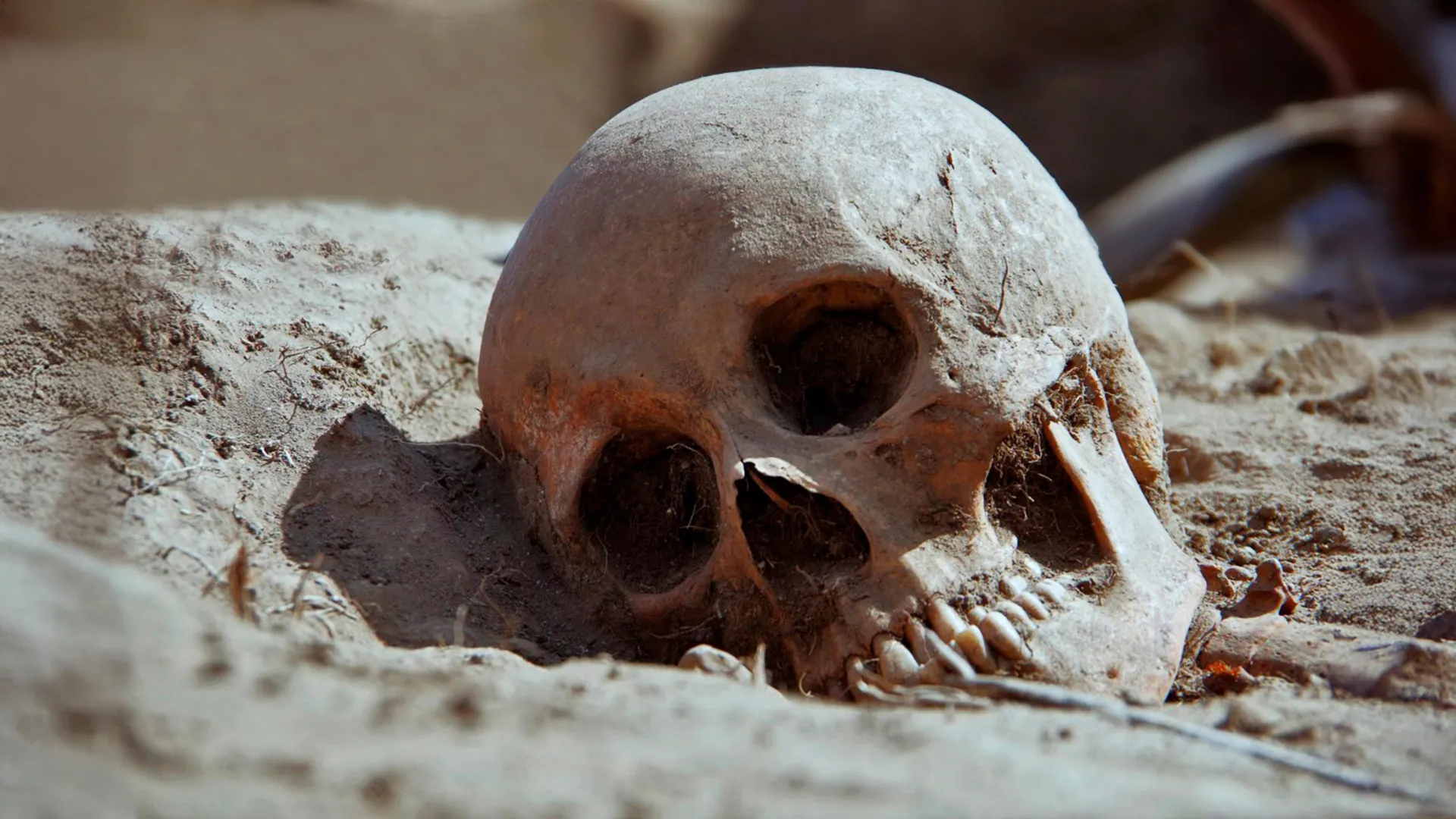
The international research team, comprised of scholars from Australia and Vietnam, was led by Dr. Melandri Vlok, a Lecturer in Anatomy and Physiology at the Charles Sturt University School of Dentistry and Medical Science. The study, published in the International Journal of Osteoarchaeology, centers on an analysis of 309 individuals excavated from 16 archaeological sites across Vietnam. These remains, which span a timeframe from 10,000 to 1,000 years before the present, provide a rare window into the health profile of ancient Southeast Asian populations.
At the heart of the investigation were the skeletal remains of three children who exhibited clear, diagnostic markers of congenital treponematosis. Treponematosis is a collective term for a group of related bacterial infections caused by the Treponema pallidum bacterium, including venereal syphilis, yaws, and endemic syphilis. Historically, when archaeologists discovered skeletal lesions and specific dental abnormalities in children—indicative of a congenital infection—they almost immediately categorized the finding as evidence of venereal syphilis. This assumption served as a primary anchor in debates concerning the global spread of the disease, particularly in the contentious discourse regarding whether syphilis existed in the Old World before the 1492 Columbian exchange.
Chronology of the Investigation: From Man Bac to Modern Labs
The journey to this discovery began with a meticulous examination of the Man Bac site in northern Vietnam. This site is renowned for its high concentration of treponemal disease evidence, with remains dating back approximately 4,000 to 3,200 years.
The Timeline of Discovery:
- 4,000–3,200 Years Ago: The timeframe from which the studied skeletal remains originate. The population at Man Bac thrived during this period, exhibiting patterns of disease that suggest endemic, non-venereal transmission.
- Modern Fieldwork: The research team, led by Dr. Vlok and PhD student Ms. Minh Tran, conducted extensive osteological analyses, identifying the three specific cases of congenital infection.
- Peer Review and Publication: Following rigorous data synthesis, the findings were published in the International Journal of Osteoarchaeology, signaling a shift in how medical historians should interpret ancient skeletal trauma.
The age distribution of infections at the Man Bac site provided the first clue that the researchers were not dealing with venereal syphilis. In populations afflicted by venereal syphilis, the disease typically manifests in adults through sexual transmission. However, at Man Bac, the infections were heavily clustered among children and adolescents. This pattern is far more consistent with non-venereal treponemal diseases—like yaws—which are transmitted through skin-to-skin contact in crowded, communal living environments.
Supporting Data: Why Context Matters More Than Lesions
The study’s diagnostic power lies in its reliance on population-level epidemiology rather than isolated pathology. By analyzing 309 individuals, the researchers were able to create a "disease profile" for the ancient Vietnamese communities.
When Dr. Vlok’s team observed the skeletal lesions and dental abnormalities characteristic of congenital treponematosis in the three children, they did not immediately leap to the "syphilis" conclusion. Instead, they cross-referenced this with the high prevalence of non-venereal transmission indicators within the broader population of the site. The conclusion was striking: while the infection was indeed congenital (passed from mother to child), the broader epidemiological evidence pointed toward a non-venereal source.
This creates a significant scientific pivot: if non-venereal yaws can be transmitted congenitally, then the presence of congenital markers in a skeleton can no longer be used as a singular, reliable proxy for venereal syphilis. This discovery forces a re-evaluation of every archaeological site where "ancient syphilis" was diagnosed solely based on congenital skeletal trauma.
Official Responses and Researcher Perspectives
The implications of this study are being felt across the fields of bioarchaeology and medical history. Dr. Melandri Vlok, the lead author, has been vocal about the necessity of this paradigm shift.
"For decades, congenital infection in archaeological remains has often been taken as strong evidence of venereal syphilis," Dr. Vlok noted. "Our research shows that this assumption may not always hold true. Other treponemal diseases may also have been transmitted from mother to child. If congenital transmission can occur in non-venereal treponematoses, then we need to rethink how we interpret skeletal evidence in the past. Some cases previously labeled as congenital syphilis may represent entirely different diseases."
Co-lead author Ms. Minh Tran highlighted the logistical and ethical hurdles of this research, particularly regarding the challenges of working in tropical environments. "In tropical environments, recovering ancient DNA is incredibly difficult, and destructive sampling raises important ethical questions," Ms. Tran explained. "Future research must move in new directions working in genuine partnership with communities connected to these remains, considering preservation before any biomolecular work begins."
Implications for Global Medical History
The discovery has profound consequences for the "Columbian Theory" of syphilis—the long-running debate regarding whether the disease was imported to Europe from the Americas by Christopher Columbus’s crew. For centuries, researchers have scanned the ancient record for evidence of pre-Columbian syphilis to settle this debate.
If the congenital evidence used to "prove" the presence of syphilis in ancient Europe or Asia is actually evidence of a non-venereal, yaws-like disease, then the map of syphilis’s evolution remains largely blank. There is currently no confirmed biological or genetic evidence of pre-Columbian venereal syphilis anywhere in the world.
Rethinking Pathogen Evolution
The study also highlights the remarkable adaptability of the Treponema pallidum bacterium. Rather than a static pathogen, the bacteria appear to have evolved alongside human social structures, changing their transmission routes and clinical manifestations based on environmental and cultural factors.
"Treponemal diseases have a far more complex history than we once thought," Dr. Vlok stated. "Understanding that complexity is essential if we want to reconstruct how infectious diseases shaped human history. Especially as treponemal disease like yaws is re-emerging due to the climate crisis."
The Future of Paleopathology: A Call to Action
The research led by Charles Sturt University serves as a cautionary tale for modern science. It demonstrates that as our analytical techniques—such as ancient DNA sequencing and high-resolution imaging—become more sophisticated, our historical narratives must become more nuanced.
The reliance on single-marker diagnostics (like congenital lesions) is an artifact of a less-informed era of archaeology. Moving forward, the team suggests that scientists must:
- Integrate Population Data: Individual skeletal remains must be viewed through the lens of the entire population’s health, living conditions, and climate.
- Prioritize Ethical Stewardship: Destructive sampling of human remains must be balanced with the cultural sensitivities of descendant communities, especially in regions where remains are fragile.
- Acknowledge Genomic Complexity: Recent genetic studies from Europe and the Americas have revealed a messy, complex evolutionary history of treponemal diseases. Scientists must stop looking for a "single origin" story and start looking for a web of evolutionary adaptation.
By challenging the long-accepted diagnostic markers for ancient disease, the study by Dr. Vlok and her colleagues has not only provided new data on prehistoric Vietnam but has also provided a roadmap for a more accurate, ethical, and context-driven approach to medical history. As we face a world where diseases like yaws are beginning to re-emerge, understanding the deep history of these pathogens is not merely an academic exercise—it is an essential component of modern public health strategy.