




In the rapidly evolving landscape of biotechnology, a divide has long existed between the lightning-fast, iterative world of Silicon Valley software and the grueling, multi-decade slog of pharmaceutical development. For serial entrepreneur Michael Polansky, this gap was not just a professional observation—it was a call to action. Last week, his startup, Outer Bio, officially emerged from stealth, unveiling a proprietary platform that promises to marry the precision of advanced laboratory biology with the scaling power of artificial intelligence.
At its core, Outer Bio has solved a biological hurdle that has baffled researchers for years: how to keep human skin tissue alive, functional, and "resilient" outside of the body for extended periods. By extending the viability of harvested skin samples to over a month—a period four times longer than industry standards—the company is building a massive, high-fidelity data engine that could redefine how we approach both clinical dermatology and the multibillion-dollar skincare industry.
The Technical Breakthrough: Sustaining Life in the Lab
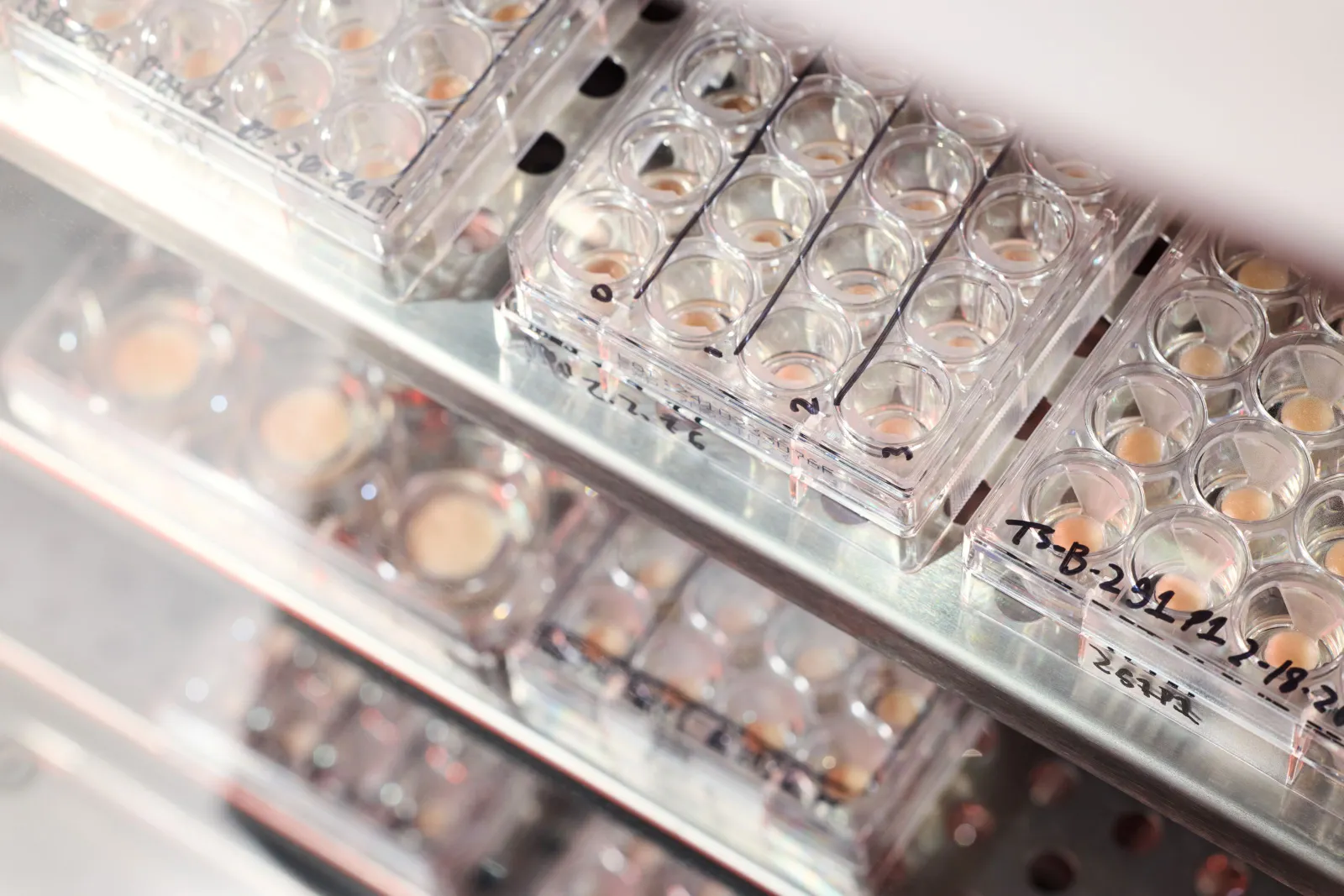
Typically, biopsied skin tissue begins to degrade within roughly a week. This decay limits the ability of researchers to test long-term effects of compounds or to observe how immune cells within the skin respond to chronic stressors. Outer Bio’s breakthrough is not the result of a single "eureka" moment, but rather the culmination of four years of painstaking, iterative refinement of workflows, proprietary media, and custom-crafted support structures.
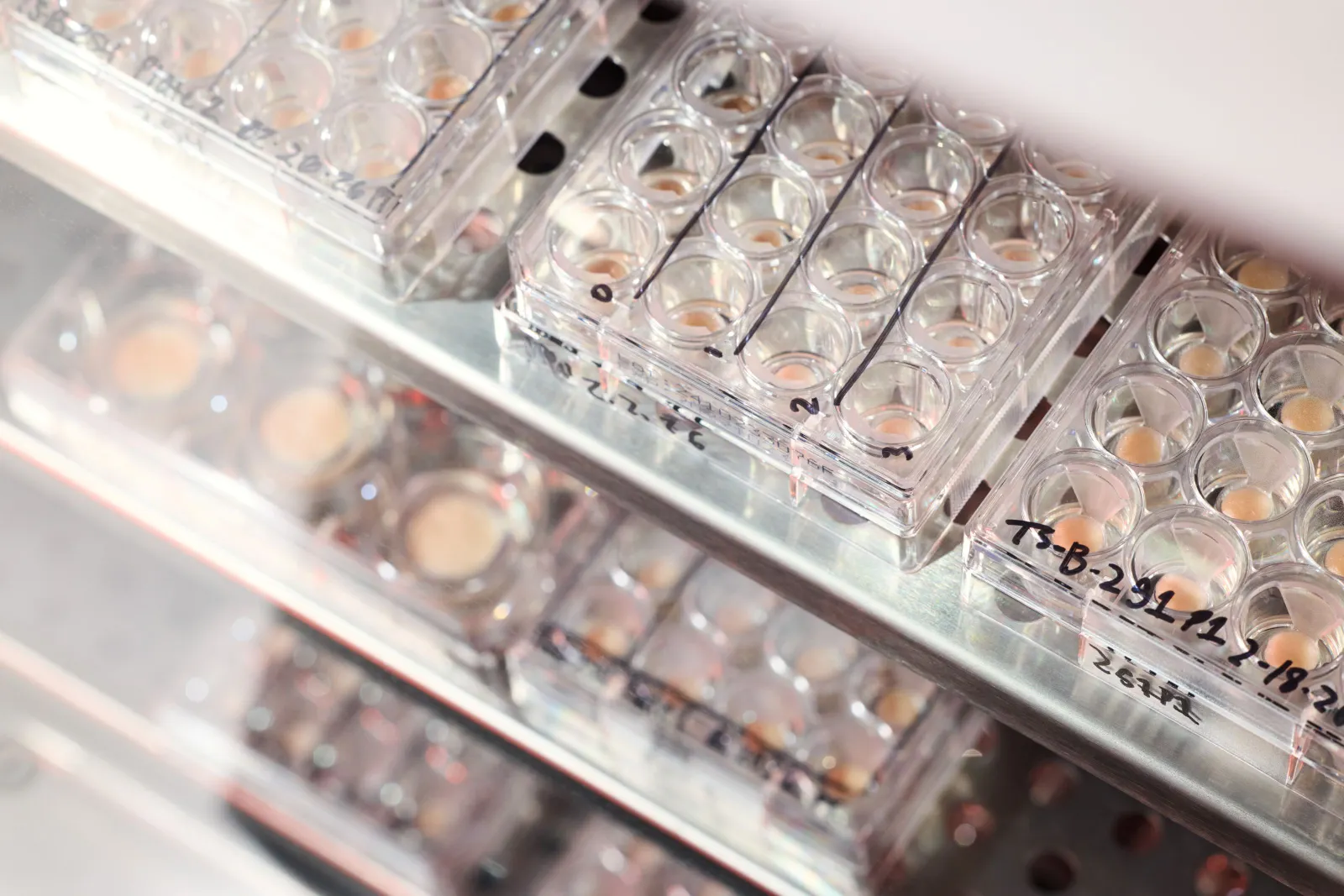
The result is a culture system where skin samples retain their complex architecture and their resident immune cells. These cells act as biological sentinels, capable of detecting pathogens, flagging injuries, and regulating inflammation. Because these tissues remain "alive" and behave as they would on a living human host for approximately 30 days, researchers can observe the long-term interaction between external compounds and human biology with unprecedented clarity.
Chronology: From Cancer Immunotherapy to Skincare Innovation
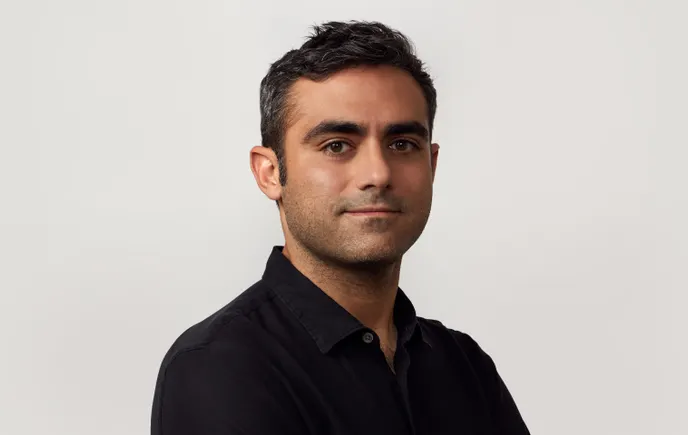
The genesis of Outer Bio traces back to Polansky’s 15-year tenure leading the family office of Sean Parker, the first president of Facebook. During this time, Polansky served as a key operator for the Parker Institute for Cancer Immunotherapy. It was here that he witnessed the profound friction between the speed of technology and the slow, often frustrating pace of traditional drug development.
- 2020: Outer Bio is founded with a mission to generate "human-relevant" data. Polansky recruits experts, including Chief Scientific Officer KJ Jang and Chief Technology Officer Chris Hinojosa, both alumni of the prestigious Wyss Institute at Harvard.
- 2021: Polansky establishes his own venture capital firm, Hawktail, which later becomes a lead investor in Outer Bio.
- 2022-2024: The company enters a "stealth" phase, focusing exclusively on perfecting the tissue preservation process and building its proprietary data corpus.
- May 2026: Outer Bio releases a preprint of its research, signaling its intent to move into the public domain.
- Late 2026: The company officially exits stealth mode, announcing $23 million in funding and a portfolio of partnerships, including a collaboration with Haus Labs, the beauty brand co-founded by Lady Gaga.
Supporting Data: The Power of the Corpus
Outer Bio is not just a laboratory; it is a data factory. The company’s platform screens millions of compounds against these living tissue samples, generating a wealth of information that was previously inaccessible.
According to company disclosures:
- Data Density: Each compound-sample pairing generates more than 30,000 distinct data points.
- Scale: The platform has already produced over 10 terabytes of proprietary data.
- Diversity: The dataset is built upon samples from more than 300 unique donors, ensuring that the AI models trained on this information account for biological variability across different human profiles.
- Scope: The platform has already screened over 10,000 potential treatments, ranging from therapeutic compounds for skin conditions to active ingredients for cosmetic use.
Official Perspectives: The Philosophy of "Organ-First" Biology
In a conversation with BioPharma Dive, Michael Polansky clarified that Outer Bio is intentionally distancing itself from the traditional "biotech" label, which he feels often forces companies into narrow, high-risk pathways.
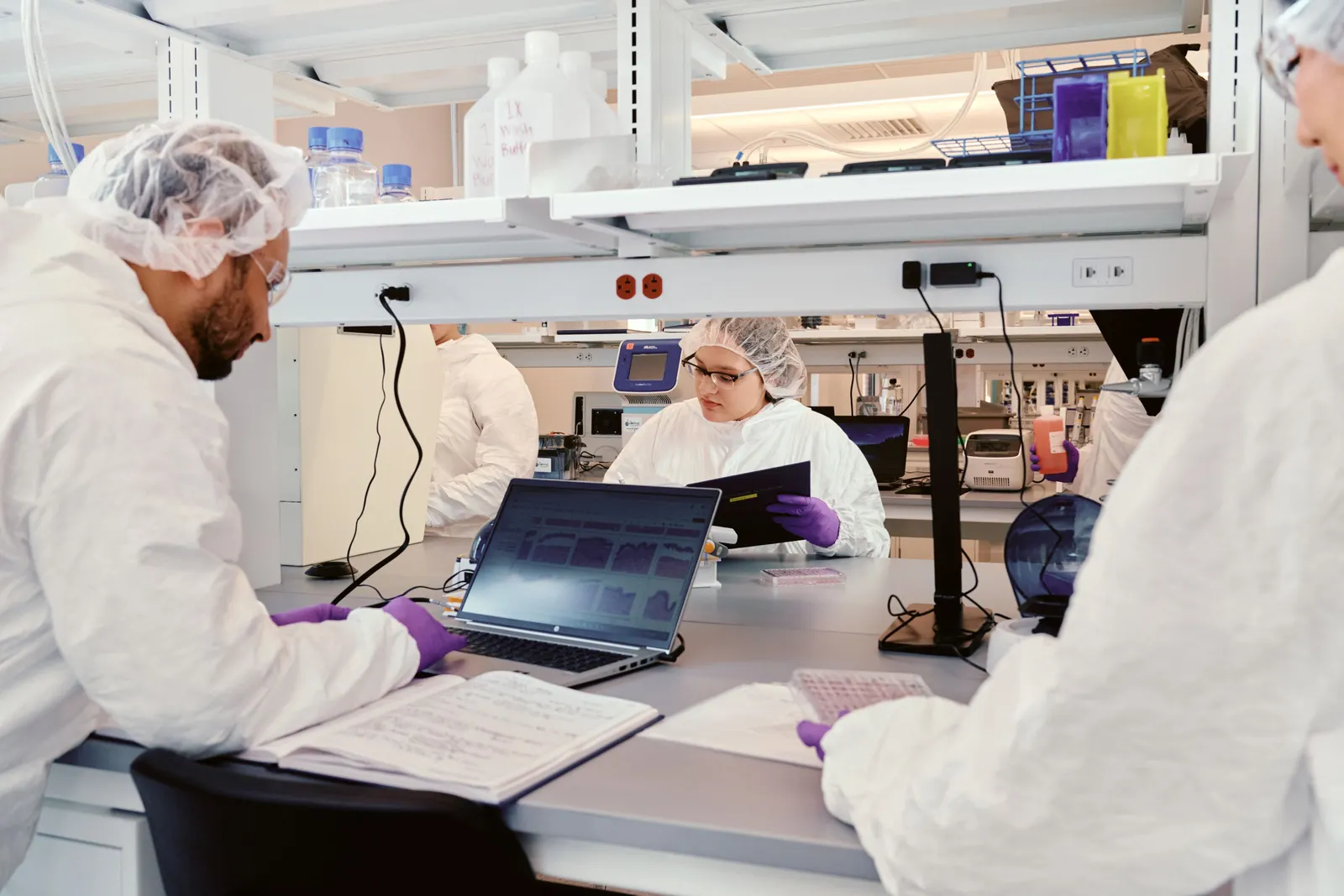
"I wanted to start a company really focused on efficient data generation," Polansky explained. "If the goal is generating good, relevant data cheaper and faster, there needs to be companies dedicated to doing that. Unfortunately, a lot of the companies that come up with new ways of doing that are often turned into drug developers."
By focusing on a single organ—the skin—Outer Bio has avoided the trap of "trying to boil the ocean." Polansky notes that the skin is a unique intersection of universal consumer demand and profound medical need, particularly regarding the biology of aging. "We knew the market was going to be there no matter what," he added.
Addressing the role of AI, Polansky remains pragmatic. He argues that the true "magic" of AI in biology is not found in the hype surrounding new models, but in the quality of the data fed into them. "You can’t scrape the literature. The data is not in the form that it needs to be in, or it doesn’t exist," he stated. Outer Bio’s strategy is to generate that high-quality, labeled, and structured data, thereby creating a "data corpus" that becomes more valuable over time than any single chemical discovery.
Implications: The Future of Biotech and Beauty
The implications of Outer Bio’s work extend far beyond the vanity of the cosmetics aisle. By creating a platform that effectively bridges the gap between consumer products and medical research, the company is creating a new investment category.
A New Model for Partnerships
Polansky is clear that he does not want to force a drug-development cycle where it isn’t needed. While the company will pursue therapeutic applications if a novel mechanism of action for a disease is discovered, they are equally comfortable partnering with large cosmetics and pharma companies. This dual-track strategy—leveraging both the OTC market and clinical R&D—provides a financial hedge that most traditional biotechs lack.
The Death of "Cookie-Cutter" Biotech
Perhaps the most significant implication is the change in how biotech companies are structured. Polansky’s vision suggests that the future of the industry lies in data-first companies rather than product-first ones. By aligning with investors who share a long-term vision—rather than those looking for a quick "shot on goal" with a single drug candidate—Outer Bio aims to build an enduring platform.
As Polansky reflected, "The power of the models are that good—it’s just so profound and so transformational. We can’t be like a cookie-cutter biotech company. Maybe this is what all biotech companies are going to be in the future."
With $23 million in the bank and a roster of high-profile investors including Wing Venture Capital and Initialized Capital, Outer Bio is well-positioned to prove that when it comes to the future of skin health, the most important breakthrough isn’t just the cream in the bottle—it’s the data in the machine.