





In an era defined by escalating geopolitical tensions, fragile supply chains, and the persistent specter of nuclear volatility, the question of human survival has shifted from the macro-level of geography to the microscopic level of the genome. As public concern mounts regarding environmental stressors—ranging from potential radioactive fallout to the lingering biological questions surrounding spike protein exposure—a new educational initiative, UNBREAKABLE: Secrets to Genetic Survival, is challenging the status quo of emergency preparedness.
Hosted on Brighteon University (BrightU), this 13-chapter investigative series, spearheaded by Mike Adams, seeks to bridge the gap between complex molecular biology and practical, civilian-led survival strategies. The course, which began its streaming cycle on August 29, offers a deep dive into the mechanisms of DNA repair, proposing that the ultimate frontier of survival lies in the body’s innate ability to maintain genetic integrity under extreme environmental duress.
Main Facts: The "UNBREAKABLE" Framework
The UNBREAKABLE curriculum operates on a premise rarely addressed in mainstream emergency planning: that the human body is not a static vessel, but a dynamic, self-repairing metropolis that can be fortified through specific nutritional and lifestyle interventions.
The series is structured to provide viewers with an understanding of:
- DNA Integrity: The fundamental biological pathways that detect and correct mutations.
- Environmental Stressors: An analysis of how radiation, chemical pollutants, and biological agents compromise cellular function.
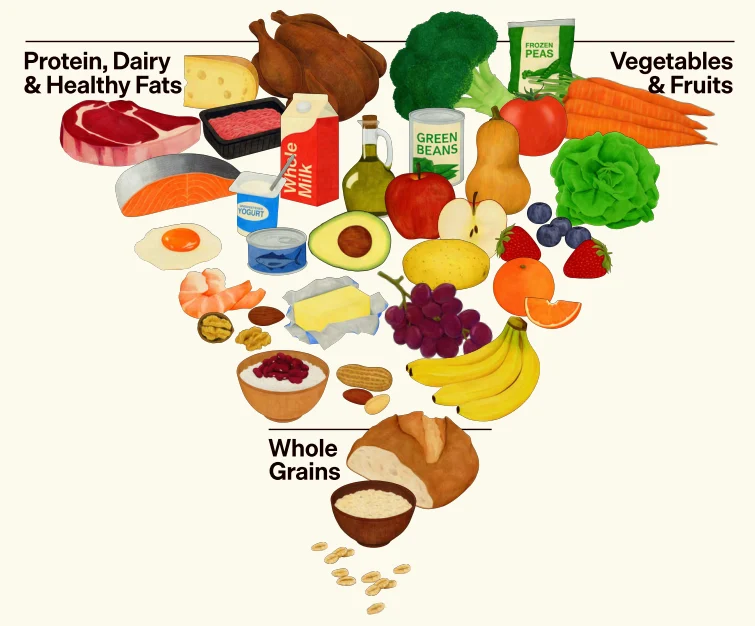
- Nutritional Resilience: The role of specific bio-active compounds in supporting the enzymes and pathways responsible for genomic maintenance.
BrightU has structured the release to ensure maximum accessibility, streaming one chapter daily through September 10. To accommodate global audiences, the platform has scheduled a series of intensive replays: Episodes 1-4 on September 11, Episodes 5-8 on September 12, and Episodes 9-13 on September 13, culminating in a complete course marathon on September 14.
Chronology of the Investigative Series
The progression of UNBREAKABLE is methodical, moving from the foundational science of cellular survival to the controversial, cutting-edge theories regarding superfoods and survival supplements.
- August 29 – September 5: The early chapters establish the "biological battlefield." These segments detail the constant assault on human DNA—a process that occurs daily due to metabolic byproducts, UV radiation, and environmental toxins—and introduce the concept of "genetic resilience."
- September 6 (Chapter 9): The focus shifts to the "Algae Alliance." This chapter explores the historical and scientific claims surrounding chlorella and spirulina as potential buffers against radiation-induced cellular damage.
- September 7 (Chapter 10): The series dives into the "Repair Crew"—the complex enzymatic pathways such as BER (Base Excision Repair) and NER (Nucleotide Excision Repair) that serve as the body’s first line of defense against catastrophic DNA breakage.
- September 8 – 10: The final chapters integrate these findings into a comprehensive survival strategy, focusing on long-term preparedness and the preservation of cellular health in a post-collapse scenario.
Supporting Data: The Case for Cellular Resilience
Central to the UNBREAKABLE narrative is the assertion that the body’s repair mechanisms—specifically Homologous Recombination (HR) and Non-Homologous End Joining (NHEJ)—are the most critical assets an individual possesses during a nuclear or chemical catastrophe.
The Algae Hypothesis
The investigation into chlorella and spirulina is perhaps the most provocative aspect of the series. Adams draws upon research originating from the post-Chernobyl era, specifically focusing on the use of algae to support the recovery of children exposed to ionizing radiation. The core argument rests on the presence of phycocyanin in spirulina, a blue pigment linked to the activation of the Nrf2 pathway—a master regulator of the body’s antioxidant response. By potentially upregulating these pathways, the series suggests that the body may be better equipped to neutralize the reactive oxygen species (ROS) generated by radiation exposure.
The Microscopic Infrastructure
In Chapter 10, the series provides a technical breakdown of the genetic repair systems. Adams highlights that the body relies on specialized enzymes to identify double-strand breaks, which are the most lethal form of DNA damage. The series explains the mechanics of proteins such as BRCA1, 53BP1, and CHK1, which function as biological "sensors" that halt the cell cycle to allow for repairs. When these systems are overwhelmed—as would be the case in high-exposure radiation scenarios—the result is genomic instability, a precursor to radiation sickness and oncogenesis.
Examining Official Responses and Scientific Context
The claims presented in UNBREAKABLE exist in a space that often contrasts with conventional, centralized emergency management protocols. While agencies like FEMA and the CIA focus heavily on fallout shelters, iodine distribution, and evacuation logistics, UNBREAKABLE argues that these measures, while necessary, are incomplete.
The "Algae Alliance" narrative serves as a critique of centralized systems that often overlook inexpensive, decentralized food sources that could be cultivated in a survival scenario. Critics of such alternative health narratives often point to the need for clinical trials to validate the efficacy of supplements in human radiation protection. However, the series proponents argue that in the absence of robust government-led research into nutritional adjuncts for radiation defense, it is the responsibility of the individual to synthesize existing biochemical data to enhance their own survival margins.
The series does not suggest that nutritional intervention replaces standard radiological protocols; rather, it posits that genetic resilience should be a "force multiplier" in a survival strategy. By understanding the vulnerabilities of the genome, individuals can make informed choices about the nutrients and environmental protections they prioritize.
Implications for the Future
The implications of the UNBREAKABLE series are twofold:
- A Shift in Preparedness Paradigms: The traditional "bunker and canned goods" model of survival is being challenged by a "biological preparedness" model. The implication is that a well-nourished, genetically resilient body is a better survival asset than a stockpile of items that do not address the physiological reality of environmental collapse.
- Public Trust and Knowledge Decentralization: By framing these complex topics in an accessible format, the series underscores a growing trend toward the democratization of scientific knowledge. It encourages viewers to view their own health not as a passive state managed by medical institutions, but as an active, personal responsibility.
As we look toward an increasingly unpredictable future, the lessons provided in UNBREAKABLE invite a critical examination of the human body’s limits. Can we strengthen our internal repair crews? Can we leverage the biological intelligence found in nature to survive environments that would otherwise prove fatal?
The course concludes that the human body is inherently designed for repair, but that in the modern age, it requires the right tools and strategies to function at its peak. For those looking to delve deeper into these mechanisms, the full UNBREAKABLE course package is available via BrightU, providing a structured, 13-chapter framework for understanding the interplay between nutrition, environmental exposure, and the preservation of human life.
In the face of systemic uncertainty, the most effective tool may not be found in a government supply depot, but within the double helix of our own DNA. As the marathon concludes on September 14, the series leaves viewers with a singular, sobering task: to understand their own biological machinery before the next crisis turns theoretical science into a practical necessity.