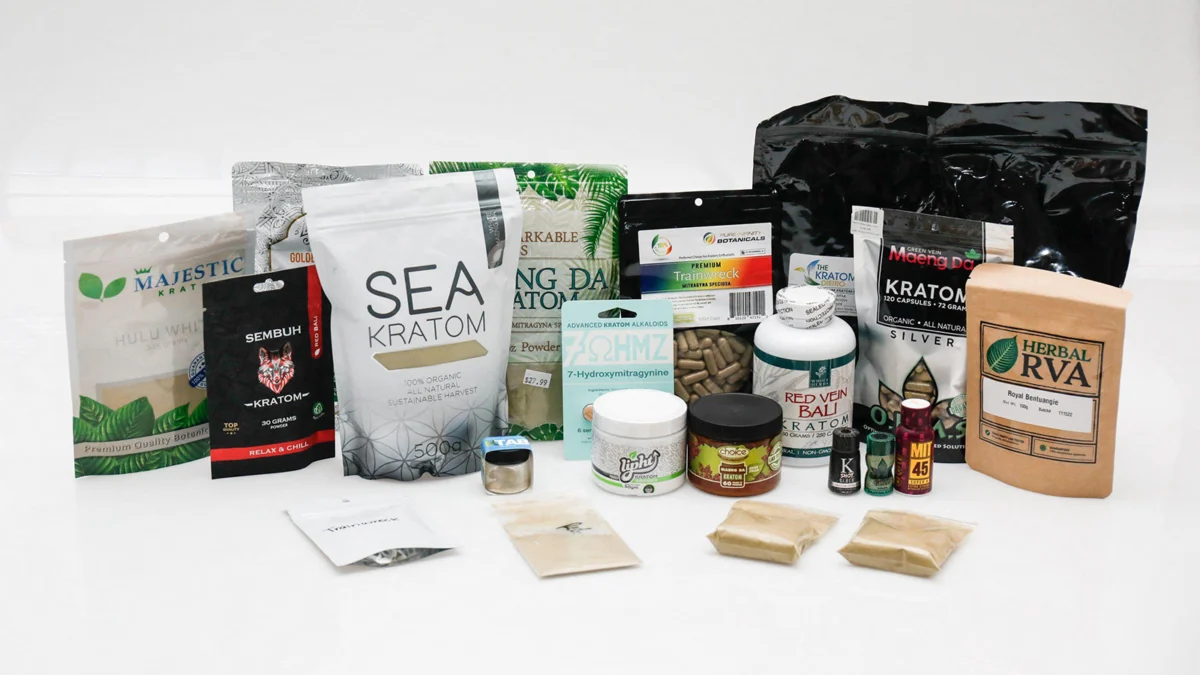
In a decisive move to stem a burgeoning public health crisis, the Drug Enforcement Administration (DEA) has issued an emergency order to classify three potent synthetic opioid compounds—mitragynine pseudoindoxyl, MGM-15, and MGM-16—as Schedule I controlled substances. The temporary scheduling, effective immediately, places these substances under the highest level of regulatory scrutiny, citing an "imminent hazard to public safety" driven by a surge in fatal overdoses and deceptive marketing practices.
The federal intervention highlights a sophisticated and dangerous shift in the marketplace for "botanical" supplements. While often marketed under the guise of being natural or derived from the kratom plant, these concentrated alkaloids are potent mu-opioid receptor agonists that carry risks of respiratory depression, dependence, and death comparable to illicit opioids.
The Chronology of an Escalating Threat
The path to federal intervention began with a alarming spike in medical emergencies and toxicology reports linked to products sold in convenience stores, smoke shops, and via online retailers.
The Rise of Synthetic Alkaloids
Between February 2025 and May 2026, health authorities began tracking a disproportionate number of adverse events related to mitragynine pseudoindoxyl. Data cited in the Federal Register reveal that the compound was linked to at least 56 overdose cases during this period, with 48 resulting in death—a staggering mortality rate that caught the attention of federal investigators.
The situation worsened in early 2026 when MGM-15, a related synthetic variant, began appearing in the consumer market. From February to April 2026 alone, MGM-15 was tied to 17 overdose cases, 16 of which were fatal. This rapid escalation prompted the Department of Justice (DOJ) and the DEA to invoke their emergency scheduling authority under the Controlled Substances Act, which allows the attorney general to place substances into Schedule I for up to two years if it is necessary to prevent an imminent public safety threat.
Regulatory Pressure and the FDA’s Involvement
The DEA’s move follows a pattern of increasing scrutiny regarding "kratom-adjacent" products. In July 2025, the U.S. Food and Drug Administration (FDA) formally raised concerns regarding the dangers of 7-hydroxymitragynine (7-OH), another synthetic variant, urging the DEA to classify it as a Schedule I substance. The recent emergency order is viewed by many public health experts as the natural progression of this regulatory trajectory, as manufacturers have increasingly shifted toward even more potent and refined chemical structures to evade detection and regulation.
Supporting Data: The Anatomy of the Danger
The danger posed by these substances is not merely pharmacological; it is compounded by a lack of quality control, inconsistent dosing, and a predatory marketing strategy that specifically targets consumers seeking "natural" alternatives to traditional medicine.
Pharmacological Risks
According to the DOJ, preclinical evidence indicates that mitragynine pseudoindoxyl, MGM-15, and MGM-16 are potent mu-opioid receptor agonists. These compounds interact with the same brain receptors as heroin, fentanyl, and morphine. The risks associated with these receptors include:
- Respiratory Depression: The primary cause of death in opioid overdoses, where breathing slows to a fatal level.
- Severe Dependence: Rapid onset of physiological addiction that makes cessation extremely difficult.
- Withdrawal Syndromes: As evidenced by clinical case studies, users attempting to stop consumption often experience severe hypertension, tachycardia (rapid heart rate), gastrointestinal distress, and incapacitating body aches.
The Case of the "Botanical" Illusion
A recent case study of a 34-year-old male provides a harrowing look at how these products lead to addiction. The patient, who initially used powdered kratom, transitioned to concentrated 7-OH tablets and subsequently to mitragynine pseudoindoxyl. Within a short period, his consumption escalated to nine 20-mg doses daily. Despite his attempts to reduce his intake, he experienced debilitating withdrawal symptoms and eventually required clinical intervention, including the administration of naltrexone depot (Vivitrol) injections to manage his opioid use disorder.
Marketing Strategies: Targeting the Vulnerable
The DEA order specifically calls out the predatory nature of the industry, which utilizes branding that obscures the true nature of these substances. Products sold under names like Kama, Hydroxie, Fruity Perks, and Happie Tabs are frequently packaged to resemble candy or lifestyle supplements rather than potent narcotics.
Packaging and Aesthetic Appeal
A study of 51 products containing mitragynine pseudoindoxyl found that manufacturers are employing strategies often used to market products to younger demographics. Of the products analyzed:
- 35 featured appealing, dessert-like flavors such as pink lemonade, candy apple, or mango.
- 32 utilized brightly colored, eye-catching packaging.
- 39 were formulated as chewable tablets, while others were sold as liquid shots, chocolate bars, and even "dried ice cream cones."
The use of these consumer-friendly formats creates a "false sense of safety," according to the DEA. By labeling these substances as "botanical extracts," "mood boosters," or "precision-formulated," manufacturers successfully misled consumers into believing the products were safer than regulated pharmaceutical opioids. Because these products are often sold in gas stations and vape shops without age restrictions, the barrier to access for minors and uninformed adults is dangerously low.
Official Responses: The Government’s Stance
The Department of Justice has been clear in its messaging: this order is not a war on traditional botanical kratom, but a targeted strike against synthetic, chemically concentrated products that masquerade as natural supplements.
Attorney General Todd Blanche
"These are potent opioids being manufactured and sold in consumer products, often under labels that obscure their true risks," stated Attorney General Todd Blanche in a press release. He emphasized that the Justice Department’s proactive stance is intended to neutralize these compounds before they proliferate further, potentially creating a secondary opioid epidemic.
Clarifying the Scope
The DOJ’s press release specifically distinguished these synthetic compounds from traditional kratom leaves or standard botanical powders. This distinction is vital, as the kratom community has long argued for the legality of the plant in its natural form, while simultaneously condemning the rise of highly refined, synthetic "extracts" that have become associated with the recent wave of overdose deaths.
Implications for Public Health and the Market
The emergency scheduling of these three compounds marks a significant turning point in the regulation of the supplement industry.
Immediate Market Impact
Retailers and distributors now face strict prohibitions on the sale, possession, and manufacture of these substances. Businesses found selling these products risk severe criminal penalties, and manufacturers must cease production immediately. The shift is expected to clear store shelves of these specific brands, forcing a contraction in the "gas station opioid" market.
Long-term Public Health Outlook
For the medical community, the DEA’s action provides a necessary tool to combat a rising wave of addiction. By classifying these drugs as Schedule I, the government has officially recognized that the risks of mitragynine pseudoindoxyl and its counterparts outweigh any potential benefit. However, experts warn that the battle is far from over.
"The history of synthetic drug regulation is a game of cat-and-mouse," says one toxicology researcher. "As soon as one chemical structure is banned, manufacturers may simply tweak the molecular composition to create a new, unregulated variant."
The DEA’s move is a significant hurdle for those companies operating in the gray market. By setting a precedent that synthetic opioid-like alkaloids will be met with immediate scheduling, the government is signaling that it will no longer tolerate the "botanical loophole" that has allowed dangerous synthetic drugs to be sold in convenience stores.
As the two-year temporary scheduling period begins, the focus will likely turn to long-term legislative solutions. Policymakers will be tasked with deciding whether to make these designations permanent or to implement a more robust regulatory framework for the entire category of botanical-adjacent extracts. For now, the move serves as a critical intervention in a market that has operated with little oversight for far too long, leaving consumers, particularly the youth, exposed to substances whose true risks were intentionally hidden behind a veil of clever marketing and colorful packaging.