











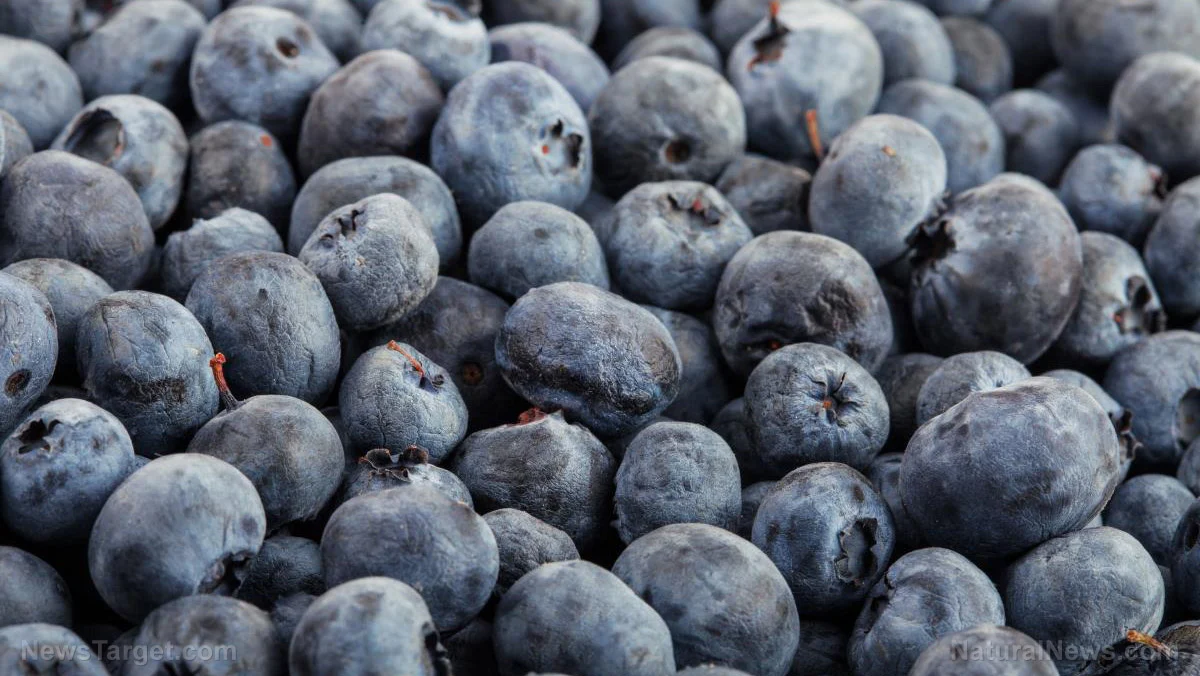
In an era where cardiovascular disease maintains its grim status as the leading cause of mortality for both men and women in the United States, the search for effective, sustainable, and accessible interventions has never been more urgent. While modern medicine relies heavily on pharmacological intervention, a growing body of rigorous clinical research suggests that the most potent tool in the fight against hypertension might be found in the produce aisle.
According to recent findings published in The Journals of Gerontology and the Journal of the Academy of Nutrition & Dietetics, the daily consumption of just one cup of blueberries can lower systolic blood pressure by an average of five millimeters of mercury (mmHg). This reduction is statistically significant, often paralleling the efficacy of frontline antihypertensive medications. For the one in three American adults currently grappling with high blood pressure, this discovery offers more than just nutritional advice; it provides a actionable, food-based strategy to mitigate a systemic public health crisis.
The Biological Mechanism: Why Blueberries Work
Anthocyanins: The Architects of Vascular Health
The cardiovascular efficacy of the blueberry is rooted in its vivid, deep blue hue. This color is the result of anthocyanins—a class of flavonoid antioxidants that function as potent bioactive compounds within the human circulatory system.
When ingested, anthocyanins trigger a complex biological response that enhances the production of nitric oxide (NO) within the endothelial lining of the arteries. Nitric oxide acts as a signaling molecule, inducing vasodilation—the relaxation and widening of blood vessels. As the vessels expand, resistance decreases, allowing blood to flow with greater ease and significantly reducing the mechanical stress placed on arterial walls.
A comprehensive scientific review involving 66 separate human intervention trials concluded that the cardioprotective effects of anthocyanins are not merely anecdotal but consistent across diverse demographics. Beyond vasodilation, these compounds demonstrate a remarkable ability to strengthen capillaries and neutralize oxidative stress, a primary driver of chronic inflammation. Furthermore, anthocyanins have been shown to inhibit platelet aggregation—the process by which blood cells clump together to form clots—and prevent the accumulation of arterial plaque. By addressing multiple pathways simultaneously, blueberries function as a comprehensive vascular support system.
Fiber, Metabolism, and the Gut-Heart Connection
While anthocyanins handle vascular relaxation, the four grams of dietary fiber found in a single cup of blueberries serve a different, equally critical function. Fiber acts as a metabolic regulator, influencing everything from cholesterol profiles to insulin sensitivity.
When dietary fiber undergoes fermentation in the gut, it produces short-chain fatty acids (SCFAs). These molecules are absorbed into the bloodstream and have been linked to systemic blood pressure regulation. Simultaneously, the fiber acts as a broom, binding to LDL cholesterol—the "bad" cholesterol—and facilitating its removal from the body. By slowing the digestion process, blueberries also prevent the sharp spikes in blood sugar that often follow a meal.
This dual-action mechanism is particularly vital for the millions of Americans living with metabolic syndrome, where type 2 diabetes, high cholesterol, and hypertension intersect. A landmark study observing high-risk postmenopausal women found that an eight-week regimen of one cup of blueberries daily led to a marked reduction in arterial stiffness and a significant improvement in insulin sensitivity. These results indicate that the blueberry’s benefits extend far beyond a simple reduction in blood pressure, offering a holistic improvement in metabolic markers.
Chronology of Discovery: From Observation to Clinical Validation
The recognition of blueberries as a "superfood" did not occur overnight. It is the result of decades of epidemiological observation followed by targeted clinical trials.
- The 1990s: Early Observations: Researchers began to note that populations with high intake of flavonoid-rich fruits, such as those in the Mediterranean, exhibited lower rates of heart disease. Initial studies focused on general fruit consumption, but specific interest in Vaccinium species (blueberries) began to grow.
- 2005–2010: The Rise of Anthocyanin Research: Scientists isolated anthocyanins as the specific compounds responsible for the protective effects. This period saw the first controlled human trials measuring flow-mediated dilation (FMD)—the ability of an artery to expand—after blueberry consumption.
- 2015–2019: Clinical Validation: Large-scale meta-analyses and randomized control trials (RCTs) provided the data needed to quantify the blood pressure-lowering effects. The landmark study of postmenopausal women solidified the link between daily intake and reduced arterial stiffness.
- 2020–Present: Modern Integration: The medical community has begun to shift from viewing blueberries as a mere dietary suggestion to a recognized adjunct therapy for stage-1 hypertension. Ongoing research now focuses on how genetics and gut microbiota influence an individual’s specific response to the fruit.
Supporting Data: By the Numbers
The statistical weight behind these findings is compelling. Researchers point to several key metrics that demonstrate the physiological impact of regular blueberry consumption:
- The 5 mmHg Rule: On average, consistent daily intake of one cup of blueberries results in a 5 mmHg reduction in systolic blood pressure. In clinical cardiology, a reduction of this magnitude is often enough to move a patient from a hypertensive category to a pre-hypertensive or normal range.
- The 32% Risk Factor: A large-scale longitudinal study found that women who consumed more than three servings of anthocyanin-rich berries (specifically blueberries and strawberries) per week had a 32% lower risk of suffering a myocardial infarction (heart attack) compared to those who consumed little to none.
- Speed of Efficacy: In studies measuring arterial health, improvements in flow-mediated dilation were observed as quickly as two hours after the consumption of a single serving, with sustained benefits seen after four weeks of consistent intake.
Official Responses and Medical Implications
The medical establishment has received these findings with a blend of optimism and scientific caution. The American Heart Association (AHA) and other cardiovascular health organizations emphasize that while food-based interventions are highly encouraged, they should be viewed as adjuncts to—not replacements for—prescribed antihypertensive medications.
Dr. Elena Rossi, a cardiologist specializing in preventative medicine, notes, "The beauty of this intervention is its accessibility. We are not asking patients to adopt an impossible diet; we are asking them to incorporate a single, simple food item that has been clinically validated. For patients who are hesitant to start medication due to potential side effects, this is a perfect starting point."
However, the medical community also warns against the "miracle cure" narrative. "Blueberries are not a panacea," warns Dr. Marcus Thorne, a researcher in nutrition science. "They work best when part of a broader lifestyle that includes physical activity, reduced sodium intake, and adequate sleep. We also see variability; genetics and the individual composition of a patient’s gut microbiome will dictate how much benefit they personally receive. It is a powerful tool, but it is one piece of a much larger puzzle."
Implications for Public Health Policy
The implications of this research for public health policy are profound. If a simple dietary change could reduce the national prevalence of hypertension by even a few percentage points, the resulting reduction in stroke, heart attack, and heart failure cases would translate to billions of dollars in healthcare savings.
The Frozen Advantage
One of the most significant barriers to healthy eating is the perception that fresh produce is prohibitively expensive or subject to seasonal availability. Fortunately, recent research confirms that frozen blueberries are nutritionally equivalent to fresh. The freezing process—often done at the peak of ripeness—locks in the anthocyanin content, ensuring that consumers have year-round access to the same cardiovascular benefits. This finding is crucial for public health outreach, as it makes the "one cup a day" goal an attainable reality for lower-income households.
The Future of Preventive Nutrition
As the medical field moves toward more personalized medicine, the humble blueberry is becoming a case study in how "food as medicine" can be integrated into traditional clinical practice. Future research is already underway to determine if the benefits of blueberry consumption can be synergistic with other foods, such as walnuts or leafy greens, potentially creating a "prescriptive diet" that can be tailored to an individual’s specific cardiovascular risk profile.
In conclusion, the evidence is clear: the daily consumption of one cup of blueberries is a low-risk, high-reward strategy for heart health. Whether eaten fresh or frozen, as a snack or in a smoothie, this fruit offers a potent concentration of phytonutrients that work in harmony with the body’s vascular system. By shifting the focus toward these accessible, whole-food interventions, we may find that the path to a healthier heart is not just found in the pharmacy, but in the produce aisle.