








The recent confirmation of two measles-associated deaths in Pennsylvania’s Lancaster County has ignited a fierce, high-stakes standoff between state officials and federal health leadership. What should be a straightforward public health emergency has devolved into a polarized battle over scientific integrity, the role of federal oversight, and the ongoing erosion of public trust in vaccination programs.
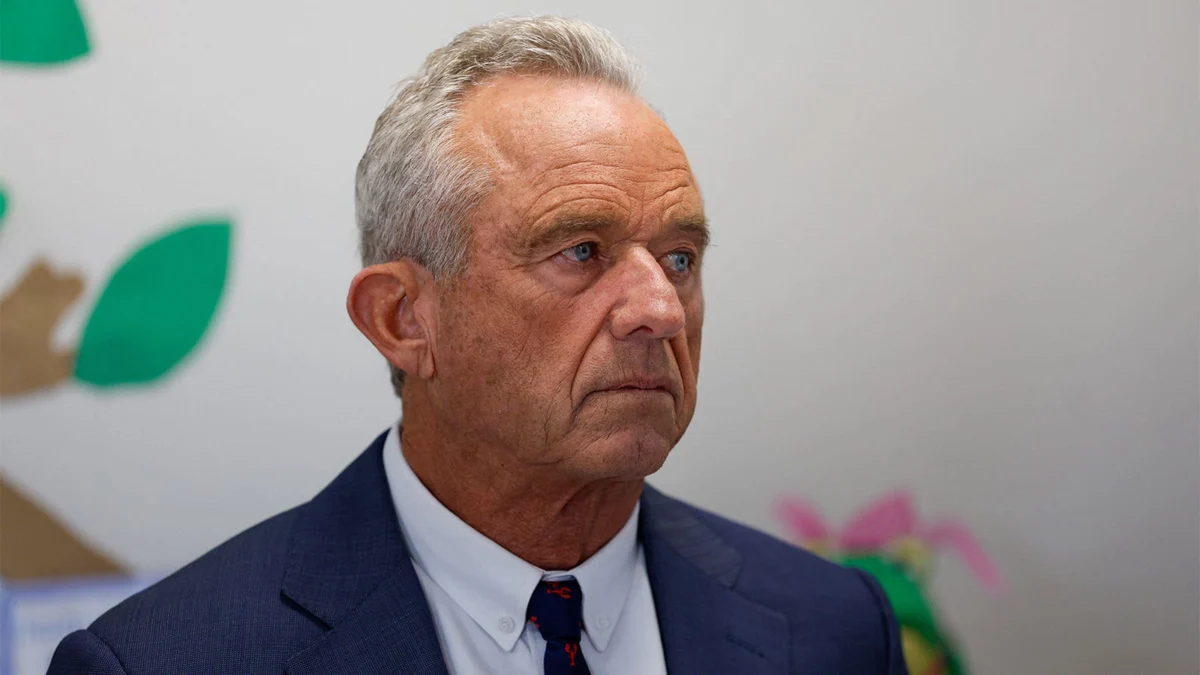
The controversy centers on the intersection of a resurgent, highly contagious disease and a federal health administration headed by Secretary of Health Robert F. Kennedy Jr., a long-time critic of mainstream vaccine policy. As Pennsylvania officials grapple with an active outbreak, the public is left to navigate conflicting narratives regarding the causes of death, the safety of the MMR (measles, mumps, and rubella) vaccine, and the necessity of federal intervention.
The Chronology of an Escalating Conflict
The crisis began in earnest on Tuesday when the Pennsylvania Department of Health (DOH) officially announced two measles-associated deaths in Lancaster County. Both individuals, who were unvaccinated, had tested positive for the virus, according to state Secretary of Health Dr. Debra Bogen.
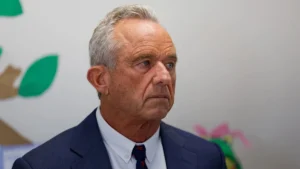
The situation turned volatile almost immediately. On Wednesday, Secretary Kennedy took to the social media platform X, formerly known as Twitter, to publicly question the veracity of the state’s report. Kennedy, a vocal anti-vaccine activist prior to his appointment as the nation’s top health official, suggested that the deaths were announced prematurely and hinted that they might have been "altogether fabricated."
This declaration prompted an immediate rebuttal from Governor Josh Shapiro (D), who revealed that he had spoken with Kennedy earlier that week. According to Shapiro, the conversation was far from a collaborative effort to manage the outbreak. Shapiro stated that he had requested Kennedy’s help in promoting vaccination efforts, only to have the Secretary shift the conversation toward debunked claims regarding fetal tissue in vaccines and a preference for "natural measles" immunity.
By Thursday, the Centers for Disease Control and Prevention (CDC) entered the fray. While the agency maintained a stance of diplomatic neutrality, it noted that it had been denied access to essential information by the Governor’s office. The CDC expressed support for Kennedy’s "efforts to clarify conflicting information," a move that critics argue further politicized an already fragile public health situation.
The Medical Discrepancy: Analyzing the Death Certificates
At the heart of the confusion is a localized dispute in Lancaster County. The county coroner has publicly stated that he does not attribute the infant’s death to measles, pointing instead to a ruptured spleen and internal hemorrhage.
However, medical experts emphasize that the presence of the measles virus in lung tissue—a fact not disputed by the coroner—makes it a significant, contributing factor in mortality. When a patient is immunocompromised or suffers from underlying conditions, a viral infection like measles can act as the "tipping point" that leads to fatal complications. The Pennsylvania Department of Health’s epidemiology team stands by its classification, noting that the deaths meet the criteria for being "measles-associated," a standard medical designation used when the virus is a significant factor in a patient’s clinical decline.
Supporting Data: The Erosion of Herd Immunity
The current outbreak in Pennsylvania occurs against a backdrop of statistically significant declines in national vaccination coverage. According to recent CDC data, the national MMR vaccination rate among kindergarteners has fallen from 95.2% in the 2019-2020 school year to 92.4% for the 2025-2026 cycle.
Even more alarming to public health officials is the rise in non-medical exemptions. The proportion of children opting out of school-mandated vaccinations has climbed to 4.2% in the past year, up from 3.6% in 2024-2025. This trend threatens the "herd immunity" threshold, which generally requires a 95% vaccination rate to prevent the rapid spread of highly infectious diseases like measles.
Secretary Kennedy has pointed to government policies during the COVID-19 pandemic—including lockdowns and what he terms "deceptions"—as the primary driver of this decline in public faith. However, experts like Dr. Jerome Adams, who served as Surgeon General during the first Trump administration, reject this "pandemic-leftover" theory.
"If leaders don’t understand root causes, they can’t address them," Dr. Adams wrote on X. He argued that the current dip in vaccination is not a result of logistical failures from years past, but rather a result of intentional, systemic opt-outs through state-level exemptions. His analysis suggests that the problem is not a lack of access to vaccines, but an ideological movement that has successfully normalized vaccine refusal.
The "Fetal Tissue" Debate and Scientific Reality
During his exchange with Governor Shapiro, Kennedy reportedly raised concerns about the use of fetal tissue in vaccines. The American Academy of Pediatrics (AAP) and global medical bodies have repeatedly addressed this, clarifying that no vaccines contain fetal tissue.
The confusion stems from a misunderstanding of historical laboratory techniques. Some vaccines are produced using cell lines derived from tissue samples obtained from two aborted fetuses in the 1960s. These cell lines have been replicated in laboratories for decades. No new fetal tissue is required for the production of these vaccines, and the final products are purified to ensure that no biological material from the original cell lines remains in the vaccine administered to the patient. By conflating historical research methods with the current physical contents of the syringe, critics of the vaccine program continue to perpetuate a narrative that is fundamentally unsupported by clinical reality.
Implications for Public Health Governance
The ongoing standoff in Pennsylvania has profound implications for how the United States manages public health. The traditional model of governance relies on a seamless, trust-based flow of information between state health departments and federal agencies like the CDC. When this channel is compromised by ideological differences, the result is public confusion and the potential for a preventable disease to gain a stronger foothold.
1. The Breakdown of Federal-State Cooperation
Governor Shapiro’s decision to decline federal resources from Secretary Kennedy signals a deepening divide in American governance. When a state governor deems it safer to manage a viral outbreak without federal oversight, it indicates a total breakdown in the hierarchical structure of national health security.
2. The Normalization of Conspiracy
By suggesting that deaths from a communicable disease were "fabricated," a high-ranking official has validated conspiracy theories that were once relegated to the fringes of the internet. This creates a dangerous precedent where empirical data—such as laboratory-confirmed viral presence—is treated as a matter of opinion rather than objective science.
3. The Future of Vaccine Mandates
As vaccination rates continue to decline and the number of exemptions rises, states may be forced to choose between tightening school-entry mandates or facing recurring outbreaks. The political pressure to expand exemptions is mounting, even as medical associations warn that such policies are directly linked to the reemergence of diseases that were once considered eradicated in the United States.
Conclusion
The measles outbreak in Lancaster County is more than a medical event; it is a barometer for the state of public health in an era of intense political polarization. As the Pennsylvania DOH continues its investigation and attempts to contain the spread of the virus, the national conversation remains trapped in a cycle of misinformation and defensive posturing.
For parents, healthcare workers, and the general public, the challenge is to separate the noise of political rhetoric from the consensus of medical science. With the MMR vaccine remaining the most effective defense against measles, the ability of public health officials to regain the trust of the populace will be the deciding factor in whether this outbreak is contained or becomes a harbinger of a broader health crisis. As the CDC and Pennsylvania officials continue their public disagreement, the virus itself remains the only entity that does not care about political affiliation—it simply follows the path of least resistance through a population with dwindling immunity.