








In an era where modern medicine often leans toward standardized protocols—prescribing the same medication for the same diagnostic code across millions of patients—Ayurveda offers a radical, ancient alternative: the recognition that no two human beings are identical. This fundamental philosophy, rooted in the belief that health is a highly individualized journey, is the cornerstone of Ayurvedic medicine. While conventional systems often categorize complex conditions like diabetes into two or three primary types, Ayurveda identifies 20 distinct classifications, each requiring a unique therapeutic roadmap.
This bespoke approach is nowhere more evident than in Panchakarma, the pinnacle of Ayurvedic detoxification. Far from a "one-size-fits-all" cleanse, Panchakarma is a sophisticated, multi-stage clinical process that demands the keen eye, deep knowledge, and steady hand of a trained practitioner.
The Philosophy of Personalization: Beyond Symptom Management
The primary objective of an Ayurvedic practitioner is not to "fix" a symptom, but to identify samprapti—the progression of disease and the root cause of an imbalance. By evaluating an individual’s prakruti (their innate constitution) and vikruti (their current state of imbalance), a practitioner moves beyond the superficial layer of discomfort.
Whether a patient presents with chronic pain or systemic fatigue, an Ayurvedic expert analyzes the specific qualities—or gunas—that have drifted out of equilibrium. Pain, for instance, is not treated uniformly. A practitioner distinguishes between vata-type pain (often sharp, erratic, or migrating), pitta-type pain (inflammatory, burning, or intense), and kapha-type pain (dull, heavy, or congestive). This granular diagnostic capability is why Ayurveda remains a potent, personalized path to wellness.
The Anatomy of Panchakarma: A Three-Stage Protocol
Panchakarma is frequently misunderstood as a simple detox. In reality, it is a rigorous, three-phase clinical intervention that facilitates the mobilization and elimination of toxins (ama) from the deep tissues of the body.
Stage 1: Purvakarma (The Preparatory Phase)
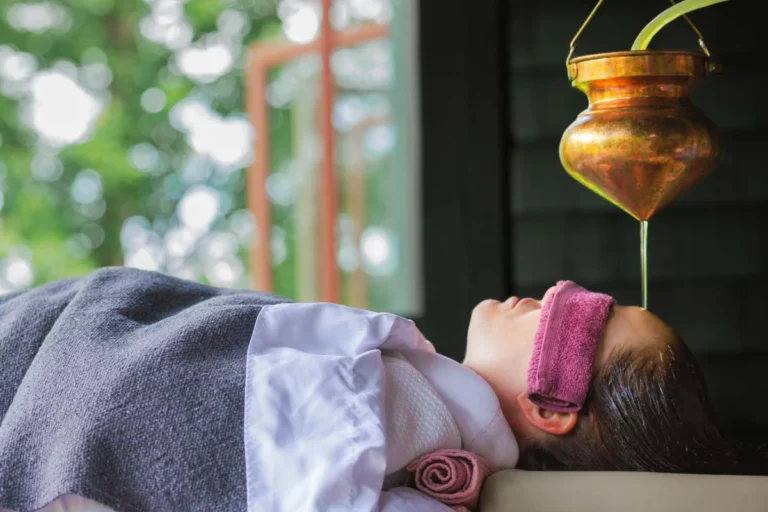
Before the body can undergo the intense "actions" of detoxification, it must be prepared. Purvakarma is the foundational stage focused on two critical tasks: kindling Agni (digestive fire) and internal oleation.
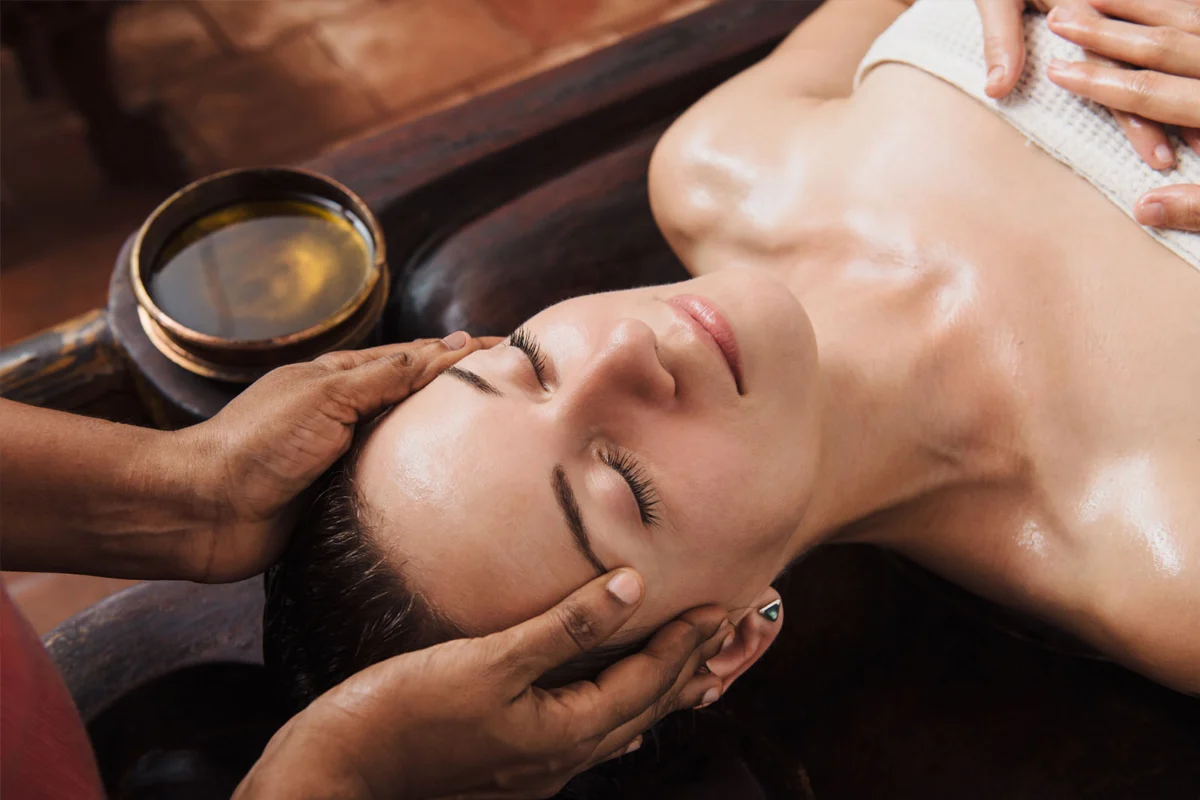
Kindling Agni is essential to ensure the body can metabolize the toxins being released. Depending on the patient’s constitution, a practitioner might prescribe ginger-based digestive aids or specific thermal protocols like hot water therapy. Concurrently, the patient undergoes internal oleation—the ingestion of medicated ghees or oils—which saturates the tissues. This process acts like a lubricant, loosening toxins that have become lodged in the deep-seated fat and muscle tissues, effectively coaxing them into the digestive tract for eventual removal.
Stage 2: Pradhānakarma (The Five Primary Actions)
Once the system is primed, the practitioner initiates Pradhānakarma, the stage that gives Panchakarma its name, translating literally to "Five Actions." These procedures are highly specific and are never administered without careful consideration of the patient’s health profile.
- Virechana (Purgation): Targeting the small intestine, liver, and gallbladder, this therapy is designed to purge excess pitta dosha. Through the use of specific laxatives, the body expels heat and toxins that often manifest as inflammatory conditions.
- Basti (Medicated Enema): Often cited as the most important of the five actions, Basti targets the colon—the primary seat of vata dosha. By introducing herbalized oils or teas into the colon, the practitioner can nourish the intestinal lining and address systemic imbalances at their source.
- Vamana (Emesis): Reserved for specific cases involving significant kapha accumulation, this therapeutic vomiting process pulls excess phlegm from the stomach. It is a precise intervention, requiring constant supervision due to its intense nature.
- Nasya (Nasal Administration): This involves the application of specialized oils into the nasal passages. It is highly effective for clearing sinus congestion, sharpening memory, and alleviating the "brain fog" associated with neurological or upper-respiratory imbalances.
- Raktamoksha (Bloodletting): Traditionally used to clear the blood of lingering toxins, this procedure is used sparingly. While historical methods involved leeches, modern practitioners in the U.S. rarely utilize this, opting for other, less invasive blood-purification techniques when necessary.
Stage 3: Paschyātkarma (The Rejuvenation Phase)
The conclusion of the "Five Actions" does not mark the end of the treatment. Paschyātkarma is the vital recovery phase. Because detoxification can be physically taxing, this stage focuses on rebuilding the body’s strength. The practitioner designs a transitional diet and lifestyle plan tailored to rebuild agni, nourish the tissues (dhatus), and establish sustainable, health-promoting habits.
The Essential Role of the Practitioner
The success of Panchakarma hinges entirely on the expertise of the practitioner. Without a qualified guide, the process can easily go awry. If a practitioner fails to properly assess a client’s agni or misinterprets their vikruti, the mobilization of toxins may not lead to elimination, but rather to a worsening of the patient’s condition.
The practitioner acts as a safety mechanism, a diagnostician, and a coach. They must be able to pivot the protocol in real-time, adjusting the herbs, the intensity of the oleation, or the duration of the cleansing based on the client’s daily response to the therapies. As Ayurveda gains mainstream popularity, the industry faces a critical challenge: ensuring that patients are not just seeking a "retreat," but are engaging with legitimate, clinically trained practitioners who understand the nuance of this ancient science.
Implications for Modern Wellness
The rise of Ayurveda signals a shift in consumer consciousness. Patients are increasingly tired of standardized, generic medical advice and are seeking systems that respect their biological individuality.
However, this shift brings with it a responsibility for the consumer. When selecting a Panchakarma center, one must look beyond marketing and examine the depth of the practitioner’s training. A true Panchakarma center should prioritize:
- Comprehensive Assessment: Initial consultations that cover pulse, tongue, and lifestyle history.
- Customized Protocols: No pre-packaged "one-size-fits-all" programs.
- Post-Care Support: A clear, detailed plan for Paschyātkarma to ensure the benefits are maintained long after the patient leaves the facility.
As we look to the future of integrative medicine, the Ayurvedic model of personalization offers a sophisticated template for holistic health. By moving away from the "band-aid" approach to symptoms and toward the deep, root-cause healing of Panchakarma, individuals can achieve a state of vitality that is as unique as they are.
For those interested in pursuing the path of an Ayurvedic practitioner, formal education is the only gateway to safely delivering these profound therapies. The rigor of the study reflects the complexity of the human body, and the rewards—restoring a person to their true, balanced self—remain among the most significant contributions to human health.
For those seeking professional education in the field, explore the Ayurvedic Studies Programs. For those looking to experience guided, personalized care, information on the SoHum Mountain Healing Resort can be found at sohumhealing.com.