







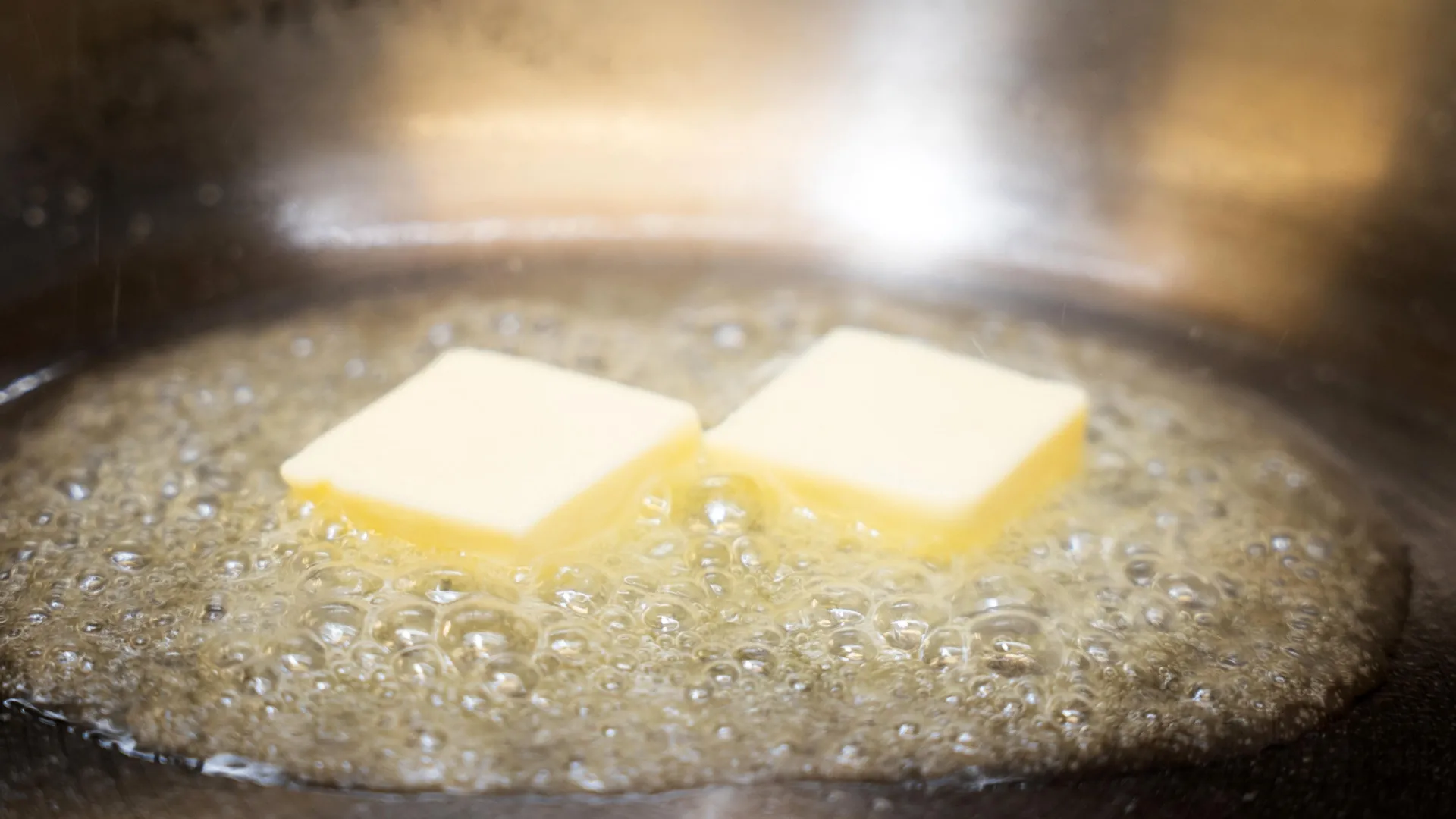
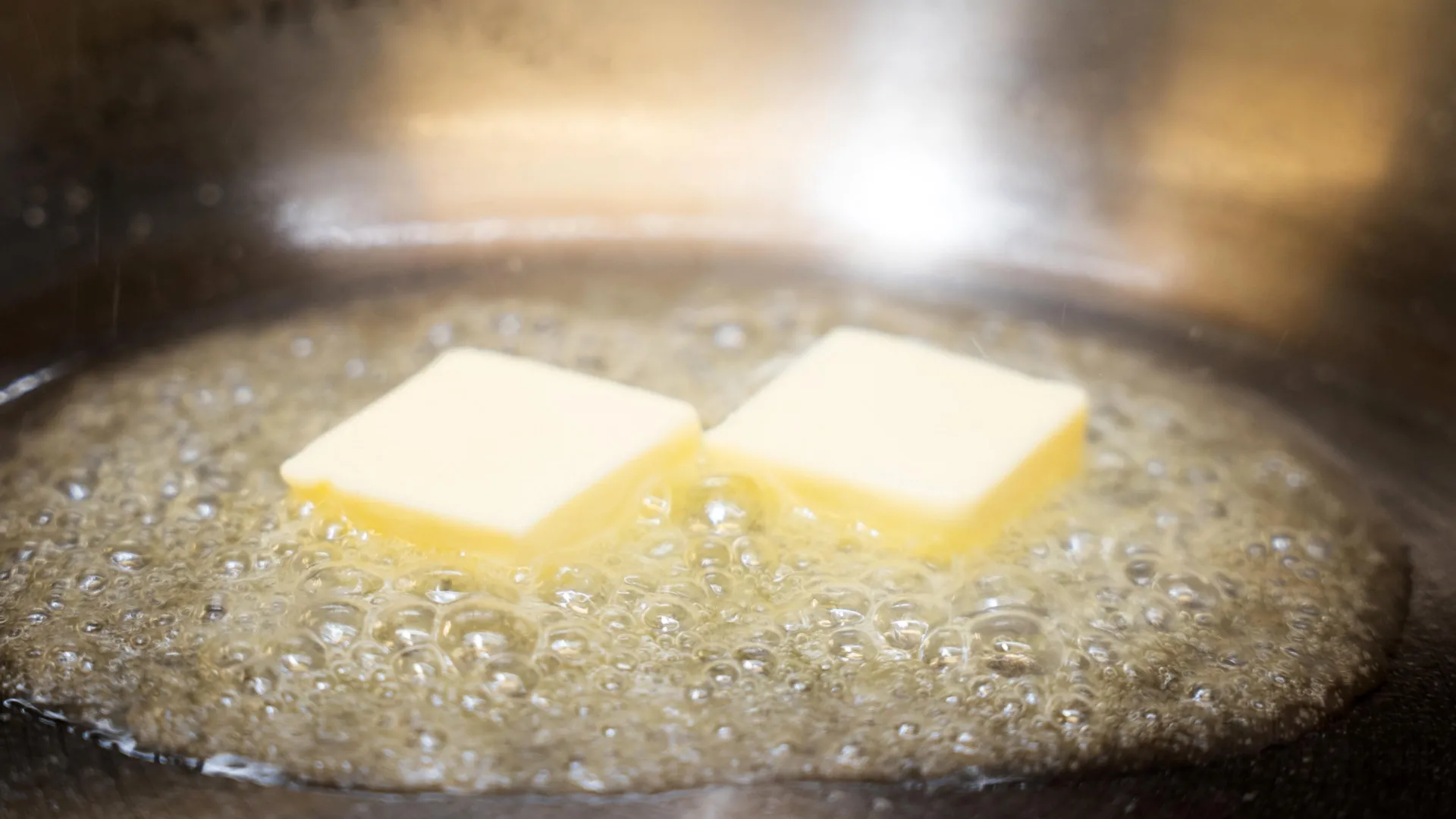
For many, the scent of melting butter is the hallmark of home cooking. It is a sensory cornerstone of childhood, synonymous with the rich, golden smear on a morning slice of toast, the creamy base of a batch of mashed potatoes, or the structural integrity of a perfect nut roll. Yet, the transition from the domestic kitchen to the laboratory bench often reveals that what we perceive as simple ingredients are, in fact, marvels of complex food science.
As a food scientist, I have spent my career deconstructing these everyday staples. The journey often begins with a simple question: If both butter and margarine are designed to provide the same functional fat content in our diets, why do they behave so differently when they hit a hot skillet or a cold mixing bowl? The answer lies in the molecular architecture of triglycerides, the nuances of industrial processing, and the historical standards that define what we place on our tables.
Main Facts: The Molecular Matrix
At their most fundamental level, both butter and margarine are emulsions—colloidal systems consisting of microscopic water droplets suspended within a continuous fat matrix. This matrix is composed primarily of triglycerides, the most common form of dietary fat.
A triglyceride molecule is defined by a three-carbon glycerol backbone, to which three fatty acid chains are attached. While the backbone remains constant, the specific fatty acids can vary in length and structure, dictating the physical properties of the fat.
The Saturated vs. Unsaturated Divide
The primary distinction between butter and margarine lies in the nature of these fatty acids. Butter, derived from animal cream, is composed largely of saturated fatty acids. Because these molecules contain no double bonds between their carbon atoms, they remain linear and straight. This allows them to stack compactly like neatly arranged pencils, resulting in a firm, crystalline structure that provides butter with its characteristic melting point and firmness at room temperature.
In contrast, margarine is typically formulated from plant-based oils, which are rich in unsaturated fatty acids. These molecules contain "kinks" caused by double bonds, preventing the molecules from packing together tightly. This molecular irregularity is precisely why plant-based oils remain liquid at room temperature and why margarine exhibits a vastly different melting profile compared to dairy butter.
A Chronological Perspective: From Churns to Chemistry
The history of these fats is a study in human ingenuity and the quest for food stability.
The Traditional Churn
Butter-making is an ancient process. By agitating or churning cream, the protective membranes of fat globules are ruptured. The fat leaks out, coalescing into semi-solid grains that eventually separate from the watery byproduct known as buttermilk. Throughout history, this simple mechanical process—followed by kneading and pressing—has produced the gold standard of baking fats. In some traditions, lactic acid bacteria are introduced to ferment the lactose in the cream, producing flavor compounds that yield the "cultured" or tangy butter preferred by chefs.
The Rise of Margarine
Margarine emerged as a response to the need for a shelf-stable, affordable alternative to butter. Initially, this required hydrogenating plant oils—a process that famously created trans fats, which were later linked to cardiovascular disease and elevated cholesterol levels.
In the modern era, the industry shifted to a process called interesterification. This chemical rearrangement of fatty acids on the glycerol molecule allows manufacturers to transform liquid plant oils into a solid state without the need for trans fats or excessive saturated fat loading. This innovation provided a way to create a spreadable product that could mimic the functional consistency of butter while maintaining a more favorable lipid profile.
Supporting Data: Composition and Standardization
Understanding the "identity" of these fats requires looking at their chemical breakdown.
- Fat Content: By federal regulation, both butter and margarine must contain at least 80% fat. However, premium butters often hover closer to 85%, a variance that significantly impacts the results of delicate pastries.
- Water Content: Approximately 16% of both products is water. The remaining 1-4% in butter consists of vitamins, minerals, lactose, and milk proteins, whereas margarine incorporates emulsifiers, preservatives, and coloring agents to stabilize its emulsion.
- The "Butter" Standard: In the United States, butter is governed by one of the oldest "standards of identity" in the food industry. This legal framework dictates exactly what can be labeled as butter, ensuring consistency and preventing consumer fraud. Conversely, margarine formulations are more proprietary and flexible, often leaving the specific method of fat modification (such as interesterification) undisclosed on the label.
Official Responses and Regulatory Oversight
The debate between butter and margarine has historically been fueled by health advocacy groups and regulatory bodies. The FDA and the American Heart Association have long cautioned against the consumption of saturated fats—the hallmark of butter—while promoting unsaturated alternatives.
However, the "ultra-processed" label now often applied to margarine has caused a shift in consumer sentiment. While margarine provides a path to avoiding saturated fats, the complex processing involved in interesterification and the addition of artificial colors (like beta-carotene) and flavors (like diacetyl) have led some purists to return to butter. The lack of mandatory labeling for interesterification remains a point of contention for transparency advocates who argue that consumers should be aware of the degree of processing in their dietary fats.
Culinary Implications: Performance in the Kitchen
The differences in molecular structure are not merely academic; they are visceral and observable in the kitchen.
The Maillard Reaction and Browning
One of the most profound differences arises when heat is applied. Butter contains lactose and milk proteins. When these solids reach high temperatures, they undergo the Maillard reaction—a chemical interaction that creates the distinct brown color and nutty, caramelized aroma essential to browned butter sauces and golden crusts. Margarine, lacking these specific milk solids, does not brown in the same way, often resulting in a flatter flavor profile.
Baking and Structure
In baking, butter’s unique crystal structure is a functional asset. When creamed with sugar, butter’s crystals trap air, providing leavening and a light, porous crumb. Because margarine’s melting point is engineered to be more precise and uniform, it behaves differently under heat. It does not provide the same structural "lift" as butter, particularly in high-temperature applications where the water content in butter generates steam to create the flaky layers characteristic of laminated doughs like puff pastry or croissants.
Consistency vs. Complexity
Margarine’s greatest strength is its predictability. It is designed to be consistent, easy to spread, and resistant to rancidity. For bakers looking for a specific, repeatable outcome, margarine offers a level of stability that natural butter—which can vary based on the cow’s diet and the season—cannot always guarantee.
Conclusion: Navigating the Choice
Choosing between butter and margarine is rarely a simple binary of "good" versus "bad." It is an exercise in balancing nutritional goals with culinary expectations.
If your priority is the authentic, complex flavor profile and the browning potential required for fine pastry or sautéing, butter remains the gold standard. If your goal is to reduce saturated fat intake or you require a spread that remains soft in the refrigerator, modern margarine offers a technologically advanced solution.
As a scientist, I see both as marvels of molecular arrangement. Whether you are using a centuries-old churning method or the latest in interesterification technology, you are manipulating the same basic triglycerides to achieve different ends. By understanding the chemistry at play, you can move beyond the label and make informed decisions that elevate both your health and your cooking. Ultimately, the best fat is the one that serves the specific purpose of the dish—provided you understand exactly what is happening in the pan.