









In the intricate tapestry of Ayurvedic medicine, health is not merely the absence of disease, but a state of dynamic equilibrium between the mind, body, and consciousness. As the seasons shift and the external environment changes, the internal biological systems of the human body are often forced to adapt. When this adaptation falters, psychosomatic disorders emerge, signaling an imbalance that requires immediate, targeted intervention.
According to Ayurvedic tradition, the primary therapeutic strategy rests on a fundamental decision: whether to apply Shamanam (pacification) or Shodanam (cleansing). While pacification is reserved for those whose vitality is depleted and who require nourishment to remove distress, Shodanam—or purification—is the cornerstone of deep-seated healing. Central to this purification process is Panchakarma, a holistic detoxifying regimen composed of five distinct actions. As we navigate the depths of the winter season, one particular modality—Nasya—stands out as an essential practice for maintaining respiratory health and cognitive clarity.
The Philosophical Foundation of Nasya
Ayurveda posits that the nose is the literal "doorway to the brain and consciousness." In the anatomical framework of the Majja Dhatu (the nervous system), substances administered through the nasal passages are believed to exert a direct influence on cerebral function. Unlike oral medications, which must navigate the complexities of the digestive tract, nasal administration provides a rapid pathway for medicinal substances to interact with the body’s energetic pathways, or Nadis.
The efficacy of Nasya is rooted in both subtle energetic theory and modern physiological concepts. When herbal substances are inhaled or dropped into the nostrils, they interact with the cribriform plate—a porous bone structure at the base of the cranium. The inhalation process triggers a unique pumping mechanism: the diaphragm moves rhythmically, which in turn influences the membranes surrounding the brain and spinal cord (the meninges). This systemic "pumping" action stimulates the circulation of cerebrospinal fluid and enhances arterial and venous blood flow, facilitating a rapid, clearing effect on the mind and sensory organs.
Seasonal Vulnerability: The Kapha Winter
To understand why Nasya is particularly vital during the winter, one must examine the influence of Kapha dosha. In Ayurveda, winter is synonymous with Kapha attributes: cold, heavy, dense, slow, and cloudy. When these qualities accumulate within the human body, they manifest as congestion, lethargy, and a feeling of "heaviness" in the spirit.
"To balance the cold and heavy nature of winter, we must introduce the opposite qualities," explains practitioners of the tradition. "We seek heating, drying, and expansive herbs." By utilizing Nasya during this period, individuals can effectively "clear the channels" (srotas), preventing the stagnation that typically leads to winter-related respiratory illnesses.
Chronology of the Cleansing Process
The application of Nasya is not a haphazard endeavor; it follows a deliberate, chronological sequence designed to ensure safety and efficacy.
- Assessment of Strength: Before initiating any cleansing, a practitioner must determine if the individual has the constitution to withstand the process. If the patient is weak, Shamanam (pacification) is prioritized to build strength.
- Preparation (Purvakarma): The body is prepared through internal or external oleation, ensuring the tissues are ready to release accumulated toxins.
- Active Cleansing (Pradhana Karma): The specific Nasya application takes place. The practitioner selects a recipe—either dry or liquid—tailored to the patient’s specific doshic imbalance.
- Post-Cleansing (Paschat Karma): A period of rest and specific dietary adjustment follows to ensure that the "rivers of life" (Nadis) remain open and the body recovers its natural rhythm.
Supporting Data and Therapeutic Mechanisms
The mechanics of Nasya offer a fascinating intersection between ancient herbalism and human anatomy. The administration of medicinal herbs through the nasal route is not merely a topical application; it is a systematic delivery method.
The Role of Vacha (Calamus Root)
Vacha is widely regarded as one of the most effective herbs for winter cleansing. Its properties are heating, pungent, and bitter—the exact energetics required to counter the sluggish, cold energy of Kapha. Beyond its physical clearing of the sinuses, Vacha is considered sattvic, meaning it nourishes the mind and promotes clarity. When a pinch of Vacha root powder is inhaled, it often induces sneezing. While this may seem disruptive, it is a critical part of the therapeutic process, as the sneezing reflex is an automatic mechanism for balancing Prana (life force) and Udana (the upward-moving energy) while simultaneously opening brain centers.
The Ginger-Jaggery Synergy
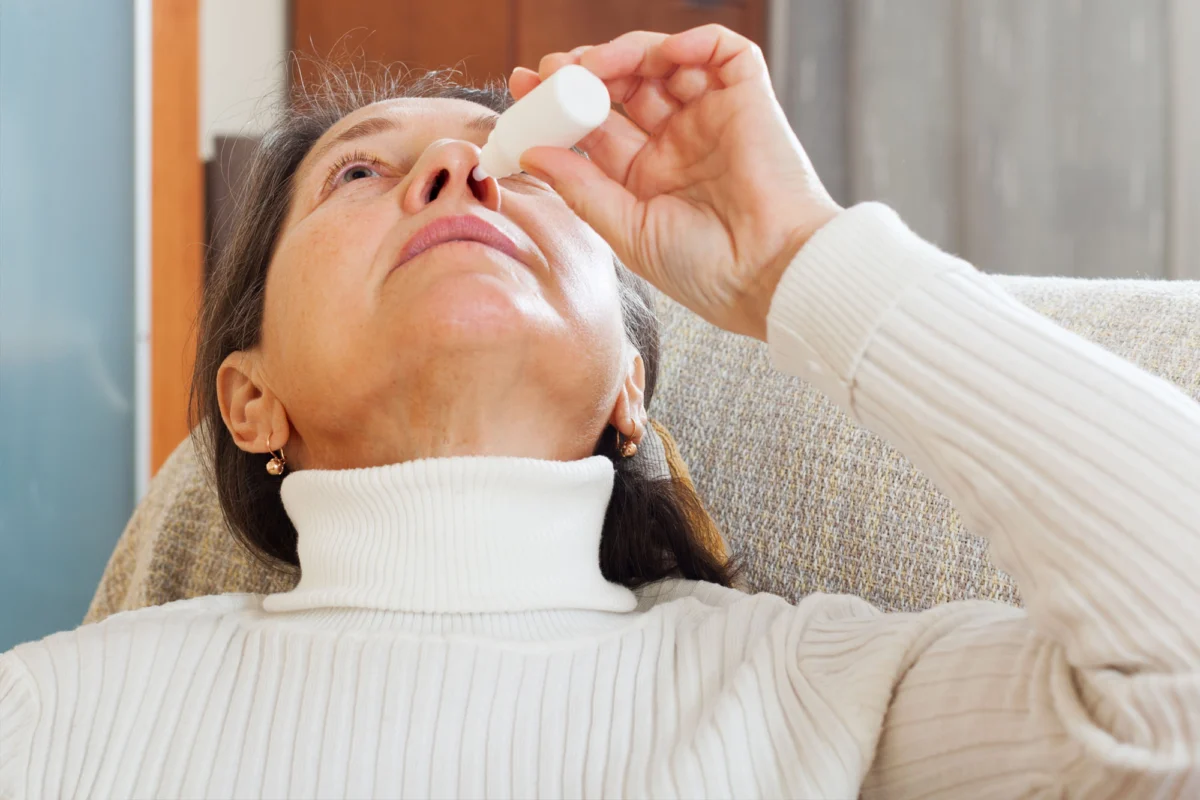
For those seeking relief from sinus pressure and tension headaches, the combination of ginger and jaggery offers a potent, albeit intense, solution. The ginger provides the heat necessary to liquefy and expel mucus, while the jaggery acts as a carrier and soothing agent. The process involves grating fresh ginger and mixing it with jaggery in water, straining it, and carefully administering 2–3 drops into each nostril.
Users should be prepared for an immediate, sharp sensation—a burning feeling accompanied by a flushing of the eyes and nose. This is the physiological manifestation of the clearing process. The result, however, is a profound "after-glow" of mental and sensory exhilaration.
Clinical Implications and Safety Warnings
While the benefits of Nasya for winter wellness are well-documented within the Ayurvedic canon, it is imperative that these practices are approached with caution. Modern medical professionals emphasize that the nasal passage is a delicate environment, and the introduction of any foreign substance—even organic herbal preparations—carries risks, including potential irritation of the mucous membranes or allergic reactions.
Professional Guidelines for Safety:
- Consultation is Mandatory: Never undertake a Nasya regimen without first consulting a licensed healthcare professional, especially if you suffer from chronic sinus conditions, polyps, or high blood pressure.
- Freshness is Key: All mixtures, particularly those containing organic materials like ginger, must be freshly prepared for each session to prevent bacterial contamination.
- Gradual Implementation: The intensity of Nasya should be increased gradually. Do not attempt high-potency powders until you have successfully integrated milder liquid applications into your routine.
The Holistic Perspective: Beyond the Physical
The ultimate objective of Nasya, when performed correctly, extends far beyond the relief of a runny nose or a headache. It is a practice of spiritual and mental hygiene. By purifying the Nadis, the practitioner is essentially clearing the "rivers of life."
As we move through the winter months, the internal "cloudiness" of the Kapha season often mirrors our mental state, leading to seasonal affective issues or cognitive fatigue. By regularly engaging in the cleansing rituals of Nasya, we do more than just manage our physical symptoms; we actively invite a higher level of cognitive function and clarity of perception.
The wisdom of Ayurveda remains relevant today because it does not treat the body as a machine to be fixed, but as a garden to be tended. The winter is a time for introspection and, crucially, for cleansing. By embracing the heating, drying, and expansive power of herbs like Vacha and ginger, we can move through the coldest months of the year with a heightened sense of vitality, ensuring that when the spring thaw finally arrives, we are ready to bloom with renewed, unobstructed energy.
In conclusion, the practice of Nasya serves as a vital bridge between the ancient understanding of human physiology and the contemporary need for holistic wellness. As with all things in Ayurveda, the key to success lies in the balance between the intensity of the treatment and the inherent strength of the individual. Approach the practice with patience, seek professional guidance, and honor the delicate pathways of the mind and body.