











In the rapidly evolving landscape of oncology, a specialized class of medicine has emerged as a potential "silver bullet" for hard-to-treat cancers: radiopharmaceuticals. By combining targeted molecules with radioactive isotopes, these drugs act like microscopic snipers, homing in on cancer cells to deliver lethal doses of radiation while sparing healthy tissue.
However, a vocal contingent of industry leaders—most notably Louise Emmett, a prominent expert and consultant for global pharmaceutical titans like AstraZeneca and Novartis—is warning that the industry’s current, conservative approach to these therapies is stifling their true potential. The central thesis of the current debate is as provocative as it is scientific: pharmaceutical companies are being too cautious. According to Emmett and her colleagues, the industry is failing to maximize the efficacy of these 21st-century treatments because they are under-dosing, hampered by a fear of the very toxicity profiles that define the drug class.
The Promise and the Peril: A New Era of Oncology
Radiopharmaceuticals represent a paradigm shift from traditional chemotherapy or even modern immunotherapy. By utilizing the precision of monoclonal antibodies or small molecules to deliver a radioactive payload directly to a tumor, they theoretically offer a level of specificity previously unseen in radiation oncology.
The mechanism is elegant: a targeting ligand binds to a specific receptor overexpressed on a tumor cell, internalizes the radioactive payload, and induces DNA double-strand breaks, effectively causing the cancer cell to self-destruct. When successful, the results are dramatic, often leading to significant tumor regression in patients who have exhausted all other therapeutic options.
However, the "Achilles’ heel" of this technology is systemic toxicity. Because the radioactive payload is introduced into the bloodstream, it does not exclusively remain at the tumor site. As the drug circulates, it inevitably encounters the kidneys, liver, and bone marrow—organs that are highly sensitive to radiation.

Chronology of the Radiopharmaceutical Boom
To understand the current tension in the field, one must look at the rapid maturation of the sector over the last five years:
- 2018-2020: The Proof of Concept: Early clinical successes with agents like Lutathera and Pluvicto (both under the Novartis umbrella) demonstrated that radioligand therapy could extend survival in patients with neuroendocrine tumors and metastatic prostate cancer. These successes triggered a gold rush of venture capital and M&A activity.
- 2021-2022: The Scaling Phase: Major pharmaceutical companies began acquiring specialized biotech firms to secure their own "pipes" of radioactive assets. The focus was on identifying new ligands for high-prevalence solid tumors.
- 2023: The Reality Check: As clinical trials moved into larger, more diverse patient populations, the "safety tax" of these drugs became impossible to ignore. Researchers began observing dose-limiting toxicities (DLTs) that had been masked in smaller, earlier-stage trials.
- 2024-Present: The Dosing Debate: We are currently in a period of recalibration. While some companies have retreated due to safety failures, voices like Emmett’s are calling for a more sophisticated, aggressive approach to dosing regimens to ensure that the therapeutic window—the space between "effective" and "toxic"—is fully utilized rather than feared.
Supporting Data: The Cost of Caution
The primary hurdle for drug developers is balancing "absorbed dose" to the tumor versus "absorbed dose" to healthy organs. In clinical trials, the standard approach has been a conservative dosing schedule designed to keep organ toxicity well below the threshold of severe injury.
However, data emerging from advanced dosimetry studies suggest that many patients may be able to tolerate higher, more frequent doses than current labels suggest.
The Toxicity Spectrum
- Nephrotoxicity (Kidney Damage): The kidneys are the primary route of excretion for many of these compounds. Prolonged exposure can lead to renal failure.
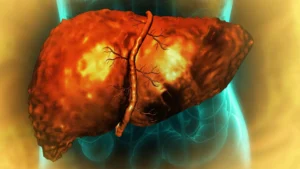
- Hepatotoxicity (Liver Damage): Particularly for therapies that are metabolized or excreted via the biliary system, liver enzyme elevation is a common, though often manageable, side effect.
- Myelosuppression (Bone Marrow Damage): This is perhaps the most significant limiting factor. Because the radioactive particles circulate in the blood, they bathe the bone marrow, leading to drops in white blood cell and platelet counts.
Recent clinical setbacks—including the shuttering of programs that failed to navigate these side effects—have chilled the venture capital environment. When a company shuts down, it is rarely due to a lack of efficacy, but rather an inability to design a dosing regimen that provides a meaningful benefit-risk ratio in the eyes of regulatory bodies like the FDA.
The Industry Perspective: Fear or Prudence?
The pharmaceutical industry, by design, is risk-averse. The development of a radiopharmaceutical is exponentially more complex than that of a standard small molecule; it involves not just drug development, but the construction of a robust, time-sensitive supply chain for radioactive isotopes that often have a half-life of only a few days.

When an experimental therapy causes unexpected bone marrow suppression in a Phase 2 trial, the immediate instinct of a public company is to halt, evaluate, and reduce the dose. Louise Emmett’s argument is that this "halt-and-reduce" mentality is a strategic error. By defaulting to lower doses, companies may be failing to achieve the "tumor-killing" threshold required for durable, long-term remission, effectively ensuring that the drug is "safe" but ultimately ineffective.
The Regulatory and Clinical Implications
The debate has profound implications for how clinical trials will be structured moving forward. If the industry shifts toward the "bolder" approach suggested by experts, it will require:
- Personalized Dosimetry: Moving away from a "one-size-fits-all" dosing model toward patient-specific dosimetry, where the dose is calculated based on how an individual patient’s body processes the isotope.
- Adaptive Trial Designs: Utilizing trials that allow for intra-patient dose escalation, where physicians can safely increase the dose if the patient shows high tolerance and strong tumor response.
- Enhanced Supportive Care: Investing in parallel treatments that protect organs—such as amino acid infusions to protect the kidneys—to allow for more aggressive radioactive dosing.
Conclusion: Finding the Balance
The path forward for radiopharmaceuticals is not one of abandonment, but one of increased scientific sophistication. The current wave of clinical failures is not necessarily an indictment of the technology, but rather a sign that the industry is hitting the "ceiling" of its current trial design methodologies.
If pharmaceutical leaders take the advice of advocates like Emmett, we may see a pivot toward high-intensity, precisely-monitored treatment cycles. The risk is undeniably higher, and the regulatory hurdles for such an approach are daunting. However, the potential reward—turning terminal cancer into a manageable condition, or even a curable one—is the goal that continues to drive billions of dollars into this specialized corner of the biotech sector.
As the industry looks toward the next generation of radioligand therapies, the question will no longer be "can we make this safe?" but rather "how much power can we safely unleash?" The companies that successfully answer this question will define the next decade of oncology.