










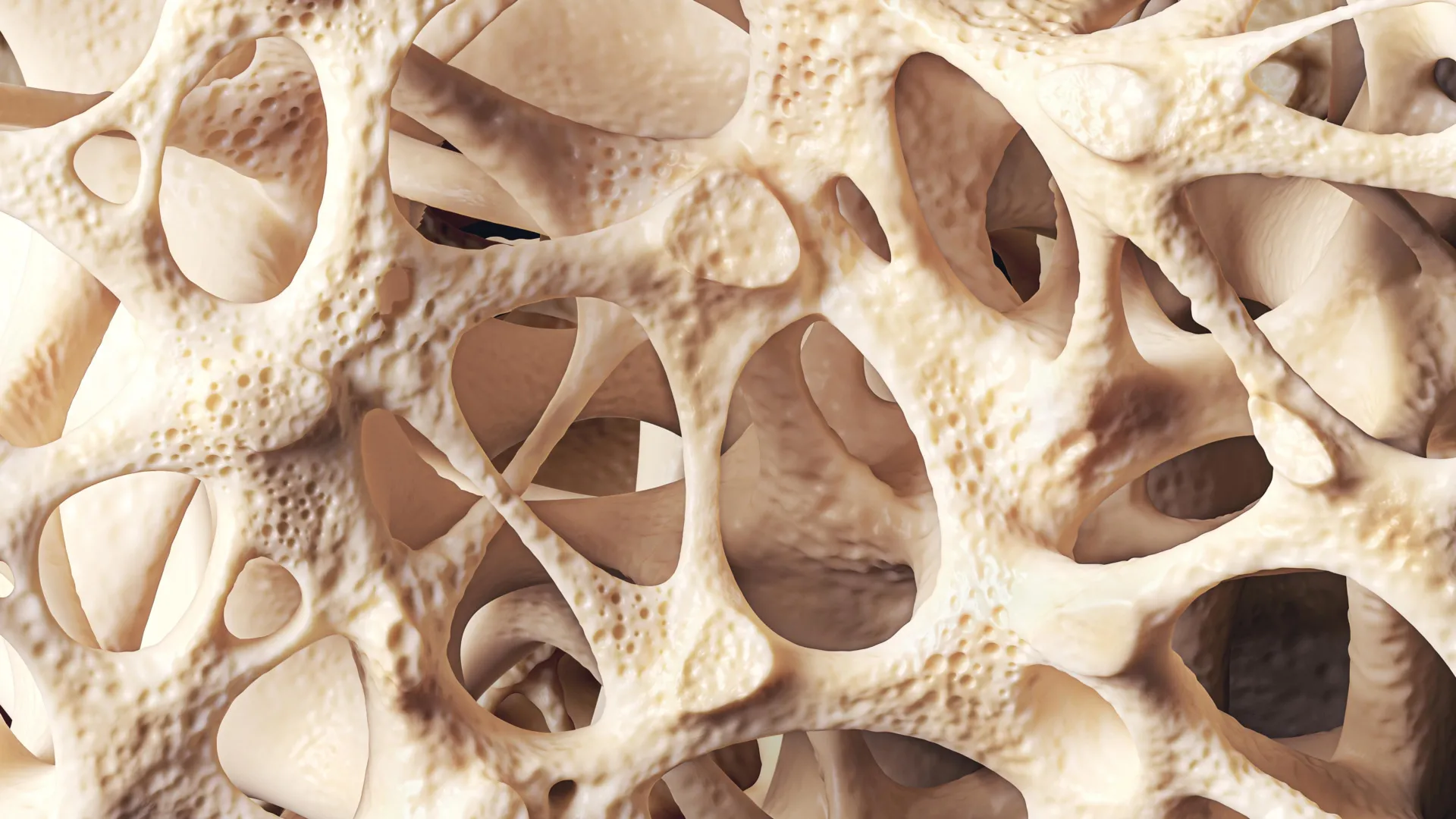
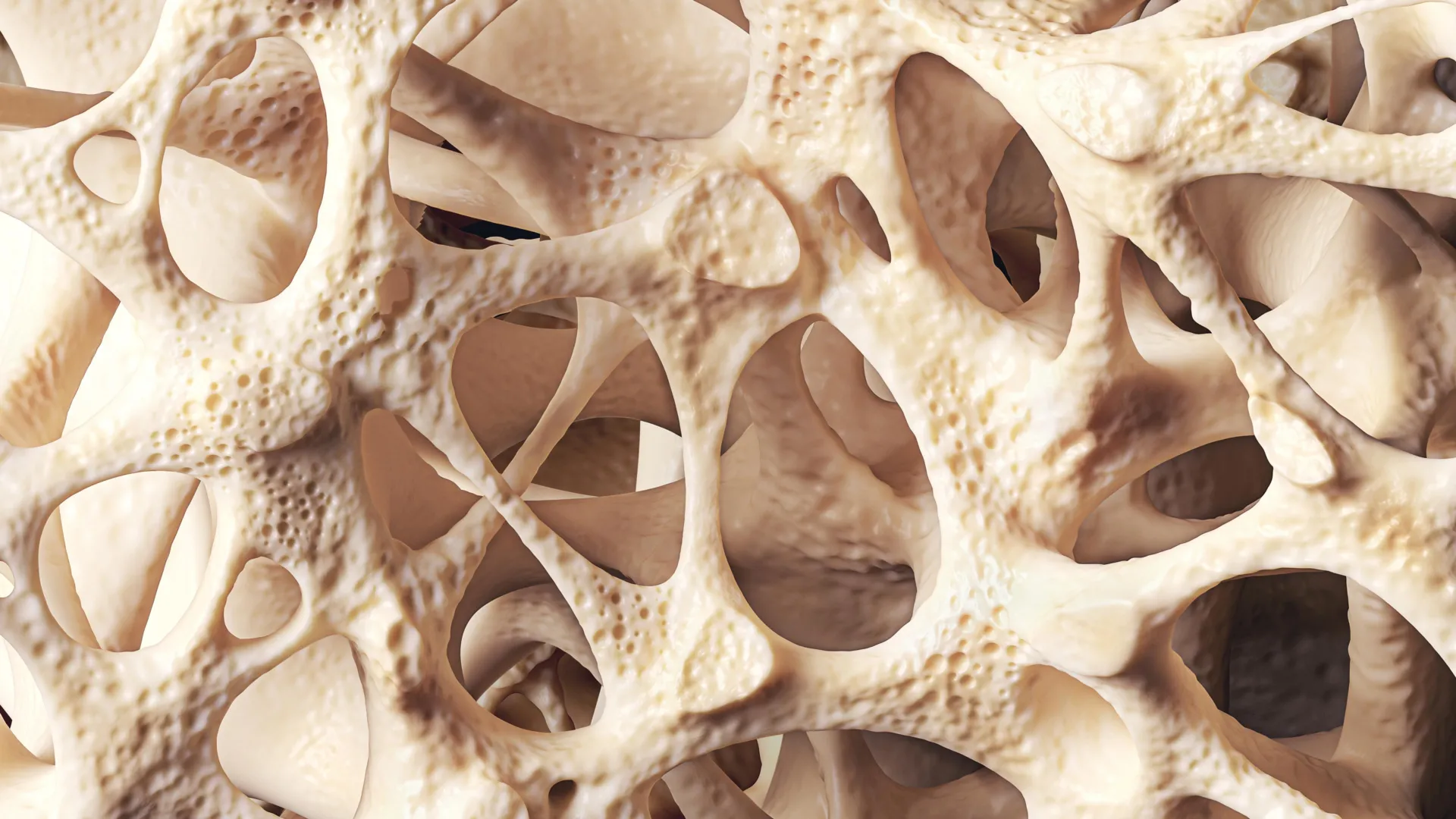
Around 40% of the global adult population is currently living with a condition that most have never heard of—or, if they have, they often dismiss as a natural, inevitable consequence of aging. That condition is osteopenia, a clinical state characterized by a loss of bone mineral density that falls below the optimal range but has not yet reached the critical threshold of osteoporosis. While often described as the "silent thief" of bone health, osteopenia is a significant, under-recognized public health crisis that acts as a vital early warning system for the human skeleton.
With over 500,000 fractures occurring annually in the UK alone due to low bone density, the socioeconomic and personal toll of this condition is immense. Understanding the mechanics of bone health, the risk factors that accelerate its decline, and the proactive steps available for management is essential for long-term health and mobility.
Main Facts: The Biology of Bone Renewal
To understand osteopenia, one must first understand that bone is not a static, inert structure. It is a dynamic, living tissue that undergoes a continuous, lifelong process known as bone remodeling. This cycle consists of two primary actions: resorption, where old bone is broken down by specialized cells called osteoclasts, and formation, where new bone is synthesized by osteoblasts.
In a healthy physiological state, these two processes exist in a state of equilibrium. However, this balance is fragile. During the first three decades of life, the body prioritizes bone formation, leading to peak bone mass, typically achieved between the mid-20s and early 30s. Once this peak is reached, the body’s metabolic priorities shift. Gradually, the rate of bone resorption begins to outpace the rate of bone formation. When this disparity becomes significant enough to reduce density, the clinical diagnosis of osteopenia is made.
The primary distinction between osteopenia and osteoporosis lies in the measurement of bone mineral density (BMD), typically conducted via a dual-energy X-ray absorptiometry (DXA) scan. Results are quantified using a T-score, which compares the patient’s density against that of a healthy young adult:
- Normal: T-score of -1.0 or higher.
- Osteopenia: T-score between -1.0 and -2.5.
- Osteoporosis: T-score of -2.5 or lower.
Chronology: The Lifespan of Bone Health
The trajectory of bone health is a longitudinal story that begins in childhood and extends into our twilight years.
Childhood and Adolescence: Building the Reserve
The foundation of bone health is laid early. Childhood and adolescence are critical "windows of opportunity" where physical activity and adequate nutrition (specifically calcium and vitamin D) dictate the peak bone mass one will carry into adulthood. Individuals who achieve higher peak bone mass are naturally more resilient against the inevitable decline of later years.
The Peak Years (25–35)
By the mid-20s to early 30s, the skeleton is at its strongest. From this point forward, the goal of medicine and lifestyle management shifts from "building" to "preserving."
Mid-Life and the Menopausal Shift
For women, the onset of menopause represents a seismic shift in skeletal health. The sharp decline in estrogen—a hormone that serves as a protective mechanism by slowing the natural rate of bone breakdown—can lead to accelerated bone loss. Statistics are sobering: approximately one in two women over the age of 50 will experience a fragility fracture in their lifetime.
Senior Years: Risk Management
As individuals enter their 60s, 70s, and beyond, the compounding effects of age-related bone loss, combined with reduced muscle mass and impaired balance, significantly increase the risk of falls and subsequent fractures. This is the stage where the silent nature of osteopenia often ends, replaced by the acute reality of a broken hip or vertebrae.
Supporting Data and Risk Factors
The progression from healthy bone to osteopenia is rarely the result of a single cause; it is a multifactorial issue influenced by genetics, lifestyle, and systemic health.
The Role of Lifestyle
Lifestyle choices are perhaps the most significant "modifiable" factors in bone health. Smoking has been shown to be directly toxic to bone-forming cells, while excessive alcohol consumption disrupts the body’s ability to absorb calcium. Furthermore, physical inactivity is a primary driver of bone weakness. Without the mechanical stress of weight-bearing exercise, bones do not receive the stimulus required to maintain density.
Nutritional Deficiencies
Calcium is the structural building block of the skeleton, but without vitamin D, the body cannot effectively absorb it. In the UK and many northern latitudes, vitamin D deficiency is rampant due to lack of sunlight, making supplementation a critical public health recommendation for many adults.
Systemic Health and Medication
Certain chronic health conditions significantly impair the body’s ability to maintain bone integrity. Conditions that affect nutrient absorption, such as Crohn’s disease or coeliac disease, can leave the skeleton starved of essential minerals. Additionally, long-term use of specific medications, most notably corticosteroids, is a well-documented risk factor that clinicians must monitor closely.
Official Perspectives and Diagnostic Standards
Public health bodies, including the National Osteoporosis Society and global health organizations, emphasize that osteopenia should not be viewed as a "mild" diagnosis. Instead, it is an urgent invitation for intervention.
Medical professionals utilize fracture risk assessment tools—such as the FRAX tool—to look beyond the T-score. By inputting data on age, weight, prior fractures, family history, and secondary health conditions, clinicians can estimate a patient’s ten-year probability of suffering a major fracture.
This assessment determines the treatment path. For some, lifestyle modification is sufficient. For others—particularly those with high fracture risks or existing fragility fractures—pharmaceutical intervention is necessary. Antiresorptive drugs, which work by slowing down the bone-breakdown process, are the gold standard. While traditionally associated with osteoporosis treatment, these medications are increasingly being utilized for high-risk osteopenic patients to prevent further decline.
Implications: The Case for Proactive Intervention
The most important takeaway for the public is that the progression from osteopenia to osteoporosis is not inevitable. With early detection and a committed approach to long-term health, bone density can be stabilized and, in some instances, even improved.
Movement as Medicine
The most effective non-pharmaceutical intervention is consistent, weight-bearing exercise. Activities such as brisk walking, dancing, and jogging provide the necessary skeletal loading to stimulate bone formation. Furthermore, resistance training—lifting weights or using resistance bands—not only strengthens the bone but also builds the muscle mass necessary to protect the skeleton and prevent falls. Specialized practices like Tai Chi have also gained clinical support for their ability to improve balance and proprioception, further reducing the risk of accidental trauma.
A Holistic Future
Prevention requires a paradigm shift. We must stop viewing bone health as a concern only for the elderly. By maintaining a nutritious, calcium-rich diet, ensuring adequate vitamin D levels, and staying physically active throughout the lifespan, individuals can "bank" bone strength.
The clinical implication is clear: osteopenia is a vital warning sign. It is a call to action that allows for the preservation of independence and the avoidance of the debilitating fractures that characterize the later stages of bone disease. By addressing the "silent thief" while it is still in the early stages, we can effectively secure the structural integrity of our bodies for decades to come.
As research continues to highlight the critical role of movement and early screening, the message to both clinicians and the public remains consistent: do not wait for a fracture to reveal the state of your skeleton. Take charge of your bone health today, and view the preservation of your density as a pillar of healthy, active aging.