









By Jonathan Gardner | September 1, 2026
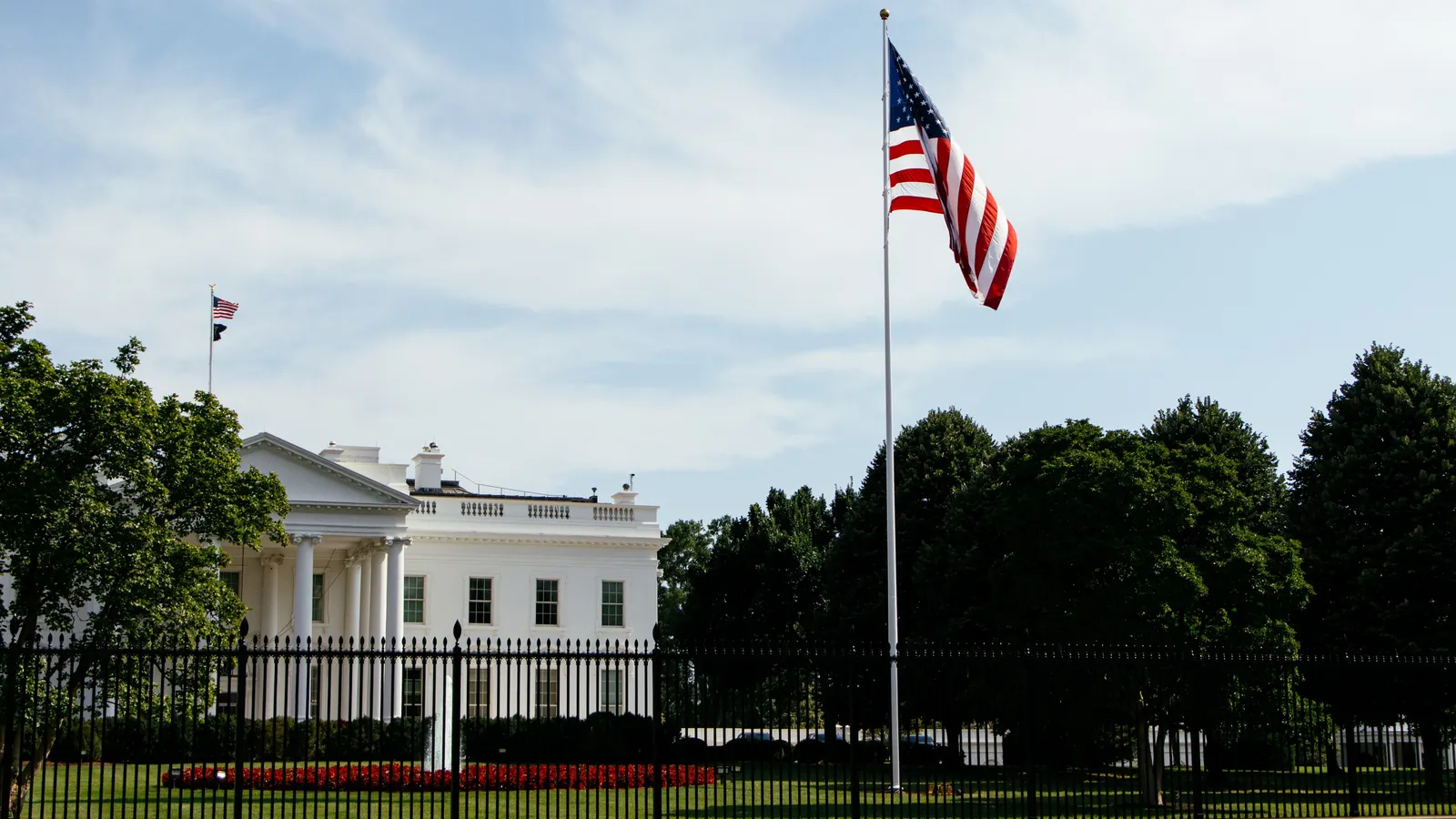
In a significant maneuver to reshape the landscape of pharmaceutical pricing, the White House announced on Monday that nine mid-sized drug manufacturers have entered into voluntary agreements to align specific Medicaid drug prices with those paid in international markets. The pacts, which represent a strategic pivot in the administration’s approach to healthcare costs, also include commitments to bolster domestic manufacturing capabilities.
The participating companies—Alcon, Astellas Pharma, BeOne Medicines, BridgeBio Pharma, CSL, Kyowa Kirin, Sun Pharma, Teva Pharmaceuticals, and UCB—have agreed to join the Centers for Medicare and Medicaid Services (CMS) "GENEROUS" program. This model, which launched in January, mandates that participating drugmakers link their Medicaid pricing to the lowest costs paid by other nations.
The Trade-Off: Security Over Tariffs
The core incentive driving these agreements is the promise of regulatory relief. In exchange for their cooperation, these pharmaceutical entities have been granted exemptions from the aggressive "Section 232" tariffs under the Trade Expansion Act. Originally designed to protect industries deemed essential to national security, these 100% levies had posed a looming existential threat to the supply chains of international drugmakers.
By opting into the GENEROUS program, these firms have effectively traded a degree of pricing flexibility for protection from trade barriers that could have crippled their ability to import essential components and finished products into the U.S. market.
Chronology of the GENEROUS Model
- January 2026: The CMS introduces the GENEROUS program, a pilot initiative designed to curb the disparity between U.S. drug prices and those in foreign jurisdictions.
- Summer 2026: The White House accelerates the implementation of Section 232 tariffs, creating immense pressure on pharmaceutical importers and setting the stage for negotiations.
- Late August 2026: Behind-the-scenes negotiations culminate in the formalization of agreements with nine key mid-sized manufacturers.
- September 1, 2026: The White House publicly announces the pacts, signaling a shift toward industry-specific settlements rather than broad, sector-wide legislation.
- Future Outlook: The GENEROUS program is slated to expire in six years, leaving a limited window for the administration to prove the efficacy of the model.
Strategic Commitments and Domestic Manufacturing
Beyond price alignment, the agreements include significant industrial pledges. Several companies have committed to tangible investments in the U.S. healthcare infrastructure. For instance, CSL has unveiled plans to expand a critical manufacturing facility in Illinois, a move aligned with the administration’s "Made in America" push.
Furthermore, a subset of the participating companies—Astellas, Sun Pharma, Teva, and UCB—have pledged to donate active pharmaceutical ingredients (APIs) to a U.S.-based reserve. This reserve is intended to mitigate supply chain shocks, such as those caused by global pandemics or geopolitical instability, ensuring that the U.S. maintains a strategic buffer of critical medications.
Some manufacturers have also gone a step further, committing to "most favored nation" pricing for future drugs currently in their pipelines. This ensures that as new therapies hit the market, the price delta between American patients and international consumers will be minimized from day one.

The Medicaid Context: A Measured Impact
While the headlines surrounding the agreements are bold, the actual fiscal impact on the Medicaid program remains a subject of intense debate among healthcare economists. Medicaid is already governed by the 1990 Medicaid Drug Rebate Program, which mandates substantial discounts for the federal-state program. Because Medicaid already captures some of the lowest prices in the industry, the "additional" savings generated by the GENEROUS program may be marginal.
Critics and market analysts alike note that Medicaid serves a specific, albeit vital, segment of the U.S. population. It does not possess the same scale as the Medicare program, which spent a staggering $163 billion on prescription drugs in 2024. In contrast, Medicaid’s expenditure on branded drugs in the same year was approximately $54 billion.
"The scope is limited," noted one industry analyst. "Because the program targets Medicaid specifically, and because Medicaid pricing is already heavily regulated and discounted, these deals are unlikely to trigger a systemic reduction in the total pharmaceutical expenditure of the United States."
Industry Analysis: Why the Market Isn’t Panicking
Perhaps the most telling reaction to the news has been the relative stability of the affected companies’ stock prices. RBC Capital Markets analyst Brian Abrahams observed in a client note that for many of these firms, the impact will be negligible.

For example, BridgeBio’s heart disease treatment, Attruby, derives less than 2% of its total sales from the Medicaid population. Consequently, the downward pressure on price is expected to be statistically insignificant for the company’s bottom line. Similarly, BeOne Medicines secured a strategic exemption for Brukinsa, a blockbuster drug for leukemia and lymphoma, which boasts a significantly larger Medicare footprint.
Abrahams suggested that for investors, these deals might actually represent "incremental upside." By settling with the White House and securing tariff relief, these companies have cleared a major regulatory hurdle. The threat of broader, more draconian price controls appears to have receded, replaced by a voluntary, negotiated framework that provides predictability for long-term planning.
Implications for Future Policy
The decision to pursue individual pacts rather than universal legislation suggests that the White House is prioritizing surgical interventions over broad-spectrum reform. By creating a template for "pricing for protection," the administration has created a roadmap that other industries—or other drugmakers—may be forced to follow.
However, the exclusion of commercial insurance and Medicare from these specific deals leaves the largest drivers of U.S. drug spending untouched. As the GENEROUS program moves into its second year, the central question remains: Is this a genuine solution to high drug costs, or is it a targeted policy tool designed to address specific trade issues while maintaining the status quo in the broader healthcare market?
For the nine companies involved, the choice was clear. In an era of heightened economic nationalism and shifting trade policies, stability—even at the cost of some pricing power—is a commodity that many manufacturers are willing to pay for. As the industry watches, the success of these nine deals will likely determine whether the White House expands this "model" to larger, multinational pharmaceutical giants, or whether this remains a niche solution for mid-sized players looking to survive an increasingly complex regulatory environment.
Summary of Commitments
- Price Alignment: Linking Medicaid costs to the lowest international prices for the duration of the six-year program.
- Supply Chain Security: Donations of active pharmaceutical ingredients to the national reserve.
- Domestic Investment: Infrastructure expansion and facility development within U.S. borders.
- Regulatory Relief: Immediate exemption from Section 232 import tariffs.
As the implementation phase begins, the administration will be under pressure to demonstrate that these deals provide actual relief to Medicaid beneficiaries. Meanwhile, the drugmakers will be carefully monitoring the political climate, hoping that their cooperation today buys them the security they need to innovate and compete in the years to come.